

Remember when upgrading your home’s lighting meant ripping up ceilings and rewiring half the house?
Yeah, those days are gone, thanks to modern lighting becoming much more DIY-friendly. Now you have plenty of ways to make your lights switch on automatically without needing to put on a hard hat.
Common DIY sensor lighting you’ll see uses a simple plug-in system or is battery-powered, while others are meant to be more permanent and can be connected to existing lighting circuits.
More households are switching over to motion sensor lights and smart home lighting since they make everyday life easier, safer, and more energy efficient.
This guide will walk you through different practical projects you can complete room by room, utilising the most common automatic lighting you’ll find in most UK homes.
If you’re ready to get lost in another weekend DIY project for your home, you’ve come to the right place.
What Is Automatic Lighting?
There’s really no other way I can describe this than: basically the physical light switch killer.
But, really, any lighting system that turns on, off or changes its behaviour without any manual intervention is automatic lighting.
And there are many faces to this:
Motion sensor lighting switches on when movement is detected. Think of areas where you're often carrying things or only need the light for a short time. This is what you get for those. It could be your hallway, staircase, bathroom, garage, or driveway.
PIR sensor lights are not “motion sensor” lights in the strictest sense of the word. They use a passive infrared (PIR) sensor to detect changes in heat as a person or animal passes through its detection zone. Probably the most popular kind of sensor light.
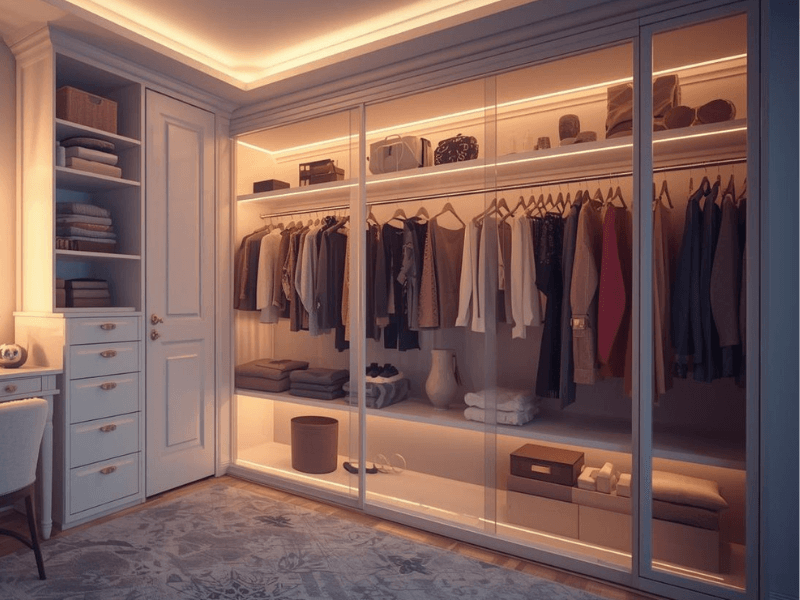
Door-activated lighting switches on when a door is opened. Close the door, and the lights switch off. Think wardrobe lights, cupboards, and pantries. No more lost items in the farthest corner of the cabinets. Those tend to be dark as night.
Timer-controlled lighting is a step closer to smart lighting territory, as it allows you to schedule when your lights switch on and off. Perfect for outdoor lighting. (With the proper IP rating, of course!)
Smart lighting automation is the real deal. Smart bulbs, switches, and lighting systems can be controlled through an app, scheduled automatically, or connected to voice assistants for totally hands-free use.
“Alexa, switch on the lights to 65% brightness.”
Dusk-to-dawn lighting uses a light sensor rather than a motion sensor to switch on the lights. The sensor detects changes in outdoor brightness, typically switching on when the environment gets dark enough. Best security lighting.
Why DIY Homeowners Are Choosing Automatic Lighting
Did you know that many modern automatic lighting systems can be installed with minimal tools and disruption to the space? Even a more permanent wired installation that needs an electrician can be added without a major renovation.
But let’s talk about other benefits too:
1. Convenience is an obvious one. Walk towards the front door, and the outdoor wall lights switch on. Open a wardrobe, and it lights up. Head down the staircase, and the LED stair lights come on to guide your every step.
2. Lower energy use is another major advantage. You think a regular LED light is energy efficient? Wait until you experience LED lights with a paired motion sensor. Your fittings only operate when needed and automatically shut off when the space is empty.
3. Automatic lights can also improve safety. The obvious one is acting as an effective deterrent to anyone with bad intentions trying to use the darkness to get into your home. They step in, then boom! Blinding lights.
But automatic lights are also useful in illuminating stairs, paths, and dark corners, reducing the chances of stumbling around in the dark.
4. Accessibility is another thing. Since there’s no longer a need for physical switches, you can get your much-needed light without fumbling for them. This is practical for spaces where you typically walk past with your hands full or occupied.
5. For older homes, automatic lighting is the most effortless way to add a bit of modern functionality without changing the character of the property. Just make sure the sensor is placed discreetly so it doesn't break the traditional feel.
The Best DIY Automatic Lighting Projects by Room
This is a friendly reminder that you do not need to automate your entire home in one weekend. Identify the areas where automatic lighting would genuinely make a difference, then work on each one at a time.
Hallways
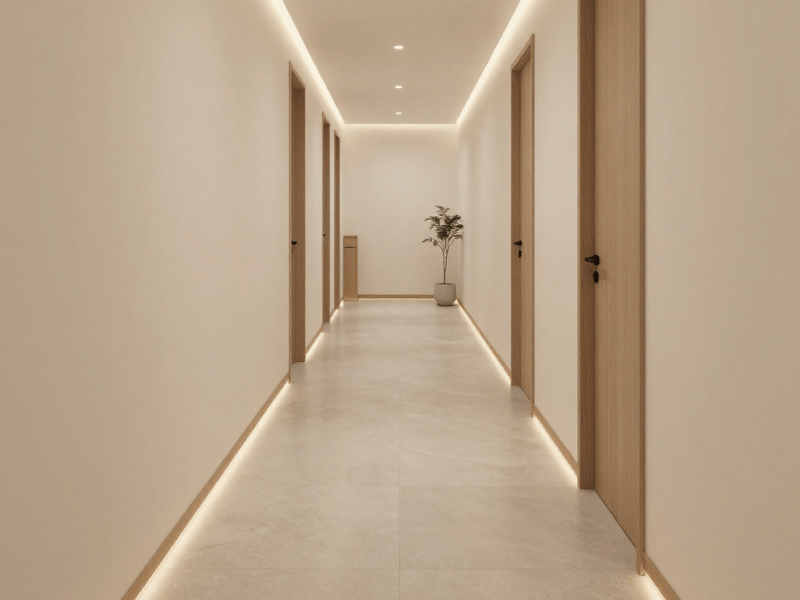
If you want a quick DIY win, go for your hallway lighting first. They’re transition spaces, so they’re typically only used for short periods as you move between rooms. This makes them perfect for motion sensor ceiling lights or PIR wall lights.
Step into the hallway and the lights come on. Step out, and the lights switch off again after a set period.
Just get ready for people asking you, “When was the last time you thought, ‘Did I leave my hallway light on?’”
If you intend this for nighttime trips, consider lower-level automatic night lighting so you don't burn your retinas as you pass by the hallway half-asleep.
Staircases
Another excellent candidate for automation. This is especially useful if you have children, the elderly, or anyone who regularly makes midnight trips downstairs.
Motion sensor stair lights can illuminate the steps as you approach, providing a safe journey up or down. If you’re looking for a softer glow, LED strips beneath a handrail can provide that.
You might also want to check out Stair Light Kits. These are pre-configured kits designed especially for staircases, simplifying installation while providing a more consistent finish.

Kitchens
There are several ways you can add automatic lighting to your kitchen.
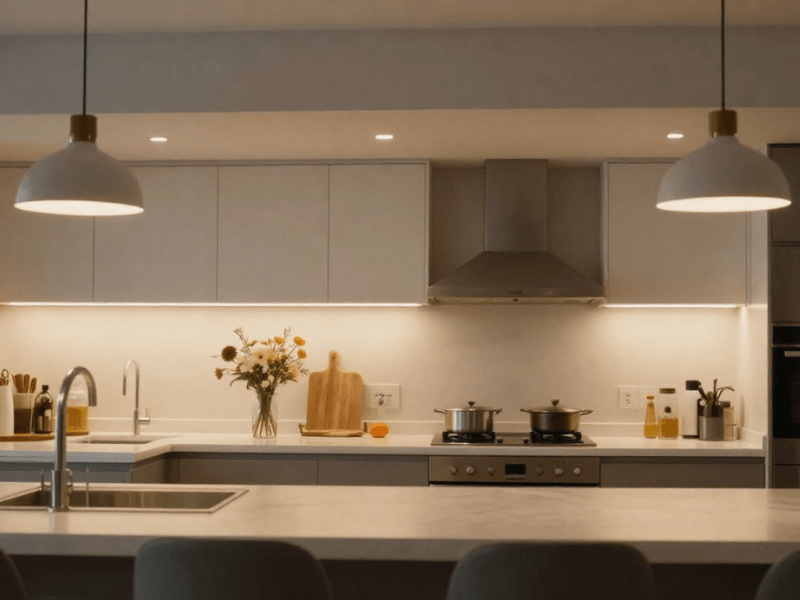
The most popular one is under cabinet lighting, providing focused illumination over worktops. This is perfect for food preparation, especially since ceiling lights tend to cast shadows over this area.
Door-activated lights are also ideal for cabinets and pantries. Open the door, and the light comes on automatically.
You can also add motion sensors to your plinth lights for a subtle, decorative layer. But this is also great for late-night visits when you do not want to switch on all the bright ceiling lights.
Key tip: Combine task lighting with automatic controls for a more seamless kitchen experience.
Bedrooms
Bedside motion sensor lights are ideal for getting gentle illumination when you get up during the night.
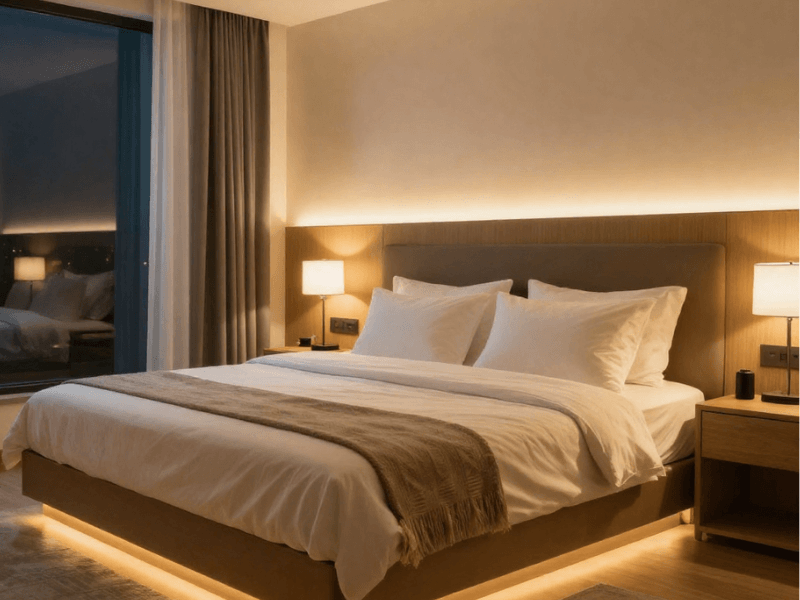
But if you really want something modern, under-bed LED strips are another popular option. This creates a low-level glow that helps you navigate the room while making the bed look like it’s floating.
Talk about futuristic!
Also add some wardrobe lighting with a door sensor to complete the whole bedroom lighting experience.
Bathrooms
For hands-free lighting, you can install sensor ceiling lights in your bathroom, so they switch on automatically when you enter. Also, no need to touch the light switch when your hands are wet.
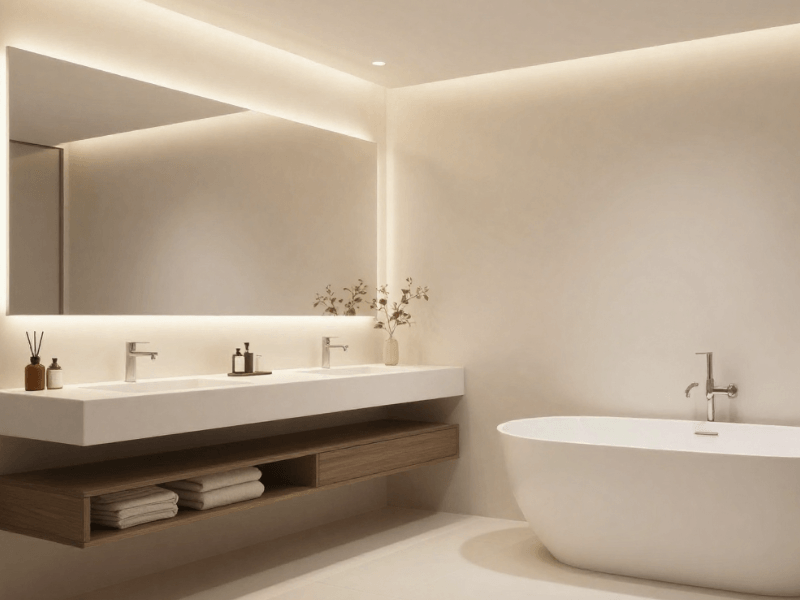
Mirror lighting is another bathroom upgrade you should not sleep on. They’re perfect for grooming, skin care, and applying makeup, eliminating shadows cast by overhead lights.
When possible, choose fittings with adjustable brightness. Nighttime visits will be a different experience when you’re not constantly getting blinded by your bathroom lights.
Always consider the appropriate IP rating when selecting lighting for areas exposed to moisture. You need at least an IP44, IP65, or IP67 rating, depending on which zone you’re installing the light in.
Garages and Utility Rooms
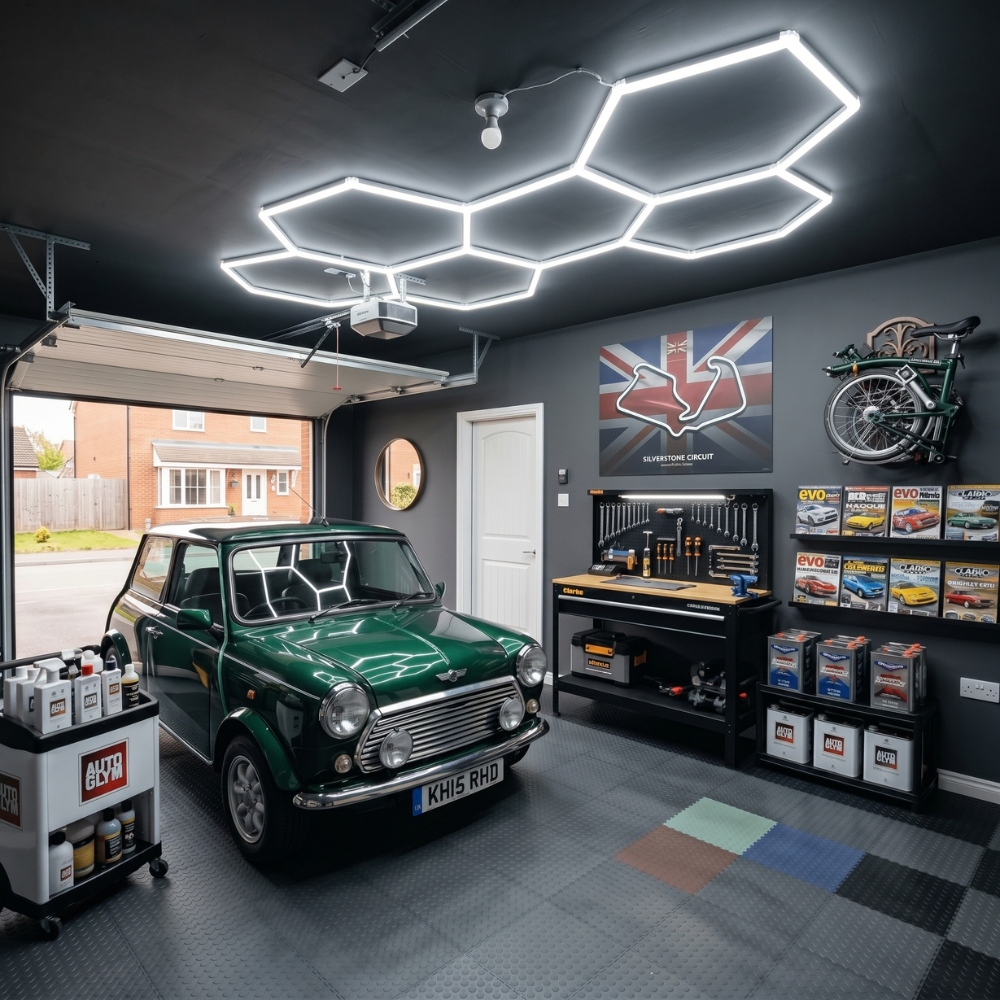
Garages are another area where you’re either carrying tools and shopping bags or just going in for a quick trip to get a screwdriver or leave another box of random things you “probably might need in the future.”
In other words, perfect for automatic lighting.
Motion sensor bulkhead lights and ceiling fittings are a good choice, switching on as soon as movement is detected.
There are also shelves and large equipment that can block ceiling lights, so automatic cabinet lights are a good addition.
Lighting here needs to be practical first, decorative later. So, prioritise good coverage, reliable sensors, and suitable IP ratings.
Outdoor Spaces
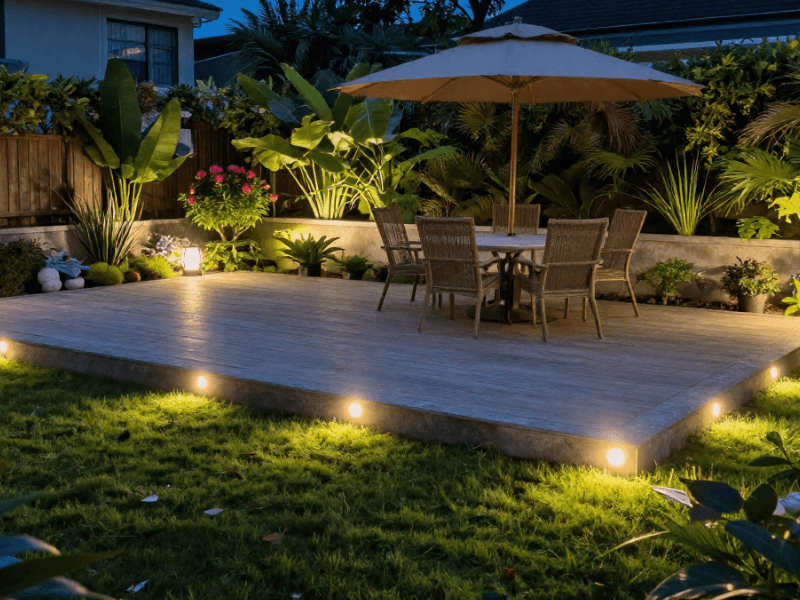
Consider PIR lighting around driveways, front doors, side paths, gardens, and sheds.
A popular choice for outdoor lighting is sensor floodlights, providing a strong burst of illumination. Layer that with smaller wall or pathway lights for the complete look.
Since outdoor conditions can be harsh, regular indoor fittings are not advisable here. Always choose ones with the proper IP rating (at least IP65).
DIY Automatic Lighting Project Planner

The Best DIY-Friendly Automatic Lighting Products
LED Strip Lights
If “Jack of all trades” was a light fitting, it would be this.
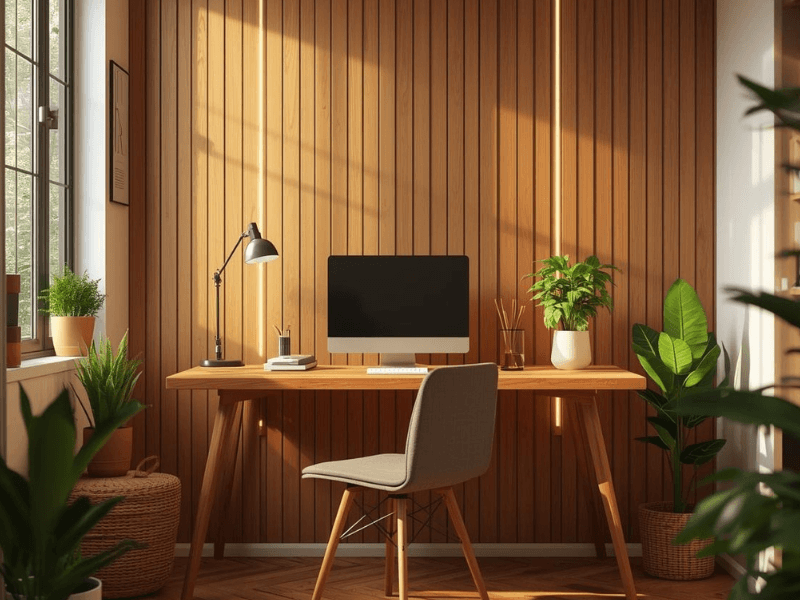
They can be used underneath kitchen cabinets, beneath handrails, around shelving, inside media walls and underneath furniture… virtually anywhere.
Add a compatible sensor, and they instantly become part of an automatic lighting system.
They’re best tucked away behind furniture, shelves, light rail mouldings, and LED aluminium profiles for a clean, discreet aesthetic.
Motion Sensor Ceiling Lights
When the light needs to cover a larger area, ceiling lights are your go-to. Paired with sensors, you can have convenient lighting in your hallway, bathroom, utility room, and garage.
Depending on where you’re installing the lights, each location might need a different detection range and time delay, so adjustable sensor settings are always a plus.
Sensor Floodlights
These are hard to beat when you need strong illumination for outdoor spaces.
Install them in driveways, entrances, and gardens. Make sure the floodlight has the right IP rating to withstand the harsh outdoor environment.
Cabinet Lights
This is one of the easiest automatic lighting upgrades. If you don’t have any kind of cabinet light yet, you’re totally missing out.
They're small, discreet and surprisingly useful. Many are battery-powered, meaning you can add them without running new cables.
Use automatic cupboard lights inside kitchen cabinets, wardrobes, and pantries.
Stair Light Kits
Working on a DIY stair lighting project from scratch is no easy feat. There are a lot of things to consider, and many components to make sure work well with each other.
Dedicated stair light kits make the complicated easy. You get everything you need for the installation, and you’re sure the components all work well together.
Many stair light kits come with motion sensors for hands-free, automatic lighting that just makes sense for any staircase, residential or otherwise.
Smart Lighting vs Sensor Lighting: Which Is Better for DIY Homes?
The simple answer: it depends on how much control you actually need.
Motion Sensor Lighting
This is the simplest option.
It operates automatically, doesn't require you to reach for your phone and is often more affordable than a complete smart system.
For hallways, stairs, garages, and bathrooms, this can be all you need.
Smart Lighting
This option gives you much more control.
You can control your lights through an app, remote control, or voice assistants (Alexa, Google Home, etc.).
You can create schedules, set timers, and some even sync with your music.
But maybe the best feature is being able to set scenes, so you can change or adjust your lights to your preferred settings with just one tap or voice command.
If you’re more into customising your lights, smart lighting is a good choice.
Can You Combine Both?
Absolutely!
Sensor lighting and smart controls can complement each other.
For example:
You might use motion detection for a hallway while keeping smart control for decorative living room lighting. Or combine sensors with smart systems to create automatic routines.
But does that mean you should have a combination? Not always. If a simple PIR sensor solves your lighting needs, then adding a more complicated technology might just be overkill.
How to Plan an Automatic Lighting Upgrade
You know what they say: Planning goes a long way. Kind of cliché, but it really does, especially in lighting.
Identify High-Traffic Areas
What areas do you and other people use frequently, especially when your hands are full? Identify those.
It could be hallways, stairs, kitchens, wardrobes, and garages. These are usually good starting points.
Choose the Right Lighting Type
What do you need the light to accomplish?
Do you need it bright for task lighting? Soft for guidance lighting? For security? Ambient lighting?
The answer determines whether you need an LED strip, ceiling fitting, cabinet light, or floodlight.
Select the Correct Colour Temperature
This shapes the mood and atmosphere of a room.
-
Warm white lighting is generally well suited to bedrooms, living spaces, and decorative applications. Effect: relaxing and inviting.
-
Natural or cooler white light can work well in kitchens, garages, and task-focused areas. Effect: crisp and energising.
Pro tip: Don’t mix colour temperatures. The general rule is to use the same tone that the surrounding areas already use.
Decide Between Battery, Plug-In, or Wired Options
Battery-powered lights are usually the easiest DIY option, particularly for cupboards, wardrobes, and rented properties.
Plug-in lighting is useful where a nearby socket is available to where you’re installing the light.
Wired lighting provides a cleaner permanent installation but may require professional installation. (Not really a DIY option.)
Consider Future Expansion
Always give room for future upgrades. You might not know it yet, but you could be adding a new fitting or extending your LED strip lighting in a few months.
Just remember that you don’t need to automate your entire home in one go. Start with one or two useful projects, then expand over time.

Common DIY Lighting Mistakes to Avoid
Some lighting installations could have been perfect if not for one or two (or more) mistakes made.
1. Choosing lights that are too bright: Maximum brightness should never be a goal in any lighting project. Automatic lights are often used for short periods, so you don't necessarily need maximum brightness.
2. Ignoring IP ratings: Don’t just install fittings haphazardly because “they’ll look good in the garden”. Outdoor and moisture-prone areas require appropriately rated fittings.
3. Poor sensor positioning: A sensor facing the wrong direction may fail to detect movement properly or be triggered by movements that don’t matter.
4. Incorrect timer settings: A hallway light that stays on for 30 minutes defeats the energy-saving benefit of automatic lighting. Adjust the delay according to how long the space is normally occupied.
5. Mixing colour temperatures: This can make your lighting unbalanced. Keep lighting visually consistent.
6. Poor cable management: Visible, loose cables can quickly make an otherwise smart-looking installation look cheap. Use suitable clips, profiles, and cable management solutions.
7. Installing too few fittings: Don't assume one light will automatically illuminate everything. Consider shadows, corners, and the size of the area before deciding how many fittings you need.
How Automatic Lighting Saves Energy
You know how lights with manual switches tend to get forgotten and remain switched on for hours until someone notices? Yes, motion sensor lights prevent that. And that’s basically how they help save energy (which also means saved money, by the way).
Sure, LED lights consume significantly less energy than traditional incandescent or halogen lights. And one instance of a forgotten light might not mean much, but over time it compounds.
Combine all the wasted energy over months or years, and it becomes non-negligible.
Automatic lighting also doesn’t just save on energy consumption; it can also reduce the operating hours of your LEDs. Shorter operating times can mean less wear and a longer useful life.
Fewer ladder trips for maintenance and/or replacement? Sign me up!
DIY Automatic Lighting Ideas for Different Home Styles
Flats and Apartments
Flats and rented homes usually have strict rules against modifying or altering interiors, so battery-powered lighting is particularly useful.
Use automatic lighting in cabinet lights, wardrobe lighting, and LED strips without requiring permanent wiring.
There are many compact options that are ideal for tight spaces.
Modern Homes
Modern homes are natural territory for smart lighting, LED strips, and other concealed illumination.
Popular options include adding LED strips beneath cabinets, stairs, shelving, and furniture to create layered lighting that enhances the atmosphere of the space. Add smart controls for additional features.
Traditional Homes
Yes, even old homes can be fitted with modern lighting without losing their character.
It all comes down to the light choice. Warm white LEDs are a good start. Just make sure sensors are installed discreetly to avoid breaking the classic appearance.
Family Homes
There are plenty of opportunities for automatic lighting here.
We’re talking motion sensor lights for stairs, corridors, wardrobes, and even bathrooms, all with their own set of benefits for the family.
The key is simplicity. And what’s simpler than a light that doesn’t require the whole family to remember if they left it on?

Upgrade Your Home with Automatic Lighting from Simple Lighting
I already said this above: You don’t need a complete lighting overhaul to add some upgrades to your lighting.
Start small. Add motion sensor lights to a hallway. Then install LED stair lighting to make the staircase safer. Add automatic cabinet lights to the kitchen.
The secret is doing it one at a time until you’re ready for the next upgrade.
After figuring out what lights to install and where to install them, the next step is knowing which trusted supplier to get them from.
At Simple Lighting, you can build your system around energy-efficient LED technology, with options including Stair Light Kits, LED strip lights, under cabinet lighting, ceiling fittings, and outdoor security lighting, and many more choices, from accessories to drivers and controllers.
Ready to upgrade? Check out our collection today!


0 comments