





Ground Lights
The best outdoor lights are those that combine style, safety, and performance in one lighting fixture. What’s even better is when they’re designed to be discreet, low-profile lights that aren't an eyesore during the day but level up the outdoor experience at night.
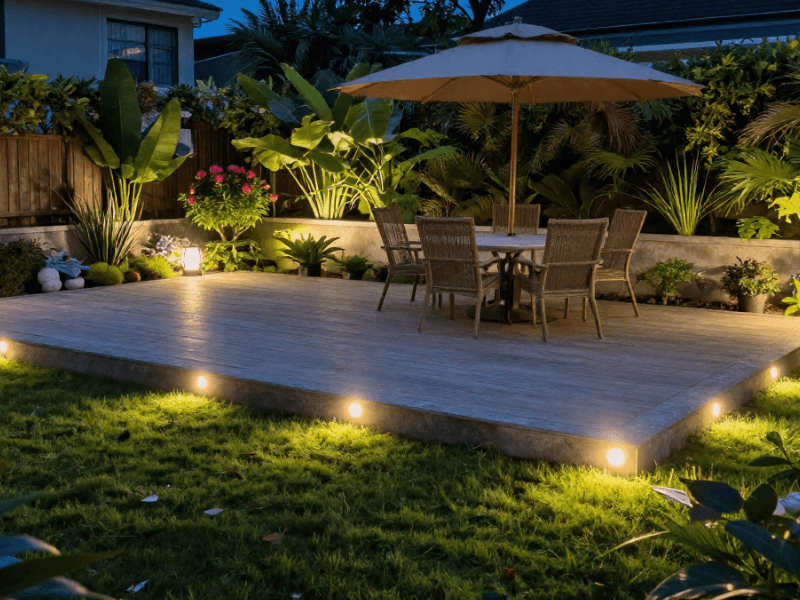
One such outdoor lighting fixture is Ground Lights. These sleek and functional fixtures help light up driveways, mark garden paths and add drama to a tree-lined border.
At Simple Lighting, we offer a carefully curated range of LED ground lights designed to withstand the elements and deliver exceptional lighting results for your gardens and outdoor spaces.
Filters
Sort Featured
-
 In Stock
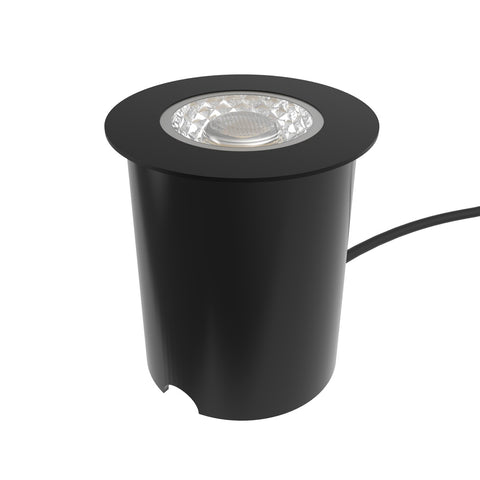
65mm Black LED Ground Light – 5W, 4000K Natural White, IP67, 30° Beam, 240V
£21.75INC VAT -
 In Stock
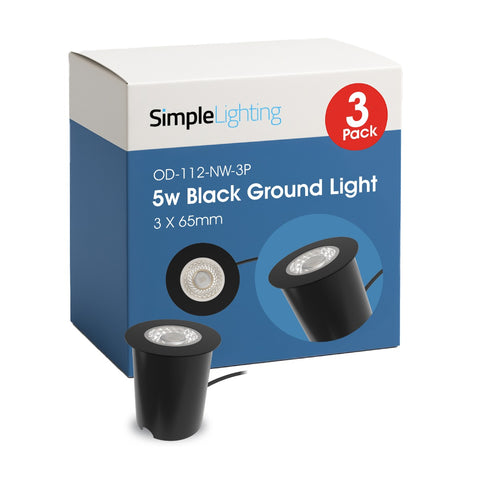
Pack of 3 Black 65mm LED Ground Lights – 5W, 4000K Natural White, IP67, 240V
£65.15INC VAT -
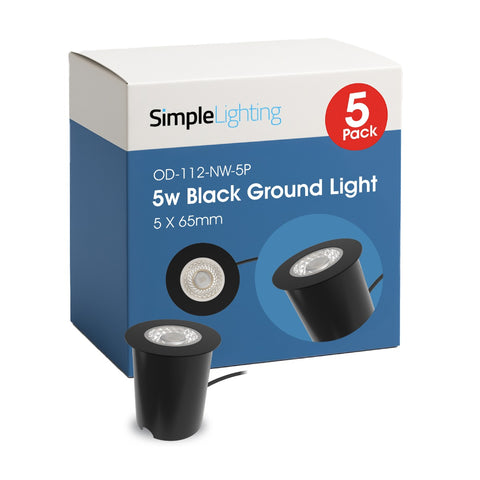 In Stock
Pack of 5 Black 65mm LED Ground Lights – 5W, 4000K Natural White, IP67, 30° Beam
£108.55INC VAT -
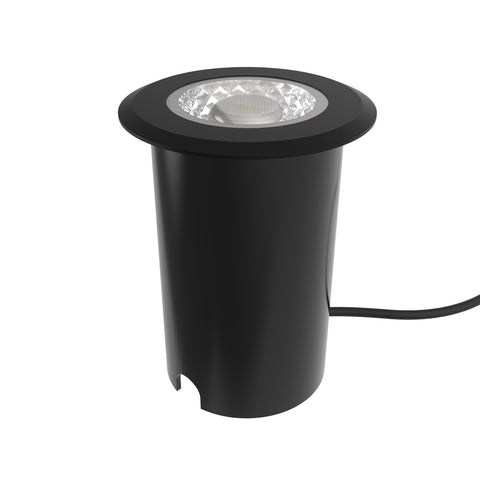 In Stock
78mm Black LED Ground Light – 10W, 4000K Natural White, IP67, 30° Beam, 240V
£24.99INC VAT -
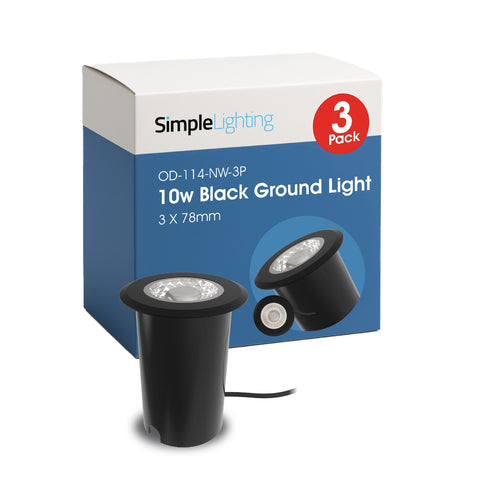 In Stock
Pack of 3 Black 78mm LED Ground Lights – 10W, 4000K Natural White, IP67, 240V
£74.95INC VAT -
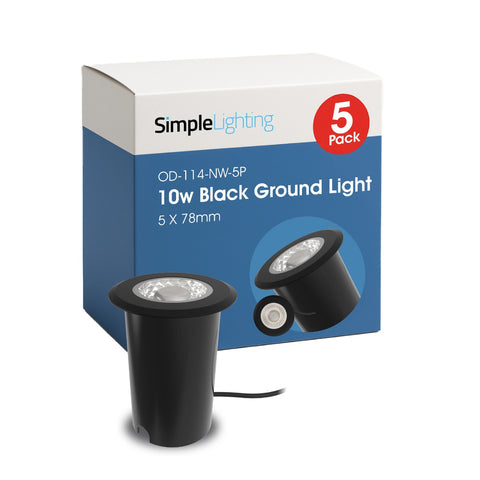 In Stock
Pack of 5 Black 78mm LED Ground Lights – 10W, 4000K Natural White, IP67, 240V
£124.89INC VAT
Frequently Asked Questions
How deep do ground lights need to be installed?
Most ground lights require a depth of 100-150mm for proper installation, depending on the fixture size and cable requirements. The exact depth will depend on your specific model and whether you're installing in soil, concrete, or decking. Always check the manufacturer's specifications and ensure adequate drainage around the fixture to prevent water pooling.
Can ground lights be driven over by cars?
Many ground lights are designed to withstand vehicle weight, but this depends on the specific model's load rating. Look for fixtures rated for vehicular traffic if you're installing them in driveways or parking areas. Our heavy-duty ground lights are built to handle the weight of cars and regular foot traffic whilst maintaining their weatherproof seal.
What IP rating do I need for ground lights?
Ground lights should have a minimum IP rating of IP65, though IP67 or IP68 is preferable for complete protection against water ingress. Since these fixtures are installed at ground level and exposed to rain, snow, and potential flooding, a higher IP rating ensures long-term reliability. All our ground lights feature IP67 rating for superior weather protection.
Do LED ground lights get hot enough to melt snow or ice?
LED ground lights produce minimal heat compared to traditional bulbs, so they won't generate enough warmth to melt snow or ice effectively. However, this low heat output is actually beneficial as it reduces energy consumption and prevents damage to surrounding materials. If snow coverage is a concern, you may need to clear the fixtures manually for optimal light output.
How do you clean and maintain ground lights?
Ground lights require minimal maintenance thanks to LED technology, but periodic cleaning helps maintain optimal performance. Simply wipe the lens with a damp cloth to remove dirt, leaves, or debris that may accumulate. Check the fixtures seasonally to ensure they remain properly sealed and clear any vegetation growth around the edges.
What's the difference between 30° and 60° beam angles for ground lights?
A 30° beam angle provides focused, directional lighting ideal for uplighting trees, walls, or architectural features, whilst a 60° beam angle offers wider coverage perfect for general path illumination or area lighting. Narrow beam angles create dramatic accent lighting, whereas wider beams provide more functional, ambient illumination for walkways and patios.
Can ground lights be installed in existing paving or do you need to relay it?
Ground lights can often be retrofitted into existing paving, though it requires careful cutting and may need professional installation to ensure proper sealing and drainage. The process involves cutting precise holes in your existing surface and running electrical cables to each fixture location. For the best results and to avoid damage to your paving, consider hiring a qualified electrician.
Are ground lights suitable for sloped driveways and paths?
Yes, ground lights work well on sloped surfaces and can actually enhance safety by clearly marking elevation changes and path edges. When installing on slopes, ensure proper drainage around each fixture to prevent water pooling, and consider spacing them closer together for consistent illumination. The low-profile design makes them ideal for marking the boundaries of sloped driveways and stepped pathways.