GU10 Downlights
Shop GU10 downlight fittings for replaceable LED bulbs. Choose fixed or tilt designs, compare finishes and ceiling dimensions, and check the fire and IP suitability for your installation.
What are GU10 Downlights?
GU10 downlights are ceiling light fittings with a twist-lock GU10 lamp holder. The fitting and bulb are separate components: some listings include a bulb, while others are fitting-only. Check the selected option before ordering.
Filters
Sort Featured
-
 In Stock
Recessed GU10 Spot Light Chrome, Brushed Chrome or White Finish
£2.09INC VAT -
 In Stock
Recessed GU10 Tilt Downlight in Chrome
£3.59INC VAT -
 In Stock
Recessed GU10 Pressed Steel Tilt Downlight in Satin Chrome
£3.59INC VAT -
 Sold Out
Recessed GU10 Tilt Downlight in White
£3.59INC VAT -
 In Stock
Fire Rated Downlight, GU10, Brushed Chrome/Satin Nickel With Quick Connectors
£5.25INC VAT -
 In Stock
Fire Rated Downlight, GU10, Fixed - Polished Chrome Bezel, With Quick Connectors
£5.25INC VAT -
 In Stock
Fire Rated Downlight, GU10, Fixed - White Finish, With Quick Connectors
£5.05INC VAT -
 In Stock
Fire Rated LED Downlight, GU10, Fixed - White, Brushed Chrome or Chrome, Incl Quick Connectors
£5.05INC VAT -
 In Stock
Fire Rated, LED, GU10, Dimmable Downlight, Fixed - Various Finishes, Incl Quick Connectors
£5.05INC VAT -
 Sold Out
Matt Black Fire Rated GU10 Downlight, With Quick Connectors
£5.25INC VAT -
 Sold Out
GU10 Downlight, Fixed, Die Cast In A Chrome Finish
£3.19INC VAT -
 Sold Out
Fire Rated Downlight, GU10, Fixed - Brass Finish
£6.89INC VAT -
 In Stock
Tilt, Fire Rated Downlight, GU10, Brass Finish
£7.35INC VAT -
 Sold Out
Tilt, Fire Rated Downlight, GU10 - White Finish
£6.29INC VAT -
 In Stock
Tilt Fire Rated Downlight GU10 - Chrome Finish
£6.29INC VAT -
 In Stock
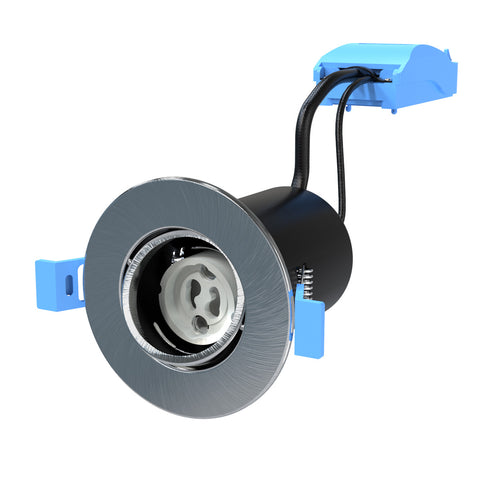
Tilt Fire Rated Downlight GU10 - Brushed Chrome Finish
£6.29INC VAT -
In Stock
Tilt, Fire Rated LED Downlight, GU10 - Various Finishes - White, Brushed Chrome or Chrome
£6.29INC VAT -
In Stock
Dimmable, Fire Rated, Adjustable GU10 Downlight in Brushed Chrome, White or Chrome
£6.29INC VAT -
 In Stock
GU10 Downlight, Tilt, Die-Cast In Satin Chrome
£6.35INC VAT -
 In Stock
Chrome Fire Rated GU10 Downlight, Open Can Design
£6.29 Was £7.15INC VAT -
 In Stock
Die-Cast Fire Rated Downlight, Twist and Lock, GU10, Fixed - White Finish
£6.05INC VAT -
 In Stock
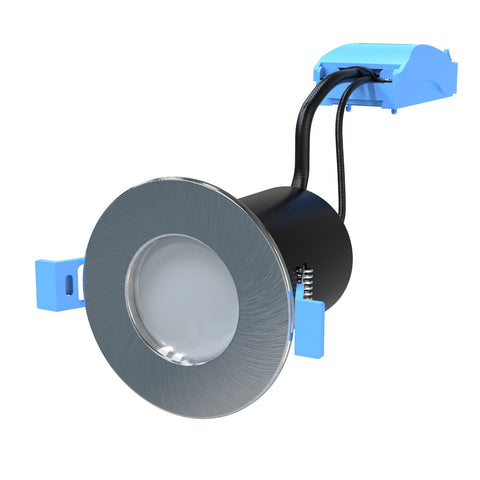
GU10 Fire Rated Downlight, Fixed Brushed Chrome/Satin Nickel
£6.29 Was £7.15INC VAT -
 In Stock
Die-Cast, Fire Rated LED Downlight, GU10, Fixed, Twist and Lock - White, Brushed Chrome or Chrome
£4.19INC VAT -
 In Stock
Die-Cast, Fire Rated LED Downlight, GU10, Dimmable, Twist and Lock. Choice of colours.
£4.19INC VAT


Frequently Asked Questions
What is the difference between GU10 downlights and integrated LED downlights?
GU10 downlights hold separate replaceable lamps. Integrated models have a built-in LED source, and replacement options vary: some have serviceable drivers or modules, while others require a replacement unit. Compare the exact products, including total cost and dimming compatibility.
Do I need fire-rated GU10 downlights for my ceiling?
Your electrician should confirm whether the ceiling requires fire resistance and choose a fitting tested for that ceiling construction and required duration. Fire ratings are product- and installation-specific; a headline rating does not establish suitability for every ceiling.
What's the difference between fixed and tilt GU10 downlights?
Fixed fittings direct light in a set position. Tilt fittings allow adjustment within their stated range. Choose according to the area you want to illuminate, and check the bulb beam angle as well as the fitting movement.
Can I install GU10 downlights in my bathroom?
Yes, with a complete fitting suitable for the exact bathroom location and installed as instructed. Ask your electrician to confirm the protection required. Do not assume every GU10 fitting is suitable for bathrooms or that an IP-rated lamp upgrades its housing.
How many GU10 downlights do I need for my room?
The number depends on room size, ceiling height, light output, beam angle, layout and other lighting. Plan coverage and task areas rather than using a fixed lights-per-square-metre rule.
What beam angle should I choose for GU10 downlights?
Narrower beams concentrate light on smaller areas; wider beams spread it out. Choose using the lamp specification, mounting height and intended coverage. A fixed angle is not the best choice for every room.
Are GU10 downlights suitable for kitchen lighting?
Yes, suitable GU10 fittings can provide kitchen general or task lighting. Plan around worktops and wall cabinets to reduce shadows, and check location suitability, light output and dimmer compatibility.