
Workshop Lighting
Workshop lighting needs to be bright enough for detail work and even enough to eliminate shadows across your bench and tools. Whether you are woodworking, building electronics, or working on craft projects, good visibility reduces mistakes and makes the space safer to work in.
LED batten lights are the simplest way to light a full workshop - they mount directly to the ceiling and deliver high lumen output across a wide area. For bench-level task lighting, LED strip lights or a dedicated work light positioned at the front edge of the workbench puts light exactly where your hands are, without overhead shadows getting in the way.
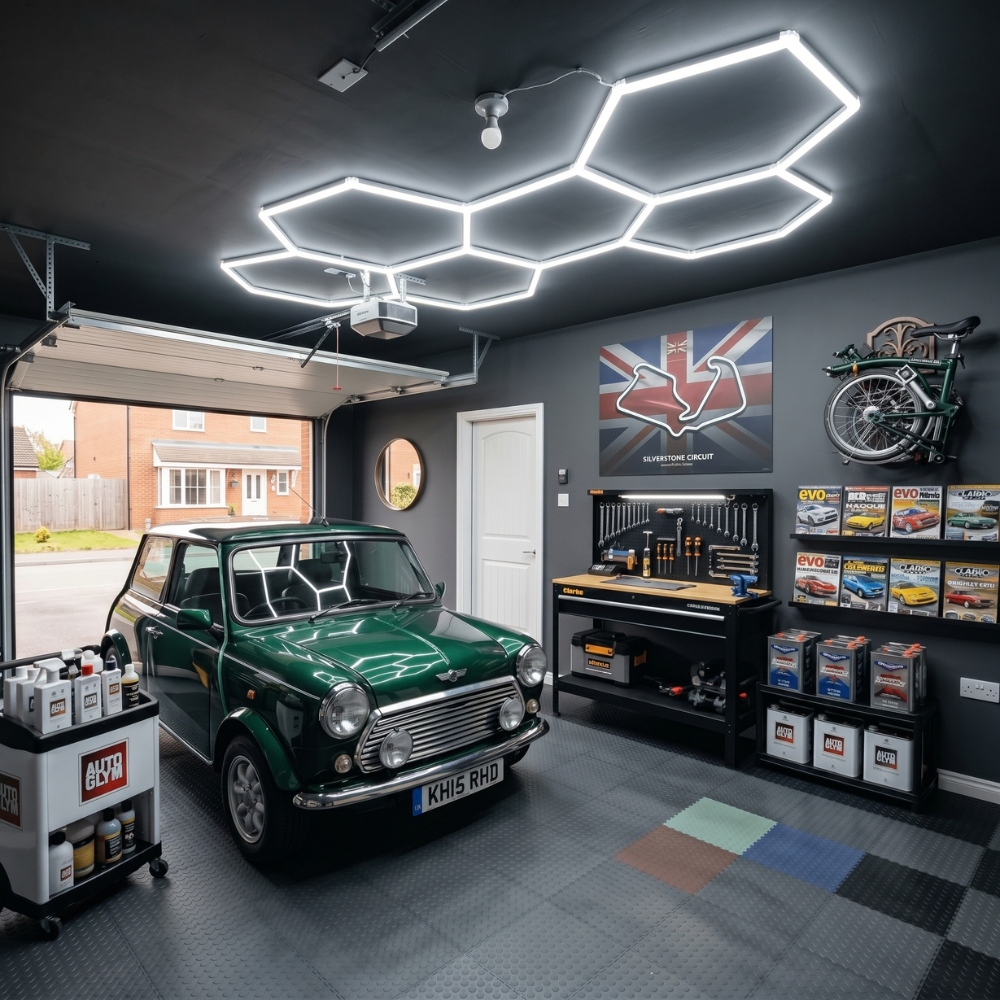
We stock a full range of workshop lighting, from LED batten lights and LED panels to strip lights, linear lights, and hexagon LED light kits. Browse by product type below to find the right fittings for your workshop. For larger spaces used for vehicle storage or parking, see our garage lighting range.

Workshop Lighting Built for Detail Work"
From LED batten lights for full-room coverage to strip lights and linear lights for focused bench lighting, we have everything you need to light your workshop properly.
Popular Workshop Lighting Choices
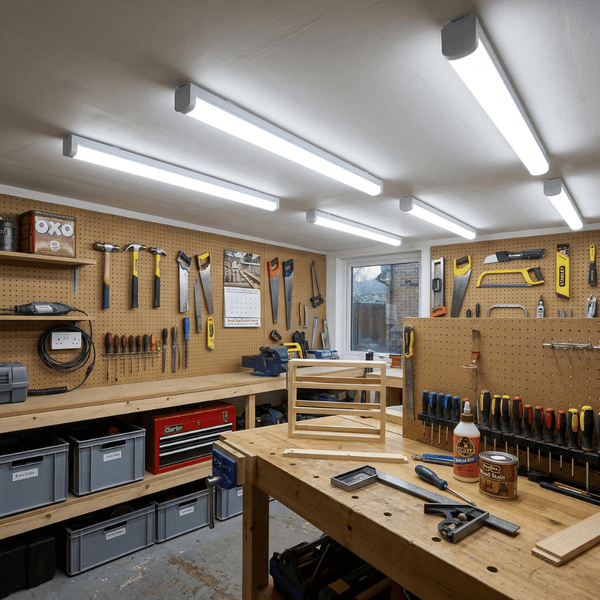
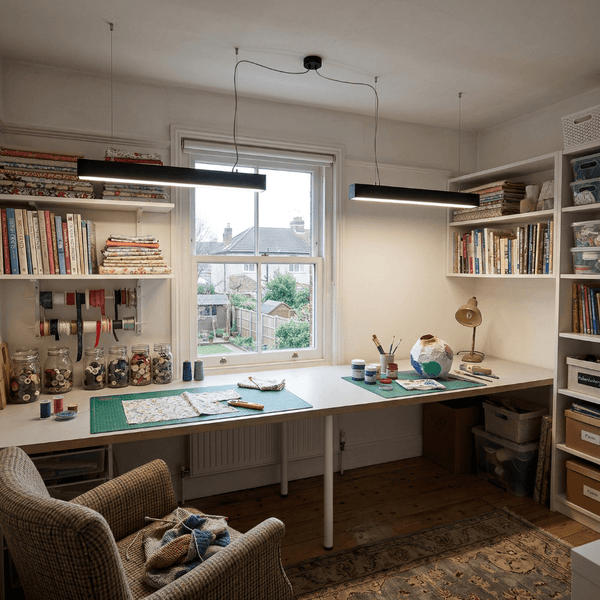
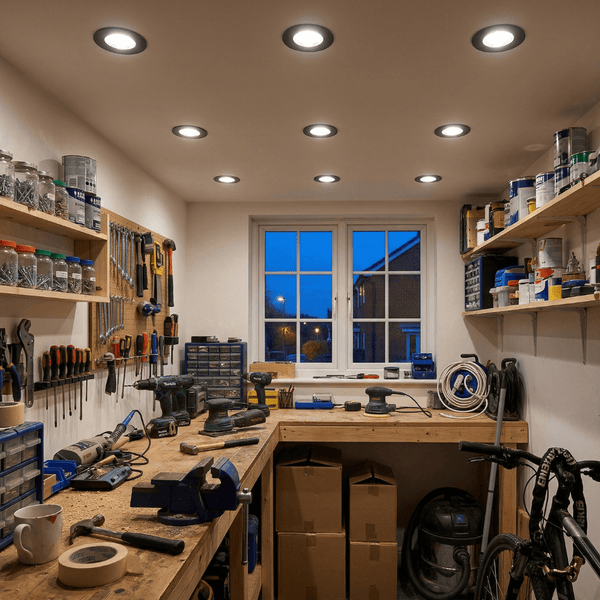
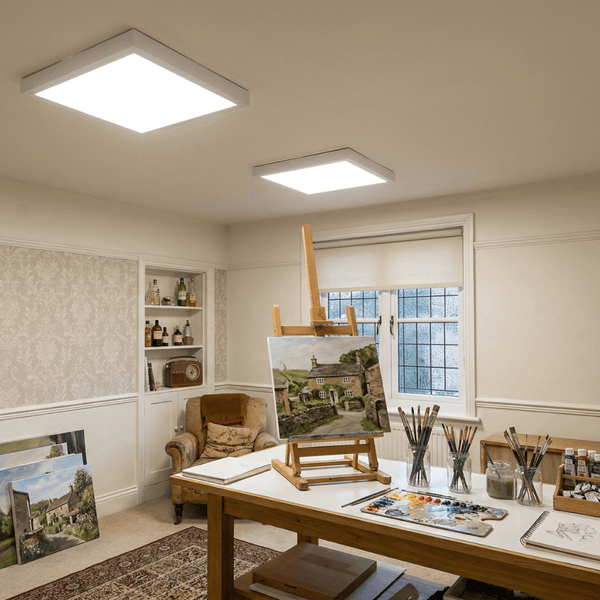
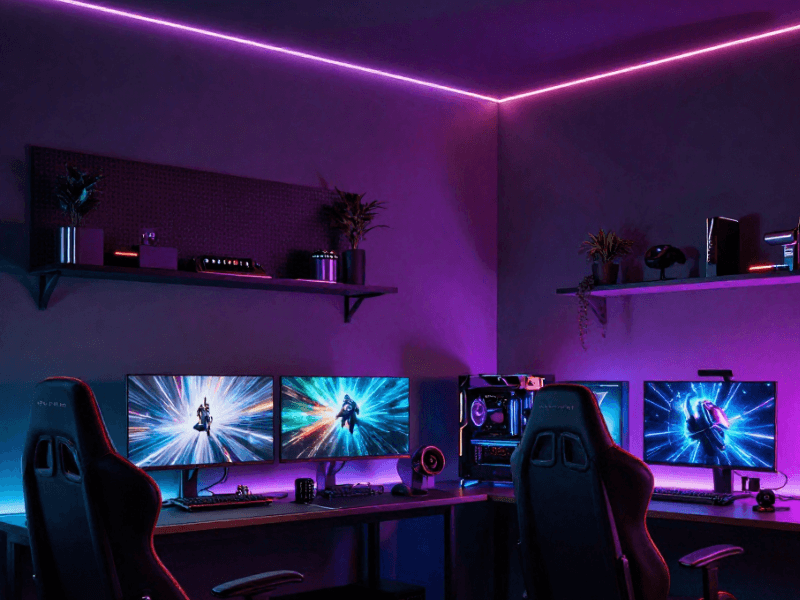
Typical Workshop Lights


Popular Workshop Lighting Options
From tough LED bulkheads for exposed environments to LED sky panels for windowless workshops and LED strip lights for focused bench lighting, these are the most popular products for workshop lighting.
Tough, sealed, and low maintenance.
LED Bulkheads
Shop Now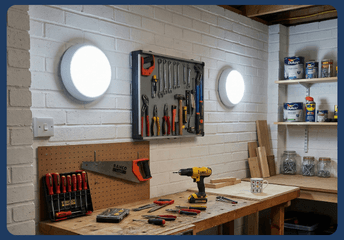
Simulated daylight. No windows needed.
LED Sky Panels
Shop Now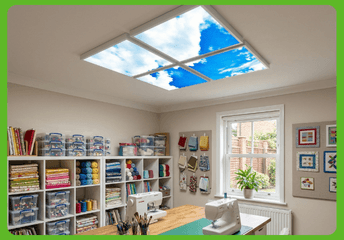
Flexible task lighting for any bench.
LED Strip Lights
Shop Now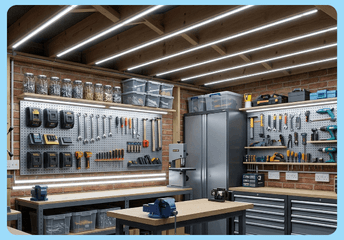
Choosing the Right Workshop Lighting
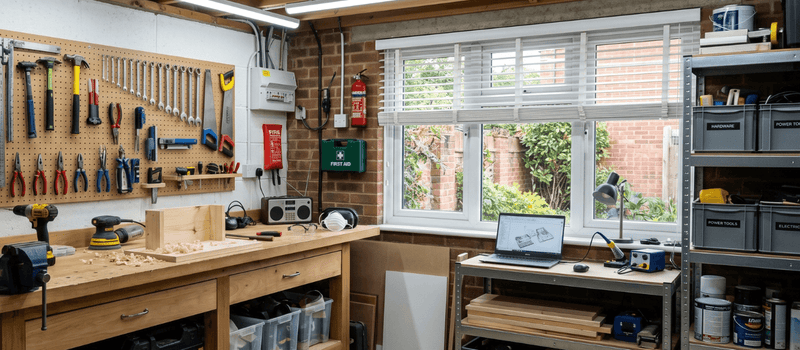
How you light a workshop depends on what you use it for. General woodworking and larger projects need even overhead coverage so you can see across the full space without dark corners.
LED batten lights are the simplest answer here - mount two or three lengthways across the ceiling and the job is done.For detail work - soldering, model making, electronics, fine woodworking - overhead lighting alone is not enough.
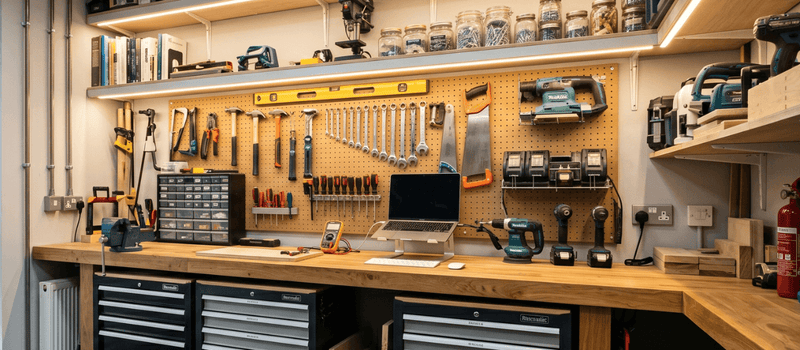
You need a second layer of task lighting at bench height. LED strip lights mounted under a shelf or along the front edge of a wall-mounted cabinet put light directly onto the work surface and eliminate the shadows your body casts from ceiling fittings above.
Colour temperature matters more in a workshop than people expect. For detail work where colour accuracy counts, 5000K-6500K daylight white gives the sharpest contrast and truest colours. For general use where you just need the space well lit, 4000K natural white is a good all-rounder.
If your workshop has no windows, LED sky panels make a genuine difference. They simulate natural daylight and take the edge off that boxed-in feeling you get in a fully enclosed space. Worth considering if you spend long hours in there.
Why Buy Workshop Lighting from Simple Lighting
We have kitted out plenty of workshops ourselves - our own warehouse runs on the same LED battens and strip lights we sell, so we know first-hand what works in a practical working environment. Every product listing includes lumen output, beam angles, and mounting details so you can plan your layout properly before ordering.
Free delivery on every order, no minimum spend, and a UK-based team on hand if you need help working out what fits your space.
Frequently Asked Questions
What type of LED lighting is best for workshops?
LED batten lights and linear LED strips are ideal for workshops as they provide bright, even illumination across large areas. High-bay LED lights work well for workshops with tall ceilings, while task lighting such as LED spotlights can illuminate specific work areas. Look for LEDs with high lumen output and good colour rendering for detailed work.
How bright should workshop lighting be?
Workshop lighting should typically provide 500-1000 lux (50-100 foot-candles) for general tasks, with higher levels of 1000-2000 lux for detailed work like precision assembly or inspection. This usually translates to around 30-50 watts of LED lighting per square metre, depending on ceiling height and reflectivity of surfaces.
What colour temperature is best for workshop lighting?
Cool white LEDs between 4000K-6000K are generally best for workshops as they provide crisp, clear light that enhances visibility and reduces eye strain. This colour temperature also helps maintain alertness during long working periods and provides excellent colour rendering for accurate work.
Do I need waterproof lighting for my workshop?
It depends on your workshop environment. If you're working with water, chemicals, or in a damp garage, choose IP65-rated LED lights for protection against moisture and dust. For dry indoor workshops, IP20-IP44 rated lights are usually sufficient and more cost-effective.
Can I install workshop LED lights myself?
Many workshop LED lights can be installed as DIY projects, particularly plug-in options and battery-powered lights. However, hardwired installations that connect directly to mains electricity should be installed by a qualified electrician to ensure safety and compliance with UK electrical regulations. Always check the installation requirements before purchasing.
How do I reduce shadows and dark spots in my workshop?
Install multiple light sources at different angles rather than relying on a single overhead light. Combine general overhead lighting with task lighting positioned to eliminate shadows from your body and equipment. LED strip lights under shelves and cabinets can also help reduce dark spots in storage areas.
Are LED workshop lights energy efficient compared to fluorescent tubes?
Yes, LED workshop lights typically use 50-70% less energy than equivalent fluorescent tubes while providing the same or better light output. LEDs also last much longer (up to 50,000 hours vs 8,000-15,000 for fluorescents), switch on instantly, and don't flicker or hum like older fluorescent fittings.
What features should I look for in workshop lighting?
Look for high lumen output, good build quality with robust housings, easy installation methods, and appropriate IP ratings for your environment. Dimming capability, motion sensors, and linkable designs can add convenience. For detailed work, prioritise LEDs with high CRI (colour rendering index) above 80 for accurate colour representation.