

DMX Controllers
Take control of colour-changing LED installations with the right DMX controller for your project. Our range includes DMX decoders, wired and wireless DMX controllers, and control solutions for RGB, RGBW, tunable white and pixel LED lighting.
If you’re looking for reliable professional LED control products, this collection has everything you need, from compact wall controllers to DMX512-compatible control systems. They’re especially useful for commercial lighting, upgrades to existing installations, and building advanced smart home setups from scratch.
Every solution on this page is selected to help you achieve accurate, flexible lighting control with confidence.
Filters
Sort Most relevant
-
 In Stock
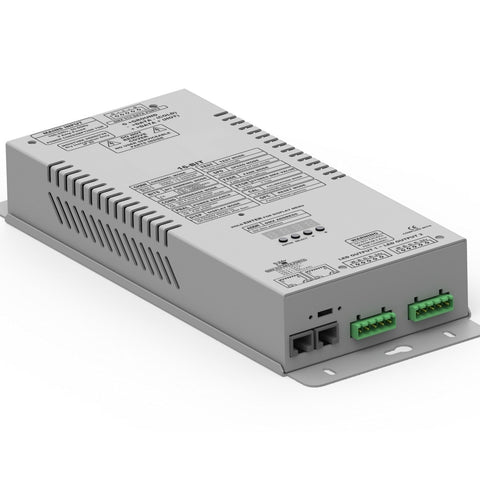
All In One RGB and RGBW DMX LED Driver - Run Upto 120 Metres of RGB LED Tape
£348.15INC VAT -
 In Stock
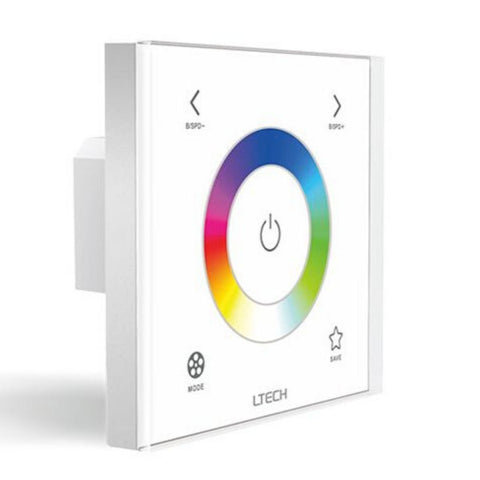
DMX LED RGB or RGBW Controller - 4 Zone - 220-240v
£158.35INC VAT -
 In Stock
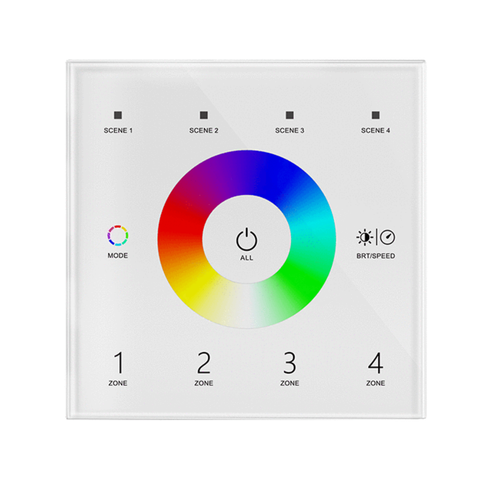
4 Zone DMX512 Touch Panel - RGB, RF Remote
£42.19 Was £49.99INC VAT -
 In Stock
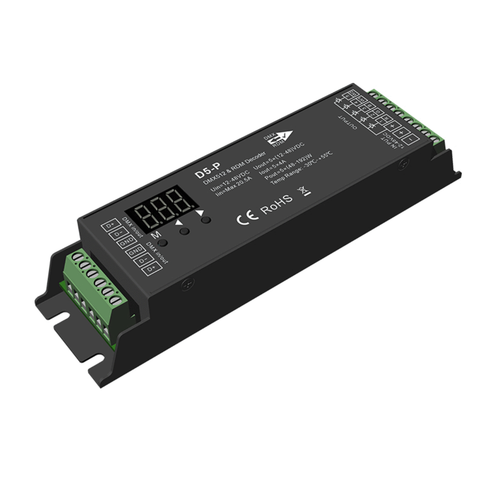
5 Channel DMX512 & RDM LED Decoder - RGB+CCT, Screw Terminal
£41.19 Was £49.99INC VAT -
 In Stock
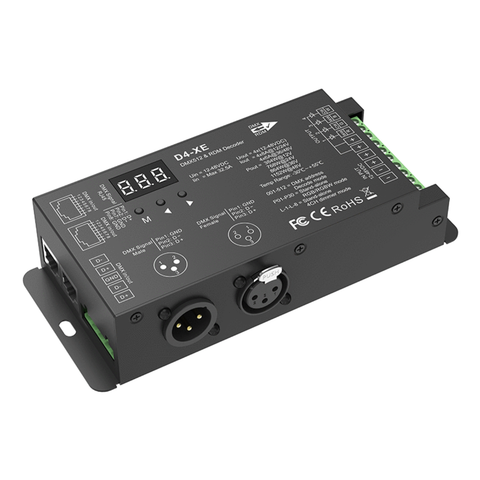
4 Channel DMX512 & RDM LED Decoder
£51.49 Was £59.99INC VAT -
 In Stock
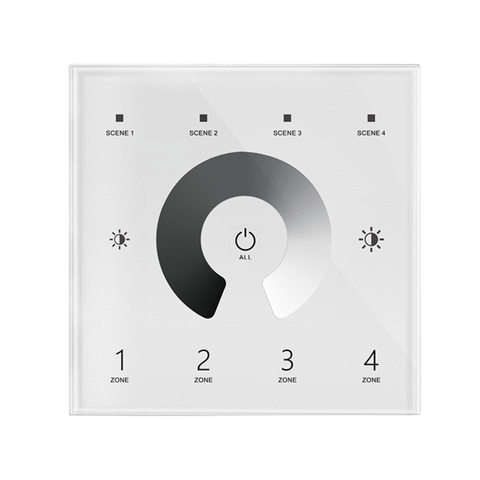
4 Zone DMX512 Touch Panel - Single Colour Dimming, RF Remote
£39.15 Was £44.99INC VAT -
 In Stock
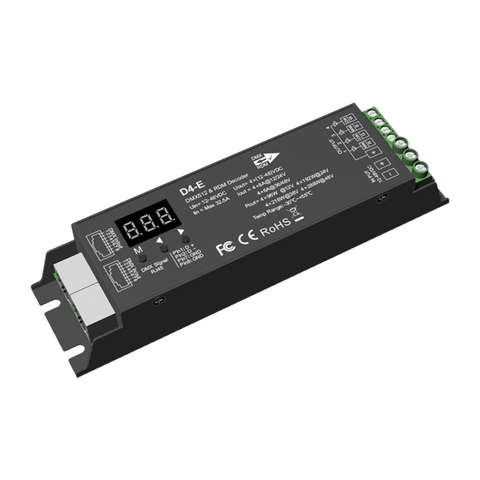
4 Channel DMX512 & RDM LED Decoder - RJ45 Ports, Constant Voltage
£38.09 Was £44.99INC VAT -
 In Stock
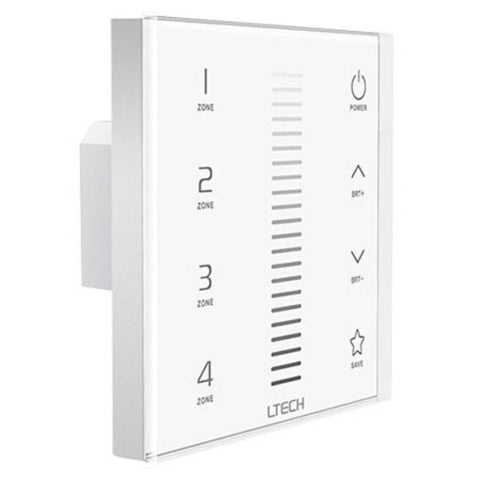
Multi Zone RF/DMX LED Dimmer
£88.69INC VAT -
 In Stock
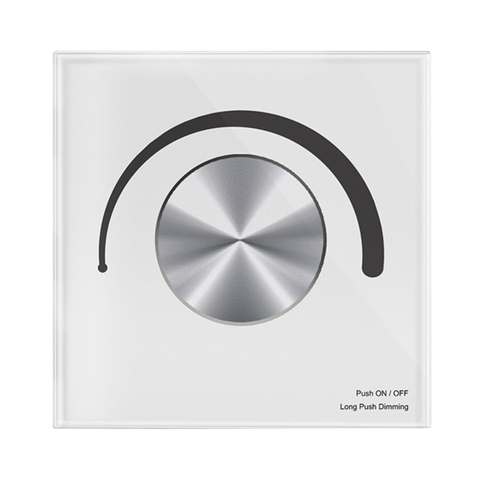
Rotary LED Dimmer Wall Panel - 1 Zone RF Control, 100-240V AC
£41.19 Was £45.25INC VAT -
 In Stock
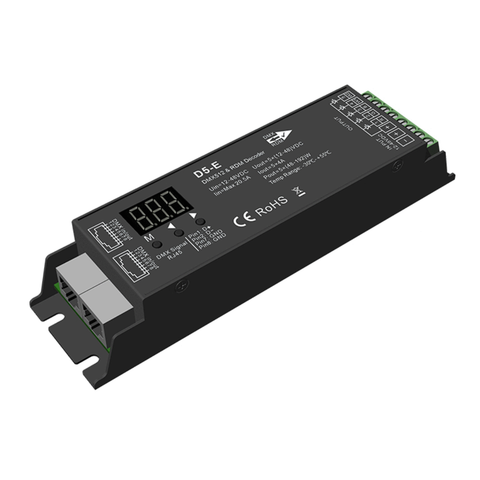
5 Channel DMX512 & RDM LED Decoder (RGB+CCT, RJ45)
£41.19 Was £49.99INC VAT -
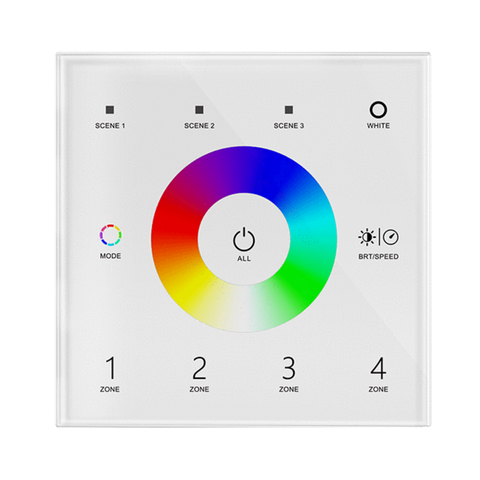 In Stock
4 Zone DMX512 Touch Panel - RGBW, RF Remote
£42.19 Was £49.99INC VAT -
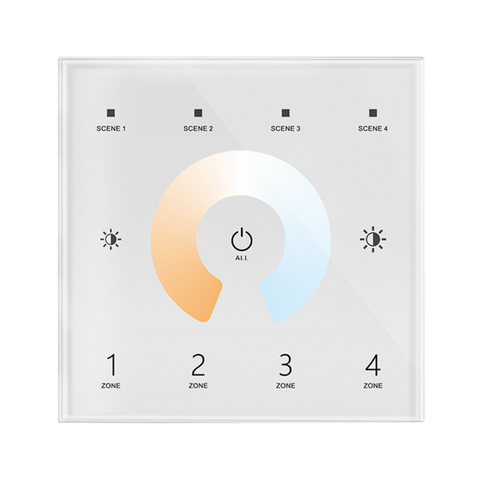 In Stock
4 Zone DMX512 Touch Panel - Colour Temperature, RF Remote
£41.19 Was £47.99INC VAT -
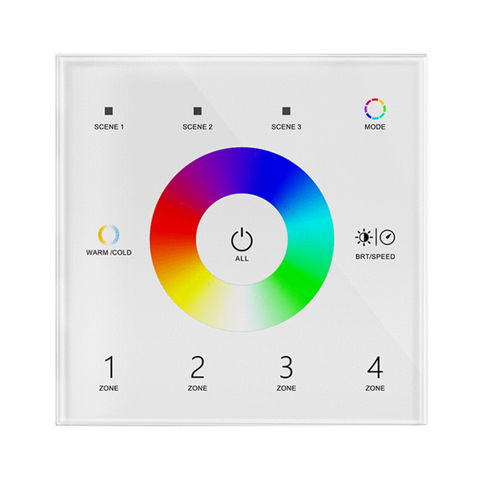 In Stock
4 Zone DMX512 Touch Panel - RGB+CCT, RF Remote
£42.19 Was £49.99INC VAT -
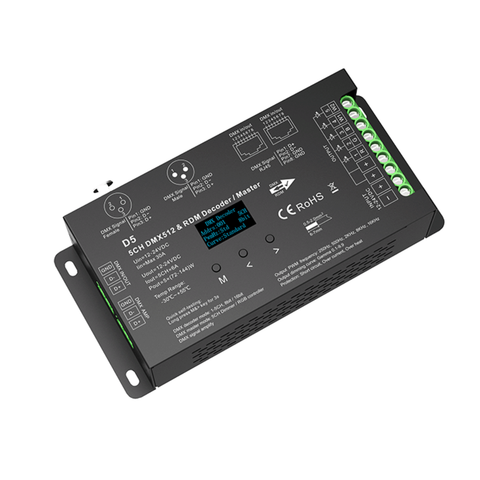 In Stock
5 Channel DMX512 & RDM Decoder & Master - OLED, XLR3
£92.69 Was £103.99INC VAT -
 In Stock
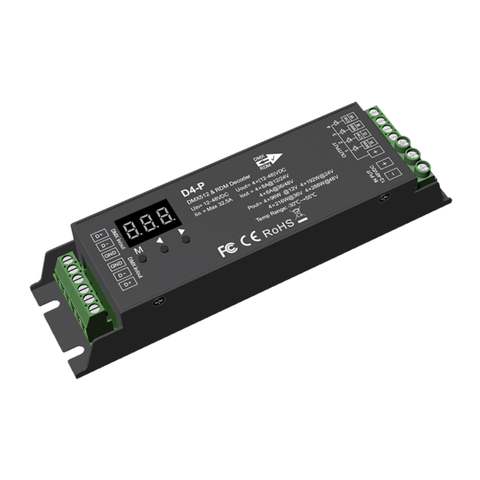
4 Channel DMX512 & RDM LED Decoder - Screw Terminal Ports
£38.09 Was £44.99INC VAT
Frequently Asked Questions
What is a DMX controller and what does it do?
A DMX controller sends digital signals to compatible LED lighting products, allowing you to control colour, brightness, colour temperature, and effects across multiple zones or channels. It communicates using the DMX512 protocol, which is the industry standard for professional lighting control. Whether you're managing a simple RGB installation or a complex multi-zone setup, a DMX controller gives you precise, reliable control over your lighting.
What is the difference between a DMX controller and a DMX decoder?
A DMX controller is the device that generates and sends the DMX signal, while a DMX decoder receives that signal and converts it into a low-voltage output to actually drive the LED lighting. In most setups, you need both working together. Think of the controller as the brain and the decoder as the component that puts the instructions into action.
Can I use a DMX controller with RGB, RGBW, and tunable white LED strips?
Yes, but you need to make sure you choose the right decoder to match your LED strip type. RGB strips need a 3-channel decoder, RGBW strips need a 4-channel decoder, and tunable white strips require a 2-channel decoder. At Simple Lighting, we stock decoders and controllers that cover all of these configurations, including combination RGB+CCT models for more versatile installations.
What is a wireless DMX controller and when should I use one?
A wireless DMX controller transmits the DMX signal without requiring a dedicated signal cable between the controller and the receiver. This makes it ideal for retrofit projects where running extra wiring is impractical, or for installations where a cleaner, cable-free setup is preferred. Wireless systems are just as capable as their wired counterparts and many also support app or tablet control.
What does DMX512 mean?
DMX512 stands for Digital Multiplex with 512 channels, and it is the global standard communication protocol used in professional lighting control. It allows a single controller to independently manage up to 512 channels of lighting data, making it suitable for everything from small architectural installs to large commercial venues. All of the DMX products in our range are DMX512-compatible.
What is a pixel or addressable DMX controller used for?
A pixel DMX controller is designed for individually addressable LED products, where each LED or pixel can be set to a different colour and effect independently. This opens up the ability to create dynamic animations, chasing effects, and detailed lighting sequences rather than controlling a strip as a single zone. They are commonly used with pixel LED tape for feature walls, architectural facades, and media displays.
How many zones can a DMX touch panel control?
Most of the DMX touch panels in our range support 4 zones, allowing you to independently control up to four separate lighting areas from a single wall-mounted panel. They are available in versions suited to RGB, RGBW, tunable white, single colour dimming, and RGB+CCT setups. Many also include an RF remote for added convenience when you do not want to use the wall panel directly.
Do I need any specialist knowledge to set up a DMX lighting system?
DMX systems are more technical than plug-and-play smart bulbs, so a basic understanding of how channels, addressing, and signal routing work will help you get the best results. That said, many of the products in our range are designed to be as straightforward as possible, with clear instructions and intuitive controls. If you are ever unsure which products to pair together, our team at Simple Lighting is happy to help you choose the right combination for your project.