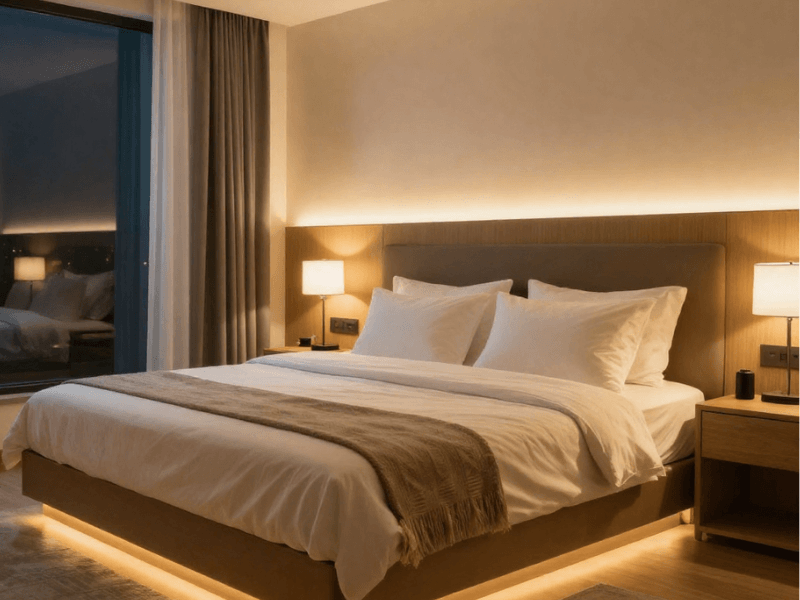
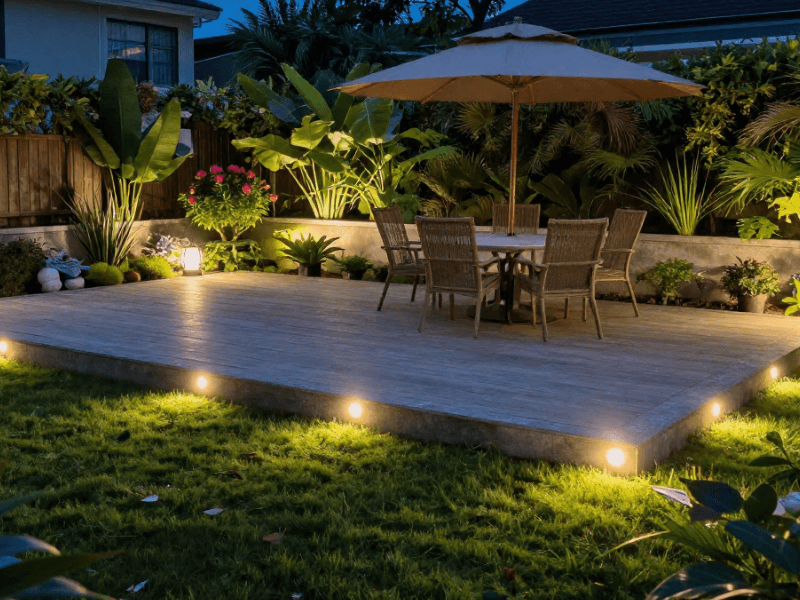
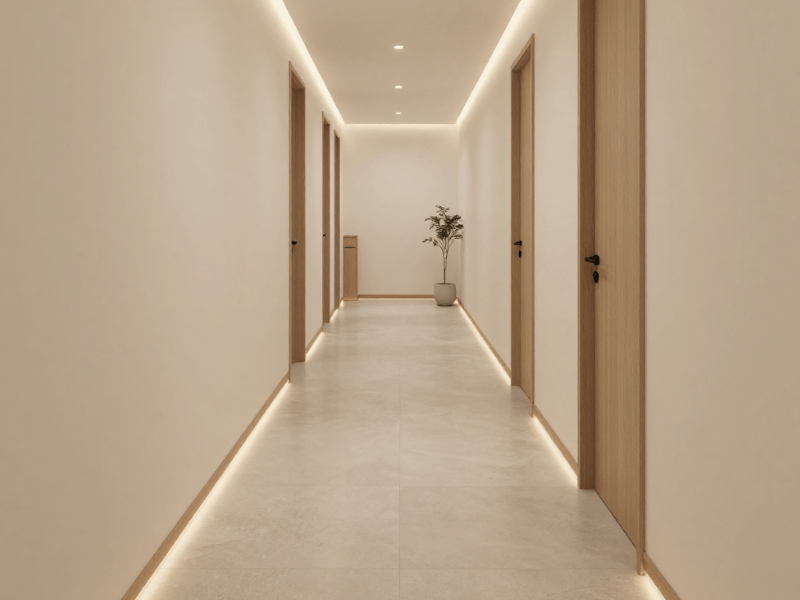

A bar can serve brilliant cocktails, play great music, and still feel strangely uninviting. Sometimes, the culprit is hanging right above everyone's heads. Lighting has a remarkable way of changing how a space feels. Too bright, and a cosy cocktail bar can feel like a supermarket. Too dark, and reading the drinks menu becomes an Olympic event.
Fortunately, the biggest bar lighting trends for 2026 are moving beyond simply choosing attractive fittings. This year's design direction focuses on adaptable spaces, striking materials, and lighting that works with the architecture. Some ideas involve statement pendants and clever controls. Others are surprisingly simple, such as improving existing lighting layers or updating a few decorative fixtures.
Whether you're planning a refurbishment or refreshing an established venue, there's plenty worth considering. Here's what's changing in 2026 and where your lighting budget could make the biggest difference.
What Is Shaping Bar Lighting Design in 2026?
The biggest shift in bar lighting design is toward more flexible, considered interiors. Rather than building everything around one dramatic feature, venues are combining atmosphere, practicality, and distinctive materials.
Lighting also needs to accommodate changing customer expectations throughout the day. A casual afternoon drink calls for a different setting from an intimate evening cocktail.
Lighting as Part of the Customer Experience
Good lighting helps establish a venue's personality before anyone orders a drink. It highlights interesting features, defines seating areas, and shapes how welcoming the space feels. A softly illuminated counter might become the room's centrepiece. Meanwhile, gentle lighting around booths can create a more relaxed setting for conversation.
Balancing Visual Impact With Practical Performance
A spectacular pendant won't compensate for poor counter lighting. Staff still need enough visibility to prepare drinks, read labels, and serve customers safely. The strongest commercial schemes combine decorative features with dependable general illumination. Prioritise comfortable brightness, controlled glare, and clear circulation routes.
Sculptural Pendants That Become the Centrepiece of the Bar
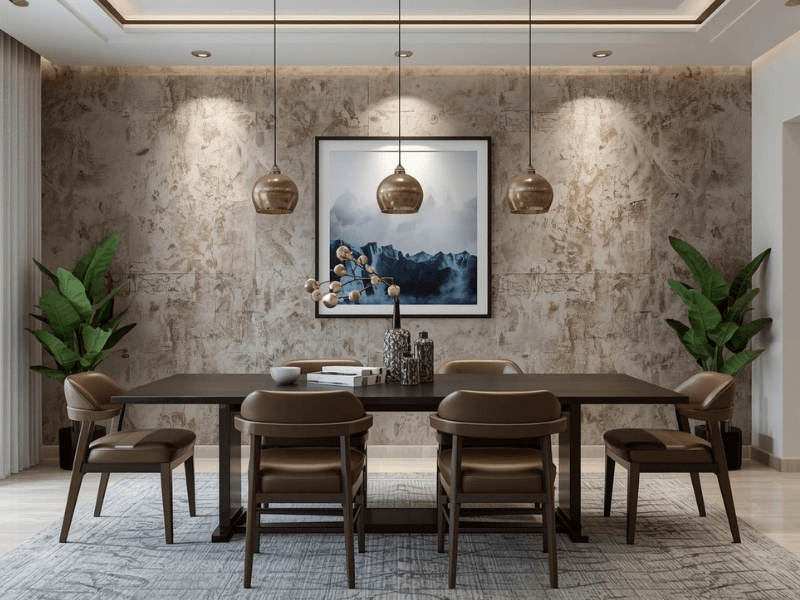
Statement lighting is becoming more architectural in 2026. Rather than serving as simple light sources, decorative fittings are increasingly treated as part of the interior design. Oversized pendants, curved silhouettes, and unusual materials can turn an ordinary counter into something memorable. Even during daylight, these fixtures contribute shape and character.
Create Impact With Pendant Clusters
Pendant clusters work particularly well above long counters, central islands, and communal tables. Several coordinated fittings create rhythm without requiring a single enormous fixture.
Picture three glass pendants suspended at slightly different heights above a timber counter. Their arrangement draws attention towards the bar while leaving the surrounding ceiling relatively uncluttered. Keep spacing, ceiling height, and sightlines in mind when planning the arrangement. Nobody wants to spend an evening talking around a giant lampshade.
Choose Statement Shapes That Match Your Bar's Identity
Sculptural metal fittings can complement contemporary cocktail bars, especially those with clean lines and darker finishes. Traditional pubs might suit classic glass shades, aged metals, or understated industrial designs. For smaller spaces, choose compact statement fittings rather than oversized designs. A carefully arranged cluster can provide interest without dominating the room.
Browse our statement pendant lighting for bars to explore decorative options for different interior styles.
Make Decorative Lighting Work Harder
Statement fittings deliver the most value when they highlight an important area. A pendant arrangement above the main counter can create a clear focal point. However, decorative lighting shouldn't carry the entire scheme. Combine these fixtures with suitable ambient and task lighting to maintain comfortable visibility throughout the venue.
Layered Lighting That Changes With the Time of Day
One fixed lighting setting rarely suits a bar's entire trading schedule. That's why adaptable, layered lighting remains a major direction for hospitality interiors in 2026. This approach combines ambient, task, and accent illumination instead of relying on a single source. Each layer serves a different purpose, giving you more control over the final atmosphere.
Build a Base Layer of Comfortable Ambient Light
Ambient lighting provides the general brightness needed for comfortable movement and everyday activities. It should illuminate circulation routes without washing every surface in harsh light. Recessed downlights and discreet ceiling fittings can provide a useful foundation. Their spacing and beam angles should suit the layout rather than follow an arbitrary ceiling pattern.
Explore our LED downlights for commercial interiors.
Use Accent Lighting to Create Evening Atmosphere
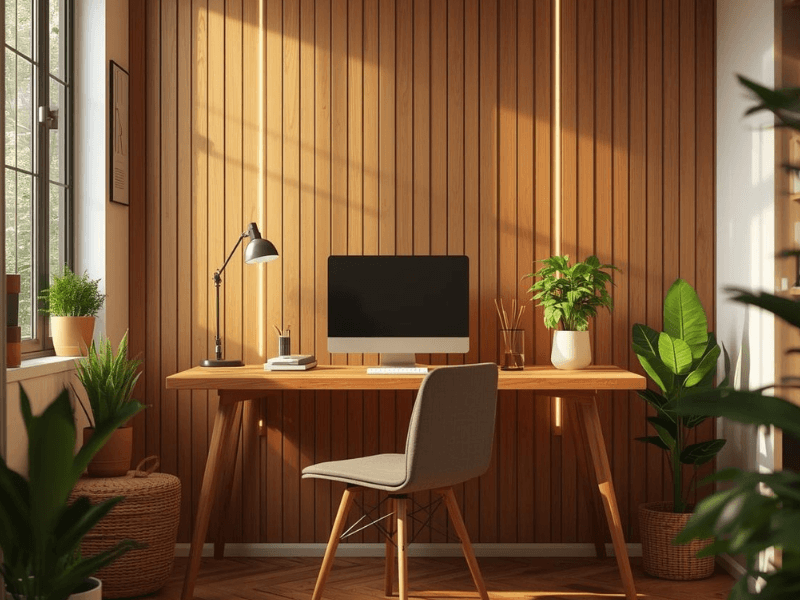
Accent lighting adds depth by drawing attention to selected features. Exposed brickwork, decorative panels, and interesting wall textures all offer opportunities. Consider a narrow spotlight highlighting artwork beside a seating booth. A softer light washing across nearby timber could add warmth without overwhelming the arrangement.
Restraint makes the difference here. When everything receives a spotlight, nothing feels particularly special.
Create Different Lighting Scenes for Different Services
Separate lighting layers make it easier to adjust the room for changing activities. Brighter ambient lighting can support daytime service, while selected accents become more prominent later. Private events and live performances may benefit from their own lighting settings. Compatible dimming and scene controls let you make these changes without replacing fixtures.
This flexibility is especially valuable for venues serving different audiences throughout the week. For smaller bars with consistent hours and activities, simpler controls may be sufficient.

Warm Metallic Finishes and Textured Lighting Materials
Lighting finishes are becoming just as important as the light itself. In 2026, warmer metals and textured materials are helping venues create character without excessive decoration. The trend favours thoughtful combinations rather than perfectly matching every fixture. This approach makes interiors feel more collected and less like a showroom display.
Add Warmth With Brass and Bronze Details
Brushed brass and bronze pair naturally with timber, dark paint, and stone. These finishes introduce warmth while complementing traditional and contemporary interiors.
Imagine a pub with forest-green walls, dark wooden tables, and bronze wall lights. The metallic details add richness without competing with the existing furniture. Repeating a finish across selected fittings can create a connected appearance. There's no need to replace every decorative element to achieve the effect.
Use Glass and Diffused Light for a Softer Effect
Opal glass and ribbed shades offer alternatives to exposed bulbs. Depending on their design, they can soften the visible light source and reduce uncomfortable glare. Ribbed glass adds texture, while opal shades provide a more even appearance. Both can work well around seating areas where visual comfort matters.
Always check the actual light distribution before purchasing. An attractive shade doesn't automatically guarantee comfortable illumination.
Mix Finishes Without Making the Interior Feel Busy
Combining materials can make a bar feel more distinctive. Black metal pendants, brass wall lights, and timber furniture can work together within a consistent palette. Choose one dominant finish, then introduce others through smaller details. This prevents competing fixtures from distracting customers.
The result should feel intentional rather than overly coordinated. Matching every metal surface isn't a requirement for good design.
Architectural LED Lighting for a Seamless Modern Finish
Sometimes, the best light fitting is the one nobody notices. That's the appeal of architectural lighting, which is becoming increasingly important in modern bar lighting. Instead of relying entirely on visible fixtures, this approach integrates illumination into the building and furniture. Light helps define shapes and surfaces without adding visual clutter.
Define Bar Fronts and Counters With Concealed Lighting
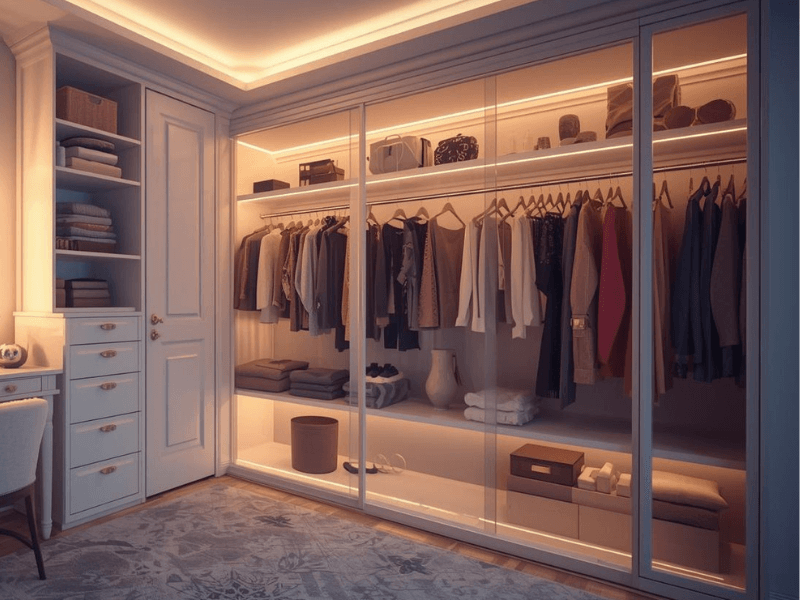
Bar counters offer excellent opportunities for integrated illumination. Concealed linear lighting can highlight textured fronts, emphasise edges, or add depth beneath an overhang.
For example, a timber counter can look more refined with a soft wash of light across its surface. Hiding the LEDs prevents distracting bright points from spoiling the effect. Integrated designs are often easier to plan during refurbishment. Existing counters may benefit from less disruptive surface-mounted alternatives.
Highlight Shelving and Back-Bar Displays
Bottle displays don't need equally bright lighting across every shelf. Selective illumination can draw attention to premium spirits, interesting glassware, or decorative features. Reflections deserve particular attention, especially around mirrored back bars. Good colour rendering can also make drinks, labels, and surrounding materials look more natural.
For practical techniques, explore our LED strip lighting ideas for bars and restaurants. The guide covers specific applications, placement, and technical considerations.
Use LED Profiles for a Cleaner Finish
Aluminium profiles provide a tidy housing for suitable LED strips. They can help create defined lines of light along shelves, counters, and architectural features. Adding a diffuser may soften visible LED points, depending on the profile and strip combination. This creates a more integrated look in areas customers see regularly.
Browse our aluminium profiles for LED strip lighting for recessed, surface-mounted, and angled designs.
Smart Lighting Controls and More Adaptable Bar Interiors
Smart lighting doesn't need to involve complicated automation or an expensive control panel. In 2026, the focus is increasingly on practical systems that simplify daily operations. For many bars, independent zones and straightforward dimming offer enough flexibility. Advanced controls become more useful when multiple spaces need frequent adjustments.
Use Dimmable Lighting to Adjust the Atmosphere
Dimmable lighting lets you adjust brightness without replacing fixtures. It's particularly useful in spaces that operate from lunch through late evening. For example, softer lighting above seating booths can create a more relaxed setting. The bar counter can maintain suitable task lighting throughout service.
Explore our compatible dimmers for LED lighting. Check compatibility between fittings, drivers, and dimmers before you buy.
Control Different Zones Independently
Separate lighting zones give staff more control over individual areas. The counter, booths, entrance, and entertainment space can each have settings that suit their function.
Imagine hosting live music while customers continue enjoying drinks in an adjoining lounge. Independent controls make it easier to adjust one space without disrupting another. Plan zones around actual activities rather than dividing the room unnecessarily. Three practical settings can be more useful than ten complicated ones.
Decide Whether Smart Controls Are Worth the Investment
Programmable scenes and scheduled adjustments can make sense for larger venues. They're especially useful when staff regularly set up different rooms for events.
However, smaller neighbourhood bars may only need standard switches and compatible dimmers. Installation costs, maintenance, and reliability should influence the decision. Choose a system that staff can operate confidently. No one should need to call technical support every time the evening crowd arrives.

Energy-Efficient Lighting That Supports Long-Term Value
Energy efficiency may not attract as much attention as a dramatic pendant. Still, it matters considerably when commercial lights operate for extended periods. In 2026, energy-efficient commercial lighting increasingly depends on long-term value rather than wattage alone. Operating costs, maintenance requirements, and suitable performance all deserve consideration.
Choose LED Fittings With the Right Light Output
Start by comparing lumens, wattage, colour temperature, and beam angle. These specifications help you determine whether a fitting provides the right illumination for its intended purpose.
Lower wattage doesn't always mean a better choice. A weak fitting may leave important work areas poorly illuminated, while excessive brightness can cause discomfort. Focus on selecting the right output for each activity. Preparing drinks requires different illumination from highlighting a decorative wall.
Consider Lifespan and Ease of Maintenance
A fitting's purchase price tells only part of the story. Replacement components, rated lifespan, and access for servicing can affect long-term costs.
Consider a decorative pendant installed above a tall central counter. If maintenance requires special equipment, future servicing could become inconvenient and expensive. Look for practical designs with accessible components and suitable warranty coverage. Regular cleaning should also be straightforward in a busy hospitality environment.
Make Better Use of Lighting Controls
Timers, dimmers, and suitable occupancy sensors can reduce unnecessary lighting use. Staff corridors and storerooms may benefit from controls that respond to occupancy.
Separate switching also lets unused areas stay unlit when appropriate. However, actual savings depend on operating hours, equipment, and everyday usage. Choose controls that deliver practical benefits without making the system difficult to manage. Efficiency should simplify operations, not create more work.
How to Apply 2026 Bar Lighting Trends to Different Venues
Not every trend belongs in every bar. The strongest investment depends on the venue's character, layout, and customer experience. Instead of adopting every fashionable feature, identify the improvements that solve existing problems. Different types of bars will naturally benefit from different priorities.
Cocktail Bars With Dramatic Feature Lighting
Cocktail bars can make excellent use of statement pendants and carefully illuminated displays. If the counter is the main attraction, concentrate the strongest decorative elements there. Warm accent lighting can make adjoining seating feel intimate without leaving service areas dark. Adjustable scenes also support private bookings and changing evening activities.
Neighbourhood Bars With a Relaxed Atmosphere
Neighbourhood pubs often benefit more from comfort than spectacle. Warm-white lighting, durable fittings, and simple controls can refresh the interior without changing its familiar character. Start with outdated pendants, uncomfortable bulbs, or poorly illuminated seating. These smaller improvements may offer better value than introducing an elaborate new scheme.
Contemporary Bars With a Minimalist Interior
Minimalist spaces suit restrained fittings and integrated architectural lighting. Picture exposed concrete walls, a timber counter, and three slim black pendants. Concealed LED profiles can emphasise interesting surfaces without introducing additional decorative fixtures. Keeping materials consistent lets the architecture remain the main feature.
Bars With Outdoor Terraces or Courtyards
Outdoor lighting should extend the venue's identity beyond its walls. Coordinated finishes and similar colour temperatures can help the terrace feel connected to the interior. Consider suitable wall lights, subtle pathway illumination, and decorative festoon fittings. Entrances, steps, and circulation routes must remain clearly visible after dark.
Explore our range of outdoor lighting for bar terraces. Choose weather protection appropriate to each fitting's location and exposure.
Which Bar Lighting Trends Are Worth Investing In First?
A successful lighting update doesn't require adopting every trend. Start with changes that address existing problems and fit your budget. Review the venue during different trading periods before deciding what to replace. Look for uncomfortable glare, dark areas, outdated fittings, and controls that make daily adjustments difficult.
Quick Updates That Refresh the Existing Interior
For a low-disruption refresh, replace unsuitable lamps or update selected decorative fittings. Compatible dimmers and small accent-lighting improvements can also make a noticeable difference. Focus spending on the counter, main seating areas, and other prominent features. These changes can refresh the atmosphere without extensive alterations.
Larger Investments for a Full Bar Refurbishment
A complete refurbishment creates opportunities for integrated architectural lighting and redesigned control zones. New circuits and recessed installations are easier to coordinate before finishing walls and ceilings. Professional electrical planning is essential for more involved projects. It helps ensure the finished scheme supports safe operation and suitable performance.

Choose Trends That Will Still Work Beyond 2026
Good lighting should outlast the latest design predictions. Durable fittings, thoughtful materials, and practical controls usually make better investments than short-lived visual gimmicks. The strongest schemes balance atmosphere with everyday functionality. After all, great lighting should work just as hard as the people behind your bar.
Whether you're updating a few fittings or planning a full refurbishment, choose lighting that suits the way your venue operates. Explore Simple Lighting's range of pendants, LED strips, and controls to create a space that looks inviting and works beautifully.


0 comments