











Motion Sensor Lights
Motion sensor lights provide automatic, hands-free lighting for homes, outdoor spaces and commercial premises. They switch on only when needed, so you don't have to reach for a wall switch.
Our range includes outdoor PIR lights for driveways, gardens and entrances, plus sensor bulkheads, downlights, battens and other commercial fittings. Whether you need PIR lights for added convenience at home or automatic lighting for a larger site, you can choose a fitting that best suits your space.
Filters
Sort Most relevant
-
 In Stock
50w LED Floodlight With PIR SENSOR, 6500K IP65 Black
£32.75 Was £51.25INC VAT -
 Sold Out
30w IP65, LED Floodlight With PIR Sensor, Samsung LEDs, 6500K IP65 Black
£30.59 Was £40.99INC VAT -
 In Stock
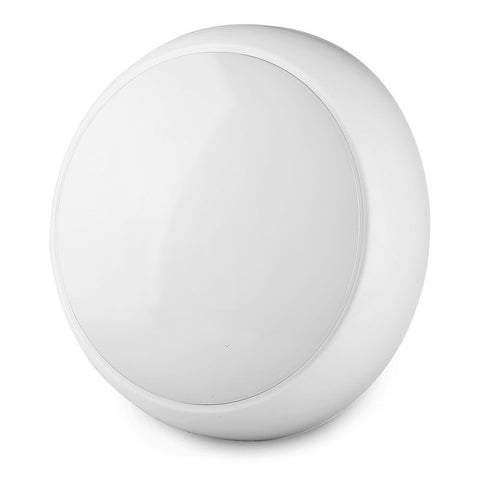
18w LED Polo Twist & Lock Bulkhead / Dome Light With Microwave Sensor
£23.25 Was £29.99INC VAT -
 Sold Out
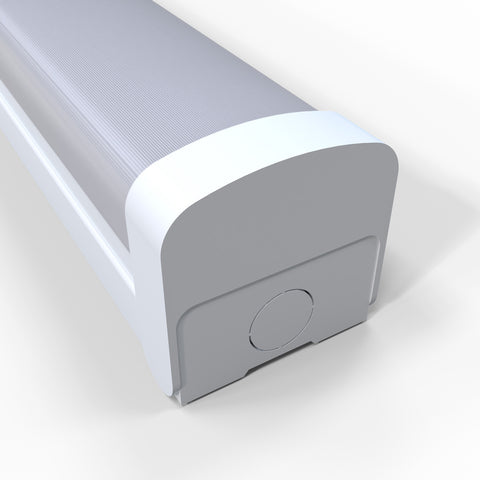
60w CCT LED Batten Light with Microwave Sensor, 150CM/5FT
£36.95 Was £51.25INC VAT -
 Sold Out
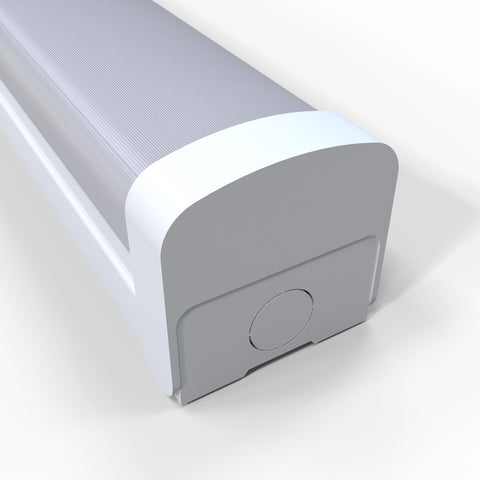
60w CCT LED Batten Light with Microwave Sensor, 180CM/6FT
£41.19 Was £57.19INC VAT -
 In Stock
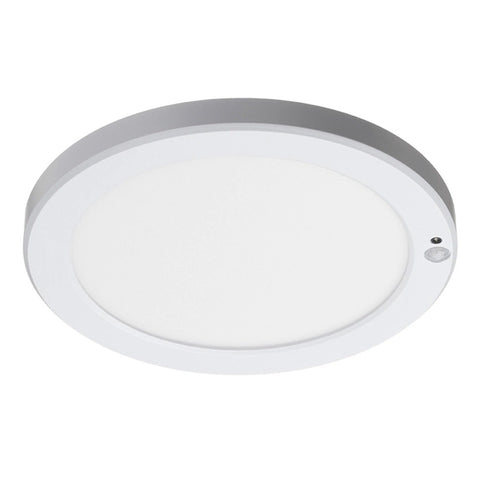
Discus PIR Sensor LED Downlight, 4000K, Power Selectable, Ultra Slim 18mm, White
£30.15 Was £33.85INC VAT -
 In Stock
LED Stair Lights Kit - 13 Steps | 500mm Bars | App Controlled | Warm to Cool White | Motion Sensor
£195.65 Was £265.45INC VAT -
 In Stock
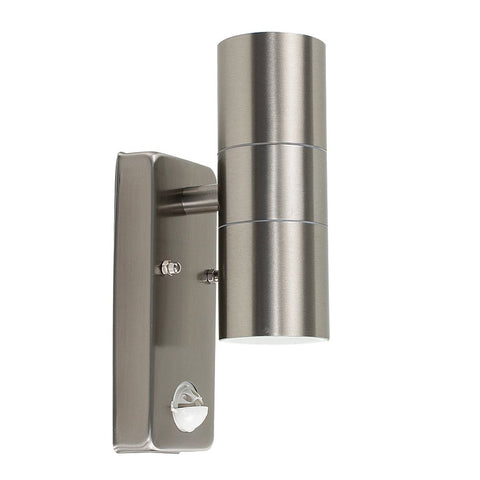
Twin Up/Down IP44 Outdoor PIR Sensor Wall Light
£45.75 Was £51.19INC VAT -
 Sold Out
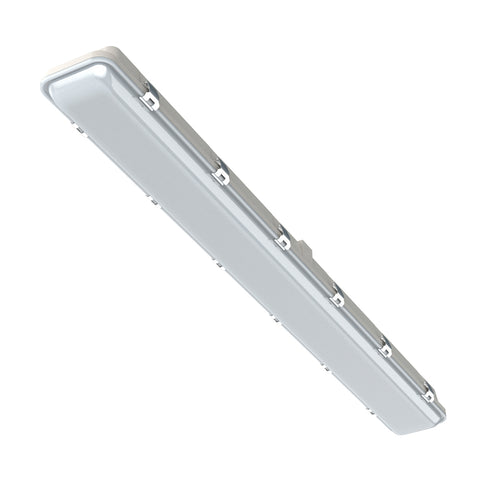
60w, NCF IP65 LED Batten with Microwave Sensor, 150CM/5FT
£45.39 Was £64.59INC VAT -
 Sold Out
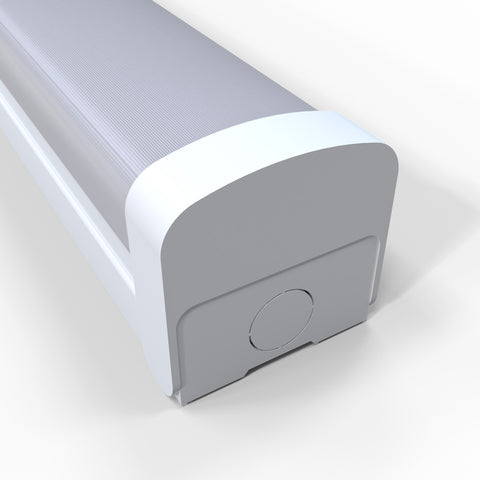
40w LED Batten with Microwave Sensor, 120CM/4FT, Colour Adjustable
£31.69 Was £44.85INC VAT -
 Sold Out
10w LED Floodlight With PIR Sensor, 6000K IP65 Black
£23.25 Was £30.75INC VAT -
 In Stock
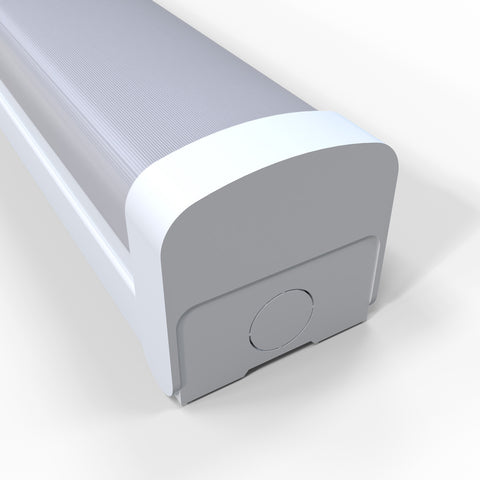
60w LED Batten with Emergency and Sensor, 180CM/6FT
£66.55 Was £94.29INC VAT -
 In Stock
LED Stair Lights Kit - 13 Steps | 1000mm Bars | App Controlled | Warm to Cool White | Motion Sensor
£250.25 Was £336.00INC VAT -
 In Stock
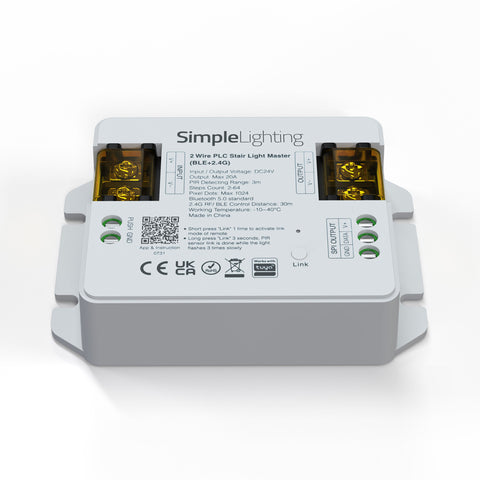
Intelligent Stair Lighting Controller | Tuya | PIR Motion Sensors Included
£61.75 Was £79.95INC VAT -
 In Stock
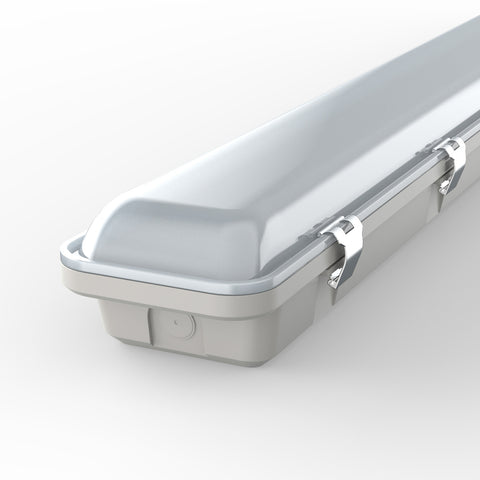
60w, NCF IP65 LED Batten, 5FT with Emergency Module and Sensor, 150CM
£71.79 Was £102.49INC VAT -
 Sold Out
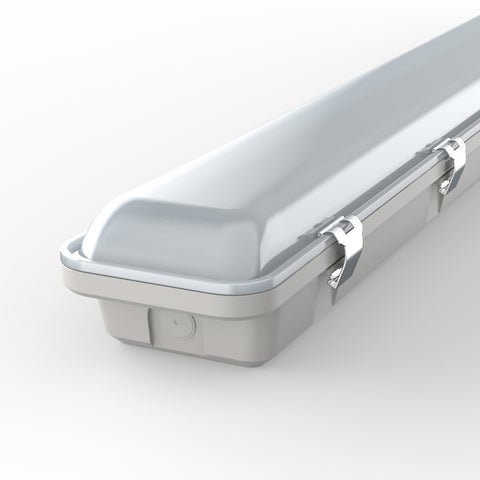
60w, NCF IP65 LED Batten, 6FT with Microwave Sensor, 180CM
£52.79 Was £76.89INC VAT -
 Sold Out
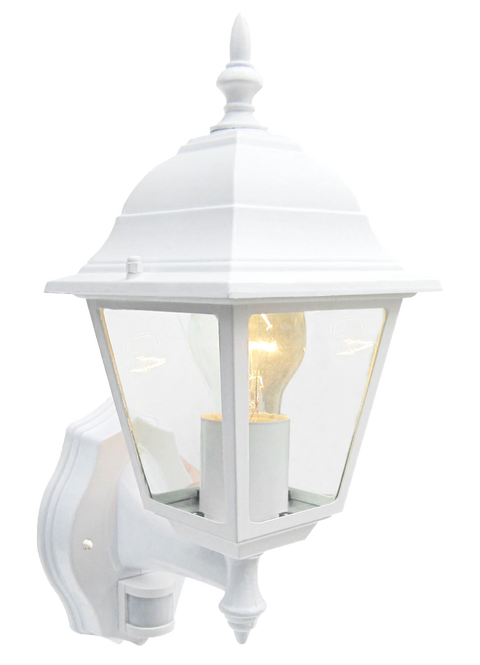
Traditional White Outdoor Wall Lantern with PIR Sensor – 4-Sided IP43 Garden Light
£26.15 Was £30.75INC VAT -
 Sold Out
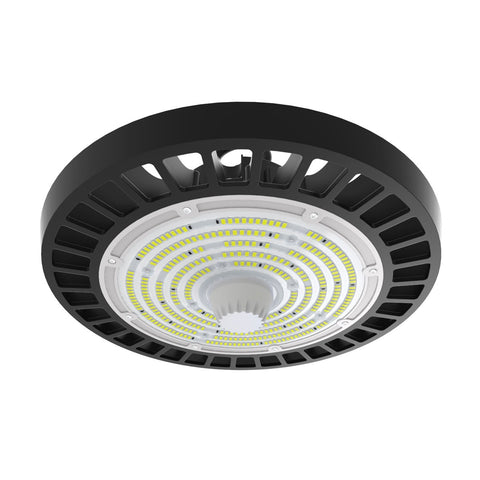
200w, LED High Bay Light With Microwave Sensor (5 Year Warranty)
£66.85 Was £68.15INC VAT -
 In Stock
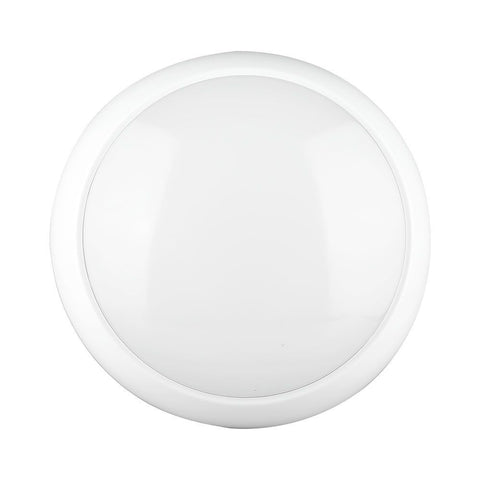
LED Dome Light with Sensor & Emergency – CCT & Wattage Adjustable – IP65 Polo Bulkhead
£45.39 Was £49.19INC VAT -
 Sold Out
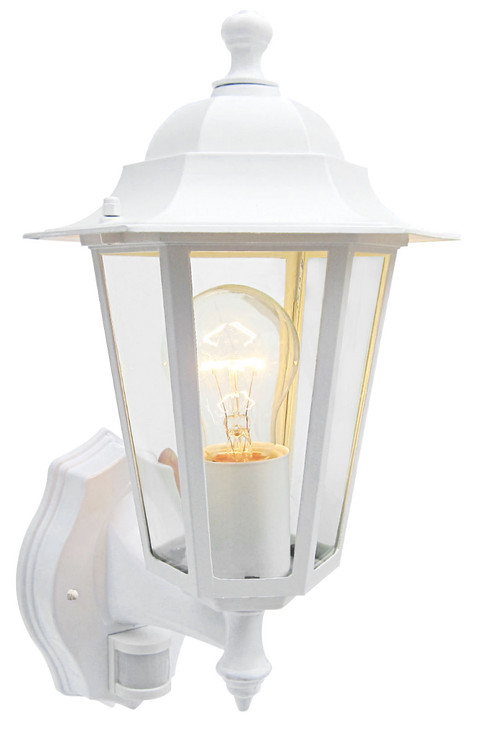
Traditional White Outdoor Wall Lantern with PIR Sensor – 6-Sided IP43 Garden Light
£25.35 Was £30.75INC VAT -
 In Stock
LED Stair Lights Kit - 14 Steps | 1000mm Bars | App Controlled | Warm to Cool White | Motion Sensor
£261.55 Was £351.85INC VAT -
 In Stock
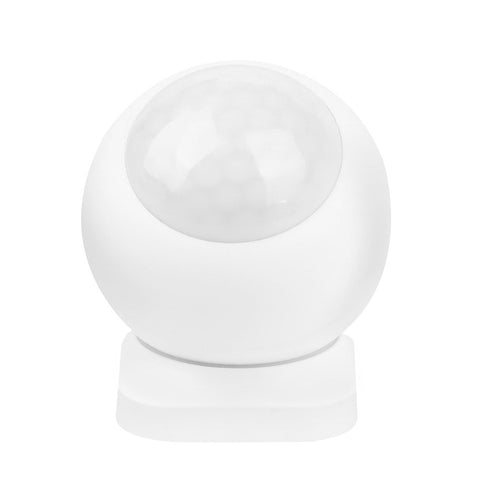
PIR Sensor and Magnetic Mounting (Battery Powered)
£12.59 Was £17.39INC VAT -
 In Stock
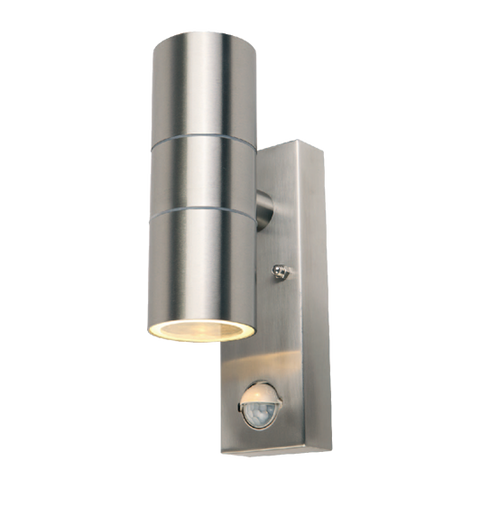
Stainless Steel Outdoor Wall Light with PIR Sensor – Twin Up & Down IP44 Fitting
£27.19 Was £30.75INC VAT -
 In Stock
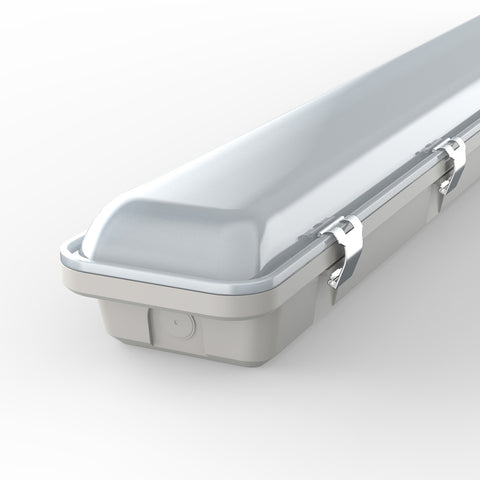
60w, NCF IP65 LED Batten, 6FT with Emergency Module and Sensor, 180CM
£79.19 Was £113.79INC VAT


Frequently Asked Questions
What is a PIR sensor and how does it work in lighting?
PIR stands for Passive Infrared, and it detects the heat given off by moving people or animals within its detection range. When the sensor picks up movement, it switches the light on automatically and then turns it off again after a set period of inactivity. This makes PIR lights a practical, energy-saving choice for areas like driveways, porches and corridors where you only need light when someone is actually there.
What is the difference between a PIR sensor and a microwave sensor in lights?
A PIR sensor detects infrared heat from moving bodies and works best when there is a clear line of sight between the person and the sensor. A microwave sensor emits radio waves and can detect movement through walls and ceilings, making it better suited to enclosed spaces like storerooms, corridors and commercial buildings. At Simple Lighting, you will find both types across our range, so you can pick the right technology for your specific setting.
Where can motion sensor lights be used?
Motion sensor lights are incredibly versatile and can be used both indoors and outdoors. Outside, they are popular for driveways, garden paths, entrances and side passages, while indoors they work well in cloakrooms, WCs, utility rooms, stairwells and communal areas. In commercial settings, sensor battens and high bays are commonly used in warehouses, car parks and storage facilities.
What IP rating do I need for outdoor motion sensor lights?
For outdoor use, you should look for a fitting with at least an IP44 rating, which protects against splashing water from any direction. For exposed locations such as driveways, garden walls or areas directly exposed to rain, an IP65 rating is a better choice as it offers full protection against water jets and dust. Many of our outdoor PIR floodlights and wall lights carry an IP65 rating for this reason.
Can motion sensor lights be used as a security measure?
Yes, motion sensor lights are widely used as a security deterrent, particularly outdoors. A PIR floodlight that activates suddenly when someone approaches can discourage unwanted visitors and draw attention to movement around your property. For the best effect, position them to cover entry points such as driveways, side gates and rear gardens.
How long do motion sensor lights stay on after detecting movement?
This varies depending on the fitting, but most motion sensor lights have an adjustable time delay, typically ranging from around 10 seconds up to several minutes. Some models also let you adjust the sensitivity of the sensor and the lux level, so the light only activates in low-light conditions rather than during daylight. Check the product specifications to see which settings are adjustable on a particular fitting.
Do PIR downlights need a separate switch or a special dimmer?
PIR downlights with a built-in sensor are designed to work without a wall switch, as the sensor controls the on and off function automatically. They are typically wired directly into the mains and do not require a dimmer. This makes them a tidy, convenient solution for small rooms like cloakrooms and pantries where reaching for a switch is less practical.
Are motion sensor lights suitable for commercial properties?
Absolutely, motion sensor lights are a popular choice in commercial premises because they help reduce energy consumption by only running when the space is occupied. Sensor LED battens and high bay fittings with microwave sensors are well suited to warehouses, workshops and storage areas, including spaces with higher ceilings. Some commercial fittings also include emergency backup functions, which is worth considering if you need to meet safety requirements for shared or public spaces.