
Industrial Lighting
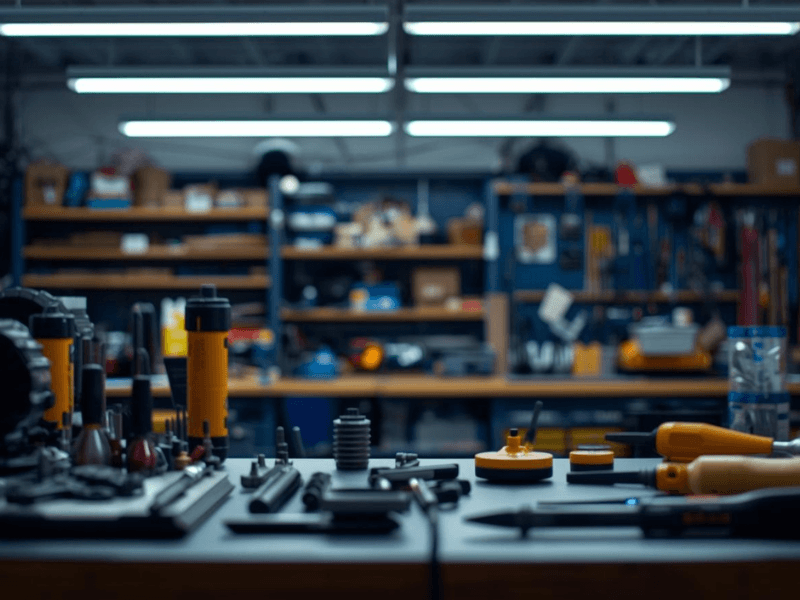
Industrial lighting is any kind of lighting used in warehouses, storage facilities, assembly plants, sports facilities, and outdoor industrial spaces. Compared to commercial spaces, high-performance lighting is required in industrial places. Adequate illumination is crucial to ensure that workers can perform optimally.
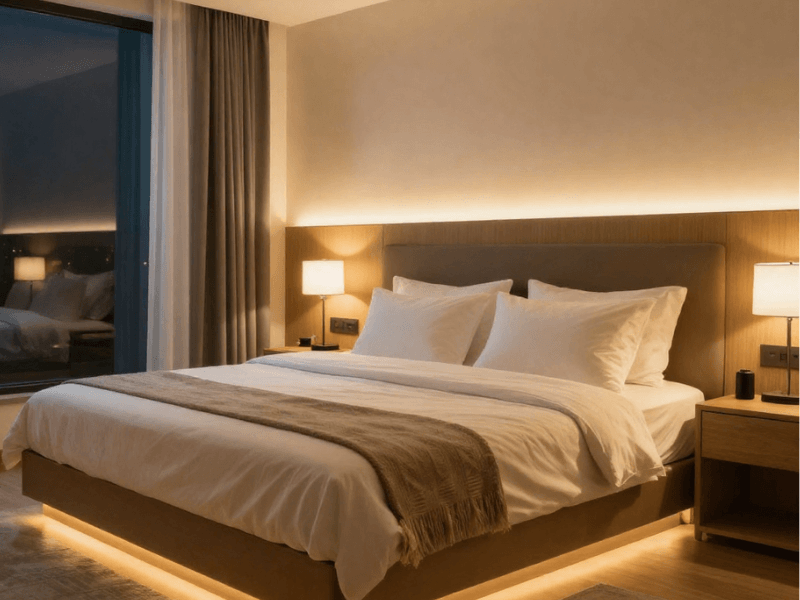
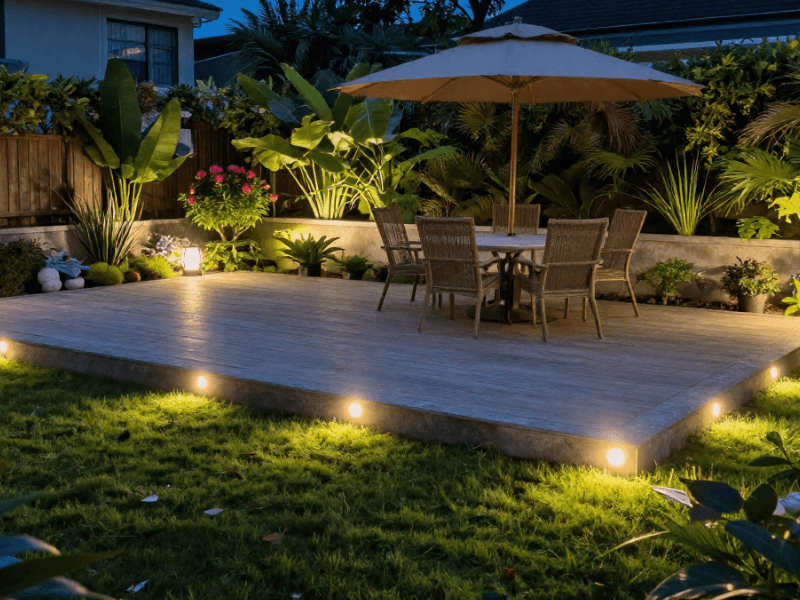
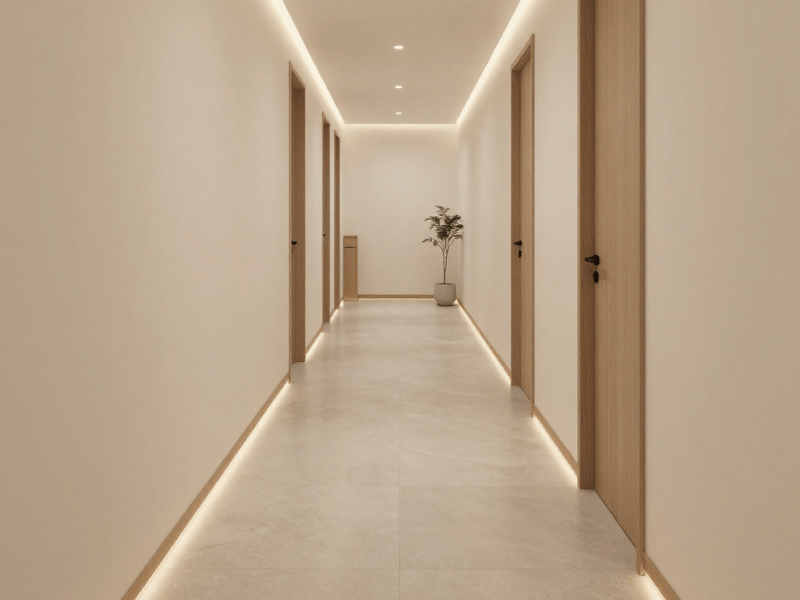
Various uses of industrial lighting range from ambient and task lighting to safety and visibility, as well as aesthetics.
Depending on the space and its function, you’ll need to have different types of industrial lights to create a bright, well-lit environment for your industrial space.
Filters
Sort Featured
-
 In Stock
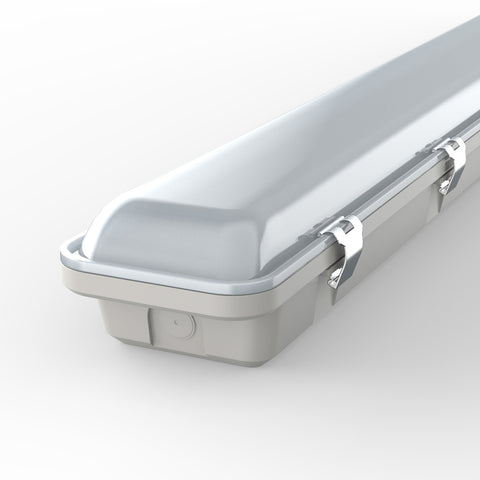
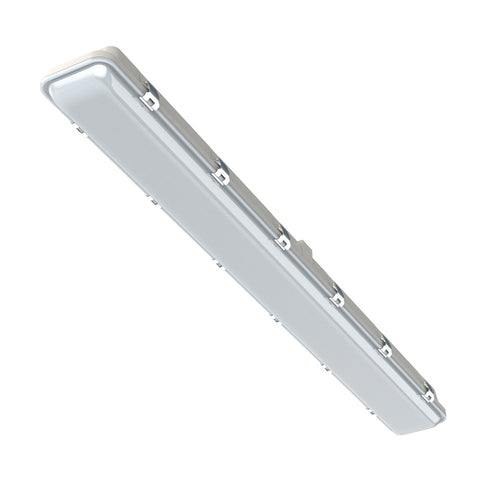
60w NCF, IP65 LED Batten, 180CM/6FT - Colour Adjustable
£43.05 Was £63.55INC VAT -
 In Stock
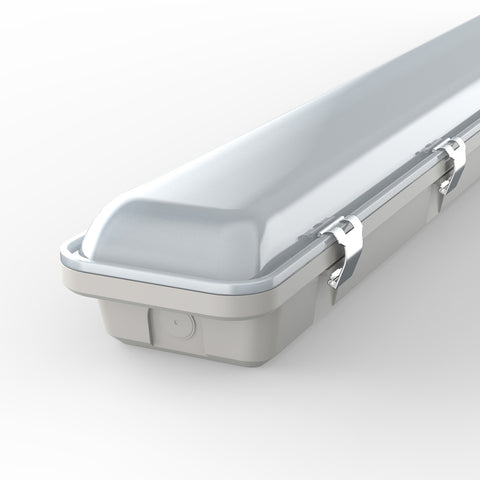
60w, NCF IP65 LED Batten, 6FT with Emergency Module, 180CM
£68.69 Was £99.45INC VAT -
 In Stock
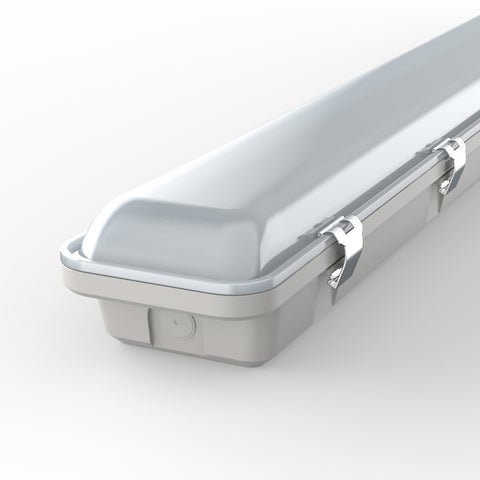
60w, NCF IP65 LED Batten, 6FT with Emergency Module and Sensor, 180CM
£76.89 Was £113.79INC VAT -
 Sold Out
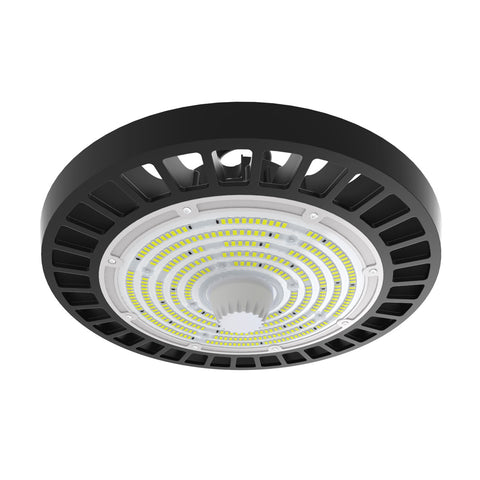
60w, NCF IP65 LED Batten, 6FT with Microwave Sensor, 180CM
£51.25 Was £76.89INC VAT -
 In Stock
110w High Bay LED Light - 0-10v Dimmable & 5 Year Warranty
£46.15INC VAT -
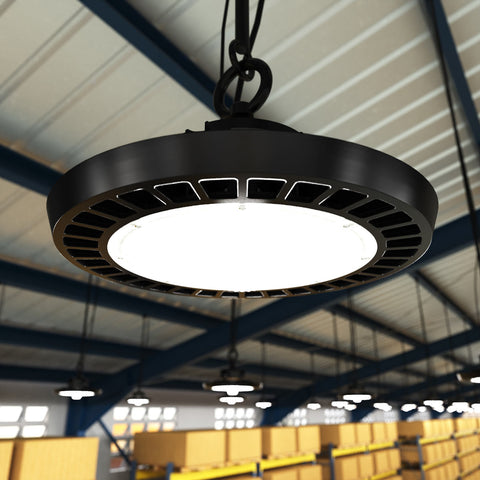 In Stock
150w High Bay LED Light, 5 Year Warranty - 0-10v Dimmable
£46.15INC VAT -
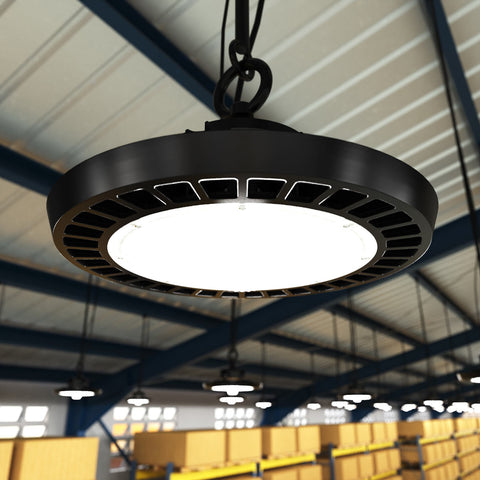 In Stock
200w High Bay LED Light - 5 Year Warranty, Lifud + Lumiled LEDs
£46.15INC VAT -
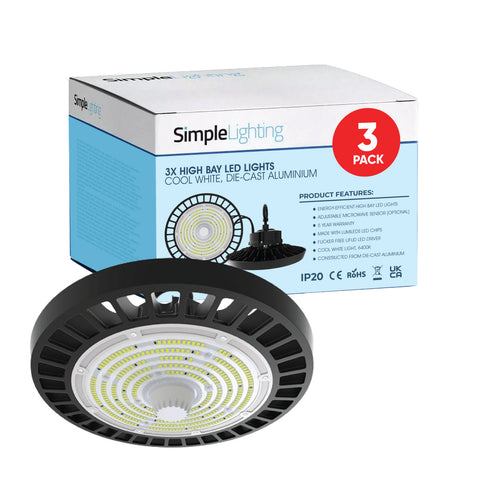 In Stock
Pack of 3 High Bay LED Lights, 200w
£138.45INC VAT -
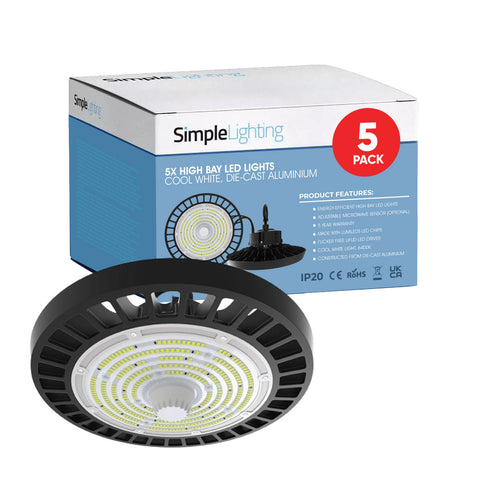 In Stock
Pack of 5 High Bay LED Lights, 200w - 5 Year Warranty
£230.70INC VAT -
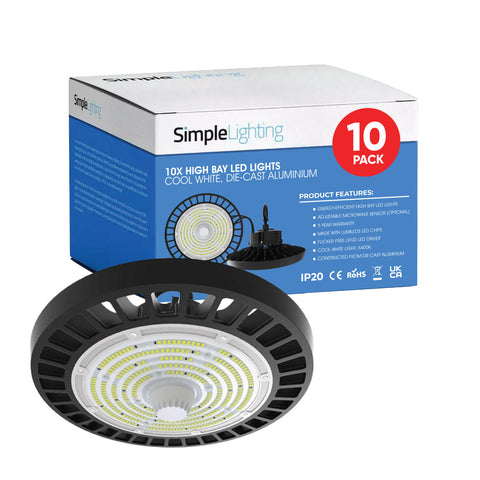 In Stock
Pack of 10 High Bay LED Lights, 200w - 5 Year Warranty
£430.85INC VAT -
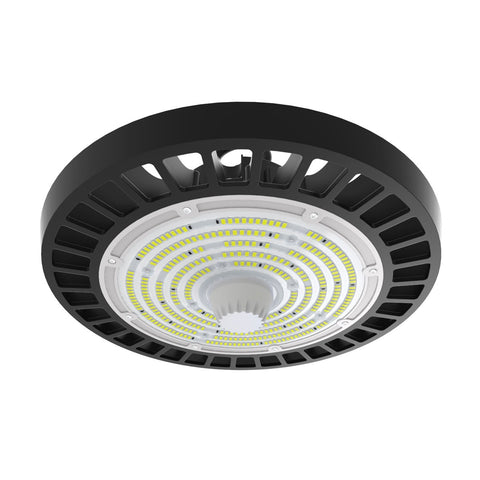 In Stock
200w, LED High Bay Light With Microwave Sensor (5 Year Warranty)
£64.90 Was £68.15INC VAT -
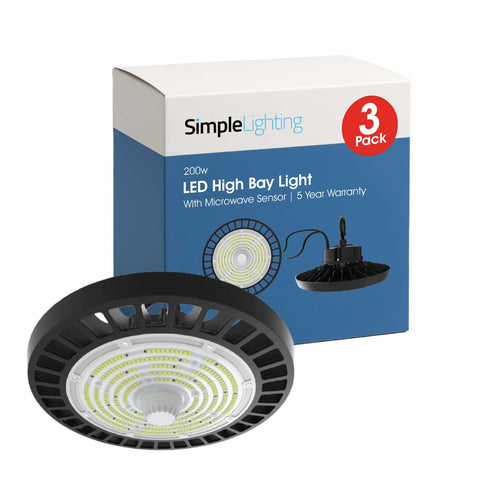 In Stock
Pack of 3 200w, LED High Bay Lights With Microwave Sensor (5 Year Warranty)
£191.85 Was £204.45INC VAT -
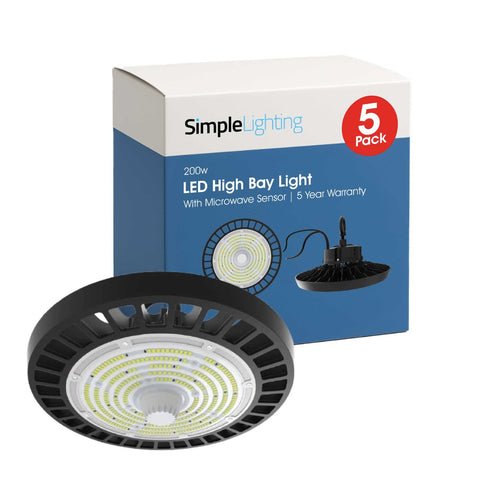 In Stock
Pack of 5 200w, LED High Bay Lights With Microwave Sensor (5 Year Warranty)
£324.50 Was £340.75INC VAT -
 In Stock
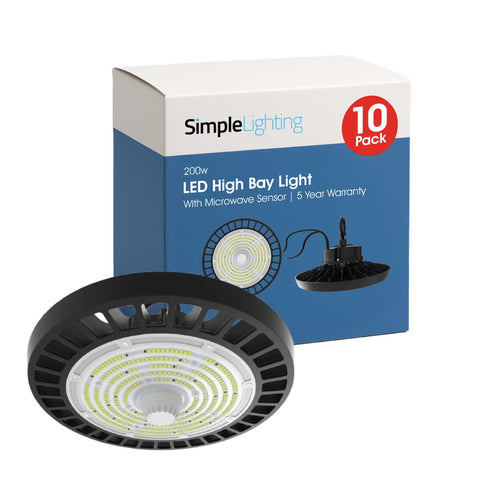
Pack of 10 200w, LED High Bay Lights With Microwave Sensor (5 Year Warranty)
£616.50 Was £681.50INC VAT -
 In Stock
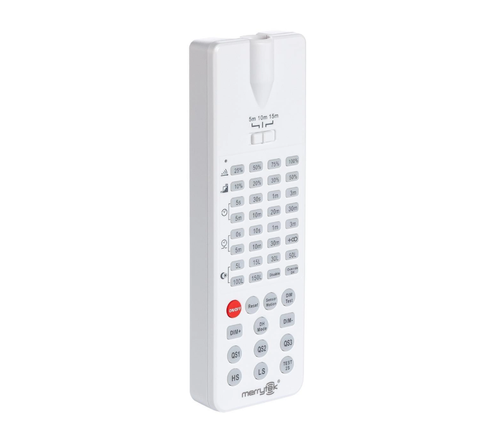
Merrytek Remote Control MH10 - For High Bay Light With Microwave Sensor
£29.35 Was £32.95INC VAT
Frequently Asked Questions
What is the difference between industrial and commercial lighting?
Industrial lighting is designed for harsher environments like warehouses, factories, and outdoor industrial spaces, requiring higher performance and durability compared to commercial lighting. Industrial fixtures must withstand challenging conditions such as dust, moisture, vibrations, and extreme temperatures while providing superior illumination levels. They also typically need to operate for longer hours and cover larger areas than standard commercial lighting solutions.
How many lumens do I need for industrial lighting?
Industrial spaces typically require 300-500 lumens per square metre for general warehouse areas, while detailed work areas may need 750-1000 lumens per square metre. The exact requirement depends on the specific tasks performed, ceiling height, and safety regulations. High bay areas often need powerful fixtures like 100W LED units producing 10,000+ lumens to achieve adequate coverage.
What IP rating should industrial lights have?
Most industrial environments require lights with at least IP65 rating for dust and water resistance. For areas with high moisture or outdoor applications, IP66 or IP67 ratings provide better protection. Bulkhead lights and dome fittings are popular choices as they naturally offer good ingress protection while being easy to clean and maintain.
Why are LED bulkhead lights popular for industrial use?
LED bulkhead lights are ideal for industrial applications because they're incredibly durable, energy-efficient, and provide consistent lighting output. They feature robust housings that resist impact and environmental damage, while their sealed design prevents dust and moisture ingress. Many models like polo bulkheads also offer emergency backup and sensor options for enhanced safety and convenience.
What are highbay lights and when should I use them?
Highbay lights are powerful LED fixtures designed for spaces with high ceilings, typically 6 metres or above, such as warehouses and large industrial facilities. They provide intense, wide-spread illumination to cover large floor areas effectively. UFO highbays are particularly popular due to their compact design and exceptional light output, often producing 10,000+ lumens while maintaining energy efficiency.
Do I need emergency lighting in industrial spaces?
Yes, emergency lighting is typically required by UK building regulations in most industrial premises to ensure safe evacuation during power failures. Many industrial LED fittings are available with integrated emergency modules that provide 3-hour backup lighting. This eliminates the need for separate emergency fixtures and ensures consistent illumination levels during emergencies.
Can I install motion sensors with industrial lighting?
Absolutely, motion sensors are excellent additions to industrial lighting systems as they improve energy efficiency and convenience. Many industrial fixtures come with integrated microwave sensors that detect movement and automatically control the lights. This is particularly useful in storage areas, corridors, and spaces with intermittent use, helping to reduce energy costs significantly.
How long do industrial LED lights typically last?
Quality industrial LED lights typically last 25,000 to 50,000 hours, which translates to 10-20 years of normal use. This exceptional lifespan significantly reduces maintenance costs and replacement frequency compared to traditional lighting. The robust construction of industrial LEDs, combined with their solid-state design, makes them ideal for continuous operation in demanding environments.