



Sensors
Choose lighting sensors for the way you want the lights to respond: room movement, a nearby hand wave, or a cupboard door opening. This collection includes separate sensor accessories, so check whether your chosen item is a control or a complete light fitting.
For under-cabinet lighting and other indoor lights, match the sensor's voltage, LED load limit and connections to the lighting system. PIR, microwave and door/swipe controls do different jobs.
Filters
Sort Featured
-
 In Stock
Black Wall PIR Motion Sensor IP65 12m 180°/360°
£11.79 Was £14.35INC VAT -
 In Stock
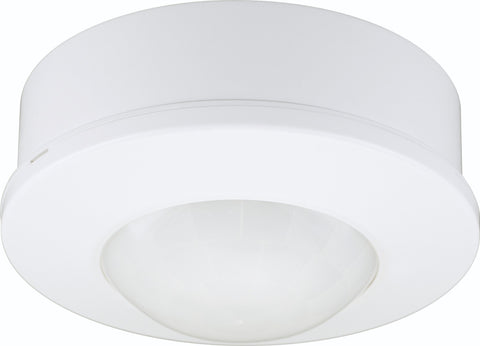
360° White Ceiling PIR Motion Sensor 8m Range, Surface or Recessed
£9.25 Was £10.99INC VAT -
 In Stock
White Hand Wave Sensor Switch 12-24VDC 5cm Range
£9.25 Was £11.99INC VAT -
 In Stock
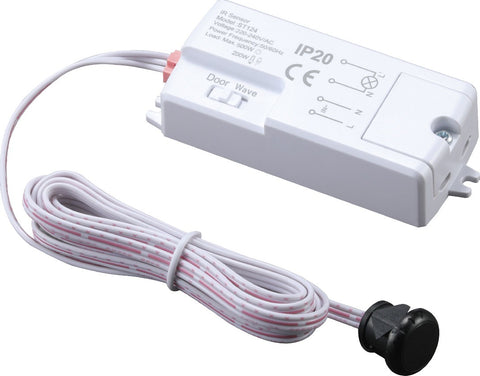
White Hand Movement Sensor Switch, IR, 240VAC Short Range
£13.39 Was £16.05INC VAT -
 In Stock
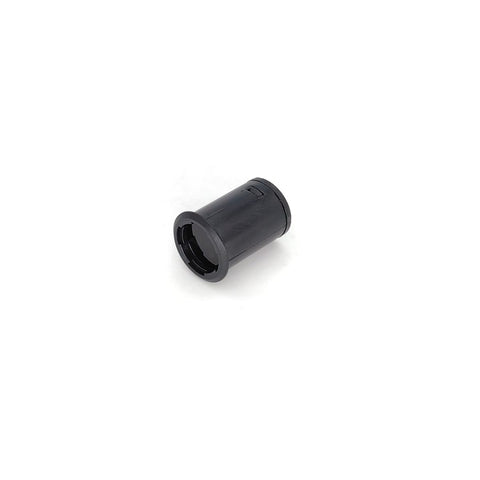
Lighteez Door Trigger Sensor - Plug & Play Driver Accessory
£9.25 Was £11.99INC VAT -
 In Stock
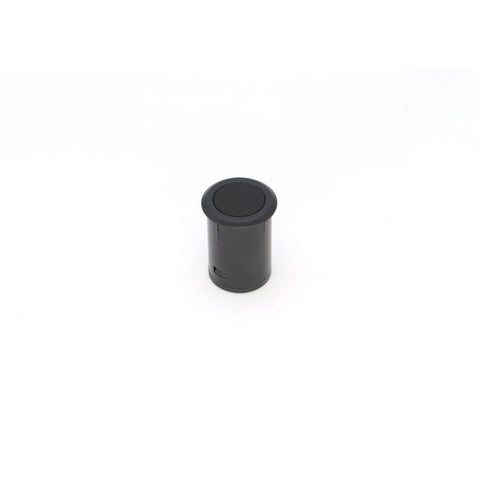
Lighteez Hand Swipe Sensor & Dimmer - Plug & Play Driver Accessory
£9.25 Was £11.99INC VAT -
In Stock
Lighteez Touch Dimmer Sensor - Plug & Play Driver Accessory
£9.25 Was £11.99INC VAT -
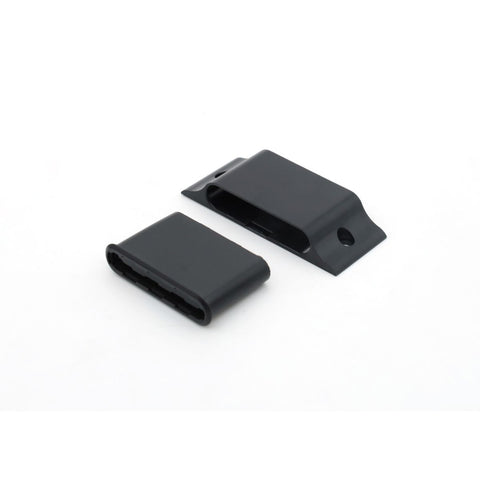 In Stock
Lighteez Double Door Sensor - Plug & Play Driver Accessory
£10.29 Was £13.99INC VAT -
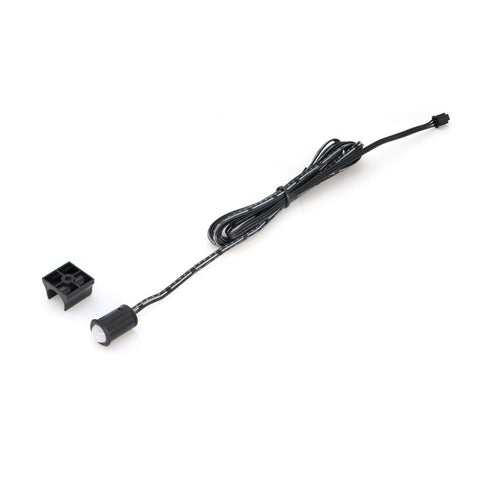 In Stock
Lighteez PIR Sensor - Plug & Play Driver Accessory
£9.25 Was £11.99INC VAT -
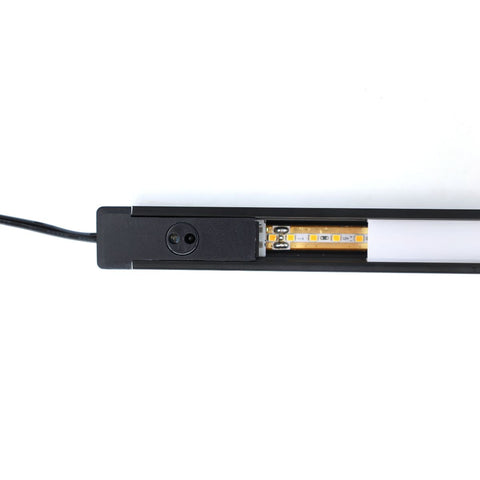 In Stock
Lighteez Hand Wave Sensor Input Cable for Recessed Profile - Plug & Play
£7.49 Was £10.65INC VAT -
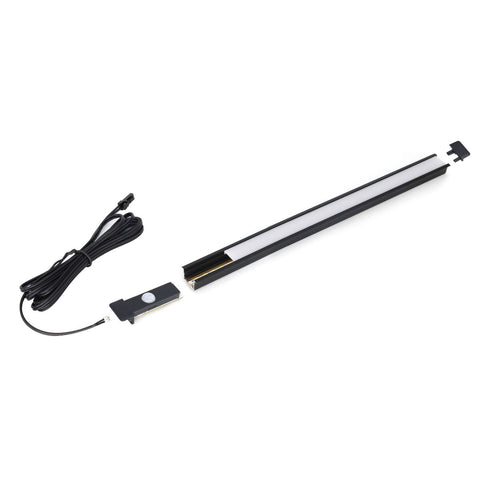 In Stock
Lighteez PIR Sensor Input Cable for Recessed Profile - Plug & Play
£7.49 Was £10.65INC VAT


Frequently Asked Questions
Can LED sensor lights be adjusted to different levels?
Some models offer timer, sensitivity or ambient-light settings, while others have fixed behaviour. These settings are not the same as brightness dimming. Check the selected sensor for adjustment ranges and supported functions.
Are there specific installation considerations for LED sensor lights in different environments?
Yes. Check voltage, AC/DC operation, LED load rating, mounting height, detection area and environmental protection. Outdoor suitability must be stated for the exact product. Use an electrician for mains wiring.
How does an LED sensor light work?
A sensor triggers a connected lighting system when its detection condition is met. PIR detects changing infrared radiation; microwave detects changes in reflected radio signals; door and hand-wave sensors work at close range. Switching and timeout behaviour depend on the model.
What's the difference between PIR sensors and infrared door sensors?
PIR is a motion-sensing technology used for detecting movement in an area. An infrared door sensor is intended to detect a nearby door opening or closing. Choose the detection method and range for the job rather than treating them as interchangeable.
Can I use sensor lights for under cabinet lighting in my kitchen?
Yes, with a compatible sensor and lighting system. A hand-wave sensor provides deliberate touch-free control; a door sensor suits lighting inside a cupboard. Neither necessarily switches off when you leave the room. Check its operating mode.
Do LED sensor lights help save energy?
They can reduce unnecessary lighting hours when correctly selected and set up. Savings depend on previous usage, timeout, false triggers and the sensor’s own consumption; a sensor does not guarantee a fixed reduction.
What voltage options are available for LED sensor lights?
There are low-voltage DC and mains AC options. For example, the 12–24V DC hand-wave switch has a different connection and load rating from a 220–240V ceiling sensor. Match the complete system and never connect a low-voltage control directly to mains.
Can I override LED sensor lights to stay on permanently?
Only if the selected sensor supports manual override or a suitable control arrangement. Check its instructions before purchase; override is not a standard feature on every sensor.