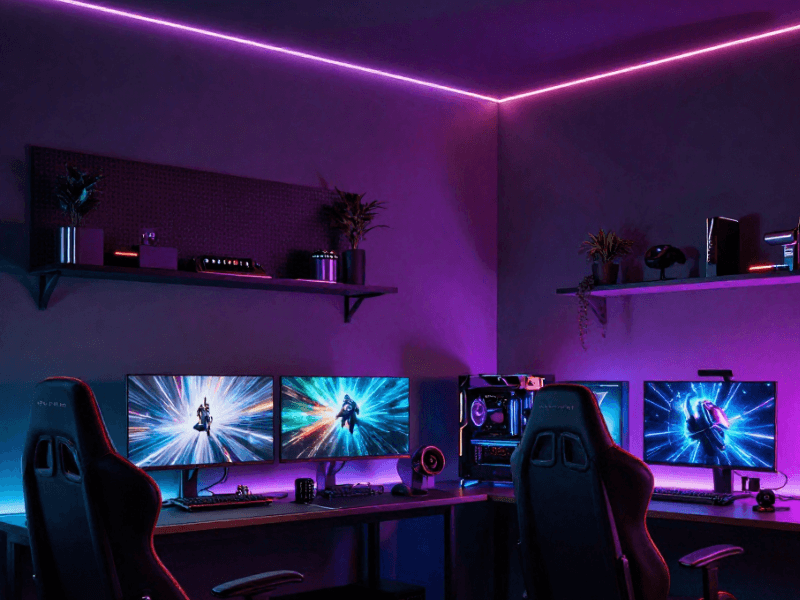
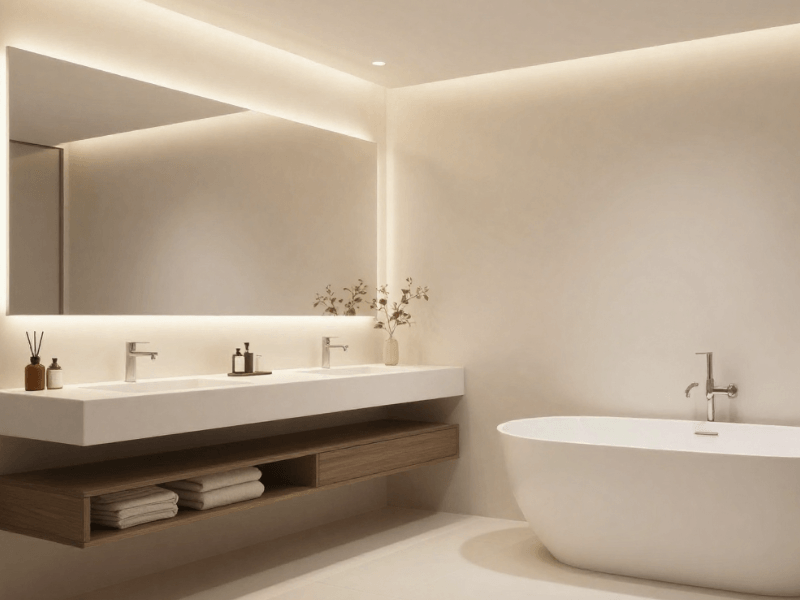
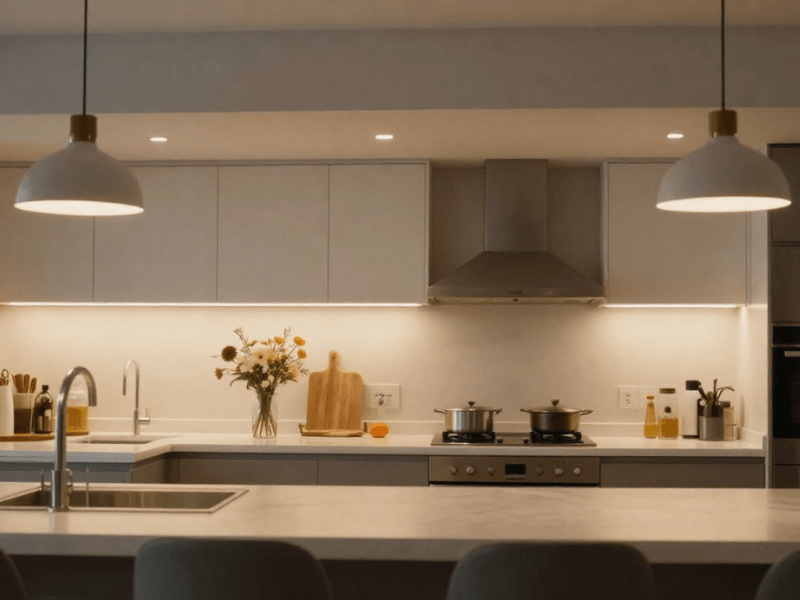
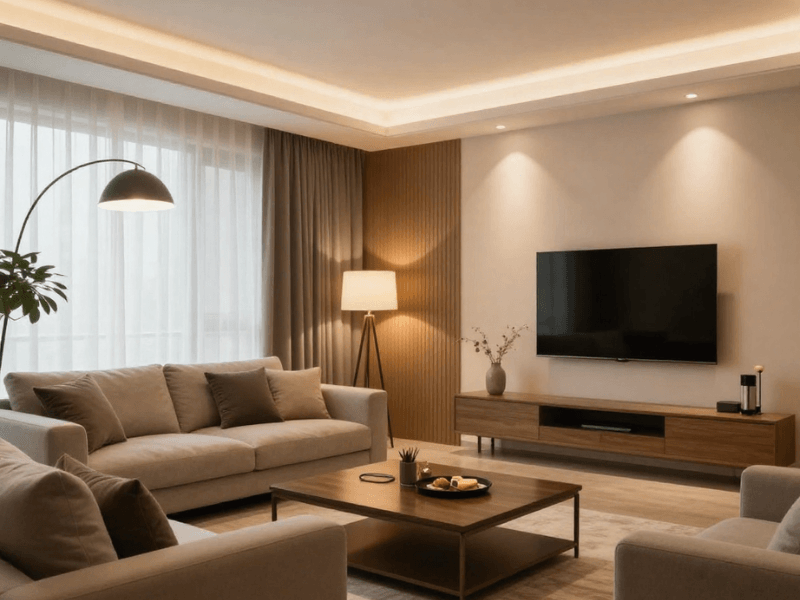
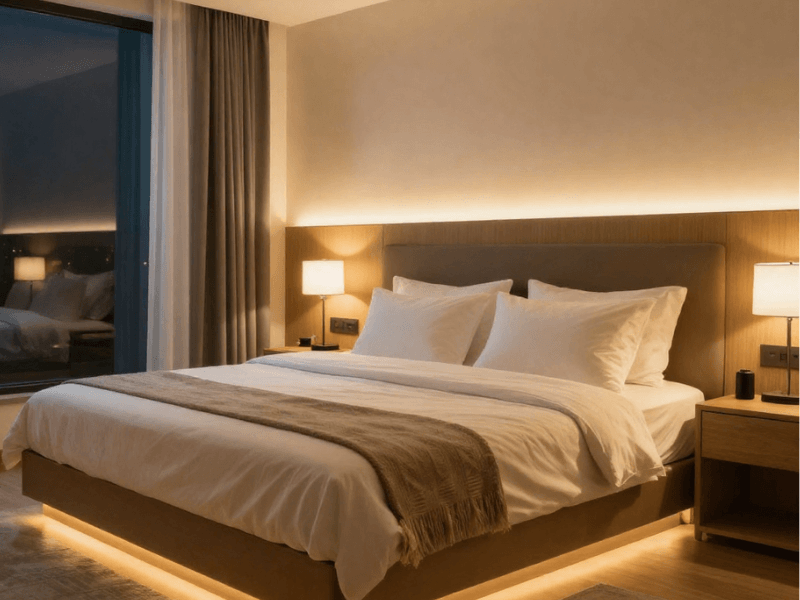
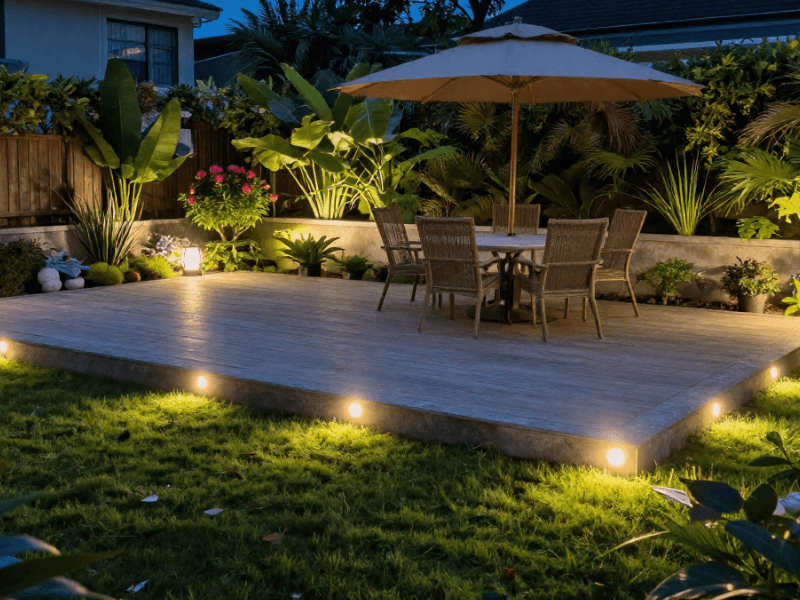
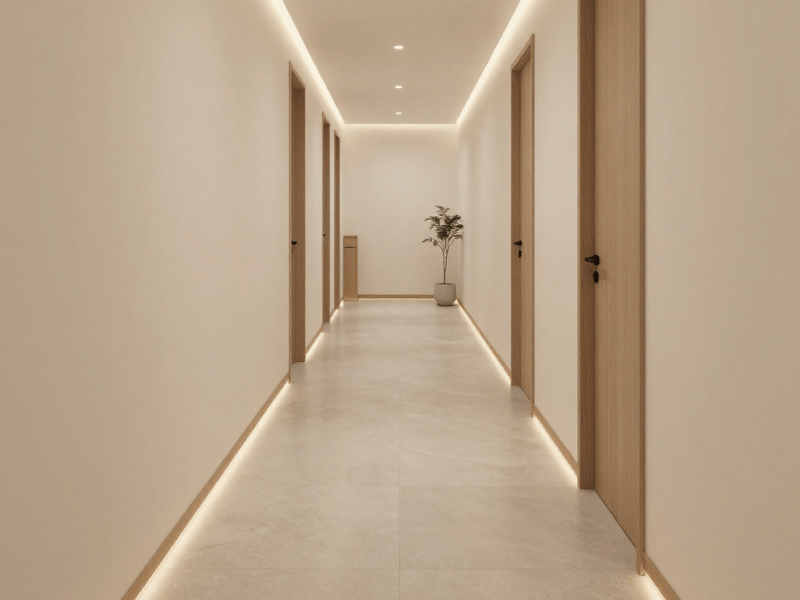

DIY LED lighting sounds wonderfully simple at first. Just stick a strip under a cabinet, plug it in, and enjoy your fancy showroom-style kitchen. Easy, no?
But then reality arrives carrying a bag full of confusion! Suddenly, you’re:
- Measuring cut points repeatedly
- Wondering why the strip cannot be cut where you need it
- Hiding bulky drivers behind cereal boxes
- Dealing with dim sections
- Fighting connectors that seem emotionally unavailable
Traditional LED systems often turn simple upgrades into unnecessarily technical projects. Especially for beginners.
The problem is not LED lighting itself. It’s actually older lighting systems that were never designed with DIY simplicity in mind. Many still rely on rigid cut points, awkward wiring, inconsistent brightness, and overly complicated installation methods.
Thankfully, modern LED lighting has improved dramatically!
Newer systems focus on flexibility, modular installation, and cleaner results. Cut-anywhere LED strips and modern over-cabinet lighting systems solve many of the problems that made older LED setups frustrating in the first place. You’ll no longer need perfect measurements, advanced wiring knowledge, complicated soldering, or endless troubleshooting.
This guide explains:
- Why traditional LED systems frustrate DIYers
- How cut-anywhere technology simplifies installation
- Why 24V systems perform better
- How COB LED strips improve appearance
- The easiest ways to install professional-looking lighting at home
Your lighting project should improve your kitchen, not your ability to swear creatively.
Why Traditional LED Strip Installations Frustrate DIYers
Traditional LED strip systems often look easy in commercials. Most involve someone casually installing beautiful lighting while smiling calmly. Meanwhile, your actual experience is a mishmash of tangled wires, wasted LED strips, and regret.
The biggest issue is not installation simplicity; it’s the older LED systems’ designs. Built around manufacturing convenience, they create problems for everyday DIY users.
Fixed Cut Points Create Fitting Problems
One of the most annoying parts of traditional LED strips is the fixed cutting intervals. Most strips only cut every:
- 25mm
- 50mm
- 100mm
That sounds reasonable until your cabinet length falls awkwardly between those points. For example, your shelf measures 973mm. But since the strip only cuts every 50mm, you either have to leave a gap or waste part of the strip. Neither option looks particularly premium.
This issue becomes especially noticeable in:
- Kitchens
- Wardrobes
- Shelving
- Media walls
Modern interiors rely heavily on clean lines. Uneven lighting instantly stands out.

Visible LED Spotting Looks Dated
Many older LED strips use standard SMD LEDs with noticeable gaps between each diode. That creates visible “dots” of light instead of smooth illumination. You’ll especially notice this:
- On glossy worktops
- Inside aluminium profiles
- On reflective splashbacks
- Under floating shelves
Instead of subtle ambient lighting, you get something closer to airport runway markings. That doesn’t exactly scream luxury interior design, does it?
Connectors Can Be Unreliable
LED connectors are often among the weakest parts of the system. Cheap ones commonly:
- Loosen over time
- Disconnect accidentally
- Flicker intermittently
- Fail completely
The truly impressive part is how they usually fail after you finish the installation. Never before, because that would be too helpful.
Voltage Drop Causes Uneven Brightness
Voltage drop is one of the most common DIY lighting frustrations. This happens when the power weakens along the length of the strip. The results are:
- One side looks bright
- The other side looks dim
- The entire installation looks uneven
Older 12V systems struggle most with this issue. Long cabinet runs become especially problematic because brightness fades more noticeably over greater distances.
Poor Adhesive Systems Cause Sagging
Many LED strips rely entirely on adhesive backing. Unfortunately, cheap adhesive and warm kitchens are not good friends. Over time, strips can:
- Peel away
- Sag
- Detach completely
Nothing ruins sleek under-cabinet lighting faster than a dangling LED strip beside your kettle.
Drivers and Controllers Often Feel Overcomplicated
Some DIY kits include:
- Oversized drivers
- Multiple controllers
- Confusing wiring diagrams
- Terrible instructions
You expected ambient lighting. Instead, you get more homework.
The Most Common DIY LED Lighting Mistakes
Even quality products can perform badly if installed incorrectly. Here are the mistakes homeowners make most often:
Incorrect Driver Sizing
Choosing the wrong driver causes:
- Flickering
- Overheating
- Reduced lifespan
- Unstable performance
An underpowered driver struggles to properly support the strip. An oversized one wastes space unnecessarily.
Cutting in the Wrong Place
Traditional strips punish cutting mistakes harshly. One incorrect cut can permanently damage the circuit. Which means:
- Wasted strips
- Replacement costs
- Unnecessary frustration
Uneven Strip Placement
Poor strip positioning creates:
- Inconsistent diffusion
- Bright hotspots
- Visible dark areas
Spacing matters more than many DIYers realise.
Cheap Connectors Failing
Low-quality connectors commonly tend to:
- Disconnect
- Loosen
- Flicker
This becomes even worse in kitchens where heat and movement affect connections over time.
Poor Cable Management
Messy wiring instantly ruins premium-looking lighting. Visible cables make even expensive installations look unfinished. Good lighting should feel integrated into the space, not draped around it like forgotten Christmas decorations.

What Makes a DIY LED Lighting System “Simple”?
A genuinely simple LED system removes unnecessary complexity. You shouldn’t need advanced electrical knowledge just to install cabinet lighting.
Modern DIY lighting systems focus on:
- Flexibility
- Modular installation
- Cleaner finishes
- Faster fitting
- Reliable performance
The goal is straightforward: reduce frustration while improving results.
Simplicity Reduces Installation Stress
Older systems force you to adapt your project around the product. Modern systems work the opposite way, adapting to your space instead. That means:
- Easier measurements
- Fewer compromises
- Cleaner layouts
- Simpler installation
You’ll spend less time troubleshooting and more time actually enjoying the finished result.
Flexible Systems Create Cleaner Results
Modern LED systems prioritise:
- Exact fitting
- Reduced waste
- Hidden components
- Smoother illumination
This matters hugely in contemporary interiors where lighting becomes part of the overall design. Messy lighting instantly cheapens the space; clean lighting elevates it.
Modular Connectivity Makes Installation Faster
Plug-and-play systems dramatically simplify installation. Instead of complicated soldering, modern systems often use:
- Quick connectors
- Modular LED drivers
- Pre-configured accessories
That makes projects more approachable for beginners, especially people who consider wiring diagrams a form of psychological warfare.
Why Simplicity Matters in Modern Lighting
DIY home improvement has grown massively. More homeowners now want:
- Fast upgrades
- Lower installation costs
- Professional-looking results
- Beginner-friendly systems
Lighting manufacturers finally recognise that most customers are not electricians. Thankfully.
What Is Cut-Anywhere LED Lighting?
Cut-anywhere LED lighting solves one of the biggest frustrations in traditional strip installations. Instead of cutting only at fixed intervals, you can trim the strip far more precisely. That flexibility completely changes the installation experience.
Traditional Cut Points Create Unnecessary Waste
Standard LED strips force you to cut only at marked points. If your measurement falls between those points, you often:
- Waste strip length
- Leave visible gaps
- Compromise the layout
This becomes frustrating in spaces requiring precision, especially:
- Kitchen cabinets
- Shelving
- Wardrobes
- Alcoves
- Media walls
Even small fitting inconsistencies become surprisingly noticeable once the lights turn on.
Cut-Anywhere Technology Improves Precision
Cut-anywhere strips allow far more accurate fitting. That creates:
- Cleaner cabinet runs
- Neater corners
- Improved profile alignment
- More seamless lighting
The finished result feels custom-built rather than “roughly correct”. That’s quite important when guests inevitably ask who installed it.
Traditional LED Strip Cut Points vs Cut-Anywhere Technology
Traditional LED strips:
- Cut every 25mm to 100mm
- Create layout limitations
- Increase wasted material
- Complicates precise installations
Cut-anywhere systems:
- Improve flexibility
- Reduce measuring pressure
- Simplify awkward spaces
- Create exact-fit installations
This becomes especially useful around:
- Uneven cabinets
- Alcoves
- Shelving units
- Tight corners

Why DIYers Love Cut-Anywhere LED Profiles
DIYers love cut-anywhere systems because they reduce installation anxiety. You no longer need perfect measurements before cutting. That means:
- Fewer mistakes
- Less wasted strip
- Faster installation
- Cleaner layouts
They also fit more naturally around custom furniture and modern cabinetry. That’s great, considering modern kitchens rarely feature simple layouts anymore. Apparently, straight lines became too mainstream!
Why 24V LED Lighting Makes DIY Installation Easier
24V LED systems solve several problems that commonly affect older 12V installations. The biggest improvement is consistent performance across longer runs. This matters hugely in modern interiors where continuous lighting has become more popular.
Reduced Voltage Drop Over Longer Runs
Voltage drop occurs when brightness decreases along the length of the strip. 12V systems are more noticeably affected by this issue.
24V systems handle longer runs far better. That gives you:
- More even brightness
- Longer continuous installations
- Fewer dim sections
- Cleaner lighting consistency
This is especially important for:
- Under-cabinet lighting
- Shelving systems
- Media walls
- Larger kitchens
Fewer Power Injection Points
Older systems often require extra power feeds to maintain brightness. 24V strips reduce that requirement significantly. Benefits include:
- Cleaner wiring
- Simpler installation
- Fewer visible cables
- Easier planning
Your project becomes far more manageable overall.
Cleaner, More Professional Lighting Results
24V systems typically produce:
- Steadier illumination
- Reduced flickering
- Better efficiency
- Improved reliability
Everything simply feels more refined, which is exactly what you want after spending an entire Saturday installing it.
Why 24V Is Better for Cabinet Lighting
Cabinet lighting often involves long, uninterrupted runs. 24V systems perform exceptionally well here because they maintain consistent brightness more effectively. You get:
- Smoother under-cabinet lighting
- Better driver positioning flexibility
- Fewer dark spots
- Cleaner visual continuity
Modern kitchens benefit massively from this cleaner appearance, especially minimalist designs where lighting becomes highly visible.
The Best DIY Projects for Cut-Anywhere 24V Lighting
Modern cut-anywhere 24V systems work brilliantly across many home upgrades, especially projects requiring:
- Precision
- Clean finishes
- Seamless illumination
- Under-Cabinet Kitchen Lighting
Under-cabinet lighting remains one of the best DIY upgrades available. It improves:
- Visibility
- Ambience
- Kitchen aesthetics
- Functionality
Cut-anywhere strips make installation easier because they fit cabinets more precisely. That means:
- Fewer awkward gaps
- Cleaner corners
- Better alignment
Under Cabinet Kitchen Lighting
Hidden under-cabinet lighting creates a floating effect beneath worktops. This instantly modernises older kitchens without requiring major renovation work. Far cheaper than replacing your kitchen simply because social media told you matte black taps are “timeless”.

Kitchen Plinth & Toe-Kick Lighting
Plinth lighting creates soft ambient illumination near floor level. Benefits include:
- Floating kitchen effects
- Subtle night lighting
- Modern aesthetics
- Low glare
Low-profile LED systems work especially well here because they’re easy to hide.
Media Wall Lighting
Media walls rely heavily on smooth ambient lighting. Cut-anywhere systems help create:
- Seamless glow effects
- Minimal visible joins
- Cleaner edges
- Balanced illumination
The result feels far more polished and integrated, not like leftover LED strips were shoved behind the television during a caffeine-fuelled impulse project.
Shelving & Wardrobe Lighting
Precision matters hugely in shelving installations.
Cut-anywhere strips allow:
- Exact shelf fitting
- Hidden illumination
- Cleaner furniture integration
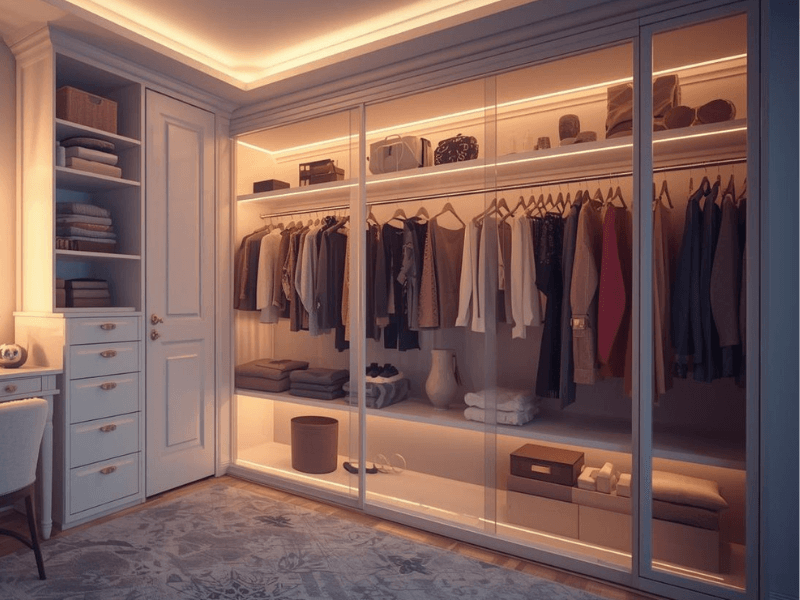
Wardrobes also benefit from:
- Motion sensors
- Soft ambient lighting
- Reduced shadowing
It feels oddly luxurious opening a wardrobe that lights itself properly.
How the “Lighting Made Easy” System Works
Modern modular LED systems emphasise simplicity. The process should feel approachable even for beginners.
Most systems now follow a straightforward workflow:
- Measure
- Cut
- Connect
- Power
- Enjoy
Refreshingly reasonable, innit?
Modular Plug-and-Play Philosophy
Plug-and-play systems simplify installation massively. You avoid:
- Difficult soldering
- Complicated wiring
- Compatibility confusion
Everything connects more quickly and cleanly, significantly reducing installation time.
Step 1 – Measure Your Space
Start with simple measurements. You don’t need absolute perfection thanks to cut-anywhere flexibility. Focus on:
- Cabinet lengths
- Shelf spacing
- Corner transitions
- Driver positioning
Always plan cable routes early. Future-you will appreciate this greatly!
Step 2 – Cut the Strip to Size
Cut-anywhere strips simplify trimming dramatically. You achieve:
- Exact fitting
- Reduced waste
- Cleaner alignment
The overall installation feels far more precise, without the traditional fear of ruining the strip completely.
Step 3 – Connect & Power the System
Modern systems use:
- Quick connectors
- Compatible drivers
- Modular accessories
This speeds up installation significantly. You’ll spend less time troubleshooting and more time admiring your work.
Step 4 – Enjoy Seamless Lighting
Properly installed systems deliver:
- Smooth illumination
- Dot-free lighting
- Cleaner aesthetics
- Professional-looking ambience
Many systems also support:
- Smart dimming
- App control
- Voice assistants
- Automation
So yes, your kitchen lights can technically respond faster than some family members.
Why COB LED Technology Makes the System Look More Premium
COB LED technology significantly improves lighting quality, especially in modern kitchens and minimalist interiors.
Dot-Free Lighting Explained
Traditional SMD strips show visible LED points. COB strips create:
- Continuous illumination
- Smoother diffusion
- Reduced spotting
The difference becomes immediately noticeable on reflective surfaces. Especially:
- Glossy cabinets
- Polished worktops
- Splashbacks
- Glass shelving

Why COB Looks More Luxurious
COB lighting feels softer and more refined. Instead of harsh hotspots, you get:
- Smooth glow
- Balanced diffusion
- Cleaner ambience
This creates a much more premium overall interior appearance, all without requiring luxury showroom budgets.
Why COB Strips Work So Well in Kitchens
Kitchens amplify lighting flaws quickly. Poor-quality strips create:
- Harsh reflections
- Distracting hotspots
- Uneven diffusion
COB technology solves many of those problems beautifully. The result feels:
- Calmer
- Cleaner
- More expensive
- More modern
Smart DIY LED Lighting Ideas
Smart lighting continues to grow rapidly in modern homes. And honestly, controlling your kitchen lights from your phone still feels unnecessarily satisfying.
Popular Smart Lighting Features
Modern systems often support:
- Motion sensors
- Smart dimming
- App automation
- Voice control
- Scheduling
RGB systems also allow:
- Colour-changing scenes
- Mood lighting
- Entertainment setups
Motion Sensors Simplify Everyday Use
Motion sensors work brilliantly in:
- Wardrobes
- Utility rooms
- Kitchens
- Hallways
They improve convenience while reducing unnecessary energy use. Especially useful during late-night snack missions.
Is Smart Cabinet Lighting Worth It?
For many homeowners, absolutely! Benefits include:
- Easier control
- Energy savings
- Flexible ambience
- Modern functionality
Smart lighting also helps spaces feel more premium without requiring major renovation work.
Common DIY LED Lighting Mistakes This System Helps Avoid
Modern modular systems eliminate many classic installation problems. That makes projects:
- Easier
- Faster
- Cleaner
- Less stressful
Reduced Cutting Mistakes
Cut-anywhere flexibility reduces measuring pressure dramatically. You avoid:
- Uneven lengths
- Wasted strips
- Awkward gaps
Fewer Voltage Drop Issues
24V systems maintain brightness more consistently, especially across larger installations.
Cleaner Lighting Diffusion
COB technology automatically eliminates many spotting problems. You get smoother lighting with far less effort.
Simpler Installation Overall
Plug-and-play systems reduce wiring complexity significantly. That means:
- Fewer connection problems
- Faster installation
- Easier troubleshooting
Your weekend project actually stays within the weekend for once. A surprisingly rare achievement in DIY!
Why More Homeowners Are Choosing Modular LED Lighting Systems
DIY home upgrades are becoming increasingly popular. People increasingly want improvements that feel:
- Achievable
- Stylish
- Beginner-friendly
Modern modular LED systems fit perfectly into that trend.
Simpler Systems Appeal to More Homeowners
Most people now prioritise:
- Quick installation
- Minimal maintenance
- Cleaner aesthetics
- Easier setup
Complicated lighting systems simply feel outdated now.
Minimalist Interiors Need Better Lighting
Modern interiors rely heavily on:
- Hidden illumination
- Seamless diffusion
- Clean lines
Modular LED systems support these styles beautifully.
Smart Home Integration Continues Growing
More homeowners also want:
- App-controlled lighting
- Voice assistants
- Automation
- Scene control
Modern LED systems increasingly support all of it.

Final Thoughts: The Future of DIY Lighting Is Simpler Than Ever
DIY lighting no longer needs to feel complicated. Modern cut-anywhere LED systems solve many of the frustrations that made older installations stressful and unnecessarily technical.
Combined with 24V performance and COB lighting technology, today’s systems offer:
- Cleaner results
- Easier installation
- Smoother illumination
- Better reliability
- More flexibility
You can now achieve professional-looking lighting without needing specialist skills or complicated wiring knowledge. That’s exactly how DIY lighting should work.
If you want simpler installation with cleaner results, it’s worth exploring the modern cut-anywhere and 24V cabinet lighting systems available from Simple Lighting.
We offer:
- Cut-anywhere LED strips
- 24V cabinet lighting systems
- COB LED strip options
- Plug-and-play accessories
- Smart lighting solutions
- Aluminium LED profiles
Whether you’re upgrading a kitchen, media wall, wardrobe, or shelving project, modern modular lighting makes the entire process far easier.


0 comments