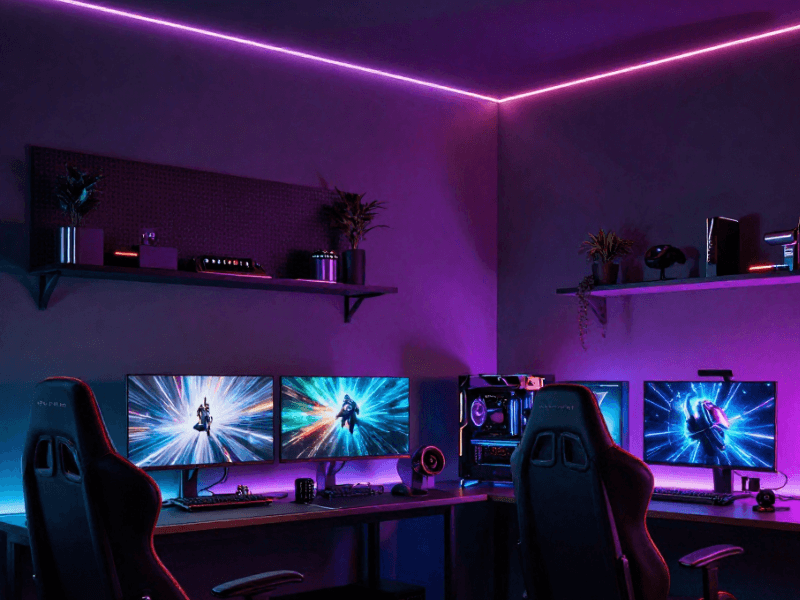
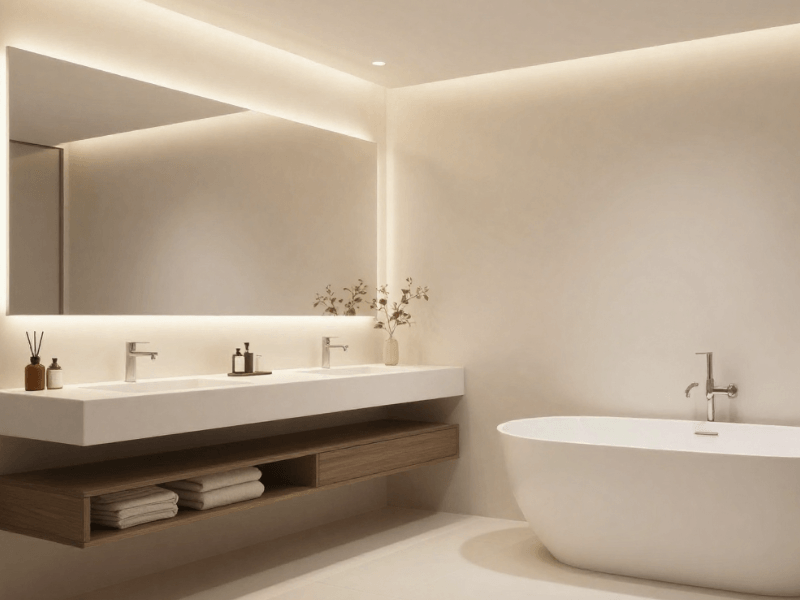
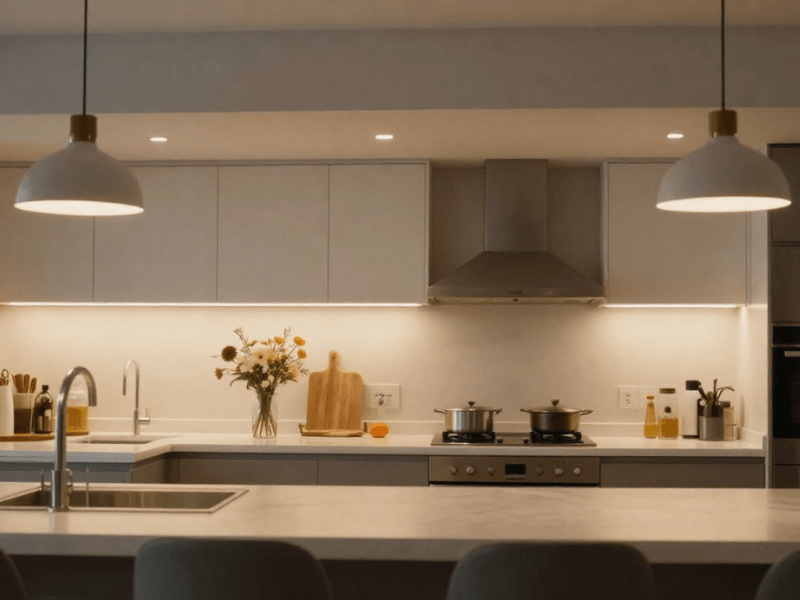


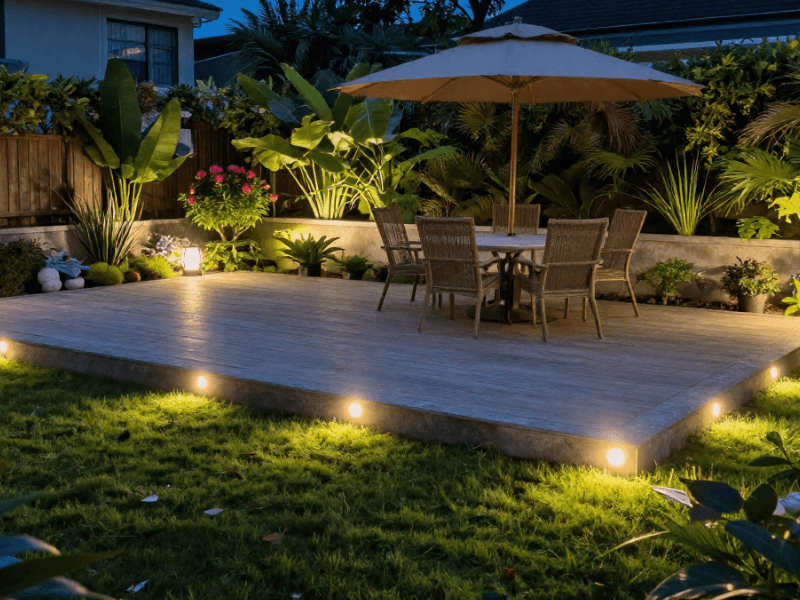




LED Tape
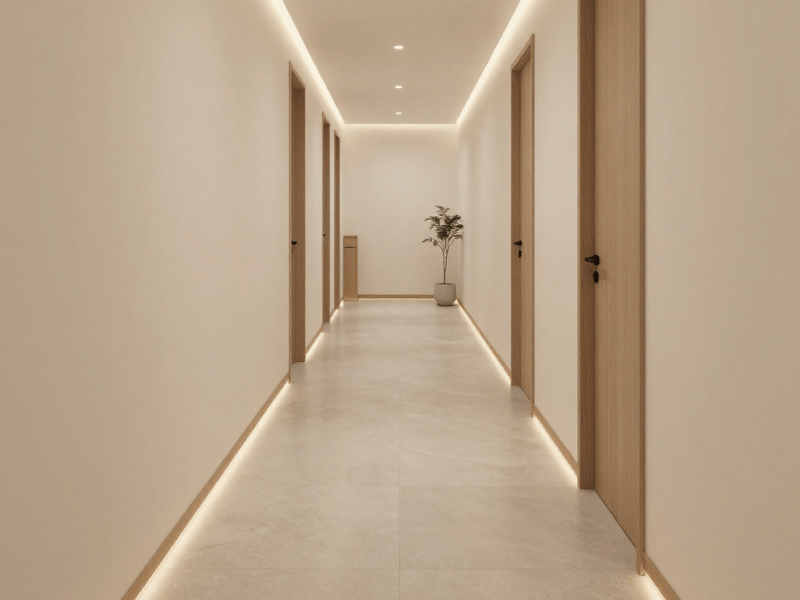
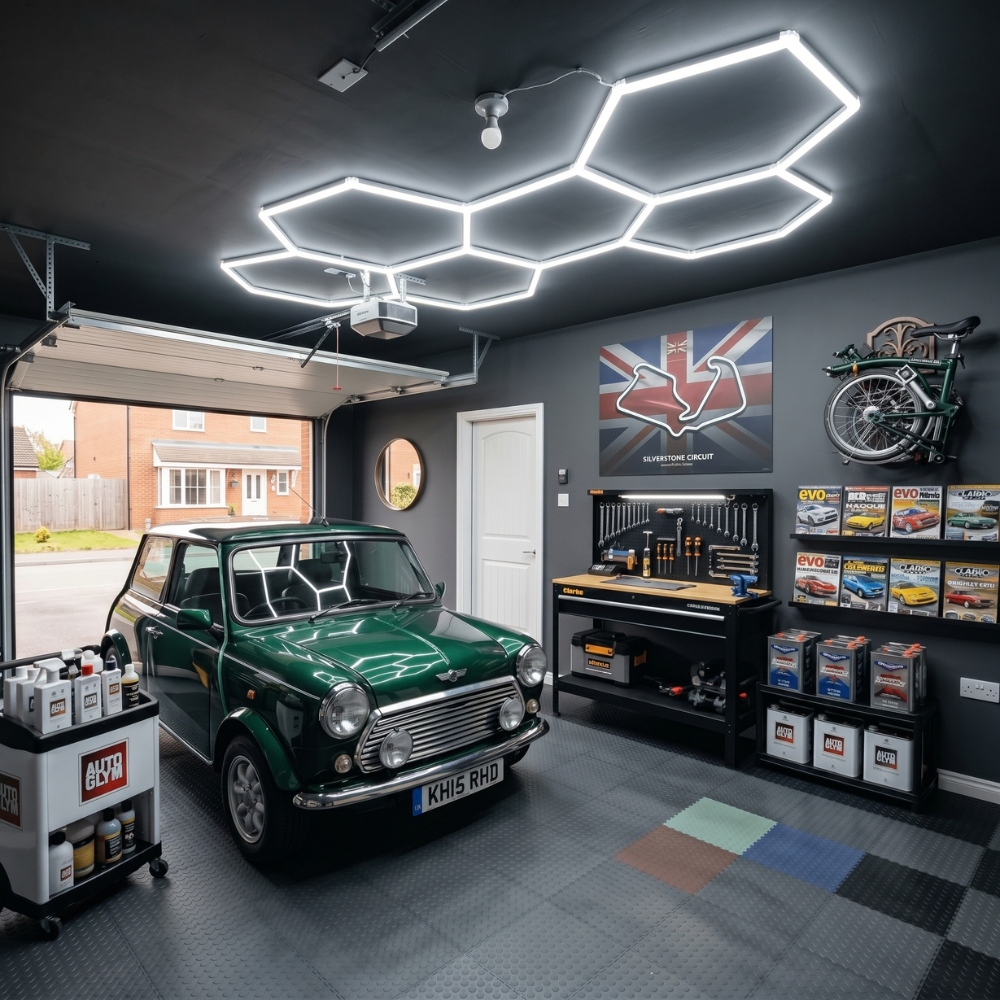
LED tape is also known as LED strips or ribbon lights. LED tapes are a popular (and ideal) lighting choice for residential and commercial applications due to their high energy efficiency, potential cost savings, and versatility.
They produce minimal heat, making them safe for indoor installations. Since there’s minimal wasted energy, they require very little power to operate. They also don’t need a lot of maintenance, making them one of the most cost-effective lighting solutions.
Filters
Sort Featured
-
 In Stock
Cool White LED Tape - 5w Per Metre
£5.35 Was £9.75INC VAT -
 In Stock
Green LED Tape/Strip Light - 5w Per Metre
£6.69 Was £12.29INC VAT -
 In Stock
Warm White 5w LED Strip Lighting, 5 Year Warranty
£5.35 Was £9.75INC VAT -
 In Stock
Blue COB LED Strip Lighting, Self Adhesive, 6w Per Metre
£10.25 Was £15.39INC VAT -
 In Stock
Colour Temperature Adjustable LED Tape - Warm to Cool White 2750-6500K
£13.35 Was £30.75INC VAT -
 Sold Out
10w Cool White LED Tape - 120 LEDs P/M - 6000K
£7.69 Was £12.29INC VAT -
 Sold Out
Natural White LED Tape 120 LEDs Per Metre - 4000K
£7.69 Was £12.29INC VAT -
 In Stock
LED Tape, Warm White 10w P/M 3000K
£7.69 Was £12.29INC VAT -
 In Stock
LED Tape, Cool White IP65 Waterproof
£8.75 Was £12.29INC VAT -
 In Stock
LED Tape, IP65 Warm White, 5w Per Metre 3000K
£8.75 Was £12.29INC VAT -
 In Stock
IP65 LED Tape, 5w P/M - 4000K Natural White
£8.75 Was £12.29INC VAT -
 In Stock
LED Tape, IP20 Natural White 4000K, 5w P/M
£5.35 Was £9.75INC VAT -
 In Stock
LED Tape, IP65 High Power 15w P/M Warm White
£14.35INC VAT -
 Sold Out
IP65 LED Tape, High Brightness, 120 LEDs P/M 10w Natural White
£14.35INC VAT -
 In Stock
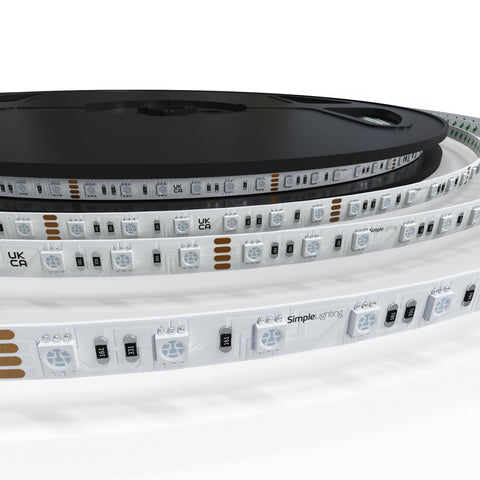
LED Tape, RGB Colour Changing 60 LEDs P/M 15W
£7.09 Was £8.75INC VAT -
 In Stock
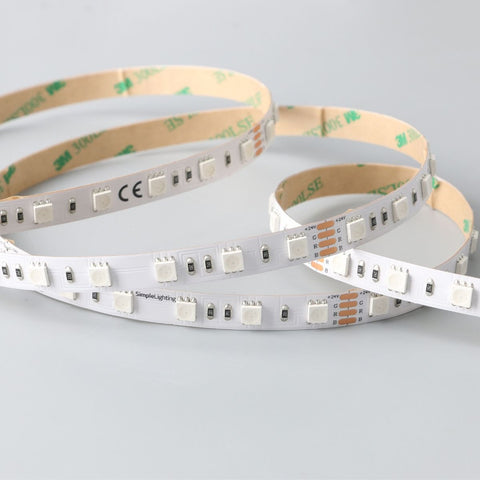
RGB LED Tape, IP65 Waterproof, 15w, 60 LEDs P/M
£9.45 Was £11.29INC VAT -
 In Stock
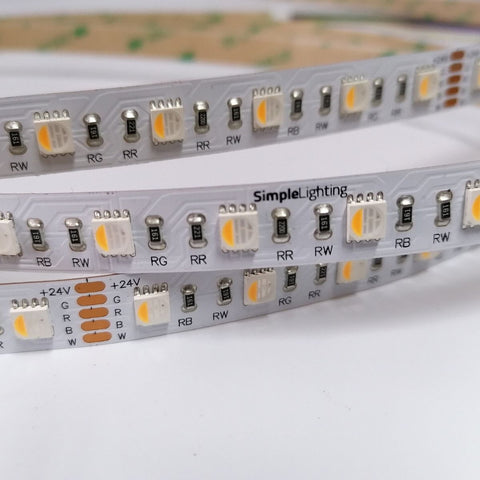
LED Tape, RGBW 19.2w P/M, 60 LEDs Warm White
£11.29 Was £12.29INC VAT -
 In Stock
5m, LED Strip Light / Tape Kit, Cool, Warm & Natural White
£15.39 Was £25.65INC VAT -
 In Stock
COB LED Strip - No Spots, Cool, Warm or Natural White, CRI >90
£12.29 Was £30.75INC VAT -
 In Stock
5m Long 4mm Flexible Neon Flex / Strip Lighting - Dotless
£49.99 Was £59.95INC VAT -
 In Stock
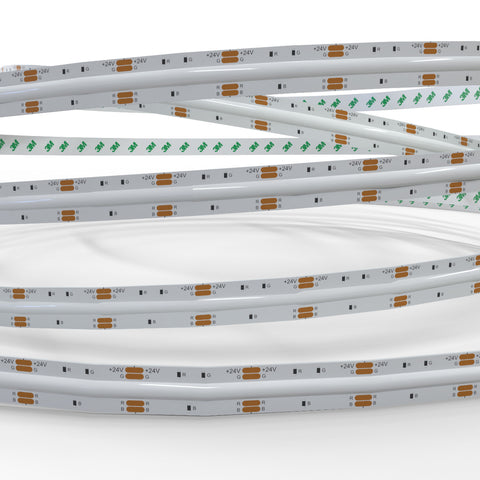
COB RGB LED Strip Light - Dotless Colour Changing LED Tape
£16.39 Was £40.99INC VAT -
 In Stock
IP67 Dotless, Waterproof COB LED Strip , CRI 90, Cool, Natural or Warm White Light
£12.85 Was £20.49INC VAT -
 In Stock
Digital, Pixel LED Strip Light, Chasing Effect - WS2811, 14.4w
£9.75 Was £14.35INC VAT -
 In Stock
12w Dotless, COB IP67 Waterproof LED Strip - Colour Adjustable / Tunable
£16.39 Was £25.65INC VAT


Frequently Asked Questions
How long do LED tape lights typically last?
High-quality LED tape lights typically last between 25,000 to 50,000 hours, which translates to roughly 15-25 years of normal use. This impressive lifespan is due to their efficient design and minimal heat production, making them far more durable than traditional lighting options.
Can LED tape be cut to size?
Yes, most LED tape can be cut to your desired length at designated cutting points, usually marked every few centimetres along the strip. These cutting marks ensure you don't damage the circuitry, and you can typically reconnect cut sections using connectors or soldering if needed.
Do LED strips need a driver or transformer?
Yes, LED tape requires a compatible LED driver or transformer to convert mains voltage (240V in the UK) down to the low voltage that LED strips operate on, typically 12V or 24V. The driver size depends on the total wattage of your LED tape installation.
What's the difference between IP20, IP65, and IP67 LED tape?
IP20 LED tape has no water protection and is suitable for dry indoor use only. IP65 tape is water-resistant and can handle splashes, making it ideal for kitchens and bathrooms. IP67 tape is waterproof and can be submerged, perfect for outdoor applications or wet areas.
How do you install LED tape lights?
Most LED tape comes with self-adhesive backing, so you simply peel off the protective layer and stick it to a clean, dry surface. For permanent installations or heavy-duty applications, you can use mounting clips or aluminium channels for added security and heat dissipation.
What's the difference between COB and regular LED tape?
COB (Chip on Board) LED tape has densely packed LED chips that create a continuous, uniform light output without visible dots or hotspots. Regular LED tape uses individual LED chips spaced along the strip, which can sometimes show individual points of light, especially when viewed directly.
Can you dim LED tape lights?
Yes, but you'll need dimmable LED tape and a compatible dimming system. This typically involves using a dimmable LED driver and either a wall dimmer switch designed for LED loads or a dedicated LED controller. Always check that all components in your setup are dimming-compatible.
What colour temperature should I choose for LED tape?
Warm white (2700K-3000K) creates a cosy atmosphere perfect for living areas and bedrooms. Natural white (4000K) offers balanced lighting ideal for kitchens and workspaces. Cool white (6000K+) provides bright, energising light suitable for task lighting and commercial applications.