Industrial & Warehouse Lighting - The Complete UK Guide
In large industrial environments, lighting is not just a detail. It's a core part of the building, affecting how safely and efficiently your space operates.
This guide will explain what industrial lighting is and why it matters. Learn how to meet UK regulations, improve visibility, and choose lighting that suits your space.
Contents
What Is Industrial and Warehouse Lighting?
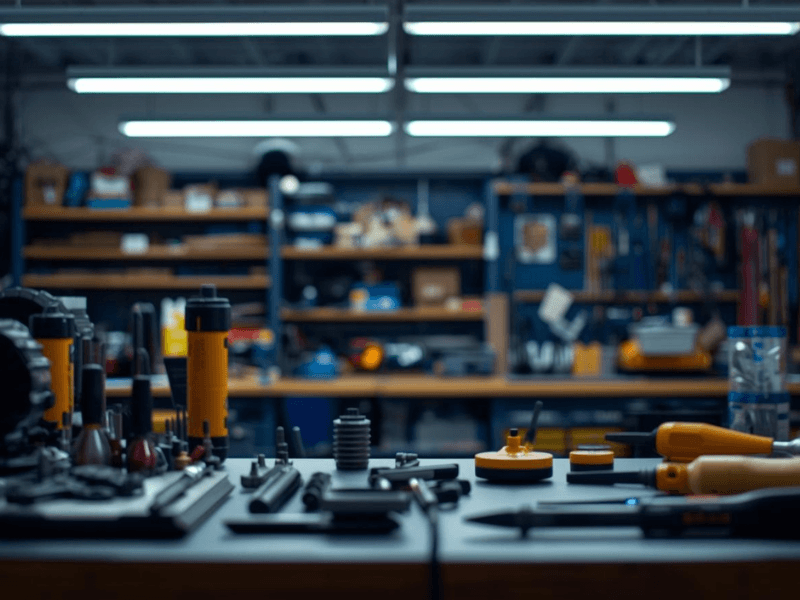
Industrial and warehouse lighting is designed for large commercial spaces with constant daily activity. It provides clear, dependable light across vast areas and high ceilings.
This type of lighting supports safe movement, accurate tasks, and smooth workflows. It also helps reduce accidents, improve visibility, and maintain consistent working conditions throughout the space.
These systems are built for demanding environments. Modern fittings use durable materials and LED technology. They improve efficiency, reduce maintenance needs, and help you meet UK safety and compliance standards over time.
Key Lighting Requirements for Industrial Spaces
Industrial spaces need the best possible lighting setup. So, during the planning, ensure the following:
- Adequate brightness. Provide enough light for safe movement and clear visibility across all areas.
- Even light distribution. Avoid dark spots, shadows, and glare, as they can increase risks.
- Task-specific lighting. Use higher light levels at workstations, packing areas, and inspection points.
- High-ceiling performance. Choose fittings that deliver strong output and wide coverage from height.
- Good colour rendering. Help staff read labels, spot hazards, and identify controls easily.
- Reduced eye strain. Consistent lighting supports comfort during long shifts.
UK Regulations and Safety Standards
At the same time, you must choose industrial lighting that meets UK safety and building requirements. Key regulations include:
- Health and Safety at Work etc. Act 1974. Requires employers to provide safe lighting for employees and visitors.
- Workplace (Health, Safety and Welfare) Regulations 1992. States that workplaces must have suitable and sufficient lighting.
- BS EN 12464-1. Sets minimum lighting levels, uniformity, and glare limits for indoor work areas.
- BS 5266-1:2025. Covers emergency lighting requirements for safe evacuation during power failure.
- IET Wiring Regulations (BS 7671). Governs the safe installation and testing of electrical lighting systems.
Types of Industrial and Warehouse Lighting
Different spaces require different lighting types. The most common options include:
- High bay lights. Designed for areas with high ceilings, such as warehouses and factories.
- Low bay lights. Suitable for spaces with lower ceilings that need wide, even light.
- Linear LED lights. Ideal for aisles, shelving rows, and production lines. They provide consistent coverage.
- Floodlights. Used for loading bays, yards, and large open areas, both indoors and outdoors.
- Emergency lighting. Includes exit signs and backup fittings to support safe evacuation.
Note: LED lighting is now standard across industrial settings. It offers long life, high efficiency, and reliable performance in demanding environments.
Energy Efficiency and Cost Savings
Energy-efficient lighting reduces running costs across large sites. With LED lighting, you'll use far less power. It also lasts longer, cutting replacement costs.
Meanwhile, smart controls further improve savings. Motion sensors reduce waste in low-use areas. And timers and zoning give you better control.
Efficient layouts help you use fewer fittings without losing brightness. Over time, these improvements lower bills and support sustainability targets.
Installation, Maintenance, and Upgrades
Careful planning helps keep your site running smoothly. Focus on the following areas:
- Installation planning. Assess ceiling height, layout, access, and operating hours before work begins.
- Minimal disruption. Schedule work to reduce downtime in busy industrial environments.
- Routine maintenance. Clean fittings and check performance to keep lighting safe and reliable.
- Emergency lighting checks. Test backup systems regularly to ensure compliance with safety requirements.
- System upgrades. Replace older fittings with LED solutions to improve efficiency and light quality.
Frequently Asked Questions
What lighting is best for warehouses and factories?
High-bay, low-bay, and linear LED lights work best. The right choice depends on ceiling height and tasks.
Are LED lights suitable for industrial spaces?
Yes. LED lights are efficient, durable, and reliable. They handle long hours and demanding conditions well.
How often should industrial lighting be maintained?
You should inspect lighting regularly. Emergency systems must be tested on a set schedule to stay compliant.
Upgrade Your Industrial Lighting with Confidence
Take a fresh look at your current lighting setup. The right solution improves safety, reduces energy costs, and keeps your site compliant.
At Simple Lighting, you'll find reliable industrial lighting products, expert guidance, and compliant solutions designed for demanding commercial spaces. Visit our website today!