






Myth #1: LEDs Are Too Expensive
One of the well-known myths about LEDs is that they are more expensive than traditional light bulbs. There are truths about this in some ways since LEDs are pricier in terms of upfront cost. However, this should not hinder you from trying them. When you consider the efficiency rate and longevity of LED lighting, they are more affordable to use in the long run! The savings you can earn from lower electricity consumption and reduced maintenance expenses can pay off the initial payment you made! While an incandescent bulb has a lifespan of 750 to 1,200 hours, and a CFL bulb can live for 10,000 hours, an LED bulb can last for about 25,000 hours!Myth #2: LEDs Don’t Save Much Energy
Some say that LED lamps consume the same amount of energy as traditional bulbs. This is not true! In fact, LEDs are the opposite of conventional fittings. They use up to 75% less energy than incandescent bulbs and 25% less than CFLs. An LED lamp can convert about 90% of the electricity it consumes into light, with about 10% becoming waste (heat). Because of this, even if it has a low wattage requirement, it can produce substantial illumination. Why don’t you check it yourself? Try comparing the energy labels of an LED bulb and a traditional fitting. Check the wattage and lumens to see which is really the more energy-saving option!
Myth #3: LEDs Are Too Bright or Too Dim
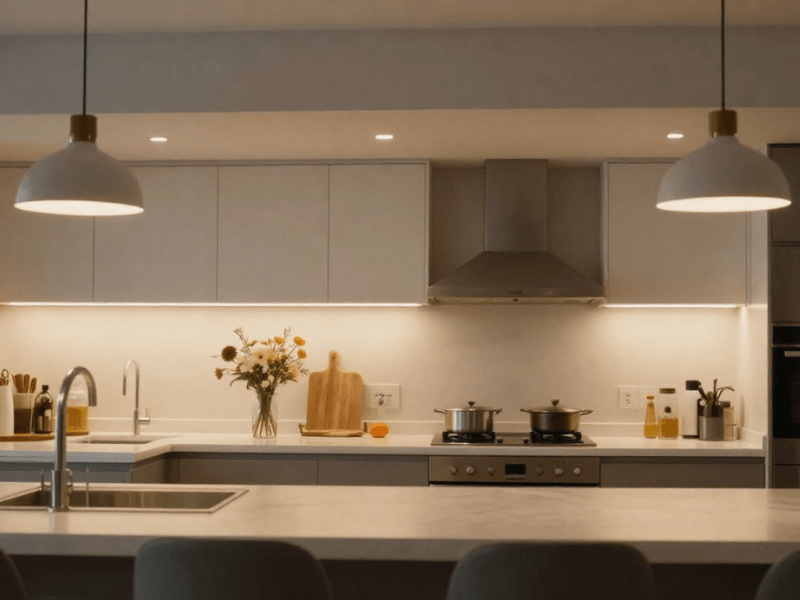
You may have heard that LEDs either overpower the room with brilliance or fail to provide adequate brightness. Well, this is another myth because LEDs have a broad spectrum of brightness levels and colour temperatures. The issue probably started because people were using the wrong LED bulb. To achieve the best lighting setup, you should know the room's appropriate lumens and colour temperature. In areas where you rest, like the living room and bedroom, using a lower lumen count with a warm white LED colour is best, as it creates a soothing and relaxing atmosphere. Alternatively, in spaces where you work, like the kitchen, using a higher lumen count with a cool white or natural white colour temperature is ideal, as it provides the necessary illumination for a clear view! For more flexibility and customisation options, use dimmable colour temperature adjustable LED bulbs. In addition to the variation in brightness level, they also let you choose between cool white, natural white, and warm white light!Myth #4: LEDs Don’t Work With Older Fixtures and Switches
LEDs not working with older fixtures and switches are not entirely true and false. Here’s what you need to know! While most LED lamps are made to be retrofitted into standard fixtures, some do require LED-compatible dimmer switches. Before purchasing, it’s necessary to check if the LED fitting requires an LED-compatible dimmer switch or if the bulbs can accommodate a standard lamp holder. When in doubt, don’t hesitate to consult professionals!Myth #5: LEDs Are Harmful to the Environment
Some accounts claim that LEDs contain toxic chemicals, similar to compact fluorescent lamps (CFL). There’s no truth to this! In fact, LED bulbs are Mercury-free and recyclable, making them an eco-friendly option. They can also lessen carbon emissions because of the lower energy consumption and reduced waste disposal!Myth #6: LEDs Take Time to Light Up Fully
When you hear people saying that LEDs take time to reach full brightness, tell them it's not true. An LED lamp is at full brightness immediately upon switching it on. Unlike some CFLs and halogens, which require a warm-up period of a few seconds or minutes, an LED lamp instantly produces its promised brightness!


0 comments