











Under Cabinet Lighting
Shop under cabinet lighting for kitchen worktops, shelves and cupboards. Choose linkable LED bars for straight runs, slim panels or puck lights for individual cabinets, and LED strip for a continuous line of light. Compare dimensions, colour temperature and power requirements to suit your layout.
At Simple Lighting, you can find individual fittings and multi-light kits. For product comparisons and an ordering checklist, read our under-cabinet lighting buying guide.
Filters
Sort Featured
-
 In Stock
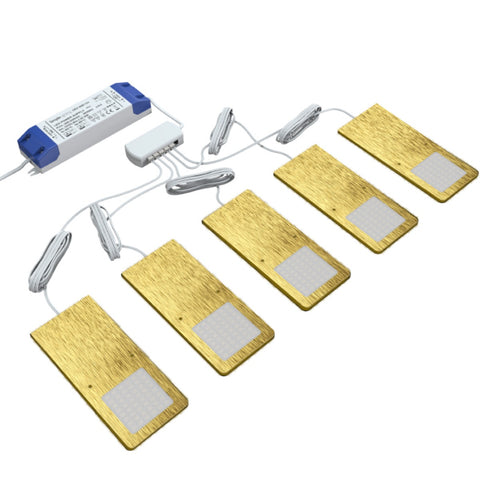
5 x Recti 5W Super Slim LED Under Cabinet Lights & Driver Kit – Brushed Brass
£93.29 Was £115.70INC VAT -
 In Stock
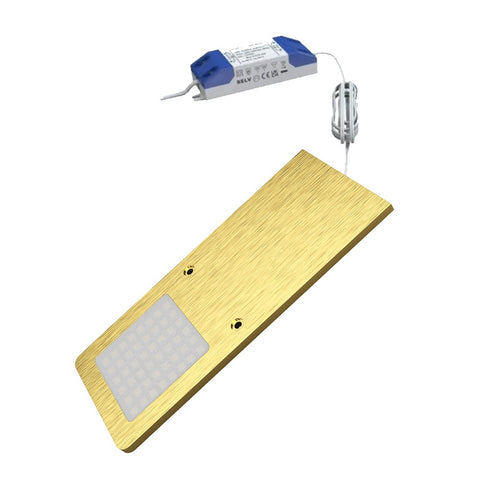
Recti 5W Super Slim LED Under Cabinet Light & Driver Kit – Brushed Brass
£23.95 Was £29.28INC VAT -
 In Stock
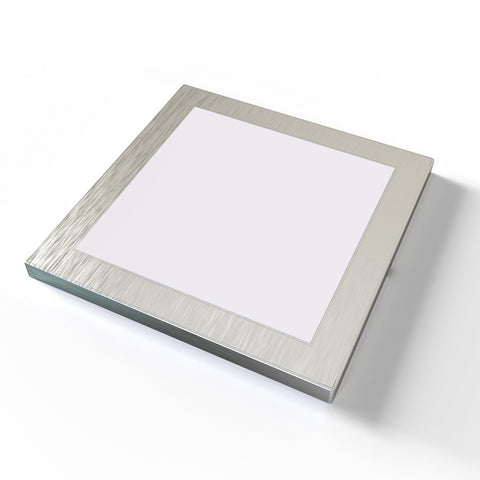
2.4W LED Magnetic Cabinet Light 100mm Square Silver
£7.49 Was £9.20INC VAT -
 In Stock
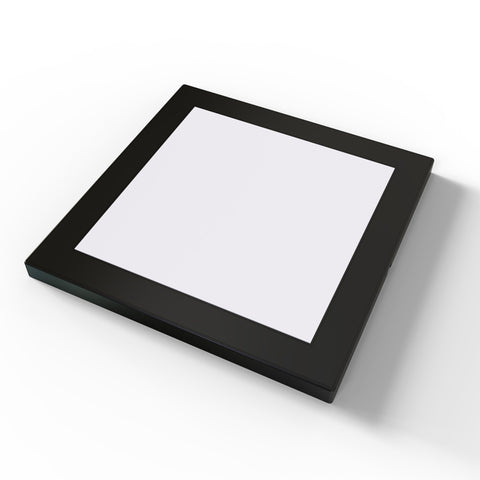
2.4W LED Magnetic Cabinet Light 100mm Square Black
£7.49 Was £9.20INC VAT -
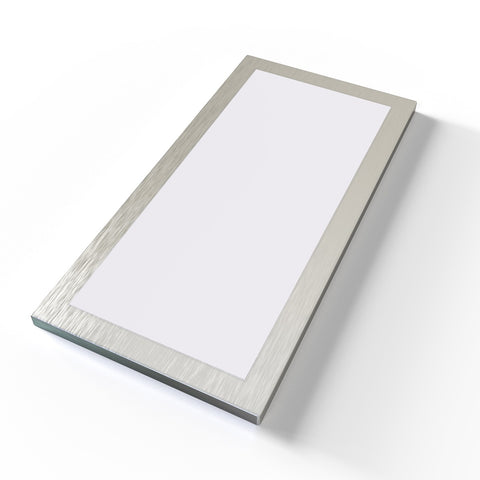 In Stock
4.8W LED Magnetic Cabinet Light 200x100mm Silver
£12.49 Was £15.15INC VAT -
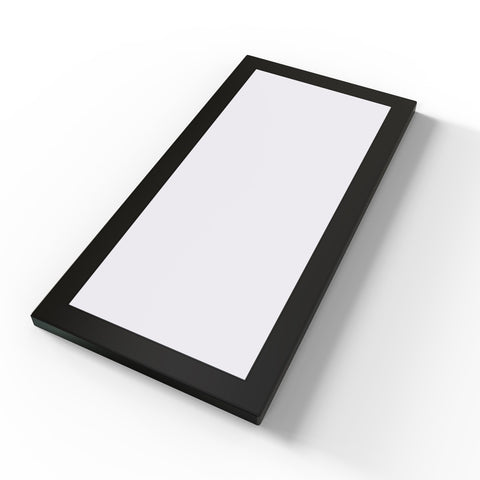 In Stock
4.8W LED Magnetic Cabinet Light 200x100mm Black
£12.49 Was £15.15INC VAT -
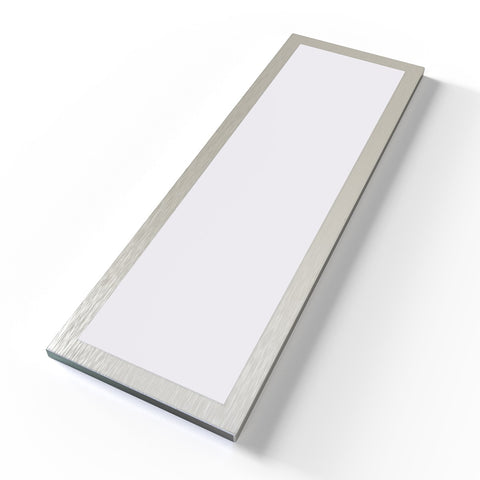 In Stock
7W LED Magnetic Cabinet Light 300x100mm Silver
£15.85 Was £19.25INC VAT -
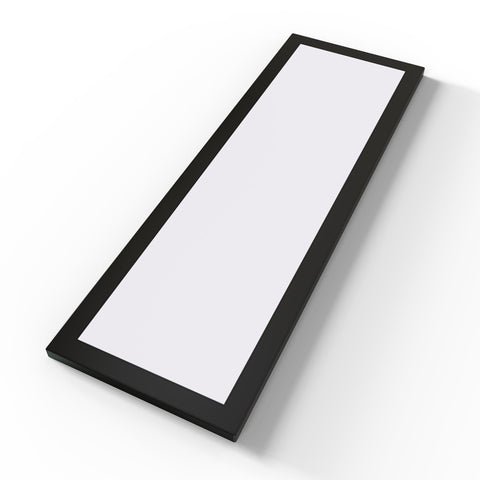 In Stock
7W LED Magnetic Cabinet Light 300x100mm Black
£15.85 Was £19.25INC VAT -
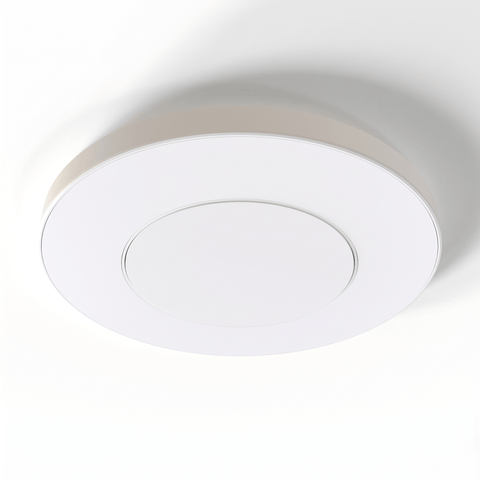 In Stock
2.6W LED Magnetic Cabinet Light 75mm Round White
£7.45 Was £9.35INC VAT -
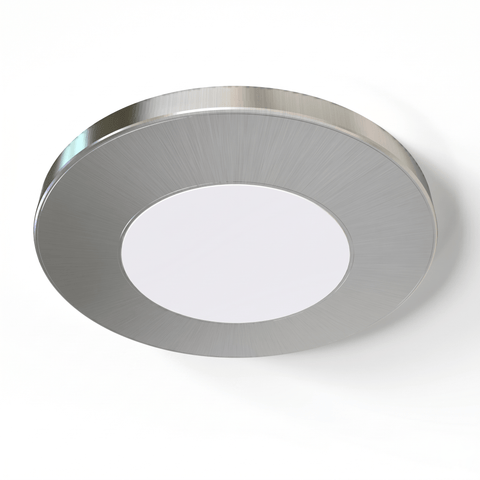 In Stock
2.6W LED Magnetic Cabinet Light 75mm Round Silver
£7.45 Was £9.35INC VAT -
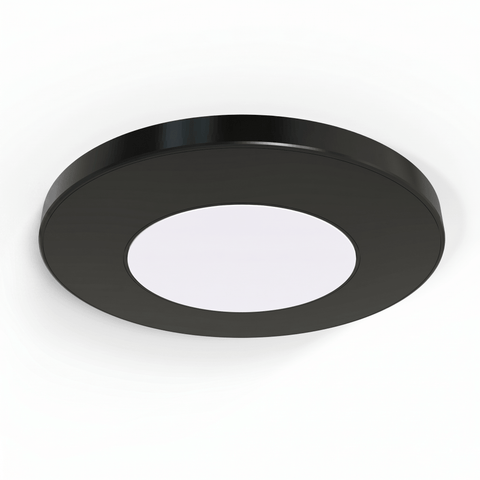 In Stock
2.6W LED Magnetic Cabinet Light 75mm Round Black
£7.45 Was £9.35INC VAT -
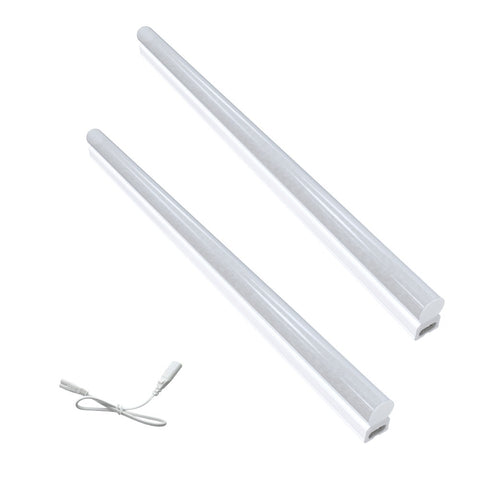 In Stock
LED T5 Under Cabinet Light 575mm - Pack of 2 with Link Cable, Switchable CCT
£24.49 Was £30.97INC VAT -
 In Stock
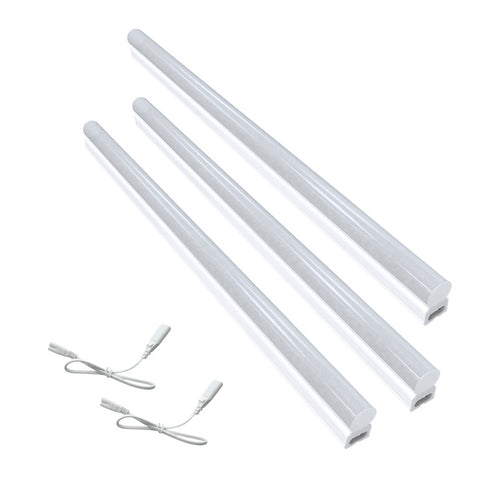
LED T5 Under Cabinet Light 575mm - Pack of 3 with Link Cables, Switchable CCT
£38.05 Was £47.95INC VAT -
 In Stock
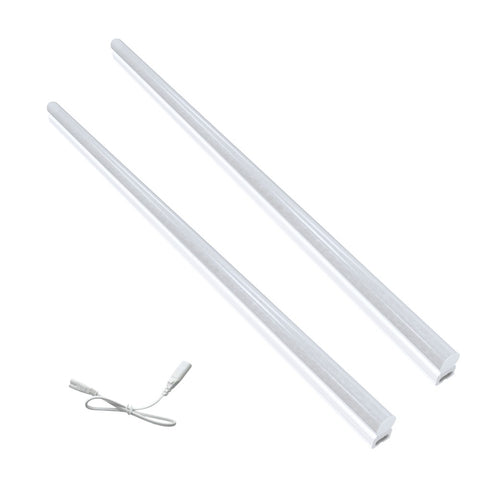
LED T5 Under Cabinet Light 875mm - Pack of 2 with Link Cable, Switchable CCT
£31.39 Was £36.97INC VAT -
 In Stock
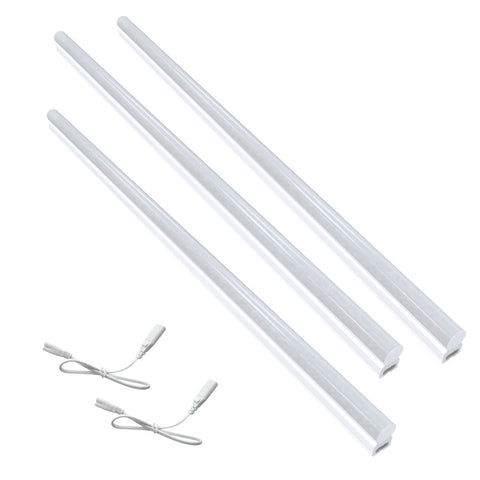
LED T5 Under Cabinet Light 875mm - Pack of 3 with Link Cables, Switchable CCT
£48.39 Was £56.95INC VAT -
 In Stock
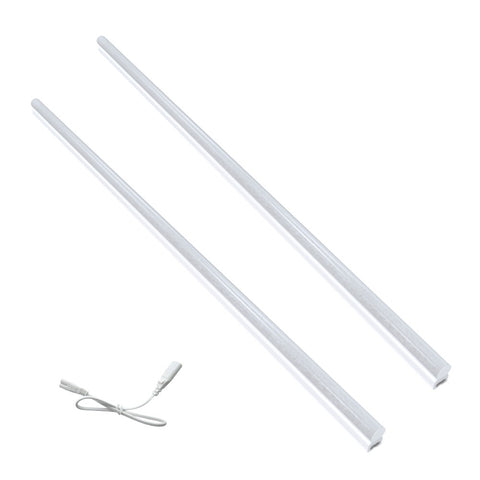
LED T5 Under Cabinet Light 1175mm - Pack of 2 with Link Cable, Switchable CCT
£37.59 Was £42.97INC VAT -
 In Stock
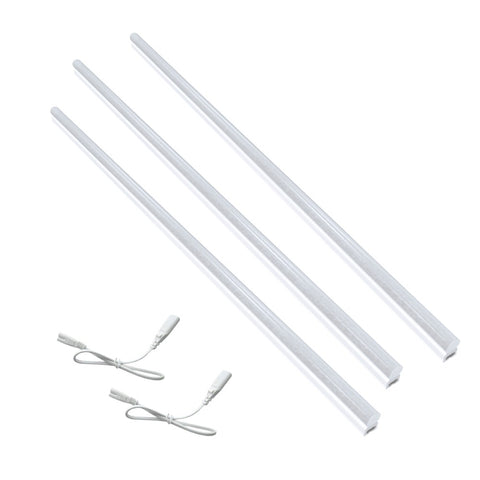
LED T5 Under Cabinet Light 1175mm - Pack of 3 with Link Cables, Switchable CCT
£57.65 Was £65.95INC VAT -
 In Stock
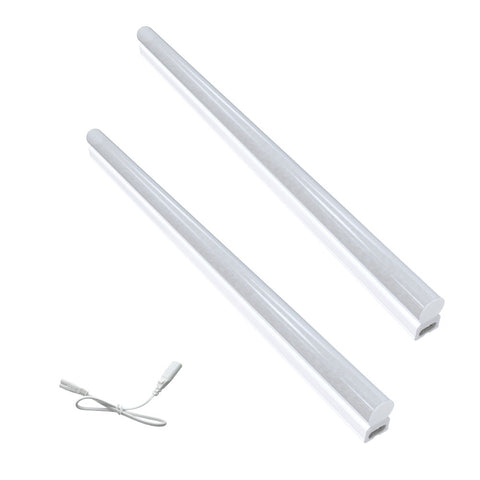
LED T5 Under Cabinet Light Kit - Small Kitchen, 2x 575mm, Switchable CCT
£24.49 Was £30.97INC VAT -
 In Stock
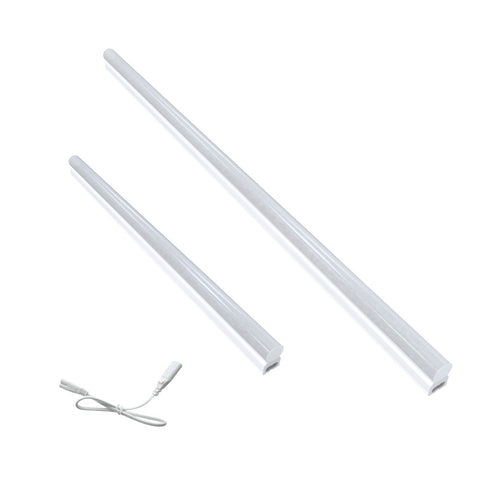
LED T5 Under Cabinet Light Kit - Medium Kitchen, 875mm + 575mm, Switchable CCT
£27.95 Was £33.97INC VAT -
 In Stock
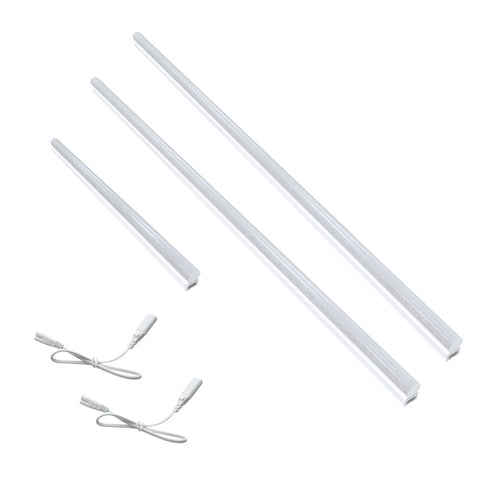
LED T5 Under Cabinet Light Kit - Large Kitchen, 2x 1175mm + 575mm, Switchable CCT
£51.09 Was £59.95INC VAT -
 In Stock
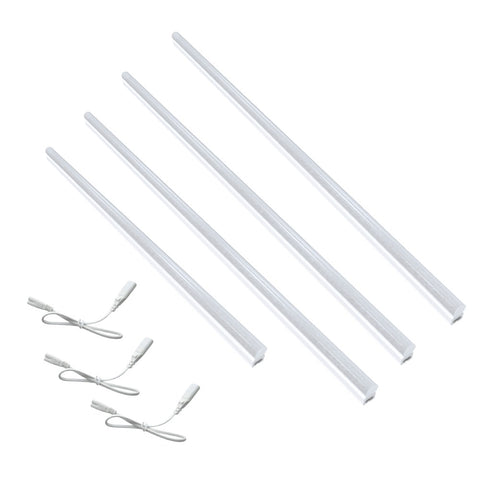
LED T5 Under Cabinet Light Kit - XL Kitchen, 3x 1175mm + 875mm, Switchable CCT
£74.65 Was £85.93INC VAT -
 In Stock
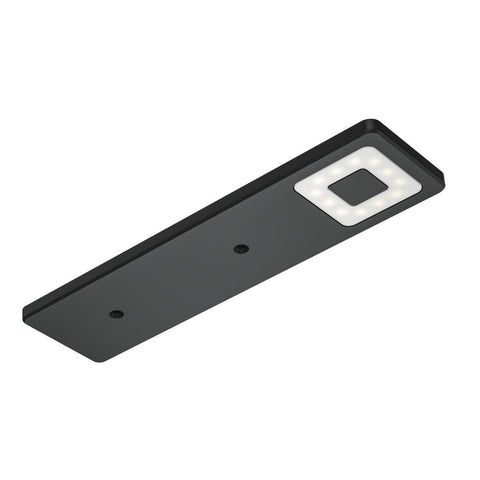
12V Slim Under Cabinet LED Light 4000K Natural White – Matt Black, 150LM
£7.99 Was £9.95INC VAT -
 In Stock
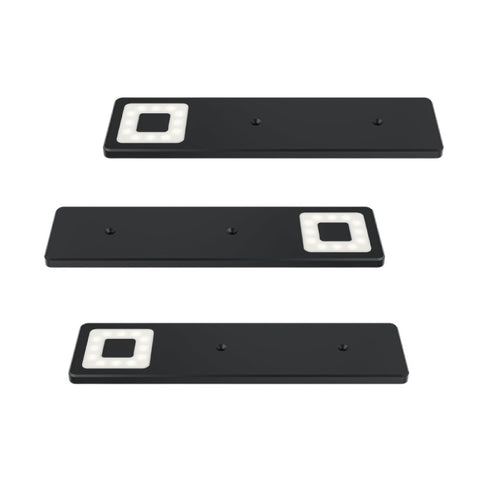
Pack of 3 Slim 12V Under Cabinet LED Lights 4000K Natural White – Matt Black
£23.95 Was £29.85INC VAT -
 In Stock
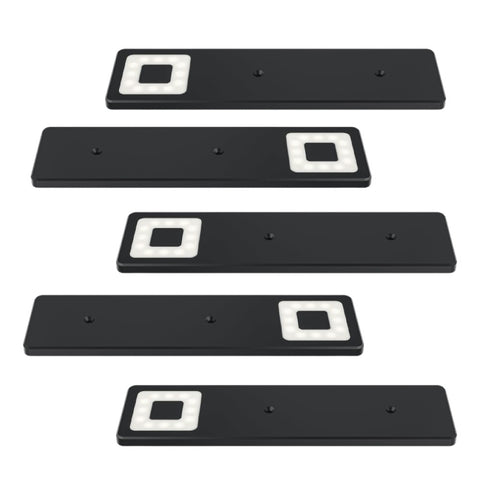
Pack of 5 Slim 12V Under Cabinet LED Lights 4000K Natural White – Matt Black
£39.89 Was £49.75INC VAT
Frequently Asked Questions
How do you install under cabinet LED lights?
Follow the instructions for the specific fitting and use its specified adhesive, clips or screws. Check the power supply and cable route before mounting. Plug-in systems can connect to a suitable existing socket when supplied and installed as instructed; use a qualified electrician for hardwiring or changes to fixed wiring.
What's the difference between warm white and cool white under cabinet lighting?
Warm white, typically 2700K–3000K, has a warmer appearance; cool white, around 6000K in our range, looks cooler. Natural white at 4000K is a neutral-looking option. Kelvin describes the shade of white, not brightness or colour accuracy. Compare lumens for output and CRI separately for colour rendering.
Do under cabinet lights need to be hardwired?
No. Some systems use a plug-in power supply, while battery-powered options do not need a mains connection during use. Other fittings are designed for hardwiring. Check what the selected product includes: a low-voltage light still needs its compatible driver, and a driver is not necessarily supplied with a plug.
How bright should under cabinet lighting be?
Choose the output for the layout rather than using one fixed figure for every kitchen. Cabinet height, worktop depth, surface colour and spacing affect coverage. Compare lumens per fitting or per metre on a like-for-like basis. For adjustable brightness, choose a confirmed compatible dimmable system.
Can you dim under cabinet LED lights?
Only when the fitting and its control system support dimming. Check compatibility between the light, driver and dimmer or controller. A colour-temperature switch changes the shade of white and does not by itself mean that the light can be dimmed.
What size under cabinet light do I need?
Measure the usable length, width and depth under each cabinet, allowing room for connectors and cables. Bars come in fixed lengths; cuttable LED strip must be trimmed only at marked intervals. For puck or panel lights, plan their spacing and beam coverage rather than applying one cabinet-width rule to every fitting.
How long do LED under cabinet lights last?
The rated lifespan varies by product. Check the chosen model’s specification rather than assuming every LED cabinet light lasts the same number of hours. Daily use, operating temperature and installation conditions affect service life. A rated lifespan is also different from the product warranty.
Are triangle under cabinet lights better than square ones?
Neither shape is automatically better. Compare the fitting’s beam angle, light output, dimensions and mounting position. A triangle or wedge can suit a particular cabinet edge, while a square or rectangular panel may suit a shallow underside. Choose the coverage and finish that work for your layout.