







Sensors
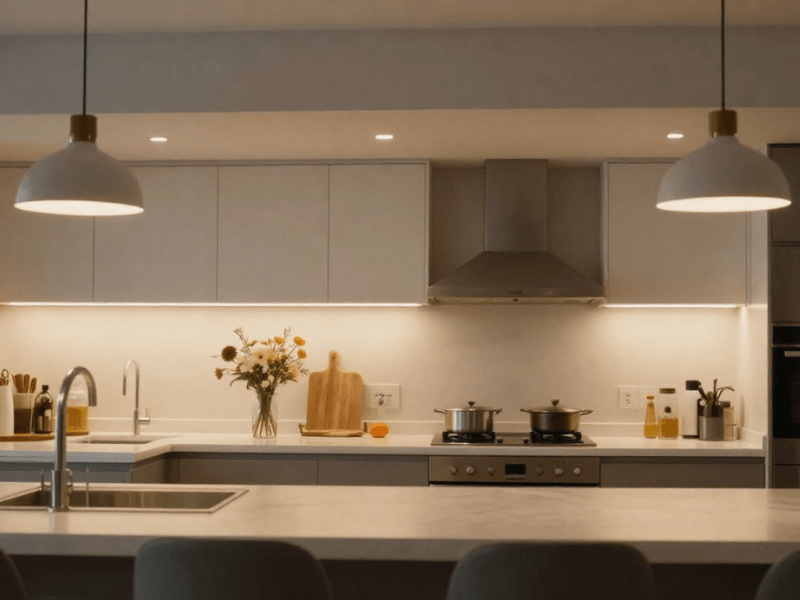
Using an LED sensor light accessory can control your lighting in a 'hands-free' way. With this, the turning of your lights on and off will rely on movement instead of the manual act of switching on and off. This is especially useful for things like under cabinet lighting in the kitchen, where your hands are often wet.
Door sensors, like a motion sensor front door light, are a fantastic way to be energy-efficient as they ensure that your lights are only on when you need them (when the door is open), and you don't have to remember to turn them off again as they will turn off automatically when you close the cabinet door.
Our LED sensor light products are part of our indoor lighting range of products, and they are here to complement your LED lighting and help you become more energy efficient.
Filters
Sort Featured
-
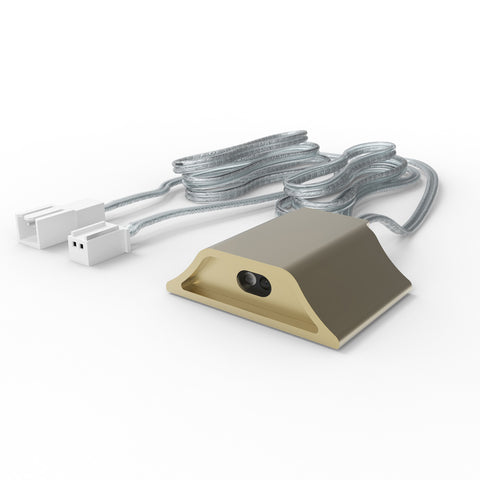 In Stock
Infra Red Single Door Sensor, 12-24v DC
£15.39 Was £30.69INC VAT -
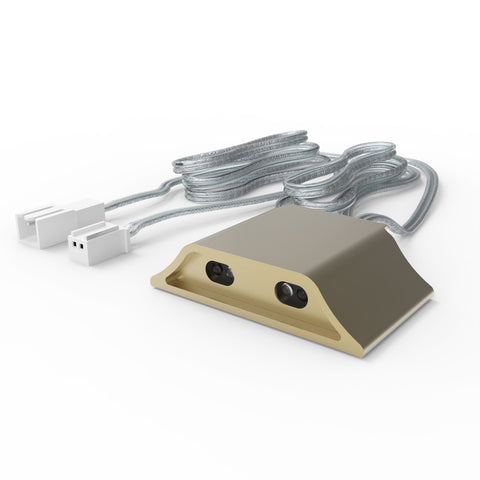 In Stock
Double Door Infra Red Door Sensor, 12-24v DC
£20.49 Was £35.85INC VAT -
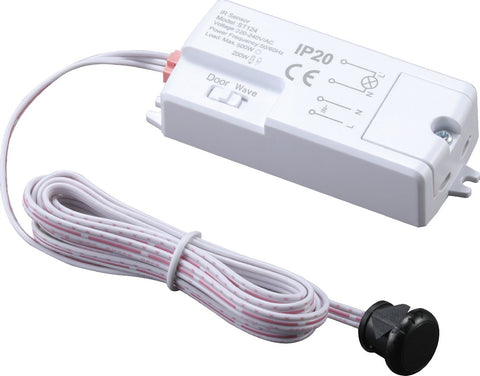 In Stock
Infrared Hand Movement Sensor Switch
£12.99 Was £16.05INC VAT -
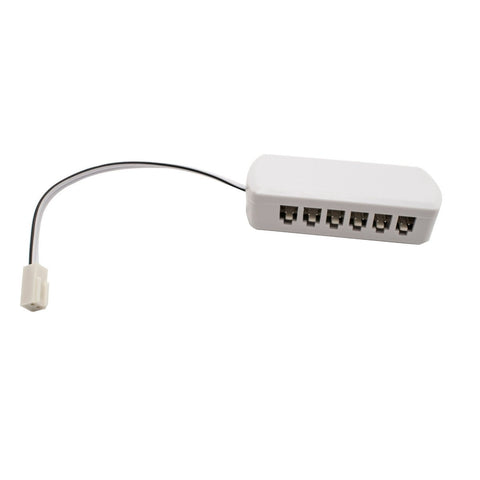 In Stock
6 Way distribution block
£3.79 Was £4.99INC VAT -
 In Stock
Cabinet Touch Sensor Switch Mains Voltage 230v
£20.69 Was £27.56INC VAT -
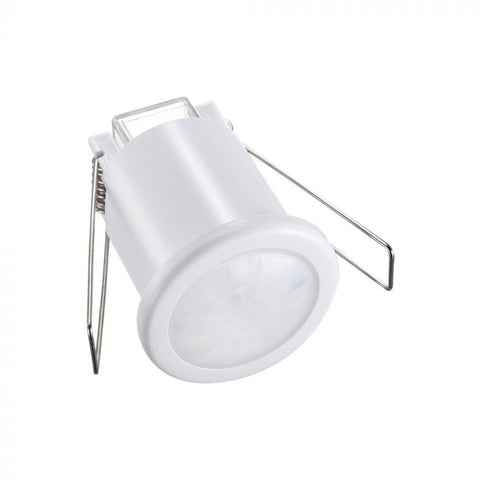 In Stock
PIR Sensor, Recessed - White Body
£12.29 Was £18.45INC VAT -
 In Stock
PIR Sensor, Recessed - Black Body
£12.29 Was £18.45INC VAT -
 In Stock
PIR Sensor, Recessed, With Manual Override
£14.35 Was £20.49INC VAT -
 In Stock
PIR Sensor, Surface Mounted, With Manual Override
£16.39 Was £23.59INC VAT -
 In Stock
Slimline PIR Sensor, White Body
£13.35 Was £18.45INC VAT -
 In Stock
Slimline PIR Sensor, Black Body
£13.35 Was £18.45INC VAT -
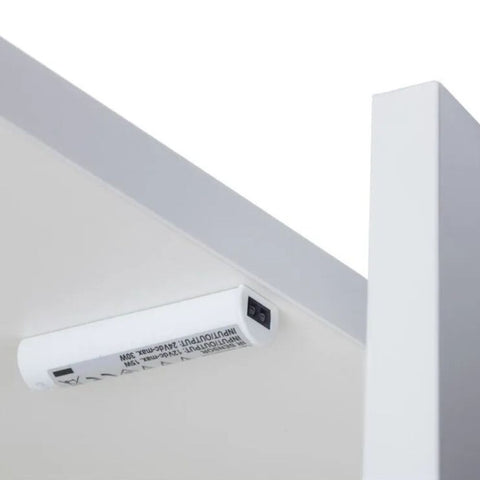 In Stock
Multi Purpose Door/Swipe Sensor
£22.65 Was £24.24INC VAT -
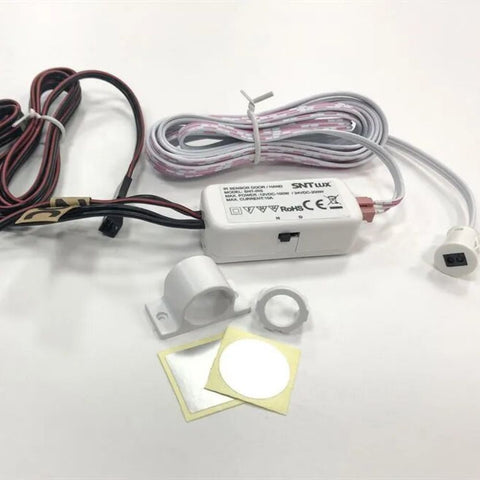 In Stock
Dual Purpose Infrared Sensor - Swipe or Door
£23.99 Was £31.89INC VAT -
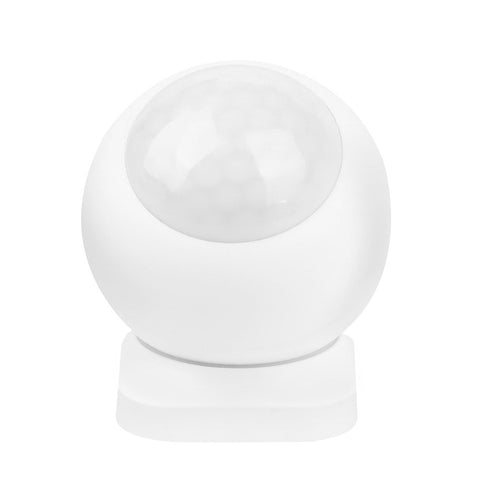 In Stock
PIR Sensor and Magnetic Mounting (Battery Powered)
£12.25 Was £17.39INC VAT -
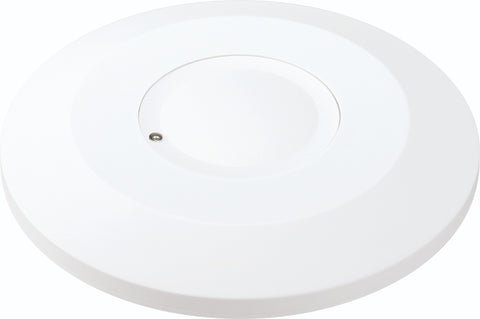 In Stock
360° Surface Mounted Microwave Sensor White 2000W
£11.99 Was £14.50INC VAT -
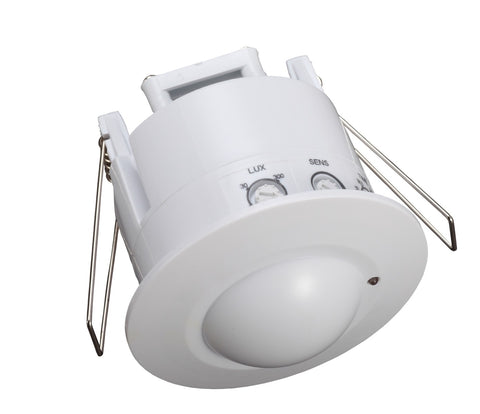 In Stock
360° Recessed Microwave Sensor White 1200W
£11.99 Was £14.50INC VAT -
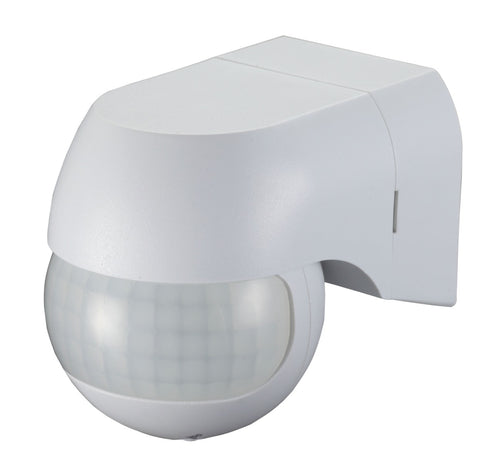 In Stock
180° White Wall PIR Motion Sensor IP44 12m Range
£6.99 Was £8.50INC VAT -
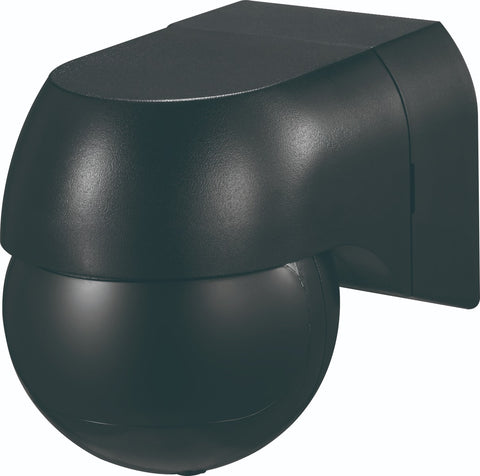 In Stock
180° Black Wall PIR Motion Sensor IP44 12m Range
£7.29 Was £8.46INC VAT -
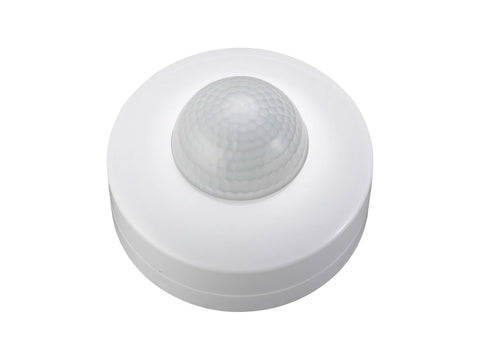 In Stock
360° White Ceiling PIR Motion Sensor 12m Range
£9.69 Was £12.15INC VAT -
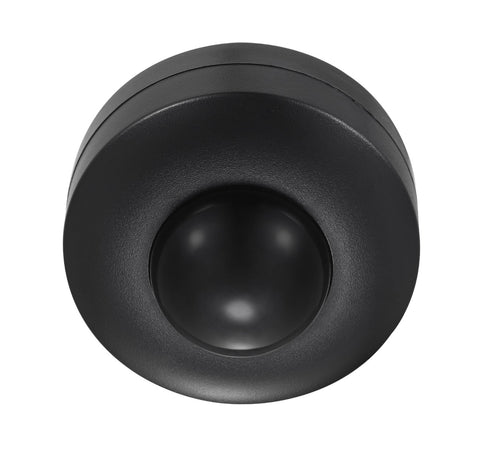 In Stock
360° Black Ceiling PIR Motion Sensor 12m Range
£9.69 Was £12.12INC VAT -
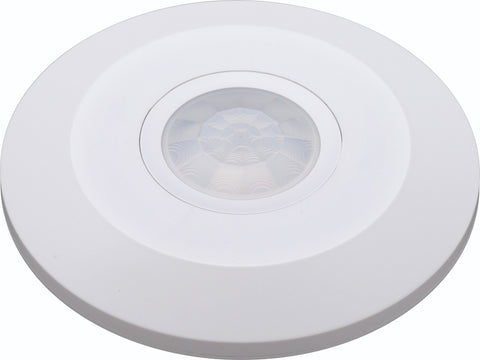 In Stock
360° White Ceiling PIR Motion Sensor, Slimline 8m Range
£6.99 Was £8.05INC VAT -
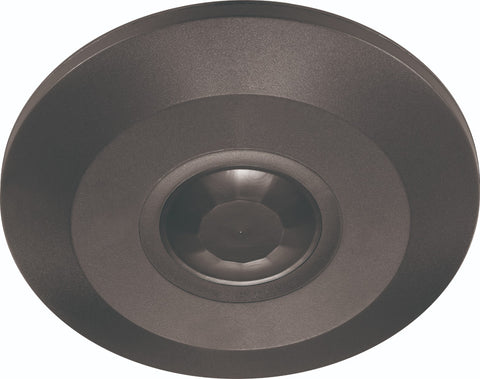 In Stock
360° Black Ceiling PIR Motion Sensor 8m Range
£6.99 Was £8.08INC VAT -
 In Stock
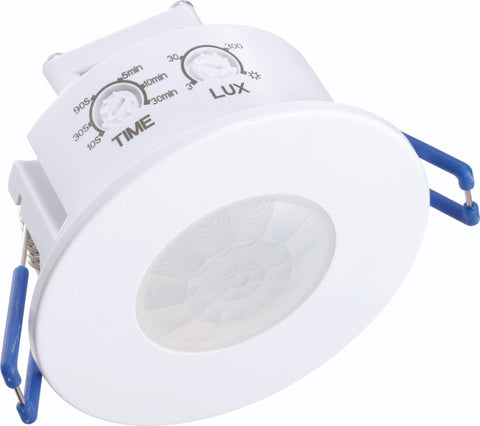
360° White Ceiling PIR Motion Sensor, Recessed IP65 8m Range
£7.17 Was £8.96INC VAT -
 In Stock
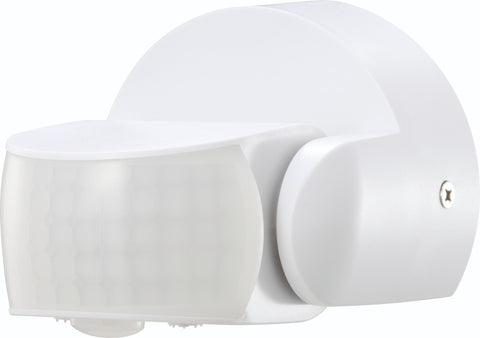
White Wall PIR Motion Sensor IP65 12m 180°/360°
£11.99 Was £14.35INC VAT


Frequently Asked Questions
Can LED sensor lights be adjusted to different levels?
Yes, many LED sensor lights offer adjustable settings for sensitivity and timing. Sensitivity controls how far your lights can detect movement and the size of objects they'll respond to, while timing determines how long the lights stay on after activation. However, some models come with fixed settings, so it's important to check the specifications before purchasing to ensure the sensor meets your specific needs.
Are there specific installation considerations for LED sensor lights in different environments?
Absolutely. Indoor LED sensor lights typically have lower IP ratings and aren't designed for outdoor elements, whilst outdoor sensors are weatherproof but often too bright for indoor use. Always check the technical specifications to ensure your chosen sensor suits your intended environment. For safety and optimal performance, consider hiring a professional if you lack installation experience or proper tools.
How does an LED sensor light work?
LED sensor lights work by detecting motion within a specific radius, which then triggers the light source to switch on automatically. Depending on the sensor type and sensitivity settings, some activate with a simple hand swipe whilst others respond to a person's presence. The detection range and activation method vary between models, so understanding your sensor's specifications ensures it functions as expected.
What's the difference between PIR sensors and infrared door sensors?
PIR (Passive Infrared) sensors detect heat signatures from moving objects and are ideal for general room lighting or security applications. Infrared door sensors are specifically designed to activate when doors or cabinets open and close, making them perfect for under-cabinet lighting or wardrobe illumination. Door sensors are typically more precise for confined spaces, whilst PIR sensors cover broader areas.
Can I use sensor lights for under cabinet lighting in my kitchen?
Yes, sensor lights are excellent for kitchen under-cabinet lighting, especially when your hands are often wet or messy during food preparation. Hand movement sensors and door sensors work particularly well in this application, providing convenient hands-free operation. They'll automatically turn on when you approach or open cabinet doors and switch off when you move away, making them both practical and energy-efficient.
Do LED sensor lights help save energy?
Yes, LED sensor lights significantly reduce energy consumption by ensuring lights only operate when needed. They automatically switch off when no movement is detected, eliminating the common problem of forgetting to turn lights off manually. This is particularly beneficial in areas like cupboards, wardrobes, and utility rooms where lights might otherwise be left on accidentally.
What voltage options are available for LED sensor lights?
LED sensor lights are available in different voltage options to suit various applications. Low voltage options like 12-24v DC are common for cabinet and under-counter lighting, whilst mains voltage 230v sensors are suitable for general household lighting circuits. The voltage requirement depends on your existing LED setup and installation location, so check compatibility before purchasing.
Can I override LED sensor lights to stay on permanently?
Many LED sensor lights, particularly PIR sensors, come with manual override functionality that allows you to keep lights permanently on when needed. This feature is useful when you need constant lighting for tasks or when the automatic function isn't suitable for your current activity. Simple Lighting offers various sensor models with override switches for maximum flexibility.