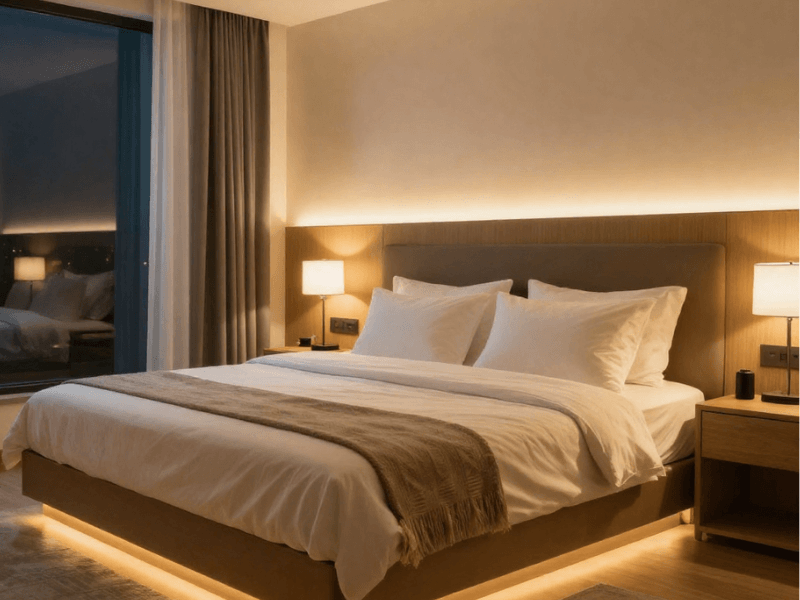
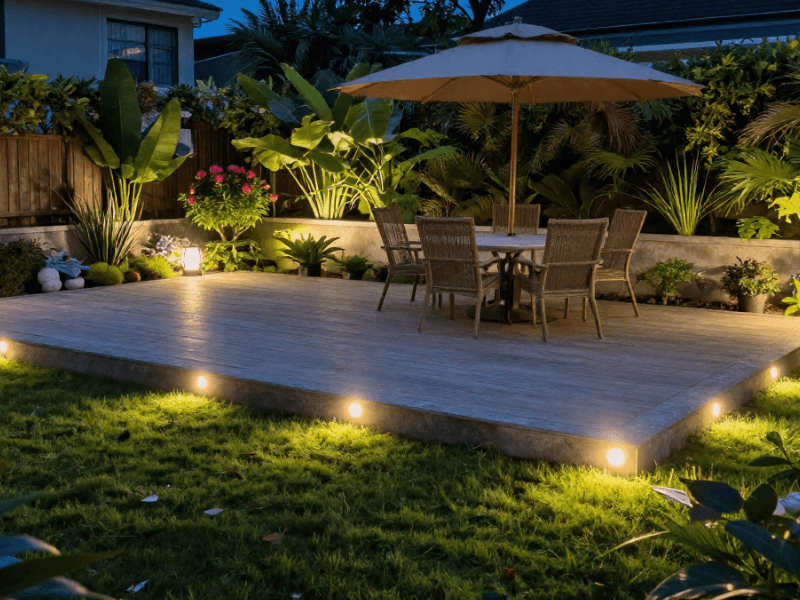
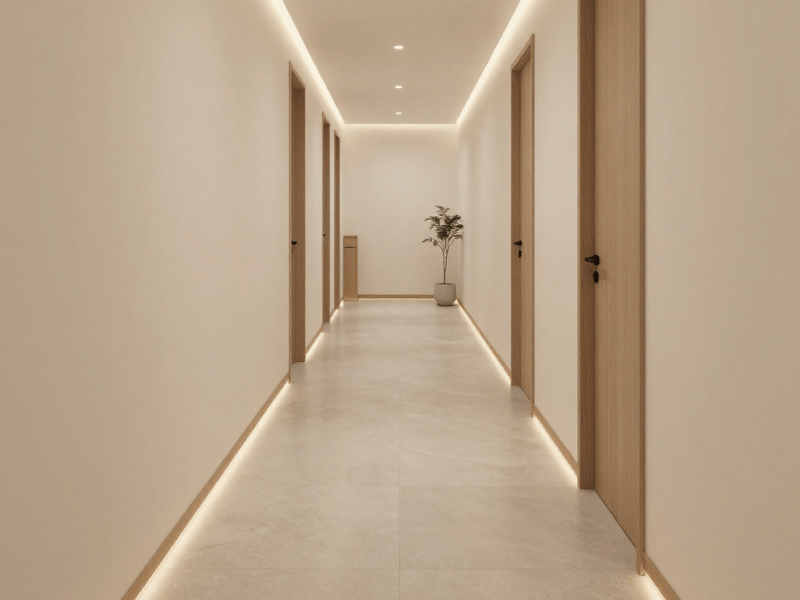

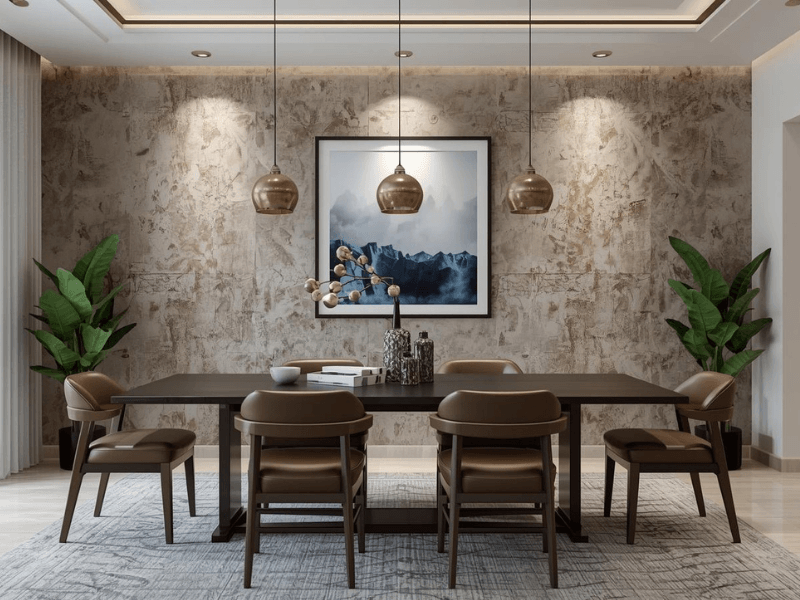


When asked which part of your home is used for different activities, the first room that would come to mind is the living room. And rightly so, because in most UK homes, the living room wears many hats.
Want to binge-watch a new Netflix series under a blanket burrito? Looking to host a coffee party with friends? Or maybe you just want to collapse after a long day with the lights turned all the way down and put the world outside on mute?
Chances are, you’re doing all that in the living room.
You would think that, with the different roles the living room takes on, the lighting would change with each one. Yet many living rooms still rely on a single ceiling light that blasts the space like an interrogation room.
That’s where layered lighting comes into the picture.
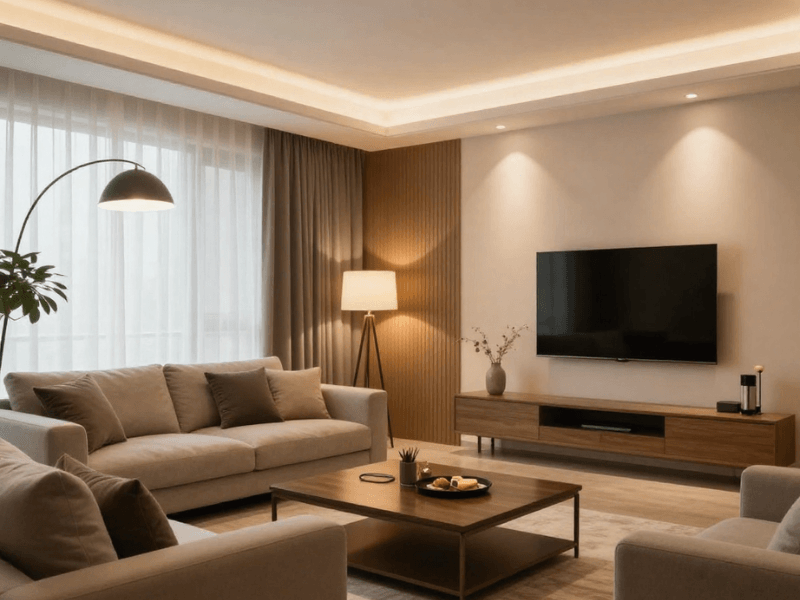
Layered living room lighting turns the space into a flexible, comfortable, and visually balanced room that works with every activity you do there. It’s less about brightness and more about atmosphere, function, and depth. Think of it like seasoning in cooking: the right combination transforms something ordinary into something memorable.
Why Layered Lighting Is the Secret to a Better Living Room
A single overhead light source can only do so much. And in reality, it has more cons than pros, as it often leaves awkward shadows, flat corners, and a space that feels either too harsh or strangely lifeless.
Think of it like using one giant speaker for an orchestra. Technically, the sound is there, but all the texture and the layers disappear.
It’s the same context when it comes to light. Layered lighting combines multiple light sources with different purposes to create a space with multiple dimensions… a.k.a. Layers. Instead of relying on one dominant light, you build your lighting scheme using three key layers:
-
Ambient lighting
-
Task lighting
-
Accent lighting
Together, these layers create balance and flexibility.
Ambient lighting acts as the base layer. It provides the general illumination that allows you to move comfortably around the room.
Task lighting adds focused light for activities like reading, working, or knitting your way through winter evenings.
Accent lighting is how you inject personality into the room. It highlights features, creates depth, and adds visual interest through subtle contrasts and decorative effects.
When these layers work together, the living room immediately feels more inviting. Harsh shadows soften. Furniture and textures stand out more clearly. The room gains a sense of dimensionality rather than looking flat and overexposed.
Good layered lighting also affects how psychologically comfortable a space feels.
-
Bright overhead lighting can make a room feel cold or clinical, especially in the evening.
-
Softer combinations of light sources, on the other hand, create a calmer atmosphere that encourages relaxation.
It’s one of those “invisible” design tricks people notice emotionally before they notice visually.
Think Like a Designer: Lighting as a Storytelling Tool
You don’t need to be one, but you do need to think like one. For interior designers, lighting is not a single decision. They think about how a room should feel at different moments throughout the day.
That’s the real magic of layered lighting. It allows your living room to shift moods naturally, almost as if the room were changing costumes between scenes.
Morning vs Evening Lighting Moods
One thing to take note: Morning lighting needs are very different from evening ones.
During the day, brighter and cooler-toned lighting can help a space feel fresh, energised, and productive. Lighting that mimics natural daylight is perfect for a living room that doubles as a work-from-home space or a place where the family gathers in the morning.
In the evening, though, that same bright white light can feel exhausting. Instead, warmer colour temperatures create a softer and more relaxing atmosphere that helps the brain wind down. Think cosy amber tones instead of icy brightness.
This is why colour temperature matters so much in layered lighting. A living room with layered lighting doesn’t stay emotionally static. It adapts.
Highlighting What Matters in Your Space
Lighting directs attention.
Ever walked into a beautifully designed living room, and your eyes just naturally move to a single point? It could be a textured wall, an artwork, floating shelves, or a statement armchair.
Accent lighting is the one to thank for this. It helps establish focal points within the room.
-
Wall lights make ceilings appear taller.
-
LED strip lights create depth and personality.
-
Picture lights can turn artwork into a feature rather than a background decoration.
-
Even a subtle glow behind the television can soften contrast and make the entire setup feel more polished.
With layered lighting, the room doesn’t look flat as it gains rhythm and structure. The eye then knows where to focus.
The Three Essential Layers of Living Room Lighting
Now let’s break down each lighting layer and how it works in practice.
Ambient Lighting - Your Foundation Layer
As the header implies, this is the backbone of your lighting. It provides overall (ambient) illumination and serves as the foundation of your living room’s lighting. This is usually your main ceiling lighting:
-
Ceiling lights
-
LED panels
-
Chandeliers
-
Pendant lights
-
Recessed downlights
Smaller living rooms can make do with a single central fitting when combined with other layers. Larger rooms, on the other hand, often benefit from multiple evenly spaced light sources across the ceiling to avoid dark corners.
Ceiling height also matters. Rooms with lower ceilings typically work best with recessed or semi-flush lights as they don’t hog vertical space. Statement pendants or chandeliers may add decorative impact, but you can utilise them better in living rooms with higher ceilings.
Be careful with choosing ambient lighting that’s far too bright, though. Your living room should feel welcoming, not like a supermarket aisle at 2 AM. Soft, balanced ambient lighting creates the canvas for everything else. Choose dimmable LED lights to have better control over brightness.
Task Lighting - Function Meets Focus
Task lighting is exactly what it sounds like. It’s for illuminating specific activities with a more focused beam. In living rooms, this usually includes:
-
Reading lamps
-
Floor lamps
-
Table lamps
-
Desk lighting
-
Adjustable wall lights
The key here is placement.
A reading lamp should sit close enough for comfortable reading of your book or magazine, but should not cause glare. Floor lamps positioned beside sofas or armchairs also work well because they provide focused light without dominating the room.
If part of the living room functions as a workspace, targeted desk lighting becomes essential. It reduces eye strain and prevents the need to flood the entire room with excessive brightness.
The best task lighting blends naturally into the room while quietly doing its job. Think of it as the lighting equivalent of a reliable supporting actor. Not flashy, but absolutely necessary.
It might be tempting to do, but don’t over-light activity areas. Too many competing task lights can also make the room feel cluttered, not to mention glaring. Aim for balance rather than brightness overload.
Accent Lighting - Add Depth and Drama
This is the “personality injector”. Common accent lights you’ll see are:
-
LED strip lights
-
Wall lights
-
Picture lights
-
Shelf lighting
-
Cove lighting
LED strip lighting has become especially popular in modern living rooms because it’s incredibly versatile. Hidden beneath shelves, behind televisions, or along ceiling coving, strip lights instantly add a soft glow that makes the room feel layered and sophisticated.
Wall lights are another excellent option for introducing contrast. Got a flat wall? These create pools of light that add “texture” and warmth to the room. You see, good lighting doesn’t necessarily mean bright lighting in every inch of the room.
Accent lighting works because it intentionally introduces shadows. That contrast between light and dark adds dimension, making the space feel richer and more visually interesting. Without accent lighting, even expensive interiors can feel strangely flat.

How to Combine Lighting Layers (Step-by-Step Guide)
Layered lighting might sound technical, but the process is actually very straightforward when broken into steps. And that’s what we’re going to do:
Step 1: Start with Ambient Lighting
Begin with the foundation. This is your main light source.
First, consider the following:
-
Size of your living room
-
Ceiling height
-
Natural light levels
Larger spaces typically require multiple ceiling fittings to distribute light evenly. Your ambient lighting should comfortably illuminate the entire room without feeling harsh. If possible, choose dimmable LED fittings so you can adjust brightness throughout the day. At this stage, don’t think about the atmosphere yet. Think about coverage instead.
Step 2: Add Task Lighting (Where Needed)
The next step is to identify the functional zones in your living room.
-
Where do people read?
-
Where do they work?
-
Where do they sit for long periods?
These are the areas that benefit from task lighting. For example, adding a floor lamp beside the sofa can instantly create a comfortable reading nook. Also consider placing a table lamp near a side chair to add practical lighting that also complements the room’s overall style.
Pro Tip: Be selective with the areas you’re adding task lights to. Not every corner needs its own spotlight. Too much task lighting can do more harm than good to your overall lighting. Aim for support, not overload.
Step 3: Finish with Accent Lighting for Atmosphere
Finally, introduce accent lighting to create a mood and depth and add personality.
This is where dimmable LEDs, wall fixtures, and LED strips become incredibly effective. For example, you might place strip lights behind a TV unit for soft backlighting or beneath floating shelves to highlight decorative objects.
Accent lighting helps create visual hierarchy. Certain areas stand out while others recede gently into the background. The room feels layered rather than uniformly lit, hence the layered lighting.
Common Lighting Mistakes (And How to Avoid Them)
Armed with the layered lighting knowledge, here are some common lighting mistakes you should avoid right away:
Relying on One Central Ceiling Light
Ah, the classic. You install a super-bright single overhead light and call it good lighting. But what this creates is flat lighting with harsh shadows and little flexibility. The room may technically be bright enough, but it rarely feels comfortable or balanced. The solution is simple: combine multiple lighting sources at different heights around the room.
Using the Wrong Colour Temperature
Nothing affects mood as dramatically as colour temperature. Cool white lighting may work in kitchens or offices, but it can feel harsh in living rooms when overused. Warm white lighting generally creates a softer, more inviting atmosphere for relaxing spaces.
You might think: Why not mix them then? There’s a catch. Mixing colour temperatures inconsistently can also make the room feel disjointed. Always try to keep the lighting tone cohesive.
Ignoring Dimmers
Better control over your lights’ brightness means better overall lighting.
Without dimming control, your lighting only has one setting: full power. That’s rarely ideal for every activity or time of day. (Not to mention your energy consumption.) Dimmers let you instantly adjust the atmosphere, whether you’re entertaining guests or settling in for a binge-watching session.
Poor Placement of Lamps and LED Strips
Just because you used all three types of lighting in your living room doesn’t automatically make it a good layered lighting.
-
A poorly positioned lamp can create glare instead of comfort.
-
LED strips installed in visible locations may expose their individual diodes rather than produce a soft glow.
The best lighting often feels subtle and indirect. That’s why hidden light sources create the most elegant effect. So, consider that for your strip lighting.
Smart Lighting Tips for Modern Living Rooms
Modern lighting technology makes layered lighting easier and more flexible than ever.
Use Dimmers for Flexibility
Dimmers are practically the secret sauce of layered lighting. They allow a single room to shift moods effortlessly throughout the day. Bright during the afternoon. Soft and cosy in the evening. Dimmers also improve energy efficiency while extending bulb lifespan.
Consider LED Strip Lighting for Subtle Effects
LED strip lights are one of the simplest ways to add modern ambience without major renovations. They work brilliantly:
-
Under shelves
-
Behind TVs
-
Along the ceiling coving
-
Beneath cabinets
-
Around media units
Want a transformative yet subtle lighting effect? Strip lights are the solution. It’s the lighting equivalent of adding background music to a movie scene.
Smart Bulbs and Controls
Smart lighting adds convenience and flexibility to layered lighting setups.
Think app-controlled or voice-controlled bulbs that allow you to adjust brightness, colour temperature, and even lighting scenes without leaving the sofa. And presets for film nights, reading sessions, or evening relaxation can be selected with a tap.

Layer Your Lighting Like a Pro
Layered lighting isn’t about overcrowding your living room with light fittings or turning it into a neon nest. Layering your lights is all about balance. By combining ambient, task, and accent lighting, you create a living room that feels comfortable, functional, and visually appealing all day.
-
Start with strong ambient lighting as your foundation.
-
Add task lighting where activities happen.
-
Then introduce accent lighting to create warmth, depth, and personality.
Most importantly, experiment. Lighting isn’t static. Small adjustments in brightness, placement, or colour temperature can completely change how a room feels.
Ready to layer your living room lights and surprise your guests on their next visit? Explore Simple Lighting’s full range of LED lights and accessories: everything you need to build a beautifully layered space in a single place.
Also, don't forget to check out our Living Room Lighting Ideas: The Complete Guide for more posts like this.


0 comments