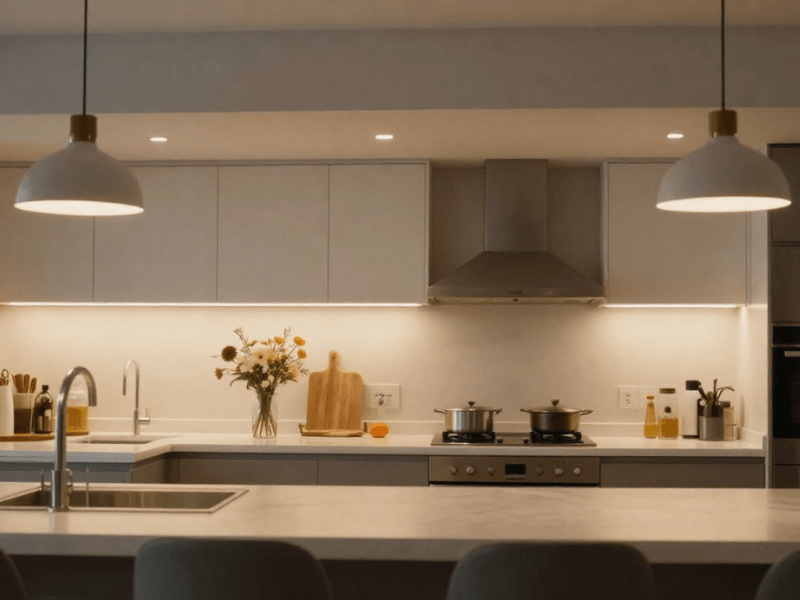
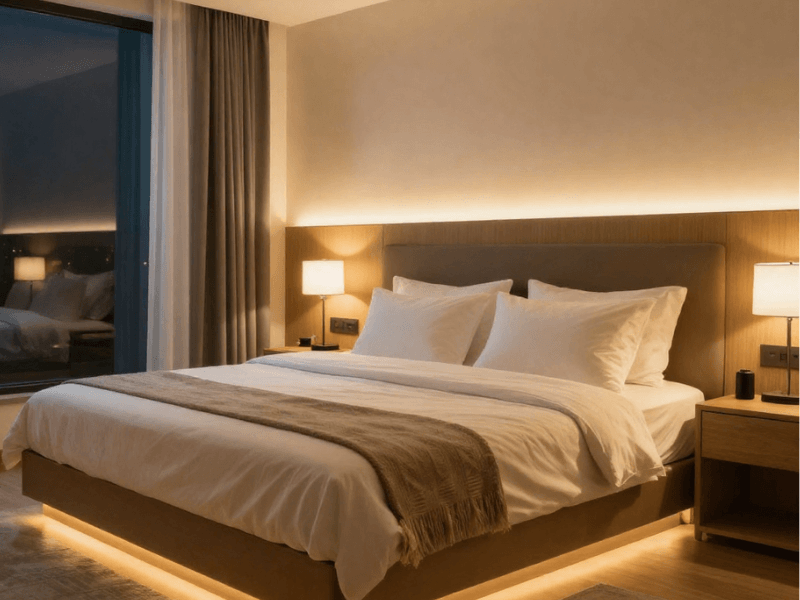
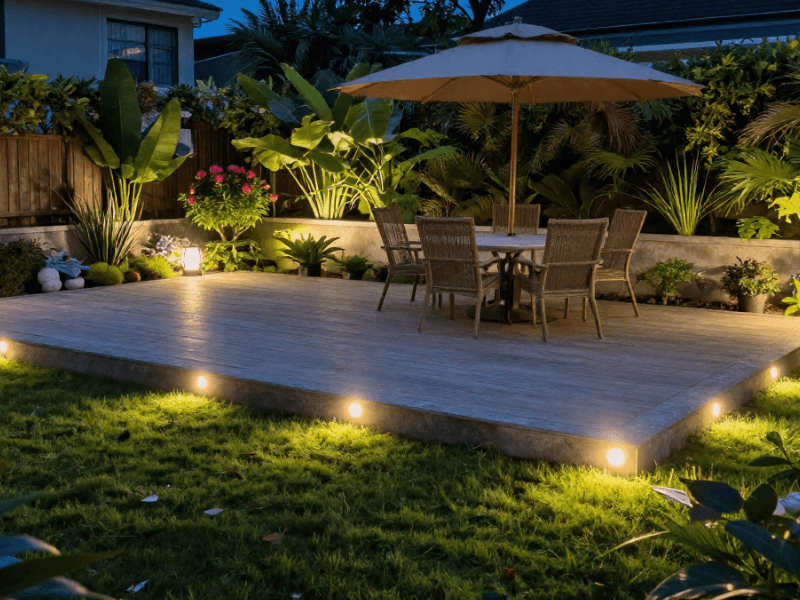
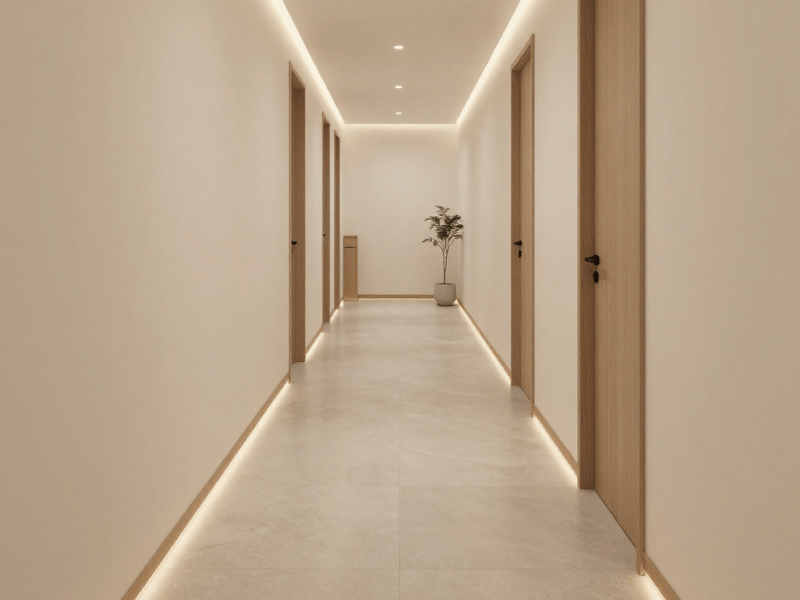

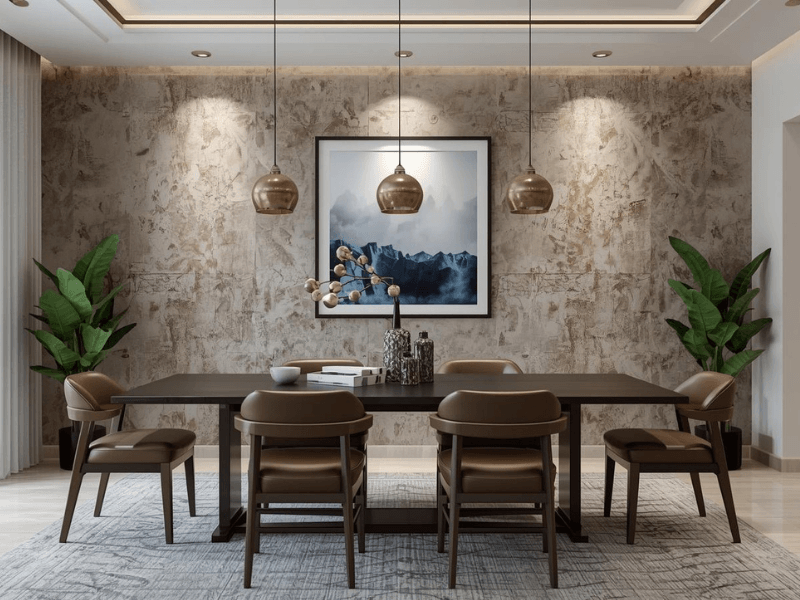

Your living room lighting affects more than brightness. It shapes the mood, comfort, and overall feel of the space.
One harsh ceiling light rarely works well on its own. Layered lighting creates a room that feels warmer, more practical, and far more inviting.
Want your living room to actually feel comfortable to live in? Then better choose the right lighting!
Why Living Room Lighting Matters
Lighting affects how a room feels more than most people realise. Well-lit, it will feel cosy and inviting (poor lighting feels cold, flat, or oddly stressful).
Good lighting also helps your living room work better for different activities, including:
- Watching TV
- Reading
- Entertaining guests
- Gaming
- Relaxing at night
The best setups give you flexibility. They’re bright when needed, soft when wanted.
Types of Living Room Lighting
Ceiling Lights
These provide your main source of brightness. Popular options include:
- Pendant lights
- Flush ceiling lights
- Chandeliers
- Spotlights
Pendant lights add style and character. Flush fittings work better in smaller rooms with low ceilings.
Floor Lamps
These soften a room instantly. They work well for:
- Reading corners
- Dark corners
- Ambient lighting
- Adding height to the room
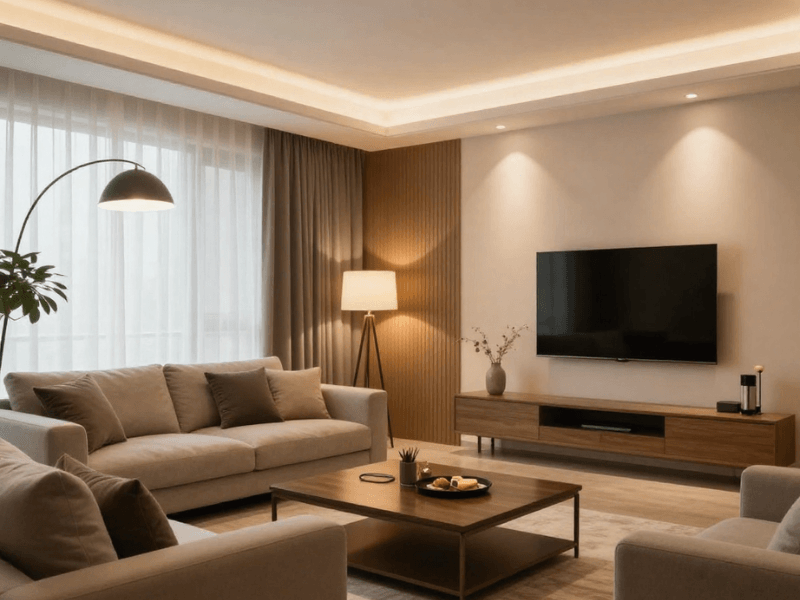
Arc floor lamps are especially useful beside sofas.
Table Lamps
These create warm, relaxed lighting. Place them on:
- Side tables
- Consoles
- Shelving
- Window ledges
They also make your living room feel less like an office. Always helpful.
Wall Lights
These save space and add atmosphere. They work well beside:
- Fireplaces
- Artwork
- Sofas
- Alcoves
They also help spread light more evenly around the room.
Accent Lighting
These add personality. Popular choices include:
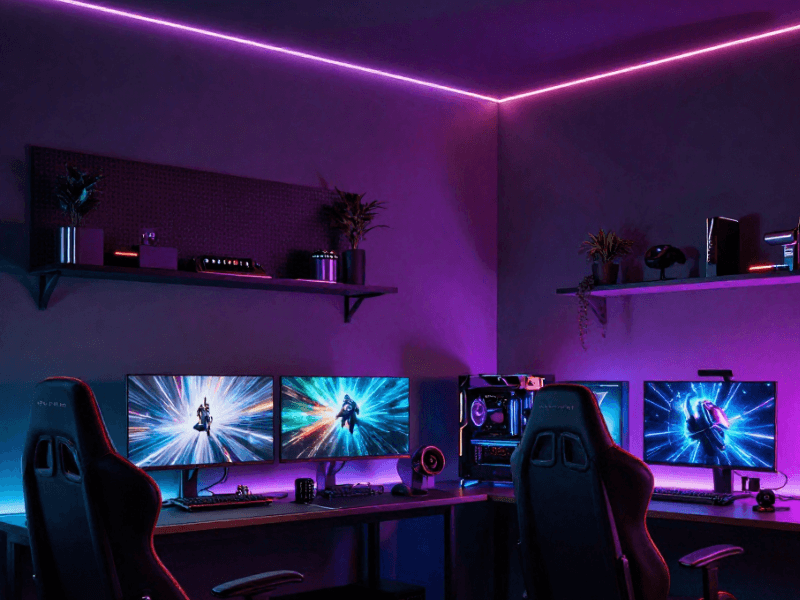
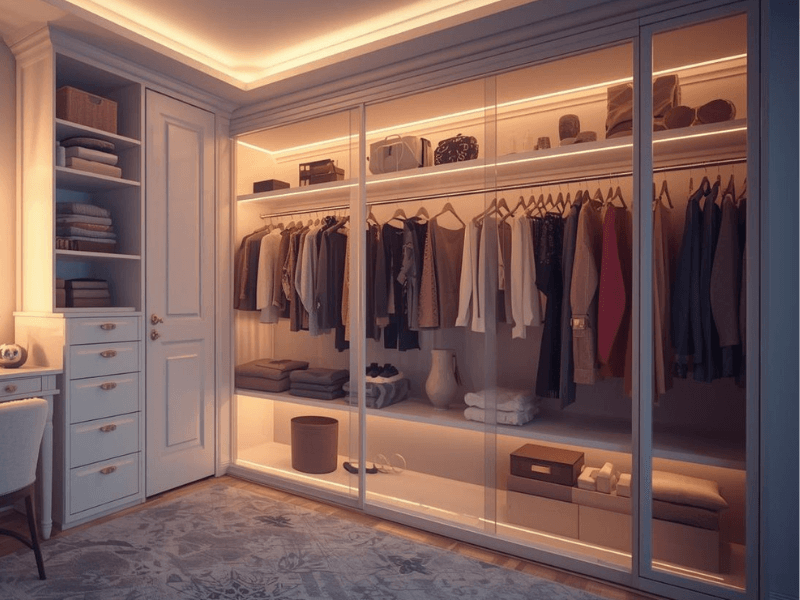
- LED strip lights
- Shelf lighting
- Picture lights
- Fireplace lighting
Used properly, accent lighting makes your room feel layered and expensive.
Layering Lighting for Comfort and Function
The best living rooms use layered lighting. That means combining different lighting types together.
Ambient Lighting
This is your main lighting source. Usually involves:
- Ceiling lights
- Recessed spotlights
- Large pendants
It provides overall brightness.
Task Lighting
This helps with focused activities. Examples include:
- Reading lamps
- Adjustable floor lamps
- Directional wall lights
Accent Lighting
This creates mood and depth. It highlights:
- Shelves
- Artwork
- Architectural details
- Decorative features
Without accent lighting, rooms can feel flat and lifeless.
Smart and Energy-Efficient Lighting
Modern lighting looks better and wastes less energy. That’s a win for both your living room and your electricity bill.
LED Lighting
LEDs use less energy and last much longer. Benefits include:
- Lower running costs
- Less heat
- Longer lifespan
- Better efficiency
You also won’t have to replace bulbs every five minutes.
Dimmable Lighting
Dimmers give you more control over brightness. Bright for cleaning, soft for relaxing.
Smart Lighting
Smart lighting systems let you:
- Control lights by app
- Use voice assistants
- Set schedules
- Change brightness levels
Some systems even adjust colour temperatures automatically!
Placement and Design Tips
Good placement matters as much as the fittings themselves.
Avoid Dark Corners
Dark corners make rooms feel smaller. Fix them with:
- Floor lamps
- Wall lights
- Small table lamps
Even one extra light can help balance the room.
Choose the Right Colour Temperature
Warm white lighting usually works best in living rooms. It feels softer and more relaxing. Cool white lighting can feel harsh in cosy spaces.
Reduce TV Glare
Avoid placing bright lights directly behind or opposite your TV. Instead, use softer side lighting or subtle LED backlighting. Your eyes will feel less strained during long viewing sessions.
Living Room Lighting Ideas by Style
Modern Living Rooms
Keep things clean and simple. Use:
- Minimal fittings
- LED strips
- Black metal finishes
- Smart lighting
Traditional Living Rooms
Classic styles suit softer lighting beautifully. Choose:
- Warm lighting
- Decorative wall lights
- Fabric lamp shades
- Chandeliers
Minimalist Living Rooms
Minimalism should feel calm, not clinical. Focus on:
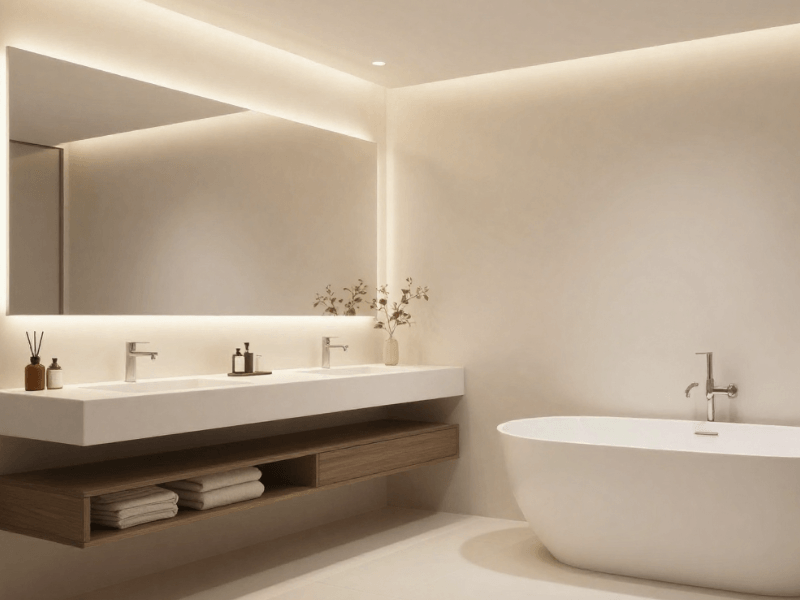
- Hidden lighting
- Neutral tones
- Simple fixtures
- Soft indirect light
Cosy Living Rooms
Soft lighting makes a room feel instantly more inviting. Layer warm lighting everywhere. Use:
- Table lamps
- Floor lamps
- Fireplace lighting
- Warm LEDs
Frequently Asked Questions
What lighting is best for a living room?
Layered lighting works best. Combine ambient, accent, and task lighting for flexibility and comfort.
How many lights should a living room have?
Most living rooms need multiple light sources. One ceiling light rarely feels balanced or practical.
Should living room lights be warm or cool?
Warm white lighting usually feels best. It creates a softer and more relaxing atmosphere.
Upgrade Your Living Room Lighting
Good lighting makes your living room feel warmer, more comfortable, and easier to enjoy every day. Layered lighting, warm tones, and smart placement can completely transform the space without overcomplicating things.
Explore ceiling lights, lamps, smart lighting, and energy-efficient LEDs at Simple Lighting, and create a living room that feels as good as it looks!


0 comments