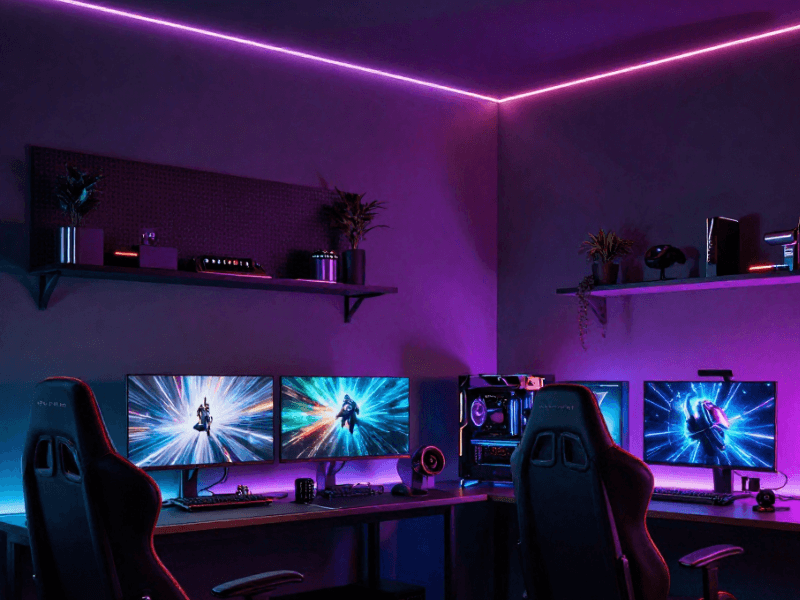
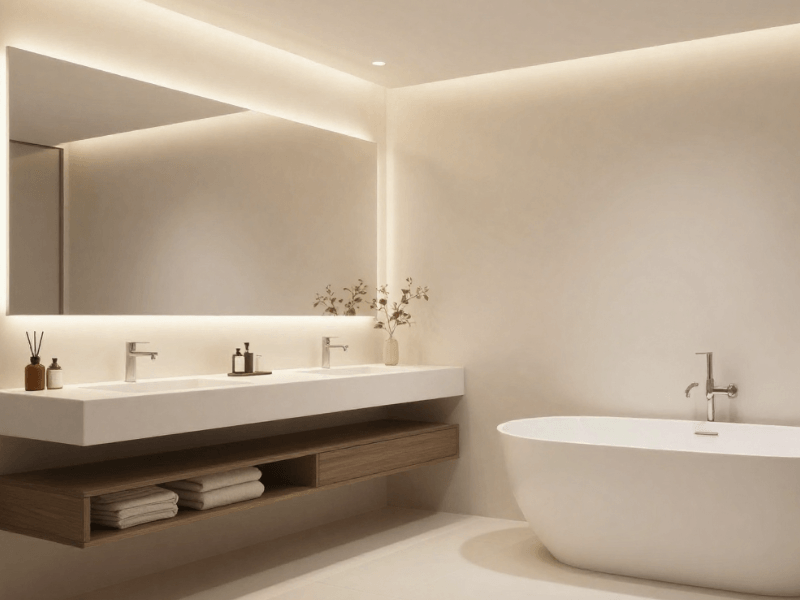
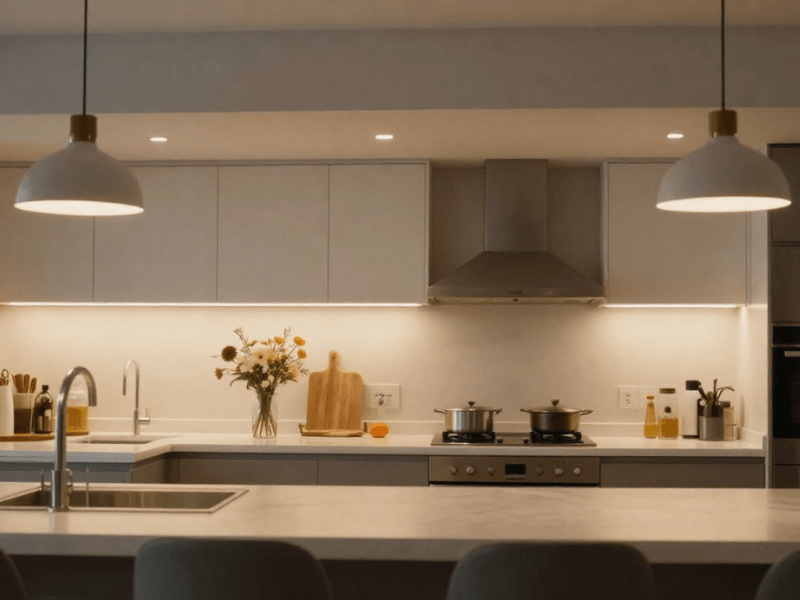
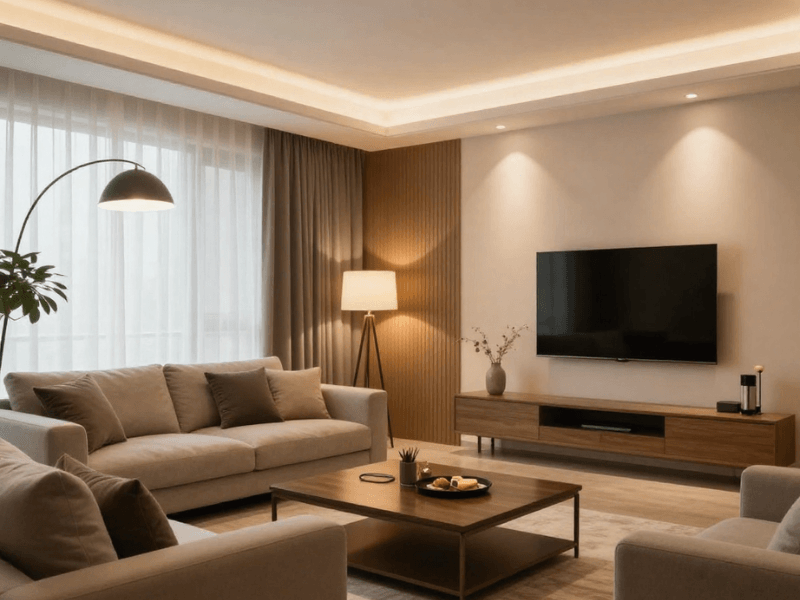
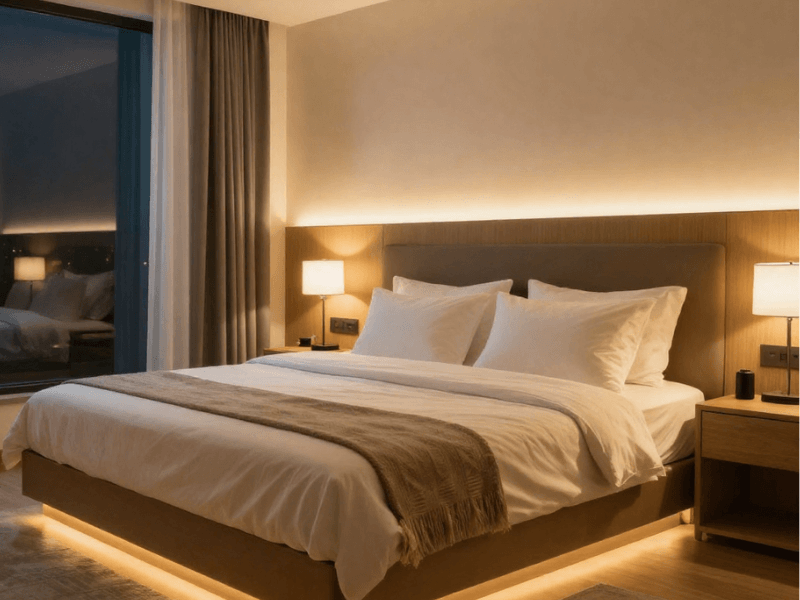

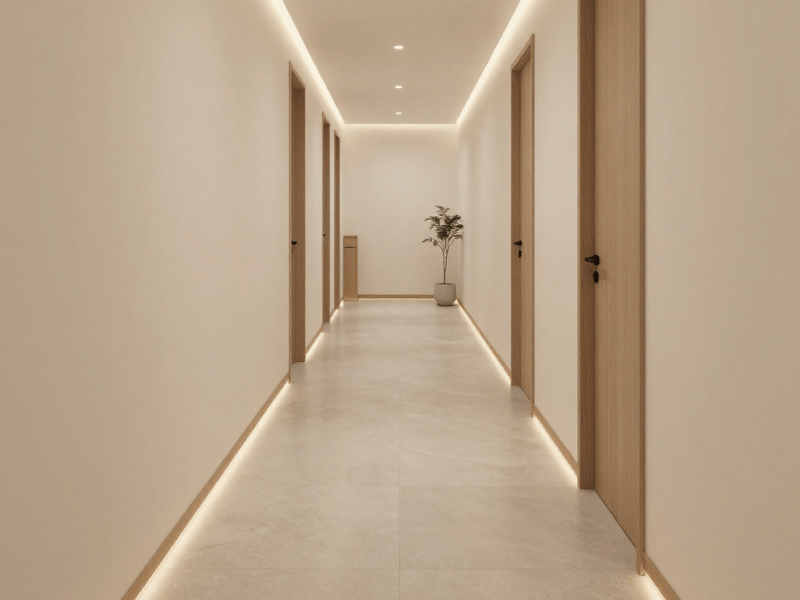

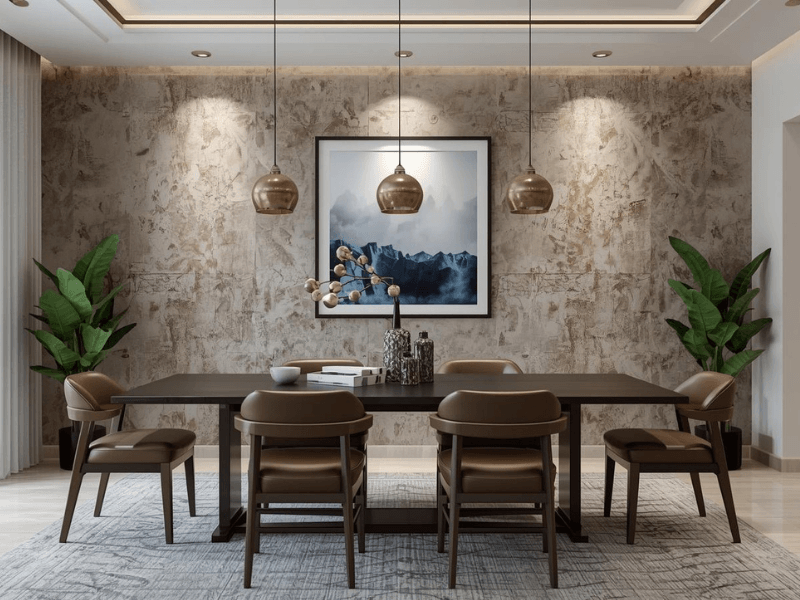
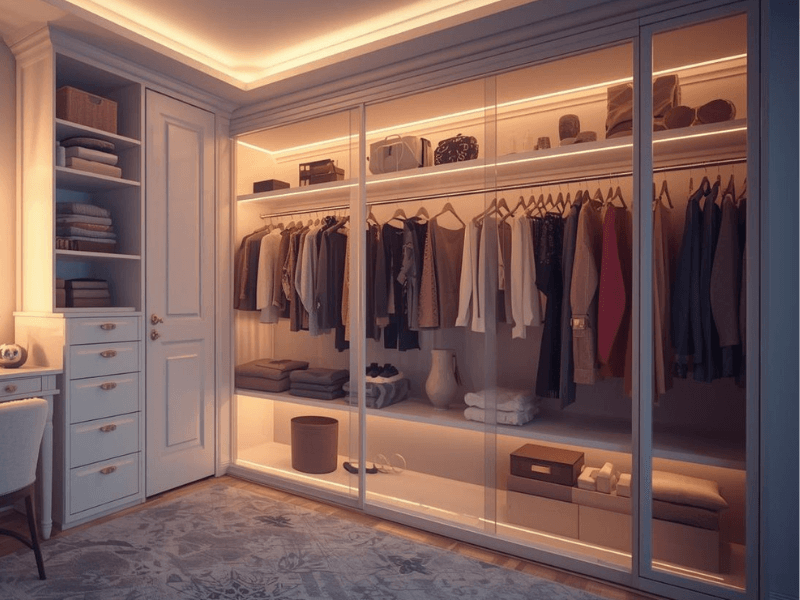


Your living room is a multi-purpose space. And yet you only have a single fixed lighting setup: a set of LED downlights and a centre light. When turned on, all the lights operate in full brightness. While this might work for some activities, this can be a headache (literally) for activities that require less brightness, such as movie nights and cosy evening wind-downs.
What I’m trying to say is that fixed lighting rarely keeps up with the changes in the living room throughout the day. Enter: LED dimmer switches.
Most people might overlook them, but dimmer switches are actually one of the smartest upgrades you can make to a living room. They add flexibility and efficiency where you didn’t think you’d need them (but you do). And this guide will walk you through everything you need to know, from choosing the right type to avoiding common compatibility mistakes.
Why Dimmer Switches Are the Most Underrated Living Room Upgrade
When people think of living room upgrades, the first things that come to mind are a new sofa, a plant, throw pillows, a table, and wall ornaments.
But lighting has a huge influence on how a room feels, yet many living rooms still rely on basic switches that offer only one setting: full brightness. That may sound fine in theory, but here’s the reality:
-
Fixed lighting creates limitations because it forces your room into a single mood, regardless of the time of day or activity.
Bright lighting can feel harsh during relaxed evenings. On the other hand, lighting that’s too soft can make daytime tasks frustrating.
Dimmer switches solve this instantly. With a dimmer installed, you can adjust brightness levels as needed. Brighten your lights for cleaning, reading, or socialising. Dim them for films, gaming, or late-night relaxation.
The best part? If you already have dimmable lights, then there’s no need to replace a single fitting. The benefits go beyond ambience, too, as lower brightness levels can reduce energy consumption. Since the lights aren’t at full brightness all the time, they don’t draw as much power. Dimmer lights also soften glare, reducing fatigue and eye strain.
How Dimmer Switches Transform Your Living Room Experience
Lighting for Every Moment
The living room has since become the “everything room” since it’s rarely used for a single purpose. They’re entertainment spaces, work zones, family hubs, and relaxation areas all rolled into one. And each of these purposes needs its own level of brightness. You want it bright during the day to support practical tasks, such as reading, organising, or working from home.
As evening arrives, the atmosphere usually needs to soften. Bright overhead lighting can feel overwhelming after sunset, especially when you’re trying to relax. With dimmers, you can gradually transition to dim lighting without needing to switch which fitting is turned on. It’s a simple upgrade, but the effects on your living room are massive.
Creating Atmosphere on Demand
More than just function, lighting also affects mood. Here are some examples:
-
Hosting friends? Increase the brightness to create an open, lively atmosphere.
-
Watching a film? Dim the lights to reduce glare and improve screen visibility.
-
Having a quiet evening? Lower lighting levels to create a softer, more calming environment.
Many think that to achieve this, you need complicated setups involving multiple lamps. But in reality, you only need dimmable lights and a dimmer switch. That’s it!
Pro Tip: Pair dimmers with layered lighting, e.g. wall lights, ceiling lights, and LED strip lighting, to make your living room far more versatile. With this, you’re no longer locked into one lighting style.
Reducing Eye Strain and Glare
What’s the one thing common in most living rooms? TV and media walls… and sometimes a gaming setup. These might look great at first sight, but overly dim lighting when viewing the TV can cause eye strain and fatigue, while overly bright lights can be jarring due to the glare.
Dimmer switches help effectively balance brightness levels. This is especially useful for LED strip lighting installed behind TVs or media walls, as these lights create gentle background illumination that reduces contrast between bright screens and dark surroundings.
Types of Dimmer Switches Explained
Like most lighting accessories, there are quite a few dimmers to choose from, each with a different look and function. So, what’s the best choice? Depends on what you need.
Rotary Dimmer Switches
This is the classic, which most people will recognise right away. Use is quite simple too: you just turn the dial to adjust brightness. They remain popular because they’re straightforward, reliable, and easy to use. Many homeowners also appreciate their familiar design, especially in more traditional interiors.
Modern rotary dimmers are now available in stylish finishes, including brushed chrome, matt black, polished chrome, and white metal.
Touch and Push Dimmers
If you want a more modern look, then touch or push dimmers are the options for you. Instead of turning a dial, you tap or press the switch to control brightness. These dimmers are ideal for minimalist interiors with sleek finishes and uncluttered walls. They’re particularly popular in modern living rooms with media walls and architectural lighting. Some options even come with smart functions for added convenience.
Smart Dimmer Switches
And speaking of smart, these dimmers take lighting control to another level. With smart dimmers, you can control brightness using smartphone apps, voice assistants, or automation settings. Many of these can be integrated into current smart home systems, giving you complete control over your lighting.
For example, you could schedule lights to dim automatically during the evening or create customised scenes for watching films, entertaining guests, or relaxing.
Smart dimmers combine all these into one:
-
Convenience
-
Energy efficiency
-
Modern lifestyle benefits

Choosing the Right Dimmer Switch for Your Lighting Setup
At the end of the day, a dimmer switch is just a tool. Use the wrong tool, and you risk flickering, buzzing, or poor performance from your LEDs. So, compatibility matters when it comes to dimming.
LED Compatibility Matters
If you have an old dimmer switch at home, chances are that it’s not compatible with modern LED bulbs. Traditional dimmers were originally designed for halogen or incandescent bulbs, which behave differently on the electrical side. LEDs use much lower wattage and require compatible dimming technology to function correctly.
With the right dimmer, you can prevent common problems like:
-
Flickering
-
Buzzing sounds
-
Limited dimming range
-
Lights failing to switch off fully
-
Uneven brightness
Pro Tip: Always check that both the bulbs and dimmer are labelled as dimmable and LED-compatible before installation.
Wattage and Load Requirements
One thing to look out for when choosing dimmer switches is their minimum and maximum load rating. This refers to the total wattage the dimmer can safely handle. Because LEDs use much less power, the load requirements will differ from those of traditional dimmers, which have higher loads. So, it’s important to get the total collective wattage of the lights you’re pairing before selecting your dimmer switch.
Checking manufacturer guidance is essential, as matching the dimmer properly helps ensure smooth dimming performance and long-term reliability.
Single vs Multi-Way Switching
Some living rooms have more than one switch controlling the same lights, particularly in larger or open-plan spaces. In these cases, you’ll need compatible multi-way dimming systems. This allows lighting to be controlled from multiple locations without performance issues. Plan this properly during installation to avoid frustration later on.
Best Ways to Use Dimmer Switches in Living Rooms
Ceiling Lights with Adjustable Brightness
Ceiling lights usually provide the main source of illumination in a living room, which makes them one of the best places to install dimmers. Dimmable LED downlights are a go-to.
Instead of replacing fittings or installing a second set with different brightness levels, a dimmer allows just one set of lights to handle multiple roles throughout the day.
Pairing Dimmers with LED Strip Lighting
LED strip lights are a popular addition to modern living rooms. You’ll find them in media walls, shelving, alcoves, and ceilings. Adding dimmers to these setups gives your lighting schemes greater flexibility. The layered effect of different brightness levels across zones adds depth and sophistication to the room.
LED strips paired with dimmers are also typically used for indirect lighting, which adds a softer, more relaxing glow than solely relying on overhead lights.
Dimming Wall Lights for a Softer Glow
Wall lights already create a more gentle style of illumination compared to ceiling lights. Adding dimmers enhances that effect even further. This combination works especially well in cosy living rooms where comfort and atmosphere matter more than maximum brightness.
You can use dimmable wall lights for:
-
Reading corners
-
Relaxed evening lighting
-
Decorative feature walls
-
Layered lighting schemes

Smart Dimmer Ideas for Modern Living Rooms
Scene Setting for Different Activities
Thank all the smart lighting gods for scene settings! Instead of adjusting brightness manually every time, you can create preset lighting moods for different activities.
For example, you can have presets like:
-
Movie Night: Main lights dim all the way down while the TV backlight brightens.
-
Relax Mode: Main lights dim 50% while accent lights stay at 100% for a cosy vibe.
-
Reading Time: The task light (reading lamp) brightens the reading nook for a comfortable session.
-
Hosting Guests: All lights brighten up to create a joyful atmosphere, perfect for socialising.
-
Gaming Setup: Main lights dim down while RGB strips glow bright for immersion.
With one tap or voice command, your lighting instantly adjusts to match the activity. Just a piece of advice: It’s surprisingly addictive once you start using it, so you might end up making multiple presets for each activity.
Automation and Scheduling
The beauty of smart dimmers is that they can also automate brightness throughout the day. Lights might gradually brighten in the morning, soften during the evening, and switch off automatically overnight. This creates a more natural lighting rhythm while also helping reduce unnecessary energy use.
Automation is particularly useful in busy households because it eliminates the need to constantly adjust switches.
Voice Control Integration
This is perfect if you still want to make the input without needing to stand and flip a switch. Many smart dimmers work with systems like Amazon Alexa, Google Home, and Apple HomeKit, allowing you to adjust brightness hands-free. You can set up simple commands like “dim the living room lights” or “switch lights to game mode” to instantly change the atmosphere without leaving the sofa.
Installation Tips: Getting the Best Results from Your Dimmer Switch
Replacing Standard Switches with Dimmers
In many cases, replacing a standard switch with a dimmer is fairly straightforward. However, the exact process depends on:
-
The wiring setup
-
The type of lighting installed
-
The dimmer itself
Before installing anything, do the following:
-
Turn off the power at the mains
-
Check compatibility with existing bulbs
-
Follow the manufacturer's instructions carefully
-
Confirm the dimmer supports your lighting load
Remember that even a high-quality dimmer can perform poorly if compatibility is overlooked.
When to Use a Qualified Electrician
While some homeowners feel comfortable DIYing switch replacements, more complex installations should always be handled by a qualified electrician, especially when mains wiring is involved. Professional installation helps ensure safety, compliance, and optimal performance.
Testing Compatibility Before Installation
Whenever possible, test compatibility before fully committing to a lighting setup. Some LEDs dim differently depending on the driver, bulb quality, or dimmer technology used. Testing helps identify issues like flickering or buzzing early, so you don’t have to deal with the frustration later, once they’re firmly mounted.
Pro Tip: Quality products almost always produce better dimming performance than cheaper alternatives.
Common Dimmer Switch Mistakes to Avoid
Here’s a list of things you need to avoid:
1. Using non-dimmable bulbs. Even the best dimmer switch for LED lights cannot properly dim bulbs that weren’t designed for dimming.
2. Overloading the dimmer. Exceeding the maximum wattage rating can reduce lifespan and affect performance.
3. Ignoring LED compatibility. Older dimmers often struggle with modern LED technology, leading to flicker, buzzing, or inconsistent brightness.
4. Using poor-quality dimmers. This can create unreliable dimming behaviour even when technically compatible. Investing in trusted products usually delivers better reliability and a more enjoyable experience overall.
Energy Savings and Long-Term Benefits of Dimmers
Lower Energy Consumption
One of the practical benefits of dimming is reduced energy use. Simply put, when lights operate at lower brightness levels, they consume less electricity. While the savings may seem small at first, they add up over time, especially in living rooms where lights are used daily.
Extending Bulb Lifespan
Dimming also places less stress on lighting components. Running lights at reduced brightness levels can help extend bulb lifespan, meaning fewer replacements and lower maintenance costs over the long term. So, dimmers aren’t just aesthetic upgrades; they’re investments

Take Control of Your Living Room Lighting
Finally, seeing how dimmer switches can provide a dramatic impact on your living room despite being a “small upgrade”?
Dimmers give you complete control over brightness, atmosphere, comfort, and energy use. When combined with layered lighting, ceiling lights, wall lights, and LED strip lighting, they create a space that feels far more balanced and enjoyable to live in.
If you’re ready to completely transform how your living room feels, get high-quality dimmer switches for your LED lights by heading on to Simple Lighting.
We have a full range of LED controllers and smart lighting options, perfect for new builds and retrofits.
We also have similar posts on living room lighting here: Living Room Lighting Ideas: The Complete Guide.


0 comments