
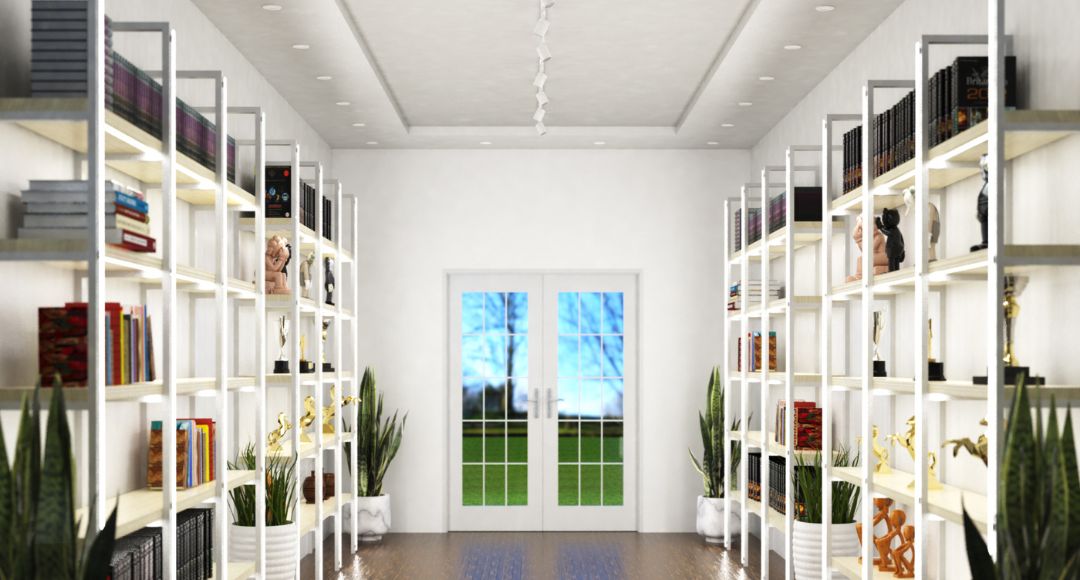
Ah, yes, winter. The unforgiving season when the sun disappears before most of us are even home for the day. When it comes to winter lighting, most of us focus on the living room, kitchen, and outdoor spaces. Hallways and entrances become an afterthought.
We’re here to tell you they shouldn’t be. These are the months when your entrance and hallway aren’t just transitional spaces. They become the gateway between the cold outdoors and the comfort of home.
And with the right lighting choices? You can turn these frequently overlooked areas into warm passages that lift the spirits, guide movement, and set the tone for every arrival and departure.
This guide walks through practical, stylish, and achievable ways to brighten hallways and entrances during the darkest time of the year.
Why Hallway & Entrance Lighting Matters Most in Winter
Hallways are the first and last spaces anyone sees when they step inside your home. In summer, natural daylight does most of the heavy lifting.
But during winter? These areas sit in the front line of darkness. That shift makes lighting more than a design decision. It becomes a matter of visibility, mood, and everyday safety.
The hallway is a small world of constant movement. Think: muddy boots and school bags, pets darting around corners, and kids racing toward the living room. With days becoming shorter and shadows settling more easily, movement along a darkened hallway becomes uncomfortable.
The solution? Good lighting. It restores clarity and gives people a moment to breathe and readjust after walking in from the cold, harsh winter outdoors. It also offers subtle reassurance. A well-lit hallway says: Welcome home. You’re safe. You can see where you’re going.
Pretty reassuring, if you ask us.
The Winter “Tunnel Effect” & How Lighting Fixes It
If you’ve ever stepped into your hallway on a grey December morning and thought it suddenly felt narrower than usual, you’ve experienced the winter tunnel effect.
With little to no daylight reaching these interior spaces (thanks, snow), walls appear darker, corners sink into shadow, and long hallways can feel stretched or constricted in uncomfortable ways.
Strategic lighting loosens this “squeeze”.
Even light distribution across the ceiling helps soften harsh lines, reducing the sense of enclosure. Illuminating vertical surfaces also opens up the space, creating the impression of width and height. Add accent lighting to give the architecture depth.
Now, what once felt like an unwelcoming tunnel becomes a bright, easy-to-navigate passage with visual breathing room.
Lighting that Makes Your Entrance Feel Welcoming on Dark Days
A winter entrance should feel like stepping into a warm pocket of calm after battling wind, rain, or freezing temperatures… not a dark and dingy tunnel.
Visibility matters for taking off coats or finding keys, but the emotional impact is equally important. Light has a way of influencing the mood of a space, dissolving the gloom from outside as you walk in.
Creating a welcoming entrance has two simple goals: to warm the atmosphere and provide good visibility.
Warm White LEDs to Lift the Mood as Soon as You Enter
Warm white lighting (2700–3000K) has a unique comforting quality. It wraps the entrance in softness and, well, warmth. Or at least the feeling of it.
In small hallways, warm tones prevent the space from feeling stark while still providing enough illumination for navigating shoes, mail, and umbrellas.
Warm LEDs are also easy on the eyes, especially when stepping in from the dark outdoors. Instead of a blinding bright blast, you’re met with a glow that gently nudges you into relaxation.
(Or maybe you just need better outdoor winter lighting, but that’s a different post altogether!)
Simply put, warm white lighting is a simple winter mood booster.
Statement Fittings that Add Personality When Natural Light Vanishes
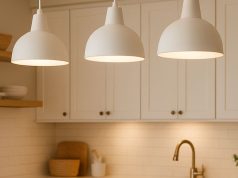
All these talks about function don’t mean that you should take style for granted. On the contrary, these should come hand in hand. Consider pendant lights over taller entrances to create a focal point that feels intentionally designed rather than merely functional.
Flush mounts or semi-flush fittings are excellent for lower ceilings, providing generous light without overcrowding the space. Lastly, linear LEDs can add a modern, sculptural look that is especially effective in long, narrow hallways.
Each option delivers light and personality. During winter, when decoration can’t rely on natural brightness, your fixtures become both the backbone of visibility and part of the decor itself.
Layered Lighting Strategies for Hallways with No Natural Light
Windowless hallways aren’t a rare sight in modern homes. If your hallway has no windows, winter can hit it particularly hard. The trick is to layer your lights just as you would layer clothing in cold weather. This is called… drumroll… layered lighting.
Instead of relying on a single ceiling fixture, combine multiple lighting types to achieve a balanced, visually dynamic space. Layering also prevents the dreaded dark patches that make hallways feel cramped and disjointed.
Ceiling Lighting for Even, Shadow-Free Coverage
Ceiling lighting is the foundation of hallway illumination. For winter months, focus on even, shadow-free coverage that stretches the full length of the space.
LED downlights are a popular choice because they provide clean, symmetrical lighting. When spaced evenly, they remove those heavy shadows that settle in winter, especially near floor level.
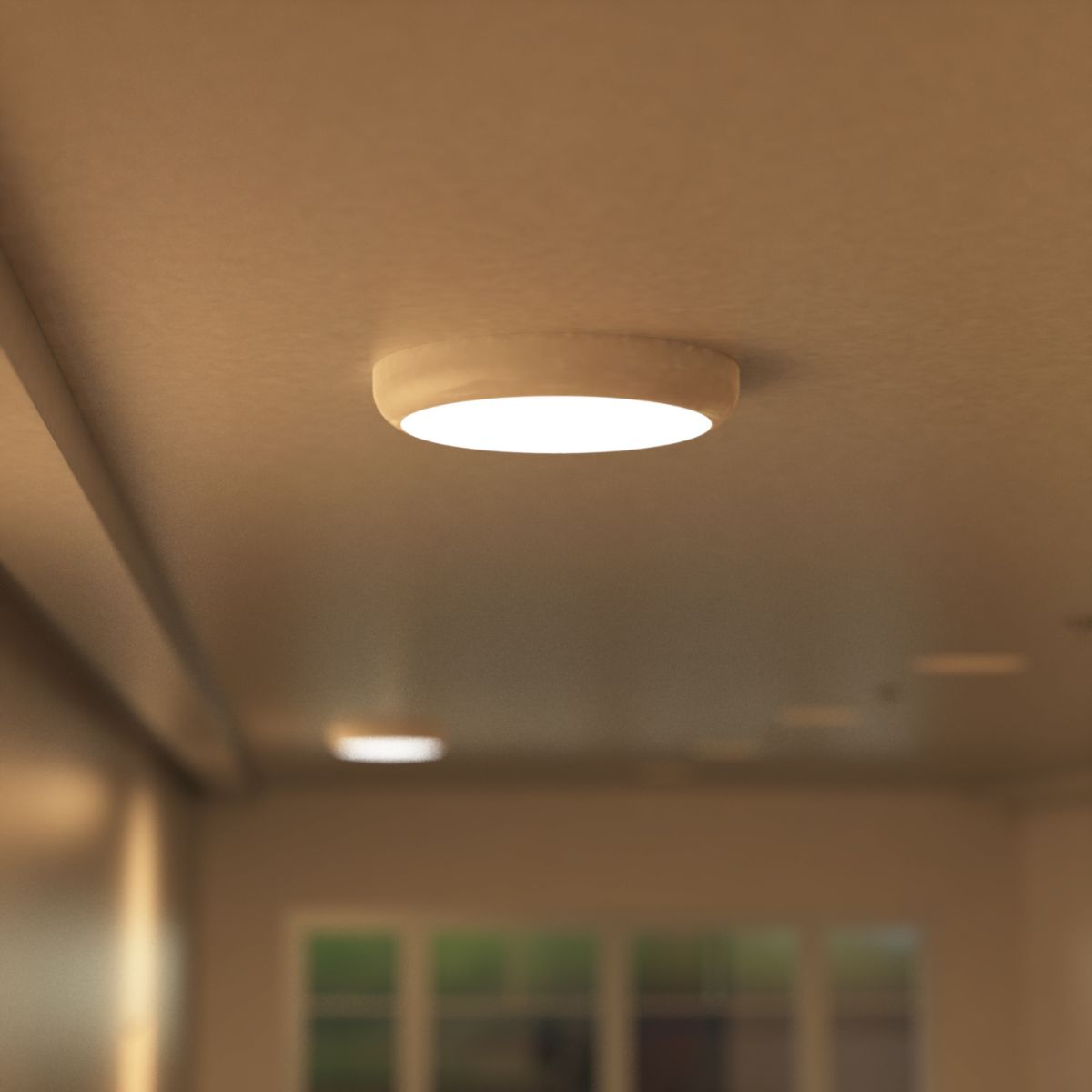
If your hallway ceiling is low, compact LED downlights or low-profile flush mounts keep the space still feeling spacious.
LED batten lights also offer a brighter, more utilitarian look that works well for modern or minimalist interiors, giving strong, reliable illumination where you need it.
Wall Lighting to Break Up Dark Surfaces
Alright, your hallway is now lit. But with overhead lighting alone, it may feel stale and boring. Wall lighting is here to the rescue.
Wall lighting behaves like a visual stretcher in winter hallways. By lifting brightness onto vertical surfaces, you create a sense of height and depth that a single overhead fixture can’t achieve.
Sconces placed along the hallway distribute warmth and soften the edges. Up-and-down wall lights produce a wash of illumination that makes narrow hallways feel taller.
LED wall washers add a smooth glow across surfaces, removing the dullness that winter darkness tends to amplify. With wall lighting, the goal is to make the walls part of the lighting plan rather than passive backdrops.
Accent Lighting to Add Depth in Winter Months
What’s better than a dull hallway? A hallway with character. Accent lighting can help you add that. In winter, when ambient light is minimal, accents add dimension and intrigue. They also help with navigation during early mornings or late evenings.
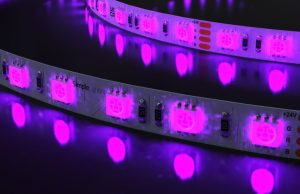
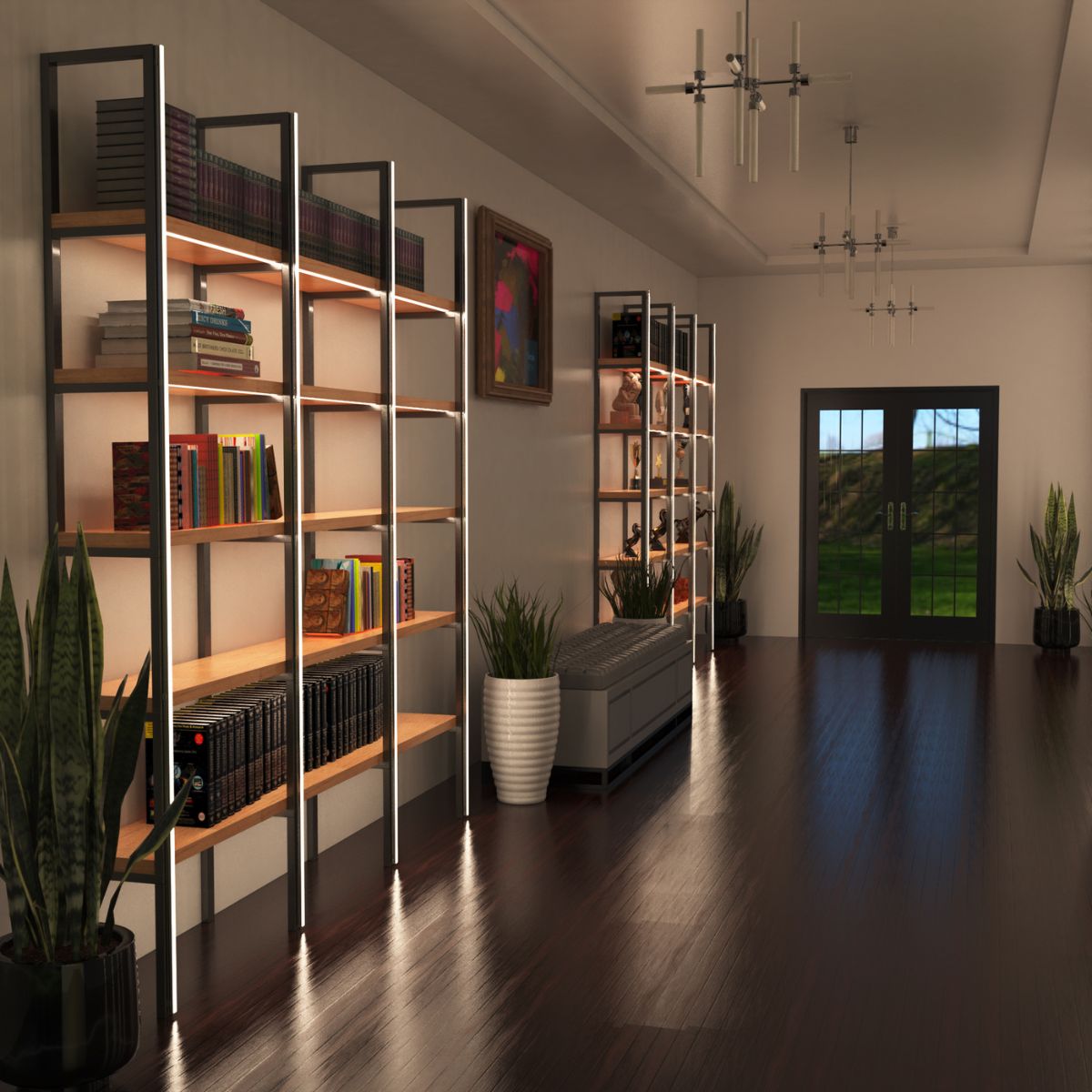
LED strip lights and LED neon flex are popular choices for accent lighting. They’re both wonderfully versatile light sources.
Place them under a console table to give a floating effect, along skirting boards to outline the path, behind picture frames for soft halo lighting, or along stair treads to illuminate steps without overwhelming brightness.
These small touches transform the hallway from purely functional to beautifully layered, especially when the outside world feels flat and colourless.
Making Hallways Safer During Dark Winter Mornings & Evenings
As we’ve noted earlier, hallway lighting is as much about function as it is about aesthetics. Winter turns these transition spaces into potential obstacle courses. Bags on the floor, shoes in the corner, a cat quietly purring underfoot: visibility matters more than ever.
Good lighting reduces the risk of bumps, missteps, and accidents, especially for families with children, elderly relatives, or clumsy pets.
Motion Sensors & Smart Lighting for Hands-Free Illumination
There’s a certain feeling of relief in walking through your door on a winter evening and having the hallway light switch on the moment you step inside. No more juggling shopping bags and fumbling for switches with numb fingers.
Motion sensor lighting is perfect for winter because it provides:
- automatic illumination when you arrive home in the dark
- safe guidance during middle-of-the-night trips to the bathroom (or the kitchen)
- reduced energy waste, since lights only activate when needed
Smart lighting takes this even further:
You can set routines for early winter mornings so the hallway lights brighten gently before you leave for work, and then automatically switch to a calmer, more welcoming scene every time you come home.
Illuminated Steps, Corners & Doorways
Shadowy steps are accident-prone areas, especially on gloomy winter days/nights. If your stairs are adjacent to hallways, use LED step lights or subtle strips along the risers to ensure safe visibility.
Lighting the edges of landings or thresholds also helps guide movement, especially when the hallway bends around corners or transitions into other rooms. Doorway lighting ensures you can easily see locks, handles, and floor-level obstacles, creating smoother, safer movement after sunset.
Clever Tricks to Maximise Brightness Without Renovating
If you’re into lighting (like us), you’ll eventually learn that improving the aesthetic and functionality of a space, such as your hallway, doesn’t necessarily require a renovation or major wiring and lighting installations.
There are plenty of small, clever upgrades that brighten a gloomy hallway without overhauling the space.
Mirrors & Reflective Surfaces to Spread Light
What are mirrors good for if not for their reflection?
They reflect existing light throughout the space, making hallways appear brighter and wider. Place a mirror opposite a light source for maximum effect. The mirror reflects the fixture’s glow, doubling its reach.
Reflective surfaces, such as glossy-finish console tables, metallic frames, or polished wall decor, also enhance the ambience by reflecting available light and casting it into darker corners.
Swapping Old Bulbs for Higher-Lumen LEDs
Sometimes the quickest fix for a dimly lit hallway is simply adding more brightness. Higher-lumen LED bulbs deliver brighter illumination without increasing energy consumption.
Pro Tip: If clarity is the priority, for example, in a busy family hallway, natural white (4000K) helps with visibility. For a softer, more inviting atmosphere, warm white (2700–3000K) is ideal.
Choosing the Right Colour Temperature for Winter Hallways
Colour temperature shapes the entire mood of a hallway, especially in winter. This dictates the tone of your lights: warmer or cooler. Both have their specific strengths and ideal usage.
Cool White for Function, Warm White for Comfort
Cool white lighting gives crisp, clear visibility, which is great for narrow hallways, multi-use entrances, or spaces where you store coats, shoes, and essentials. It cuts through winter gloom and makes surfaces appear brighter.
Warm white, on the other hand, conveys a sense of warmth. It makes entrances feel inviting, calm, and relaxed. Perfect for decorative hallways where atmosphere matters more than task lighting, though still perfectly functional.
In short, you do not want cool lighting when you want a relaxed hallway atmosphere.
Multi-Zone Hallways? Use Dual-Temperature Solutions
If your hallway has multiple zones (e.g., an entrance leading into a long connecting corridor), tunable white or dim-to-warm solutions offer the best of both worlds. Here’s a lighting idea you can execute right away:
In the functional area near the door, you can keep the temperature brighter and cooler. Then, as the hallway transitions into the rest of the home, warm tones create a softer, more leisurely feel.
During winter, this flexibility lets you adapt lighting to different moments, from early morning exits to bedtime wind-downs.

Create a Bright, Inviting Hallway All Winter Long
Your hallways don’t need to feel gloomy and suffocating this winter. With thoughtful lighting, you can transform them into warm, bright, and practical pathways that welcome you home when the world outside feels dim.
A hallway that feels open, safe, and uplifting is a culmination of layered lighting, considered colour temperatures, strategic placement, and simple (yet impactful) upgrades.
Hallway lighting isn’t just a design feature. It’s a winter essential. And with a few smart, achievable changes, you can create a space that welcomes you with clarity and comfort every day.
Check out Simple Lighting’s range of high-performance LED indoor lighting that can help you turn your hallway and entrance space into one of the most uplifting spaces in your home.
You can also find more winter lighting ideas here: Winter Home Lighting Ideas for a Warm, Cosy and Efficient Home.