
Indoor Lighting
Choosing the right indoor lighting helps you see clearly, move safely, and use each space properly. At Simple Lighting, you’ll find a wide range of LED indoor lights designed for homes and commercial interiors alike.
Whether you’re replacing a single fitting or planning a complete overhaul, you can browse reliable, easy-to-install options built for everyday indoor use. Our range covers practical lighting solutions for kitchens, bathrooms, bedrooms, living spaces, and more.
Filters
Sort Featured
-
 In Stock
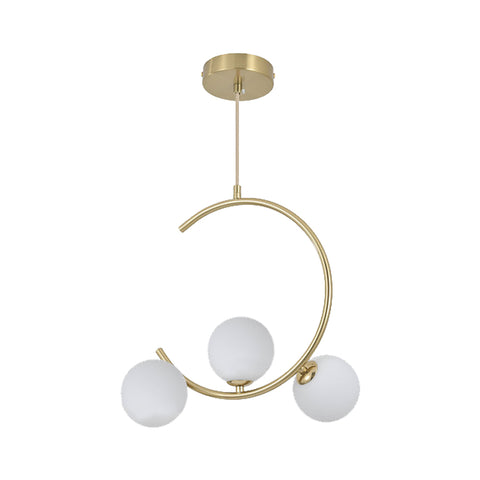
Crescent Shaped Pendant Light with Three Glass Spheres
£49.19INC VAT -
 In Stock
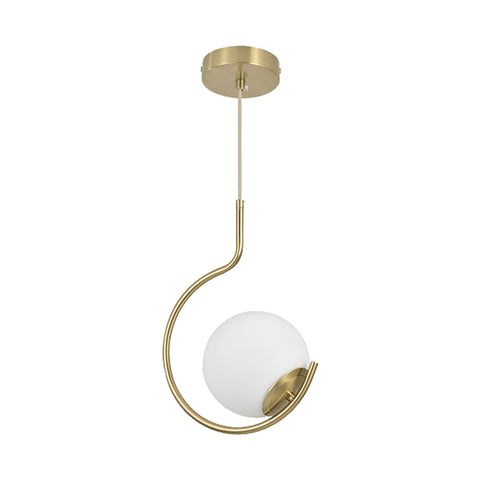
Hook Shaped Pendant Light with a Glass Sphere
£31.79INC VAT -
 In Stock
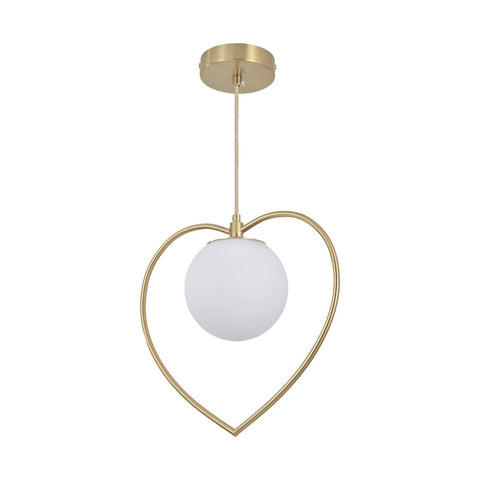
Heart Shaped Pendant Light with a Glass Sphere
£38.95INC VAT -
 In Stock
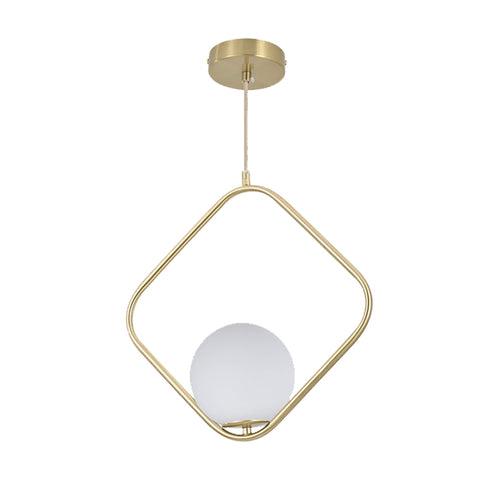
Diamond Shaped Pendant Light with a Glass Sphere
£40.99INC VAT -
 In Stock
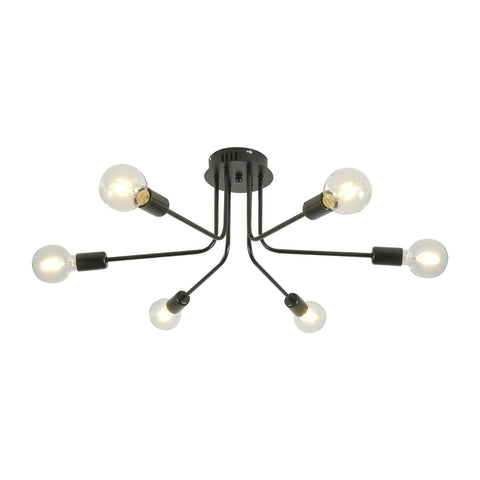
Black 6 Light Ceiling Pendant, E27
£30.75INC VAT -
 In Stock
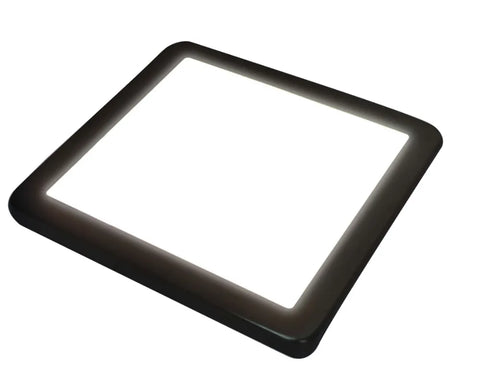
3.5w Slim Square LED Under Cabinet Light - Warm White or Natural White
£12.99INC VAT -
 In Stock
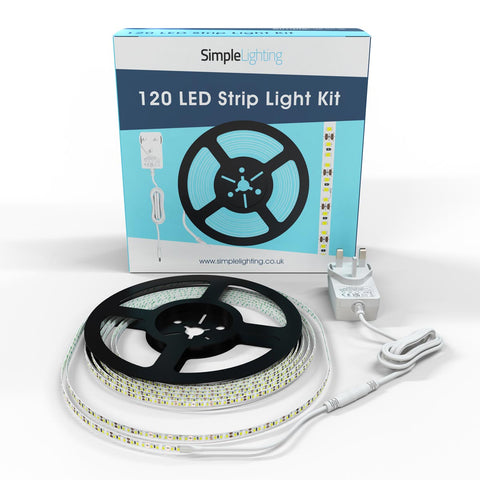
5m LED Strip Light Kit with Plug-In Power – 120 LEDs/m – Cool, Natural or Warm White
£13.35 Was £15.39INC VAT -
 In Stock
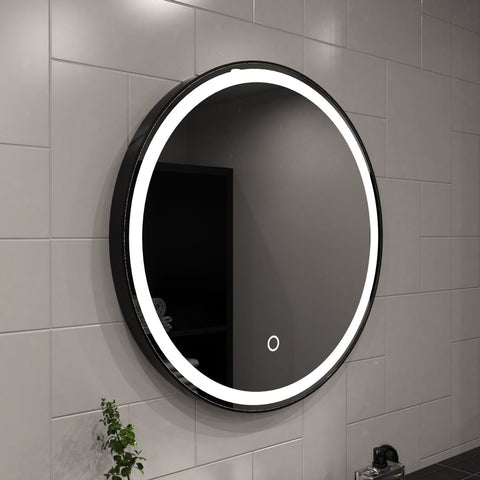
Aurora, Round LED Bathroom Mirror, 610mm - Matte Black
£124.99 Was £135.15INC VAT -
 In Stock
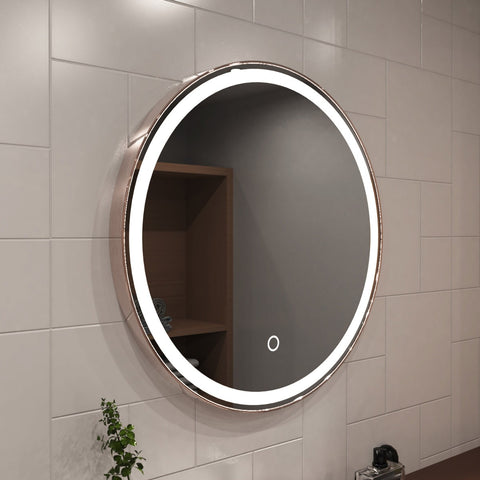
Aurora, Round LED Bathroom Mirror, 610mm - Rose Gold
£124.99 Was £135.15INC VAT -
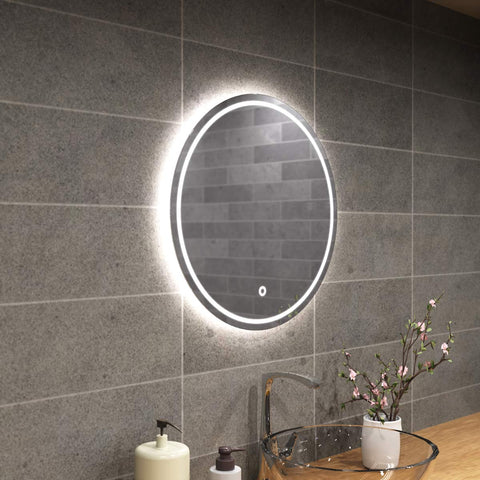 In Stock
Glow, 600mm LED Bathroom Mirror
£129.99 Was £179.99INC VAT -
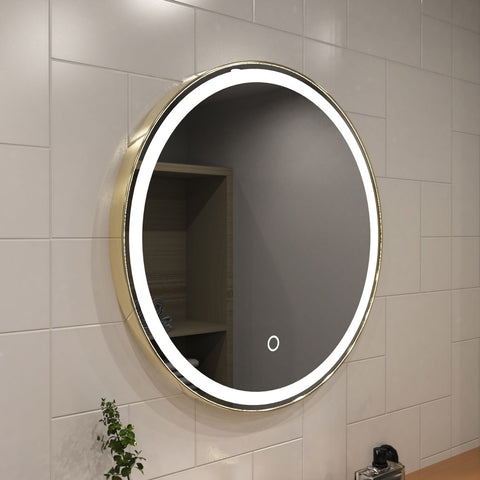 In Stock
Aurora, Round LED Bathroom Mirror, 610mm - Brushed Titanium Gold
£124.99 Was £133.19INC VAT -
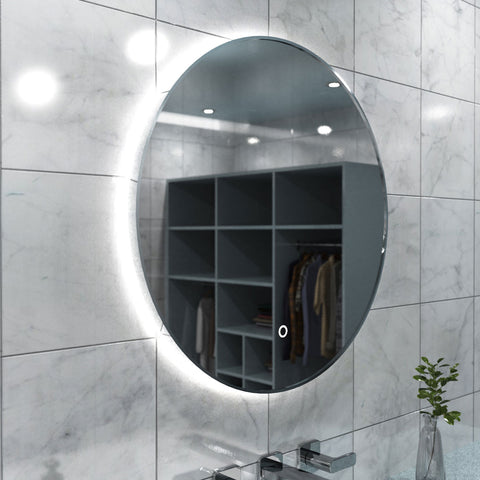 In Stock
Luxe, 600mm LED Bathroom Mirror - Brushed Silver
£124.99 Was £136.29INC VAT -
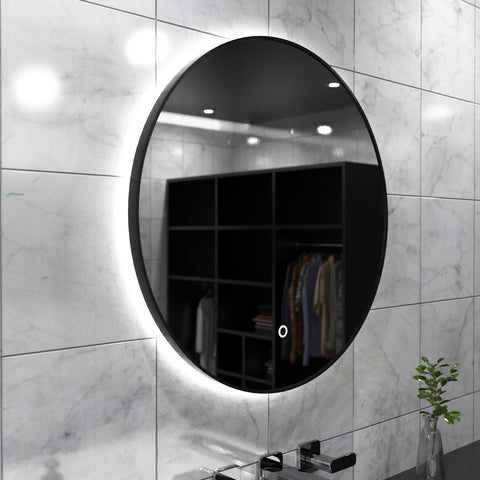 Sold Out
Luxe, 600mm LED Bathroom Mirror - Brushed Black
£124.99 Was £136.29INC VAT -
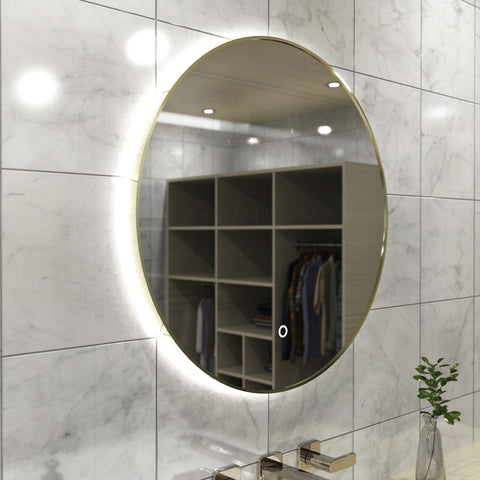 In Stock
Luxe, 600mm LED Bathroom Mirror - Brushed Titanium Gold
£124.99 Was £136.29INC VAT -
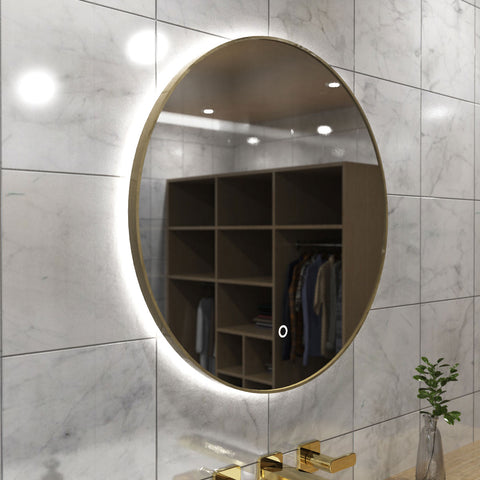 In Stock
Luxe, 600mm LED Bathroom Mirror - Oak Style Bezel
£124.99 Was £136.29INC VAT -
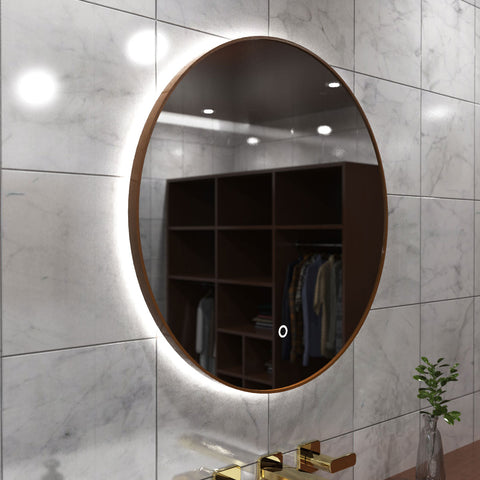 Sold Out
Luxe, 600mm LED Bathroom Mirror - Walnut Style Bezel
£124.99 Was £136.29INC VAT -
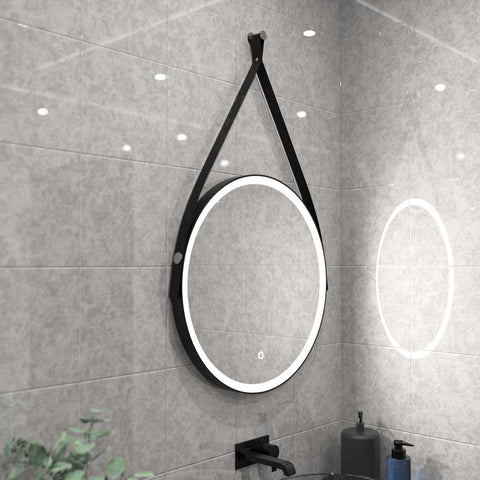 In Stock
Gleam Hanging LED Bathroom Mirror - 600mm - Matte Black
£139.99 Was £150.65INC VAT -
 In Stock
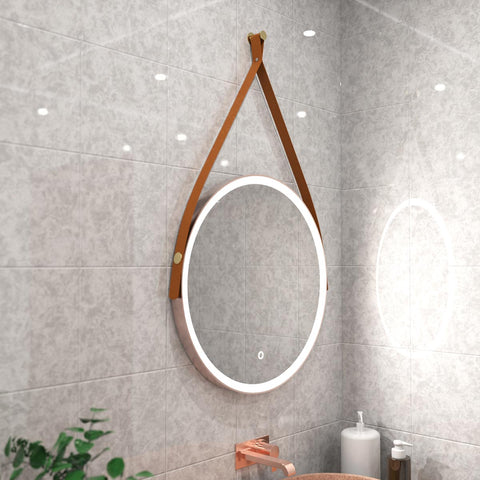
Gleam Hanging LED Bathroom Mirror - 600mm - Brushed Rose Gold
£139.99 Was £150.65INC VAT -
 In Stock
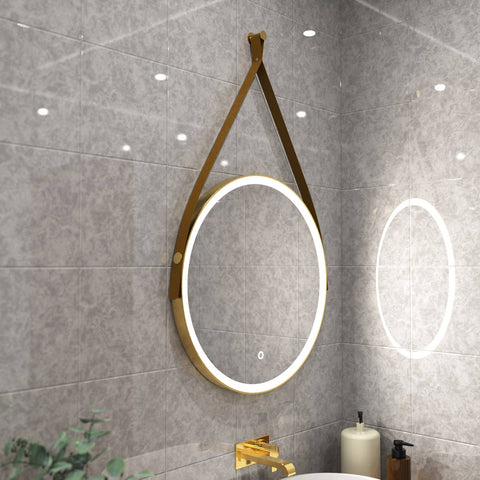
Gleam Hanging LED Bathroom Mirror - 600mm - Brushed Titanium Gold
£139.99 Was £150.65INC VAT -
 In Stock
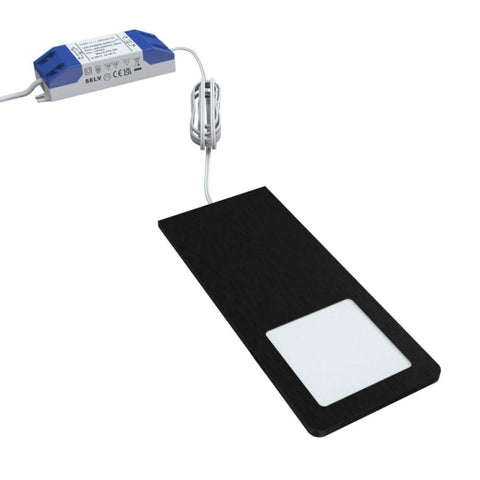
Black Recti Superslim 5w LED Cabinet Light
£11.25INC VAT -
 In Stock
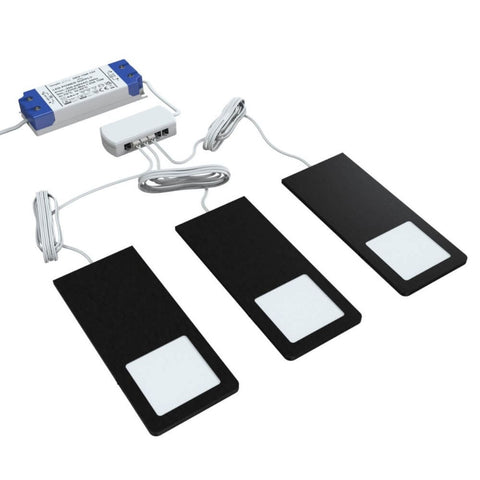
3 X Black Recti Superslim 5w LED Cabinet Light Includes LED Driver
£48.99INC VAT -
 In Stock
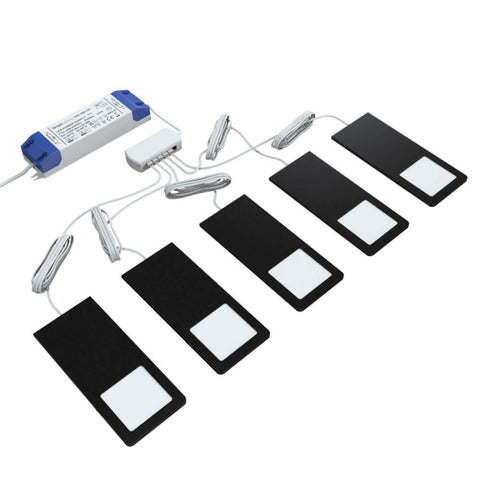
5 X Black Recti Superslim 5w LED Cabinet Light
£81.69INC VAT -
 In Stock
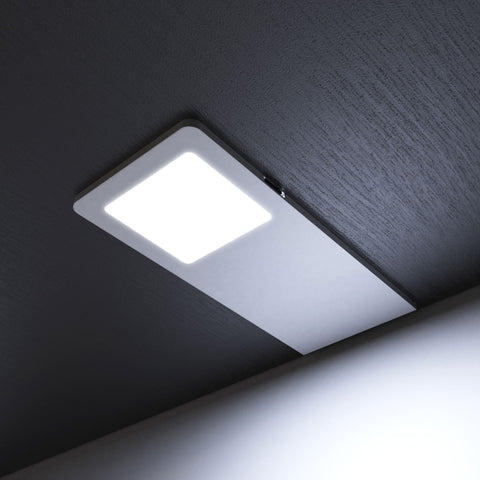
Matte White, Recti Superslim 5w LED Cabinet Light
£11.25INC VAT -
 In Stock
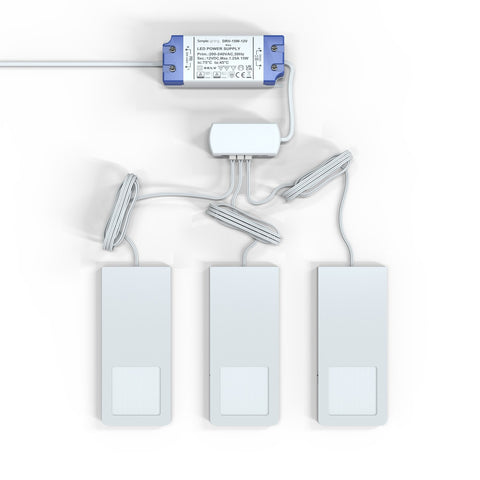
3 X Recti Superslim 5w LED Cabinet Light, Matte White, Includes LED Driver
£48.99INC VAT
Frequently Asked Questions
What types of indoor LED lights are available at Simple Lighting?
Simple Lighting offers seven main types of indoor LED lighting: under cabinet lighting for task illumination, pendant lights for focused accent lighting, over cabinet lighting for ambient glow, pop-up plug sockets for hidden power solutions, downlights for general room lighting, strip lights for versatile applications, and wall lights for decorative and functional purposes. Each type is designed to suit different rooms and lighting needs throughout your home or commercial space.
How much energy do LED indoor lights save compared to traditional lighting?
LED indoor lights use 80 to 90% less electricity than halogen or fluorescent fittings. This dramatic reduction in energy consumption translates to significant savings on your electricity bills, particularly in areas where lights are frequently used like kitchens, hallways, and offices. The energy efficiency makes LEDs an excellent long-term investment for any indoor lighting project.
How long do LED indoor lights typically last?
LED indoor lights typically last between 25,000 to 50,000 hours, which is far longer than traditional lighting options. This extended lifespan means fewer replacements, reduced maintenance costs, and less disruption to your daily routine. For most households, this translates to many years of reliable lighting performance.
Are LED indoor lights suitable for dimming?
Many LED indoor lights are compatible with dimming systems and smart controls, though it's important to check the specific product specifications. Modern LEDs provide consistent light output across different brightness levels and are available in various colour temperatures to suit different rooms and moods. Simple Lighting offers options that work well with dimmer switches and smart home systems.
What colour temperature should I choose for different indoor spaces?
Warm white (2700K-3000K) creates a cosy atmosphere perfect for living rooms, bedrooms, and dining areas. Natural white (4000K) provides balanced lighting ideal for kitchens, bathrooms, and workspaces where you need clear visibility. Cool white (5000K-6500K) offers crisp, energising light suitable for offices, garages, and task-focused areas.
Can I install LED indoor lights myself?
Many LED indoor lights are designed for easy installation, particularly plug-in options like under cabinet lighting and some wall lights. However, any work involving mains electrical connections should be carried out by a qualified electrician to ensure safety and compliance with UK building regulations. Simple Lighting provides clear installation guides with products to help you understand what's involved.
Are LED lights safe for indoor use and environmentally friendly?
Yes, LED lights are very safe for indoor use and environmentally friendly. They contain no mercury, produce significantly lower carbon emissions throughout their lifespan, and generate minimal heat compared to traditional lighting. LEDs also don't emit UV radiation, making them safe for prolonged indoor use without affecting fabrics or artwork.
What's the difference between linkable and non-linkable under cabinet lights?
Linkable under cabinet lights can be connected together in a chain using connector cables, allowing you to create continuous lighting runs across multiple cabinets from a single power source. Non-linkable lights operate independently and require separate power connections for each fitting. Linkable options are ideal for kitchen installations where you want seamless lighting across long worktop areas.