

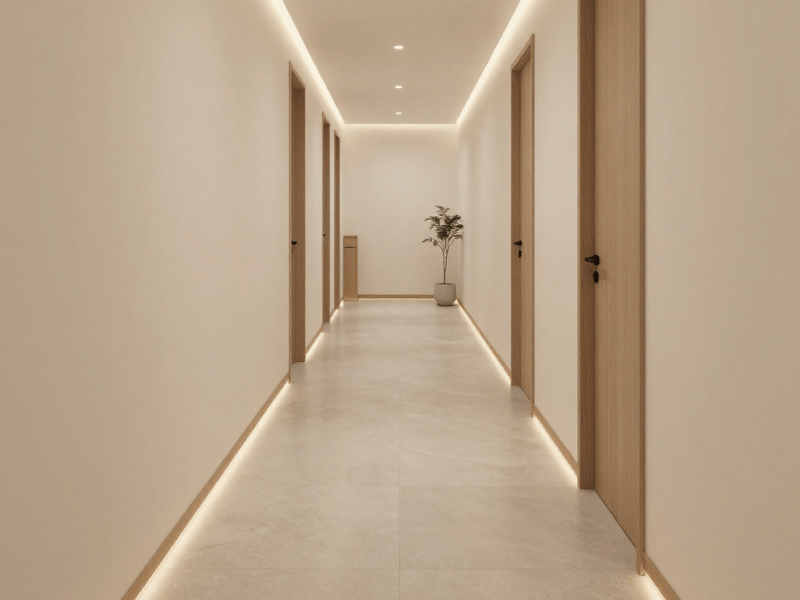





LED Signage
If you’re a business owner, you know how competitive the market can get nowadays. LED signage offers businesses and commercial spaces an impactful way to attract customers and get them browsing in your store rather than your competitors.
LED signage helps capture your target audience’s attention and display important information or announcements. And depending on the application, you can place LED signage outdoors or indoors.
Because of their high visibility and customisability, they’re a popular, cost-effective choice for business advertising and branding.
Filters
Sort Featured
-
 In Stock
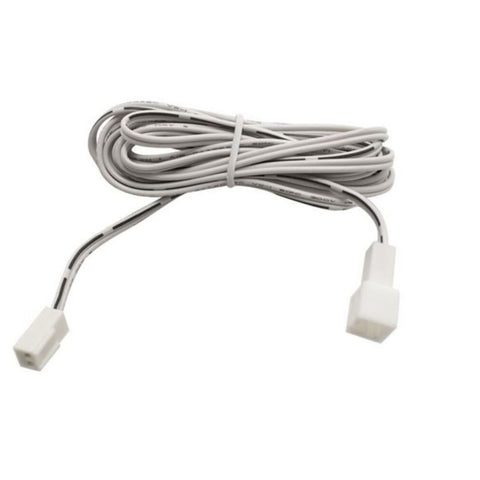
2m or 5m Extension Cable For LED Cabinet Lights & LED Tape
£3.09INC VAT -
 Sold Out
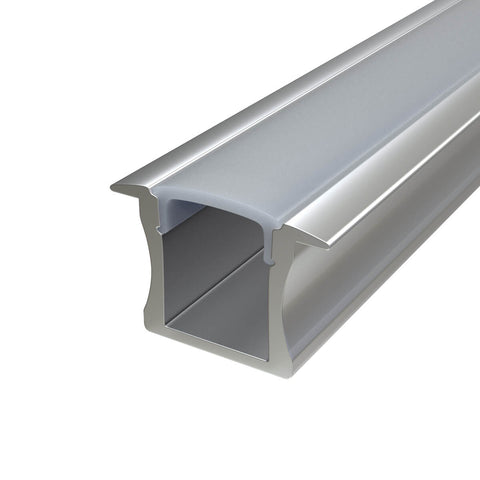
1m Recess Mounted Aluminium LED Profile (Extrusion) for all types of LED Tape
£6.15 Was £10.25INC VAT -
 In Stock
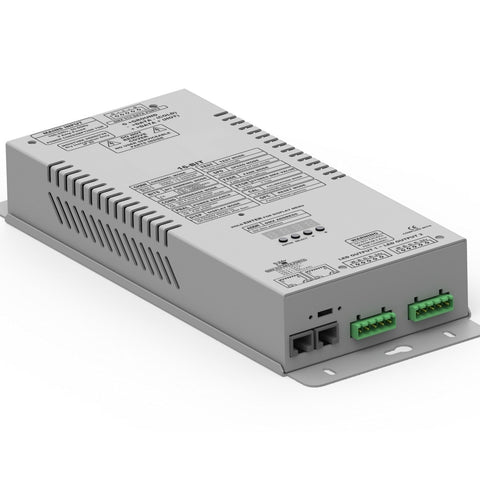
All In One RGB and RGBW DMX LED Driver - Run Upto 120 Metres of RGB LED Tape
£337.99INC VAT -
 In Stock
Cool White LED Tape - 5w Per Metre
£5.35 Was £9.75INC VAT -
 In Stock
Green LED Tape/Strip Light - 5w Per Metre
£6.69 Was £12.29INC VAT -
 In Stock
Warm White 5w LED Strip Lighting, 5 Year Warranty
£5.35 Was £9.75INC VAT -
 In Stock
Blue COB LED Strip Lighting, Self Adhesive, 6w Per Metre
£10.25 Was £15.39INC VAT -
 In Stock
Colour Temperature Adjustable LED Tape - Warm to Cool White 2750-6500K
£13.35 Was £30.75INC VAT -
 Sold Out
10w Cool White LED Tape - 120 LEDs P/M - 6000K
£7.69 Was £12.29INC VAT -
 Sold Out
Natural White LED Tape 120 LEDs Per Metre - 4000K
£7.69 Was £12.29INC VAT -
 In Stock
LED Tape, Warm White 10w P/M 3000K
£7.69 Was £12.29INC VAT -
 In Stock
LED Tape, Cool White IP65 Waterproof
£8.75 Was £12.29INC VAT -
 In Stock
LED Tape, IP65 Warm White, 5w Per Metre 3000K
£8.75 Was £12.29INC VAT -
 Sold Out
IP65 LED Tape, 5w P/M - 4000K Natural White
£8.75 Was £12.29INC VAT -
 In Stock
LED Tape, IP20 Natural White 4000K, 5w P/M
£5.35 Was £9.75INC VAT -
 In Stock
LED Tape, IP65 High Power 15w P/M Warm White
£14.35INC VAT -
 In Stock
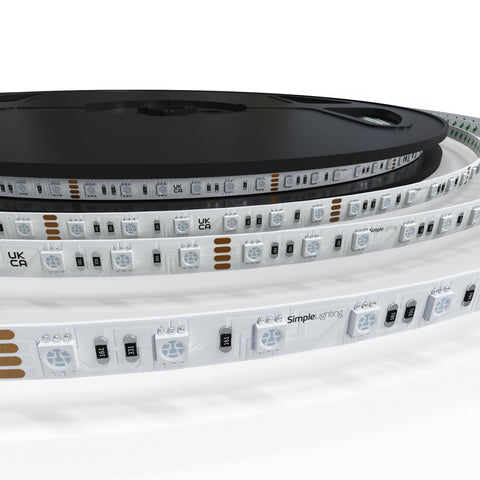
LED Tape, RGB Colour Changing 60 LEDs P/M 15W
£7.09 Was £8.75INC VAT -
 In Stock
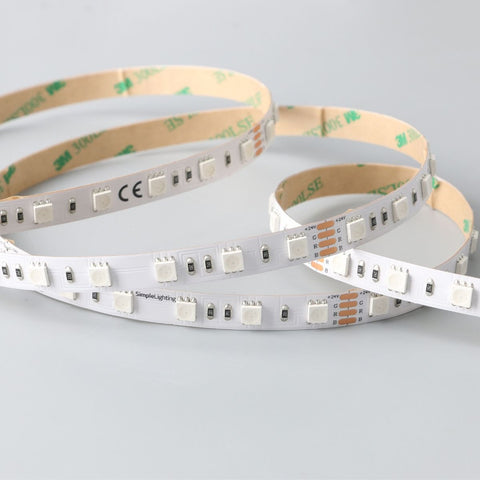
RGB LED Tape, IP65 Waterproof, 15w, 60 LEDs P/M
£9.45 Was £11.29INC VAT -
 In Stock
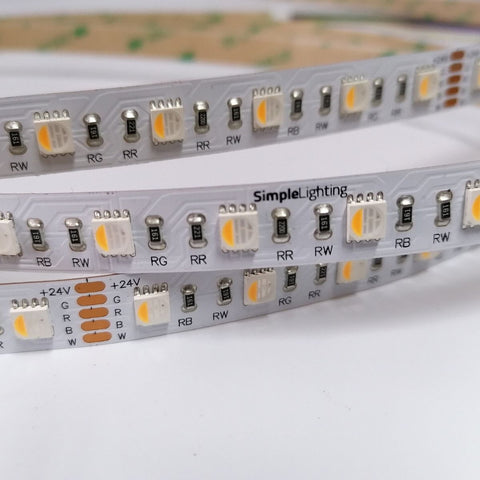
LED Tape, RGBW 19.2w P/M, 60 LEDs Warm White
£11.29 Was £12.29INC VAT -
 In Stock
5m, LED Strip Light / Tape Kit, Cool, Warm & Natural White
£15.39 Was £25.65INC VAT -
 In Stock
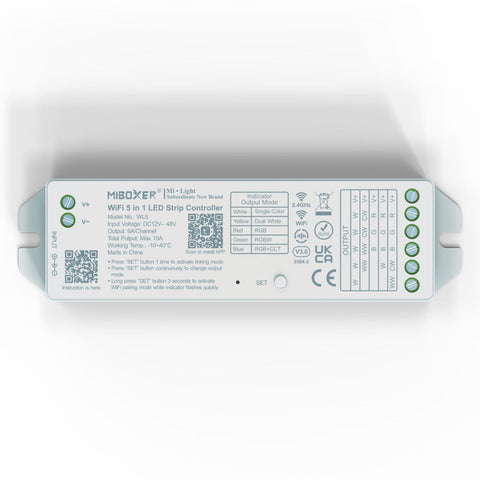
5 In 1 LED Strip Controller, App, Alexa & Google Home Controlled
£28.55 Was £35.89INC VAT -
 In Stock
COB LED Strip - No Spots, Cool, Warm or Natural White, CRI >90
£12.29 Was £30.75INC VAT -
 In Stock
5m Long 4mm Flexible Neon Flex / Strip Lighting - Dotless
£49.99 Was £59.95INC VAT -
 In Stock
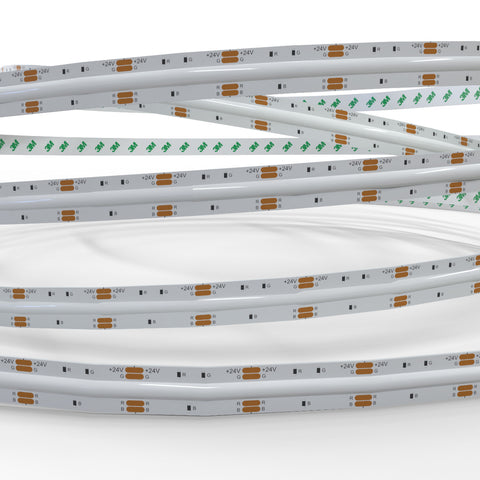
COB RGB LED Strip Light - Dotless Colour Changing LED Tape
£16.39 Was £40.99INC VAT


Frequently Asked Questions
How long do LED signs last compared to traditional signage?
LED signs typically last 50,000 to 100,000 hours, which is significantly longer than traditional neon signs that last around 10,000 to 15,000 hours. This means LED signage can run continuously for 5-10 years before needing replacement, making them a cost-effective long-term investment for businesses.
Can LED signage be used outdoors in all weather conditions?
Yes, many LED signage products are designed for outdoor use with appropriate IP ratings for weather protection. LED neon flex and waterproof LED strip lights can withstand rain, snow, and temperature fluctuations. However, it's important to choose products specifically rated for outdoor use and ensure proper installation with weatherproof connections.
Do I need an electrician to install LED signage?
For basic LED strip lighting and low-voltage LED neon installations, many business owners can handle the installation themselves as these typically run on 12V or 24V systems. However, for mains voltage connections, outdoor installations, or complex signage systems, it's recommended to use a qualified electrician to ensure safety and compliance with regulations.
How much electricity do LED signs use?
LED signs are extremely energy efficient, using up to 80% less electricity than traditional neon or fluorescent signage. For example, LED strip lights typically consume just 5-10 watts per metre, whilst LED neon flex uses around 6-14 watts per metre. This translates to significant savings on electricity bills for businesses running signage continuously.
Can LED signage change colours or be dimmed?
Yes, RGB and RGBW LED signage can display millions of colours and be controlled via DMX controllers or smartphone apps. Single-colour LED signs can also be dimmed using compatible dimmer switches or controllers. This flexibility allows businesses to adapt their signage for different times of day, seasons, or promotional campaigns.
What's the difference between LED neon and LED strip lights for signage?
LED neon provides a smooth, continuous light output that closely mimics traditional glass neon, making it ideal for curved lettering and decorative signage. LED strip lights offer more flexibility for straight lines and can be cut to precise lengths, making them perfect for channel lettering and backlighting applications. Both options are energy efficient and suitable for commercial signage.
How do I cut LED strip lights to fit my signage requirements?
Most LED strip lights can be cut at designated cutting points, usually marked every few centimetres along the strip. Simply use scissors or a craft knife to cut along these marked lines, then use appropriate connectors to join sections or connect to power supplies. Simple Lighting offers cut-to-measure services and various connectors to help achieve professional results.