





Accessories
LED lighting accessories to support every installation, from LED drivers and power supplies to cables, connectors and LED controllers. Whether you are completing a new LED strip project, replacing a driver on an existing fitting, or adding accessories to your cabinet lighting setup, this section has everything you need to get the job done. Browse by category below to find the right component for your project.
Filters
Sort Most relevant
-
 In Stock
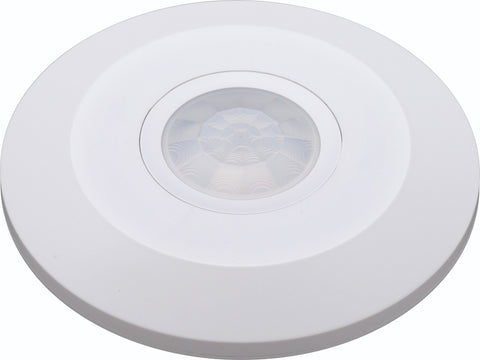
360° White Ceiling PIR Motion Sensor, Slimline 8m Range
£7.19 Was £8.05INC VAT -
 In Stock
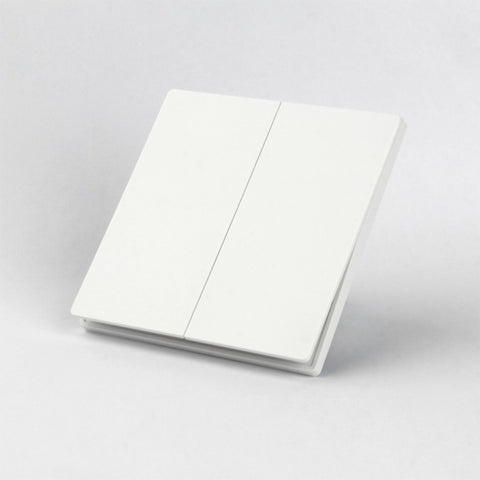
Two Gang Push Switch - 2 Zones
£7.39 Was £9.25INC VAT -
 In Stock
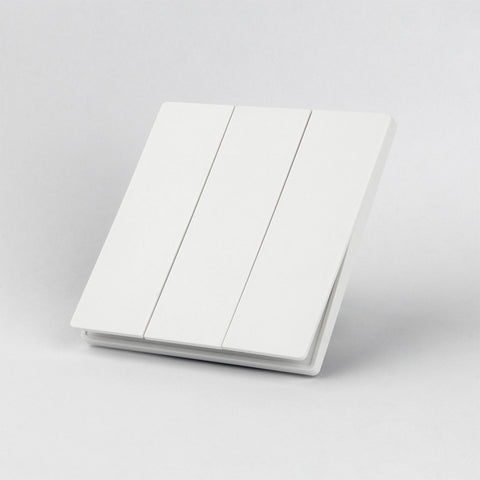
Three Gang Push Switch - 3 Zones
£8.39 Was £10.19INC VAT -
 In Stock
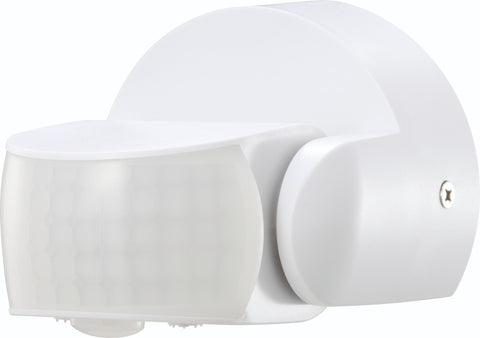
White Wall PIR Motion Sensor IP65 12m 180°/360°
£12.35 Was £14.35INC VAT -
 In Stock
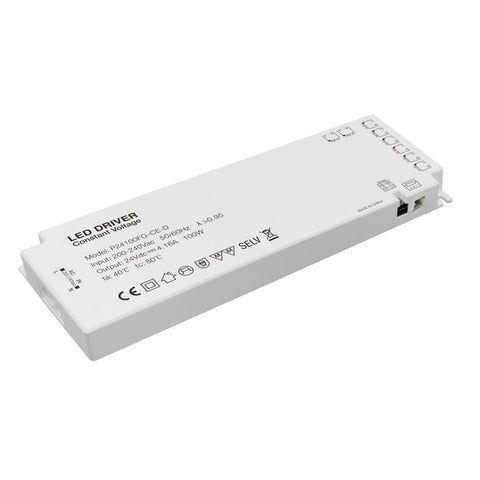
Lighteez 100W 24V Plug & Play LED Driver - 1.2m Cable
£48.39 Was £67.39INC VAT -
 In Stock
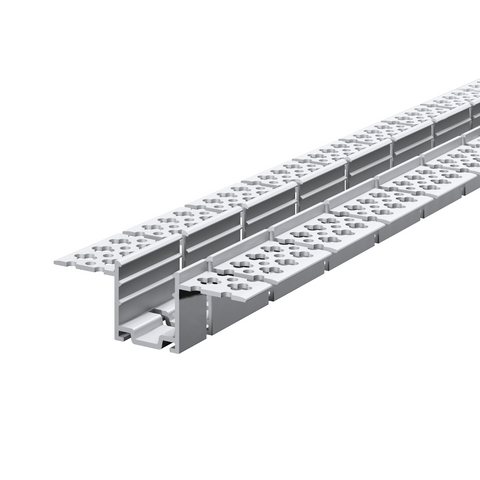
1M LED Bendable Plaster-In Aluminium Profile for PRO Neon Flex
£21.05INC VAT -
 In Stock
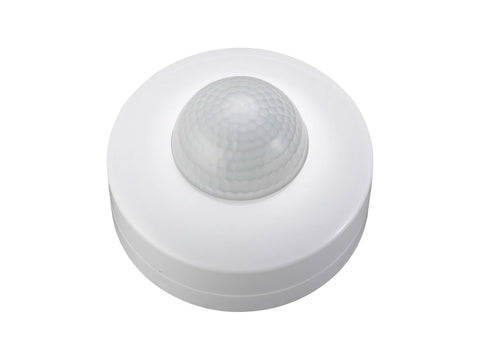
360° White Ceiling PIR Motion Sensor 12m Range
£9.99 Was £12.15INC VAT -
 In Stock
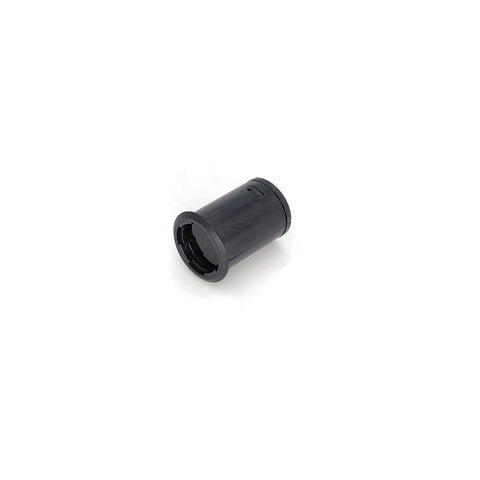
Lighteez Door Trigger Sensor - Plug & Play Driver Accessory
£9.25 Was £11.99INC VAT -
 In Stock
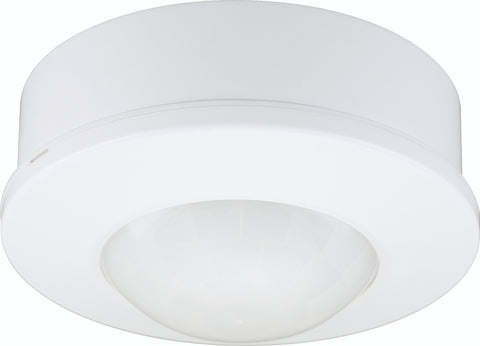
360° White Ceiling PIR Motion Sensor 8m Range, Surface or Recessed
£9.25 Was £10.99INC VAT -
 In Stock
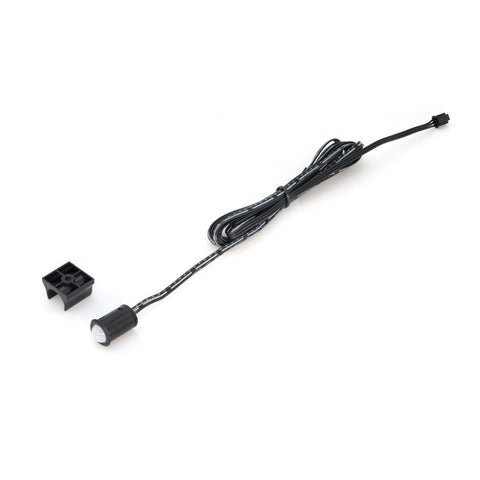
Lighteez PIR Sensor - Plug & Play Driver Accessory
£9.25 Was £11.99INC VAT -
 In Stock
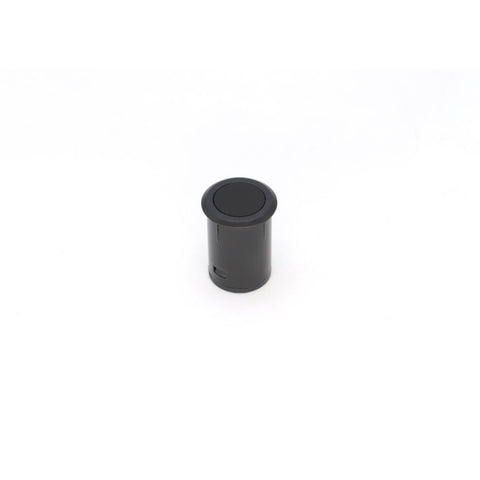
Lighteez Hand Swipe Sensor & Dimmer - Plug & Play Driver Accessory
£9.25 Was £11.99INC VAT -
 In Stock
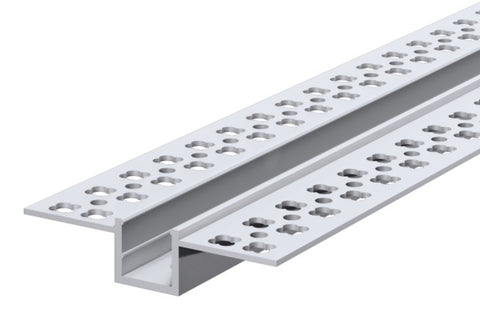
1M Plaster-In LED Aluminium Profile for ECO Neon Flex
£11.59INC VAT -
 In Stock
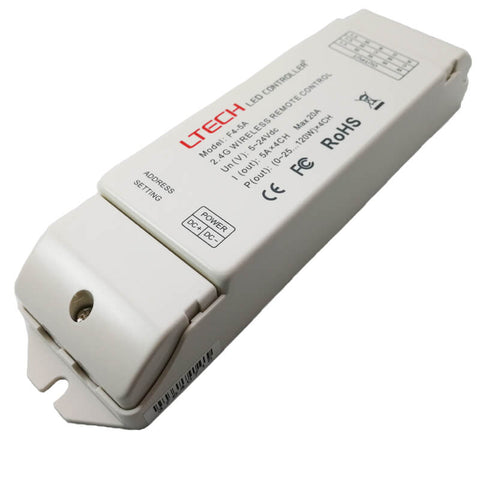
LED Module For Wall Dimmer or RGBW Controller
£115.09 Was £122.99INC VAT -
 In Stock
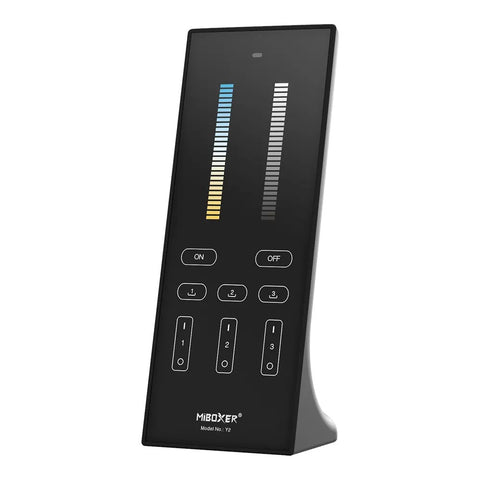
3 White, Colour Tuning (CCT) Freestanding Remote Control - Black Finish
£17.89 Was £20.45INC VAT -
 In Stock
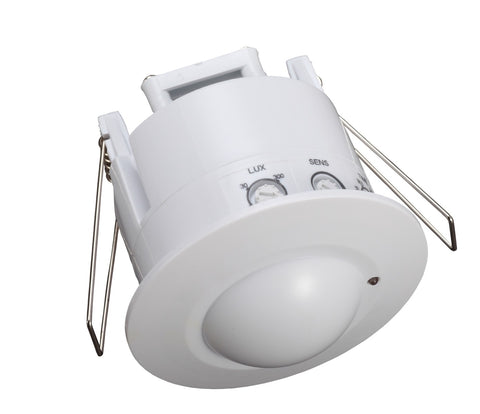
360° Recessed Microwave Sensor White 1200W
£12.35 Was £14.50INC VAT -
 In Stock
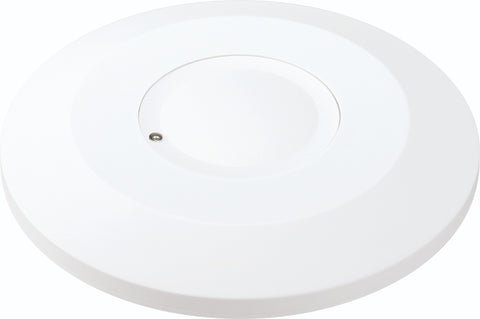
360° Surface Mounted Microwave Sensor White 2000W
£12.35 Was £14.50INC VAT -
 In Stock
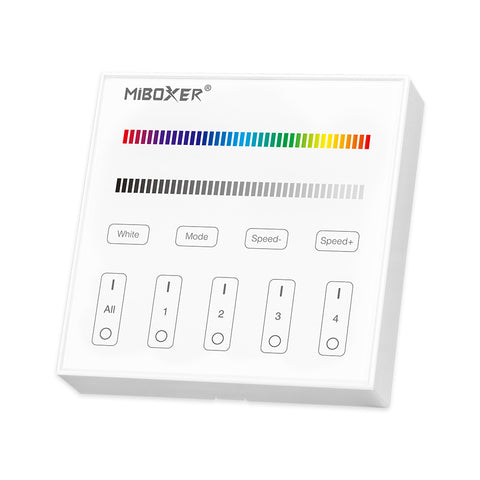
Wall Mounted RGB / RGBW, 4 Zone, Battery Powered
£30.65 Was £40.99INC VAT -
 In Stock
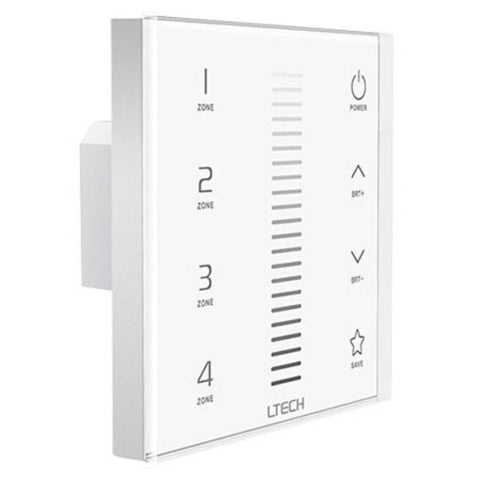
Multi Zone RF/DMX LED Dimmer
£88.69INC VAT -
 In Stock
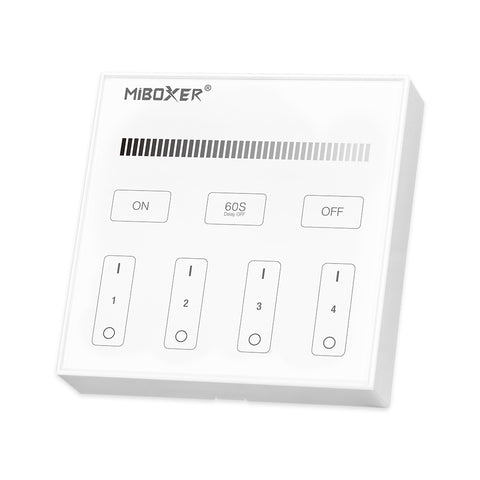
Wall Mounted LED Dimmer, 4 Zone, Battery Powered - Black or White
£30.65 Was £40.99INC VAT
Frequently Asked Questions
What LED accessories do I need for a complete LED strip installation?
For a complete LED strip installation, you'll need an LED driver or power supply matched to your strip's wattage and voltage, appropriate connectors or cables to link components, and potentially a dimmer controller if you want brightness control. Depending on your setup, you might also need extension cables and mounting accessories to properly secure everything in place.
How do I choose the right LED driver for my lighting project?
Choose an LED driver by matching the voltage (12V or 24V) to your LED lights and ensuring the wattage capacity exceeds your total LED load by at least 10-20%. For example, if you're running 25 watts of LED strip, select a 30W driver. Also consider whether you need dimming capability and the physical size constraints of your installation space.
What's the difference between 12V and 24V LED drivers?
12V drivers are typically used for shorter LED strip runs and smaller installations, whilst 24V drivers are better for longer runs as they experience less voltage drop over distance. 24V systems also tend to be more efficient for higher wattage applications. Always match your driver voltage to your LED product specifications.
Can I extend the cable length between my LED driver and lights?
Yes, you can extend cables using appropriate extension leads designed for LED installations. However, longer cable runs can cause voltage drop, which may dim your lights or cause uneven brightness. For runs over 5 metres, consider using thicker gauge cable or a higher voltage system to maintain optimal performance.
Do LED drivers need to be dimmable, or can I add dimming separately?
You can either use a dimmable LED driver that works with standard wall dimmers, or use a non-dimmable driver with a separate LED dimmer controller. LED dimmer controllers often offer more features like remote control, multiple channels, and colour changing capabilities. The choice depends on your specific control requirements and installation setup.
How do infrared sensor switches work with LED lighting?
Infrared sensor switches detect hand movement or presence without physical contact, automatically turning LED lights on and off. They're particularly useful for under-cabinet lighting, wardrobes, and areas where you want hands-free operation. These sensors typically have adjustable sensitivity and timer settings to customise their response to your needs.
What does a 6-way distributor do in LED lighting setups?
A 6-way distributor allows you to connect multiple LED light fittings or strips to a single LED driver, simplifying your wiring and reducing the number of power supplies needed. This is especially useful for kitchen under-cabinet lighting or display lighting where you want several lights controlled together from one central power source.
Are LED drivers and transformers the same thing?
LED drivers and transformers serve similar purposes but work differently. Traditional transformers simply reduce voltage, whilst LED drivers provide constant current or constant voltage specifically designed for LED technology. LED drivers also include protection features and better efficiency for LED applications, making them the preferred choice for modern LED installations.