

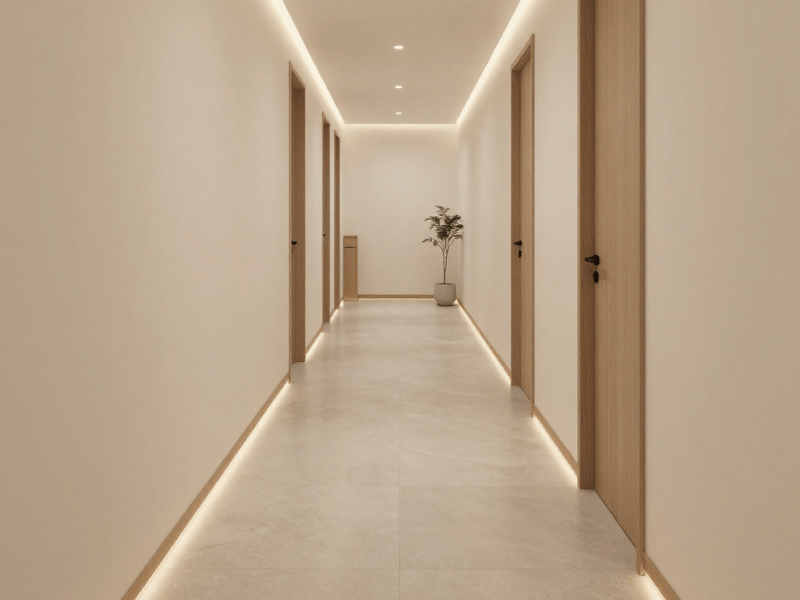




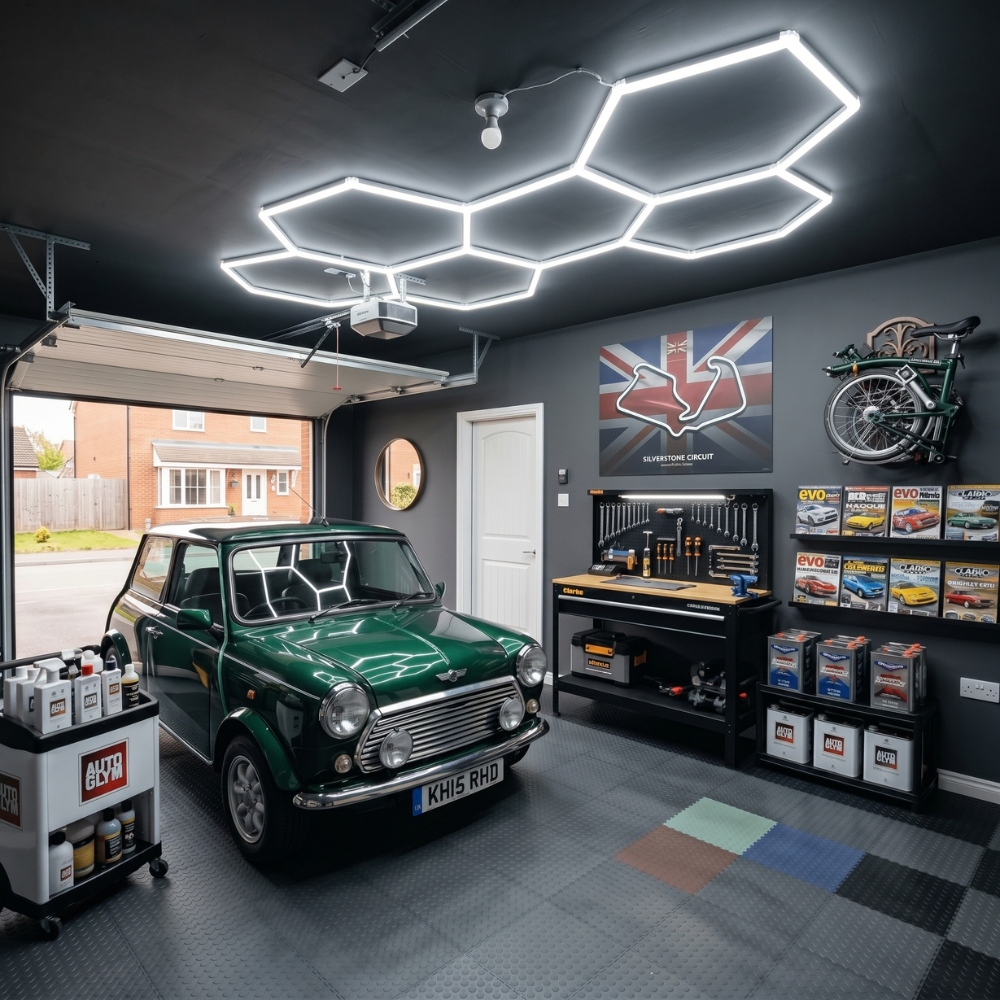

In the world of modern lighting, there’s a quiet rivalry that’s been running for years. On one side, LED strip lights: sharp, efficient, and all about getting the job done. On the other hand, LED neon flex: smooth, stylish, and built to steal the spotlight (not literally).
They often get grouped together, swapped out, or treated as interchangeable. But anyone who’s worked with both knows they play very different games.
They might look similar at first glance. Both are flexible, both use LEDs, and both can transform a room. But under the surface, they behave very differently.
So if you’re stuck choosing between them, think of this post less as a comparison and more as settling a long-running debate. Because once you understand what each one is really built for, the right choice becomes much clearer.
LED Strip Lights vs Neon Flex: What’s the Real Difference?
Here’s the thing: Both lights are brilliant, just in different ways.
LED strip lights are slim, flexible circuit boards lined with small LED chips. They’re designed to deliver bright light exactly where you need it. You’ll often find them tucked under cabinets, inside shelves, or hidden along edges.
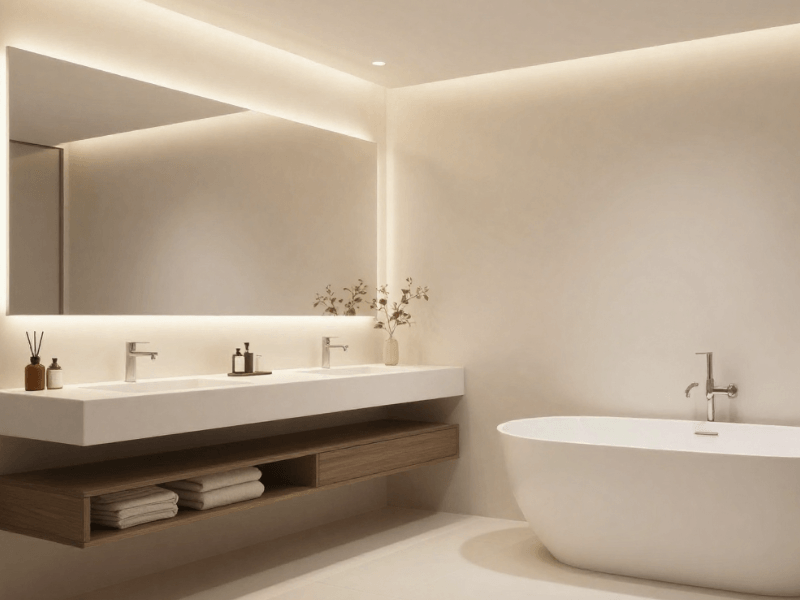
LED neon flex, on the other hand, wraps those LEDs inside a diffused casing. Instead of seeing individual light points, you get a smooth, continuous glow. It’s more about visual impact than raw brightness.
In simple terms:
Strip lights = visible LEDs, sharp light, practical use
Neon flex = diffused light, smooth glow, design-focused
Both have their place. The key is knowing when to use each.
What Are LED Strip Lights?
LED strip lights are the workhorses of modern lighting. They’re built on a flexible printed circuit board (the strip), with rows of tiny LED chips mounted along the length.
You can cut them to size, bend them around corners, and stick them almost anywhere thanks to their adhesive backing. It behaves more like glowing tape than a traditional fitting.
They’re incredibly popular for:
-
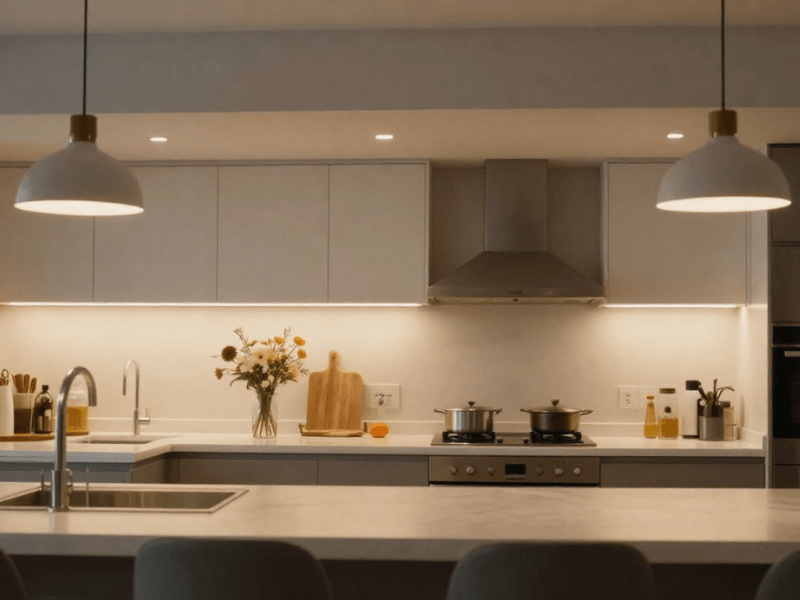
Under-cabinet lighting in kitchens
-
Shelf and display lighting
-
Cove and ceiling accents
-
Inside wardrobes and cupboards
Their biggest strengths lie in brightness and control. Because the LEDs are exposed, the light output is direct and efficient. You can achieve strong illumination even with relatively short runs.
LED strips are also versatile. From warm white for cosy spaces to cool white for task lighting, and even RGB colour-changing options, strip lights can adapt to almost any setting.
And importantly, they’re cost-effective. For many projects, they offer the best balance between performance and price.
What Is LED Neon Flex?
LED neon flex takes inspiration from traditional neon tubes but swaps fragile gas-filled glass for modern LED technology.
Inside a flexible outer casing sits a strip of LEDs, but you don’t see the individual points of light. Instead, the casing diffuses everything into one continuous, smooth line.
The result is that classic “neon glow” effect without the drawbacks (or more like safety hazards) of real neon.
You’ll typically see neon flex used for:
-
Feature lighting in living spaces
-
Signage and lettering
-
Architectural outlines
-
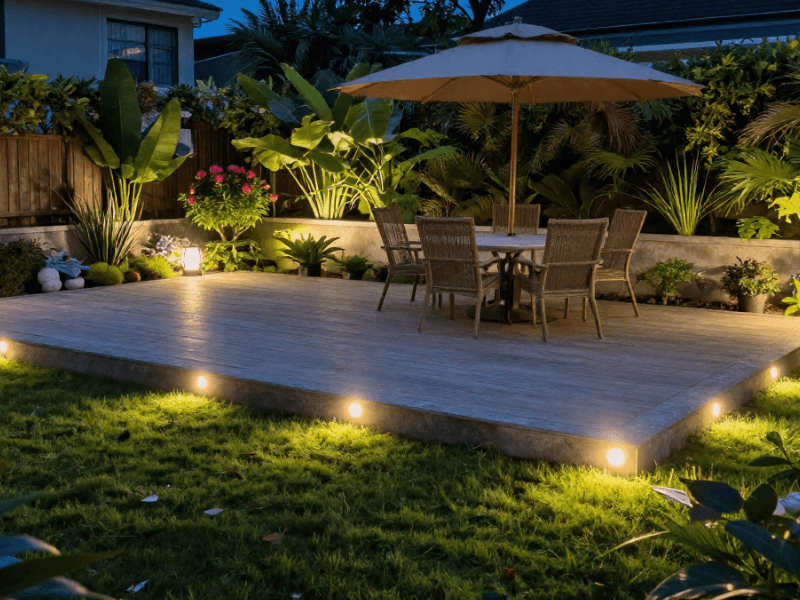
Outdoor decorative lighting
Its biggest advantage? Appearance. Unlike the traditional LED strip, there are no dots, no hotspots, just a clean, uniform glow. It instantly elevates a space and feels more intentional from a design perspective.
It’s also built to be tougher. The casing provides protection against dust, moisture, and impact, making it a strong choice for outdoor or exposed installations.
Key Differences That Actually Matter (Side-by-Side)
Brightness and Light Output
This is where the personalities really split.
LED strip lights produce direct light. You can see each LED chip, and the brightness is focused. That makes them ideal for task lighting, where clarity matters.
Neon flex softens everything. The light passes through a diffuser, which reduces glare and spreads it evenly. The trade-off, though, is slightly lower brightness.
So if your goal is:
-
Strong illumination — strip lights win
-
Soft ambience — neon flex shines
Appearance and Finish
LED strip lights have visible nodes or light points. In some setups, that’s fine because they’re hidden. But if exposed, those dots can break the visual flow.
Neon flex offers a seamless line of light. No breaks, no individual LEDs, just a smooth ribbon of illumination.
If the lighting is part of the design, not just a functional add-on, neon flex usually comes out on top.
Flexibility and Installation
Both lights are flexible… but not in the same way.
LED strip lights can bend easily and are simple to cut at marked intervals. They’re perfect for tight spaces and custom layouts.
Neon flex has a larger bend radius. It can curve, but not as tightly, and shaping it often requires more planning. This is primarily because of its thick coating.
This difference translates into their installation:
-
Strip lights — peel, stick, connect
-
Neon flex — mount with clips, shape carefully
Pro Tip: Both lights still require careful planning before installation to avoid problems and ensure a perfect layout.
Durability and Protection
LED strip lights are often exposed unless installed in an aluminium profile (which offers both protection and light diffusion). That means they can be more vulnerable to dust, moisture, and accidental damage.
Neon flex comes encased, offering built-in protection. Many options are rated for outdoor use, with high IP ratings that guard against water and dust.
If your project involves outdoor areas or high-contact zones, neon flex is the safer bet compared to LED strips with a low IP rating.
Best Use Cases: When to Choose LED Strip Lights
LED strip lights thrive when performance and practicality are your priority.
They’re ideal for:
-
Under-cabinet lighting for clear visibility during food preparation
-
Shelving and display units for items that need to stand out
-
Hidden accent lighting where the source isn’t visible
-
Projects where brightness matters more than aesthetics
If the light itself isn’t meant to be seen, only the effect it creates, strip lights are often the smarter choice.
They’re also perfect for budget-conscious projects where you want maximum impact with minimal spend.

Photo by Jahanzeb Ahsan on Unsplash
Best Use Cases: When to Choose LED Neon Flex
Neon flex steps into the spotlight when lighting becomes part of the visual story.
It’s the go-to for:
-
Feature lighting that draws attention
-
Signage, logos, and lettering
-
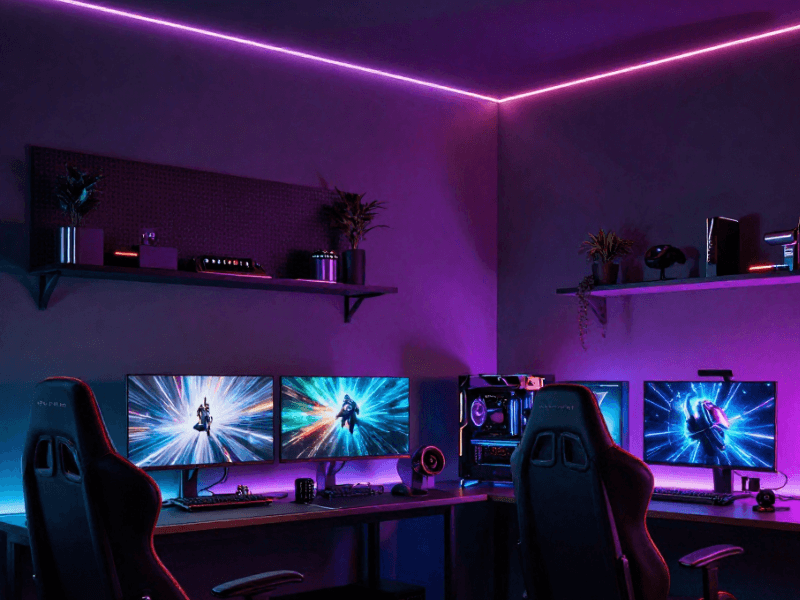
Outlining ceilings or walls
-
Outdoor architectural designs
If you want direct lighting that does not overpower, is noticeable, and delivers a polished, high-end feel, then LED neon flex is the right light for you.
Cost Comparison: Strip Lights vs Neon Flex
When talking about the cost of running these lights, one does not just look at the price of the whole run. You also need to consider installation time, accessories, and long-term value.
LED strip lights are usually the cheaper option upfront. They are widely available, easy to install and often need fewer accessories for simple indoor projects. That makes them attractive for larger runs or budget-conscious lighting projects.
LED neon flex tends to be more expensive. The casing, diffusion, and more specialised build often push the price higher. Installation can also be slightly more involved, which adds to the project's overall cost.
That said, a higher price doesn’t always mean worse value. Neon flex can be worth it when the lighting is clearly visible and part of the design, as the finished look can justify the cost.
Pro Tip: When choosing which light to use, the best way to think about cost is not just “which is cheaper?” but “which gives the right result for this space?”
Which Is Easier to Install?
For many people, installation is where strip lights win in this argument.
LED strip lights are often the simpler option thanks to its adhesive backing and easy cutting points. They can be fitted quickly in many indoor settings, especially when mounted in channels or profiles. The process is usually straightforward, though the power supply and wiring still need to be planned properly.
LED neon flex is a little more complex. It may need mounting clips, cleaner shaping and a bit more patience to get the look just right. Because the light will be visible, accuracy matters more.
Both products also need the right LED driver and wiring setup. That is why planning is important, especially if the run is long or the installation is in a damp or outdoor area.
Energy Efficiency and Performance
Both LED strip lights and LED neon flex are more efficient than traditional lighting, which is one reason they are so popular.
Strip lights often have the edge in efficiency for practical lighting because they can deliver strong output with relatively low power use. They are a great match for continuous or hidden lighting where performance matters.
Neon flex is also energy efficient, especially compared with traditional neon. It gives the appearance of neon without the same energy demand or fragile glass construction.
In terms of longevity, both options are rated for at least 20,000 hours, with most of the neon flex in Simple Lighting’s range rated at a stunning 30,000 hours. Maintenance is also very low, which is another big plus.
So, the main difference between the two is not that one is more efficient than the other. It is more about how the light is delivered and what effect you are trying to create for your space.
Common Mistakes When Choosing Between the Two
Not knowing which lighting to use can break an otherwise perfect lighting setup.
1. One common mistake is choosing LED strip lights when diffusion is needed. If the LEDs are visible, you may end up with a dotted effect that feels unfinished.
2. Another is using neon flex, where brightness is critical. It might look great, but if the space needs strong illumination, it won’t quite deliver.
3. Installation complexity is another overlooked factor. Neon flex can be more demanding, and underestimating that can lead to frustration.
4. And finally, visibility matters. If the lighting is seen directly, the appearance of the light source becomes just as important as the light itself.
Quick Decision Guide: Strip Lights or Neon Flex?
Let’s not make this complicated.
✅ If you want brightness, choose strip lights.
☑️ If you want a smooth glow, choose neon flex.
✅ If the lighting will be hidden, strip lights are usually the better fit.
☑️ If the lighting will be visible as a design feature, neon flex is often the stronger choice.
✅ If the project is about function, go strip.
☑️ If the project is about style, go neon.

LED Lighting Solutions from Simple Lighting
Here’s one thing you need to realise: Choosing between LED strip lights and neon flex is only half the story. Getting the right result also depends on using the right components, planning the layout properly, and matching everything to how your space is used.
At Simple Lighting, there’s a wide range of strip lights for everything from under-cabinet lighting to shelving and general accent lighting, with different brightness levels, colours and IP ratings available. If you want a cleaner finish, you can also pair them with profiles and diffusers.
For neon flex, there are options designed for feature lighting, signage, and outdoor use, all built to give that reliable, continuous glow.
You’ll also find the drivers, connectors and LED strip accessories needed to get everything set up properly, so you are not left trying to piece things together separately.
If you’re unsure what to choose, our team of lighting experts can help you decide faster and better.
Final Thoughts: Choosing the Right Lighting for Your Project
At the end of the day, there is no single winner between LED strip lights and LED neon flex. The better choice depends on the job.
Strip lights are usually the better option when you need bright, practical, versatile lighting that can stay discreet. Neon flex is usually the better option when the light itself is part of the design, and you want that smooth, glowing look.
Keep those in mind, and think about how you’re going to use your space. Because once the light fits the purpose, the result will feel far more natural, polished, and complete.


0 comments