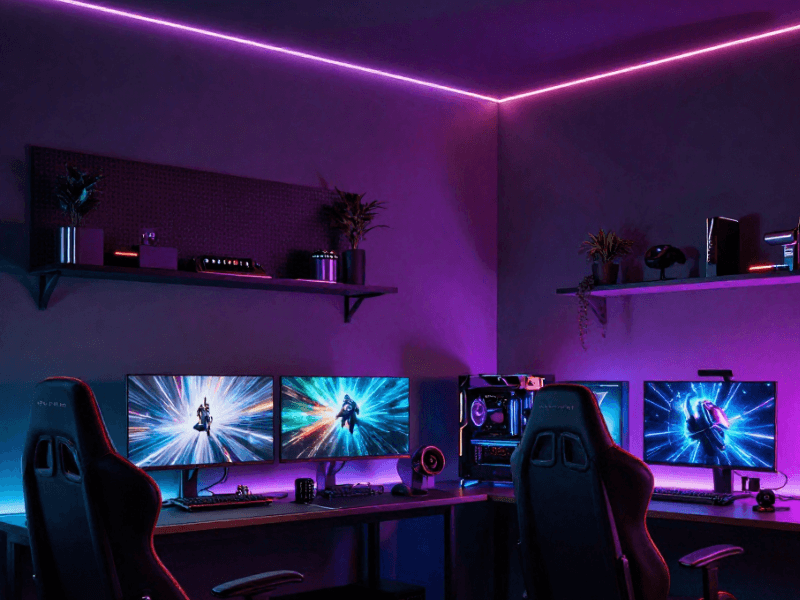
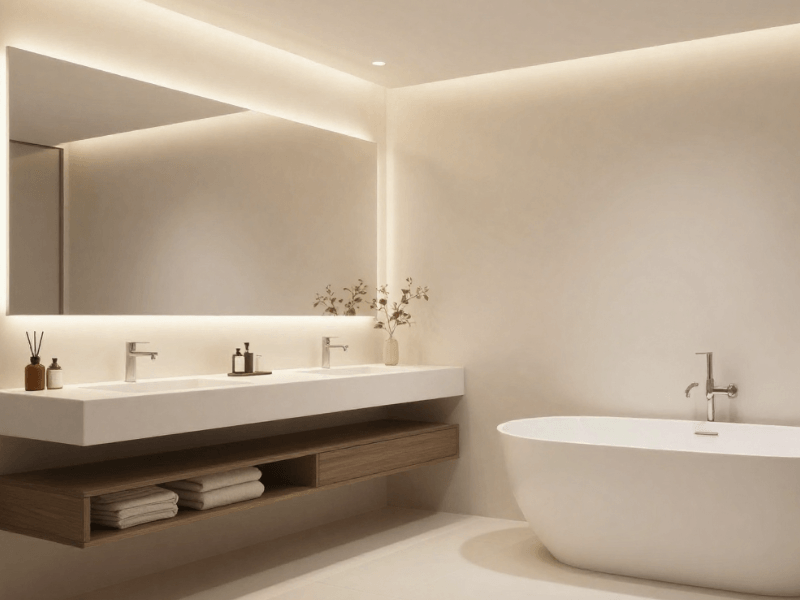
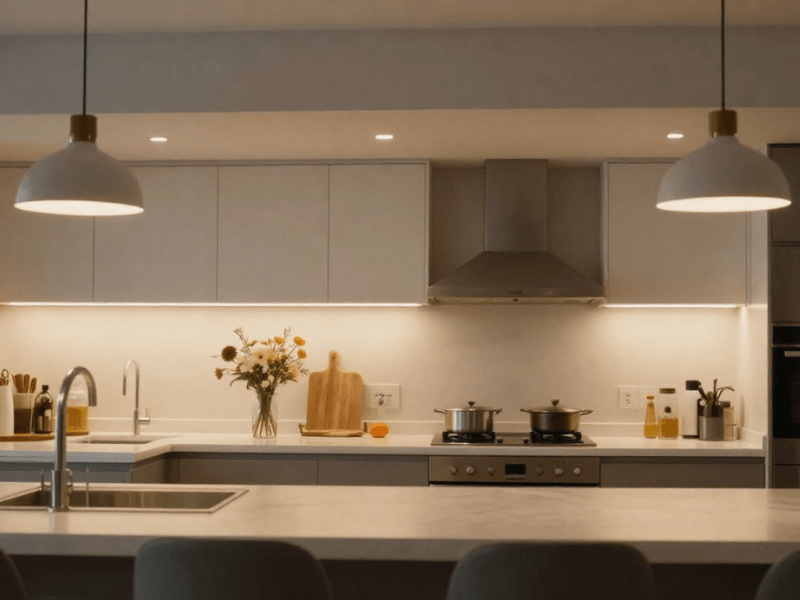


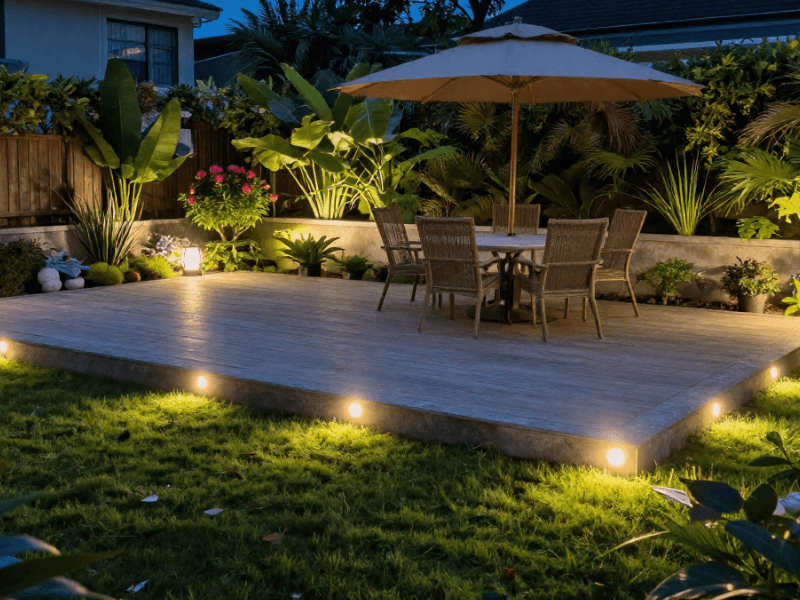

The GU10 and MR16 LED light bulbs can be difficult to identify for people who are not familiar with their differences.
These two spotlight types look similar at a glance. They have the same compact size, the same directional light, and are often used in the same rooms. But under the surface, they run on completely different systems. And that difference matters more than anything else when deciding what to buy.
Let’s break it down clearly, so you do not embarrass yourself and get it right the first time you go pick up your light bulbs for your next lighting project.
GU10 vs MR16: What’s the Difference?
At the surface, both GU10 and MR16 are types of LED spotlights designed for directional lighting. You’ll find them in ceilings, kitchens, bathrooms, and living spaces across the UK.
The key difference comes down to voltage.
-
A GU10 LED bulb runs on mains voltage (230V in the UK), meaning it connects directly to your home’s electrical supply. No extra components needed.
-
An MR16 LED bulb, on the other hand, runs on low voltage (12V). That means it needs a transformer or LED driver to adjust the voltage down before it can work.
Another difference is the pin, which is the point of confusion for a lot of people. Plus, they’re used in similar fittings. But electrically, they’re built for different setups.
What Is a GU10 LED Bulb?
A GU10 bulb is probably the most common spotlight used in modern homes today.
It uses a twist-and-lock mechanism. You push the bulb into the socket, twist it slightly, and it locks into place. Simple, secure, and widely standardised.
The biggest advantage is that GU10 bulbs run directly on mains voltage. There’s no need for a driver or additional wiring. That makes installation straightforward, whether you’re replacing a bulb or fitting new downlights.
Because of this simplicity, GU10s have become the go-to choice for new builds, renovations, and upgrades. They’re easy to install and replace, and you can find them in any hardware store in your area.
GU10s are also widely available in different brightness levels, beam angles, and colour temperatures.
If you’re starting from scratch or modernising your lighting, GU10 is usually the default option.
What Is an MR16 LED Bulb?
MR16 bulbs take a slightly different approach.
Instead of a twist-and-lock base, they use a two-pin fitting. The pins push directly into the socket, making installation feel a bit more like plugging something in.
Unlike GU10s, MR16 bulbs operate on low voltage (12V). That means they can’t connect directly to mains electricity. They require an LED driver to convert the voltage before powering the bulb.
You’ll often find MR16 fittings in older lighting systems, particularly where halogen spotlights were originally installed. Many homes still have these setups in place, which is why MR16 LED replacements are still widely used.
While they can offer excellent lighting performance, they do come with an extra layer of complexity due to the driver.
The Key Difference That Matters Most: Voltage & Compatibility
If you take one thing away from this guide, let it be this: voltage determines everything. Let’s break it down.
GU10 = Mains Voltage (Plug & Play)
GU10 bulbs are about as straightforward as lighting gets.
They connect directly to your mains supply, so there’s no need to think about compatibility with drivers. You simply replace the bulb (twist-and-lock), and you’re good to go.
That “plug and play” nature is a big reason why GU10s are so popular. Less wiring, fewer components, fewer things to go wrong.
MR16 = Low Voltage (Needs Transformer)
MR16 bulbs rely on a transformer to function. And that’s where things can get tricky.
Older transformers were designed for halogen bulbs, which require higher wattage. When you switch to LED, lower wattage can sometimes cause flickering, buzzing, or lights not turning on at all.
In many cases, you’ll need to replace the old transformer with an LED-compatible driver to get the best performance.
So while MR16 systems can work perfectly well, they require a bit more attention to compatibility.
Can You Replace MR16 with GU10? (And Vice Versa)
This is one of the most common questions people ask. The short answer is yes, but there are intricacies you need to take into account; it’s not always as simple as swapping the bulb.
If you want to replace an MR16 with a GU10, you’ll need to remove or bypass the transformer and connect the fitting directly to the mains voltage. That usually involves some rewiring, so it’s not always a quick DIY job unless you’re confident in your skills.
In many cases, people choose to replace the entire fitting when making the switch. That way, everything is designed for GU10 from the start.
Going the other way, from GU10 to MR16, is far less common and generally not recommended. It would mean adding a transformer where there wasn’t one before, which complicates things unnecessarily.
If your current MR16 setup is working well and already has an LED-compatible driver, it may be easier to stick with MR16. But if you’re upgrading or renovating, switching to GU10 often makes more sense in the long run.

Brightness and Beam Angle Comparison
When it comes to light output, both GU10 and MR16 LEDs can deliver excellent performance.
1. Focus on lumens rather than wattage. Relying on wattage is the old way. Lumens indicate how bright the bulb is, while wattage reflects energy consumption.
For general guidance:
-
Around 300 to 400 lumens works well for softer ambient lighting
-
400 to 600 lumens is ideal for kitchens and task areas
-
Higher outputs suit larger spaces or high ceilings
2. Beam angle is just as important. This determines how wide the light spreads. Here’s why:
A narrow beam (say 25 to 40 degrees) creates a focused spotlight effect, great for highlighting features or work surfaces.
A wider beam, on the other hand, (around 60 degrees or more) spreads light more evenly, making it better for general room lighting.
Both GU10 and MR16 bulbs are available in a range of beam angles, so your choice here should be based on the space and purpose rather than the fitting type.
Installation Differences: Which Is Easier?
If ease of installation is high on your priority list, GU10 takes the lead.
Replacing a GU10 bulb is quick and simple. Twist out the old one, twist in the new one, done. There’s no need to access ceiling voids or deal with additional components.
MR16 installations can be slightly more complex. Because of the transformer, there’s an additional point of failure and an additional component to consider during installation.
Maintenance can also be a bit more complex for the MR16. If a light stops working, it’s not always immediately clear whether the issue is the bulb or the driver. If something goes wrong, you may need to check (and replace) both.
That said, once properly set up with an LED-compatible driver, MR16 systems can be reliable. They just require a bit more planning upfront.
Energy Efficiency and Running Costs
Compared with older halogen bulbs, both GU10 and MR16 LEDs are highly energy-efficient. In terms of the LED technology itself, there’s very little difference between the two.
The main factor that can affect efficiency is the transformer used in MR16 systems.
Older transformers may be less efficient than modern LED drivers and can introduce small energy losses. It’s not a huge difference, but over time, it can add up, especially if the lights are used daily for long periods.
GU10 bulbs, running directly on mains voltage, avoid this issue entirely. Fewer components mean fewer opportunities for wasted energy. In practical terms, both options offer significant savings compared to halogen. But GU10 has a slight edge due to its simpler setup.
Which Should You Choose? (Quick Decision Guide)
Here’s a simple checklist that should help make your decision easy:
1. If you want the simplest, most hassle-free option, GU10 is usually the better choice. It’s easy to install, widely available, and works straight out of the box.
2. If you already have an MR16 setup, it often makes sense to stick with it, especially if the transformer is LED-compatible and everything is working as it should.
3. If you’re renovating or installing new lighting, GU10 is generally preferred. It keeps things simple and future-proofs your setup.
4. If you’re dealing with an older system, check the transformer before making any decisions. That one component can determine whether a straightforward bulb swap will work.
Choosing the Right LED Spotlight for Your Space
Beyond the type of lighting, it’s worth thinking about how you will actually use it.
Kitchens and Living Rooms
In kitchens, a mix of task and ambient lighting works best. You might use narrower beam angles over worktops for focused light, and wider beams for general illumination across the room.
Living rooms also benefit from layered lighting. Softer, warmer tones create a relaxed feel, while adjustable brightness can help shift the mood depending on the time of day.
Bathrooms (IP Ratings)
Bathrooms introduce another important factor: safety.
You’ll need to choose spotlights with the correct IP rating depending on where they’re installed. Areas closer to water sources require higher protection against moisture (IP65 or higher).
This applies to both GU10 and MR16 fittings, so always check the rating before buying.
Dimmable Options
Dimmable lighting adds flexibility, but it also requires compatibility.
Not all LED bulbs are dimmable, and not all dimmer switches work well with LEDs. If dimming is important, make sure both the bulb and the dimmer switch are designed to work together.
This is especially important for MR16 setups: the transformer/driver must also support dimming.

LED Spotlights from Simple Lighting
At Simple Lighting, you’ll find a wide range of GU10 LED bulbs designed to suit different spaces and preferences.
Whether you’re after warm, cosy lighting for a living room or bright, focused light for a kitchen, there are options available in various brightness levels, beam angles, and colour temperatures.
All Simple Lighting products are selected for reliability and efficiency.
Avoid Buying the Wrong Bulb
Choosing between GU10 and MR16 isn’t about which one is “better” in general. It’s about which one fits your setup.
Keep this checklist in mind:
-
Start by checking your existing fitting
-
Look at the base type
-
Consider whether there’s a transformer involved
-
Confirm what voltage your system uses
That small bit of checking upfront can save you time, money, and a fair bit of frustration.
✅ If you’re upgrading or starting fresh, GU10 is usually the easiest path forward.
☑️ If you’re working with an existing MR16 system, make sure everything is compatible before making the switch to LED.
Get the foundation right, and the rest of your lighting choices become a lot simpler.


0 comments