

Considerations When Picking LED Battens
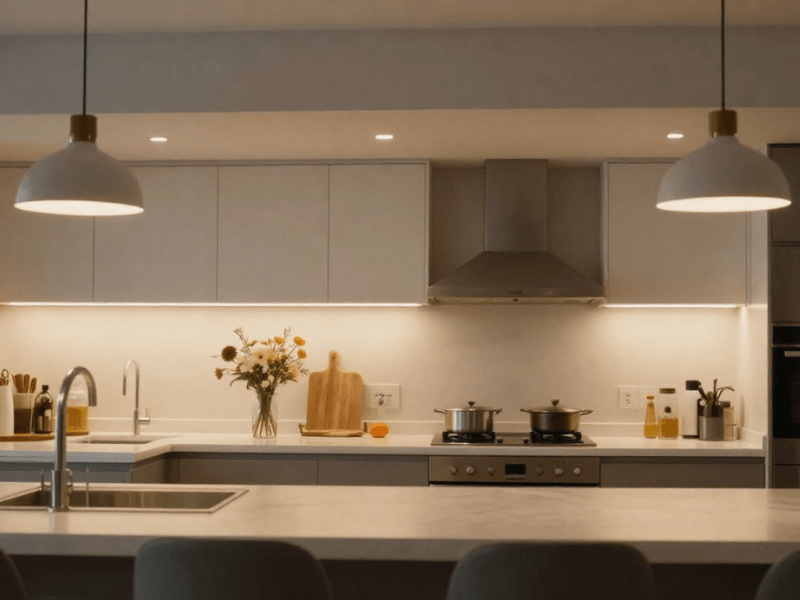
Say you’re redoing your kitchen and you’re planning to utilise LED battens to maximise the space without trading off your required brightness. It would make the selection process more manageable if you segment the area depending on the tasks you do in that part. Once you have determined it, you can now proceed to filter your choices depending on the following aspects:Size
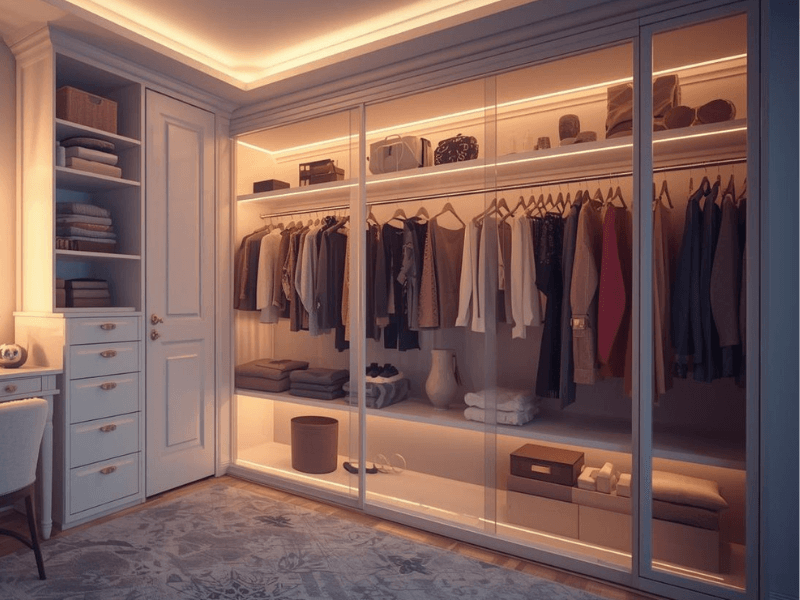
You can find LED battens in many sizes, but there are five that are considered standard. A 1ft LED batten is usually seen under the kitchen cabinets or in wardrobes where only minimal space is available. Alternatively, the longer 2ft, 4ft, 5ft, and 6ft LED battens are mounted in more diverse areas. When deciding the size of your fitting, ensure that it will fit the location you want, and it'll be able to provide adequate illumination and light distribution throughout the different surfaces. Here's a quick guide on how bright each size is:- 2ft LED batten is the same as a twin 18w fluorescent
- 4ft LED batten is the same as a twin 36w fluorescent
- 5ft LED batten is the same as a twin 58w fluorescent
- 6ft LED batten is the same as a twin 70w fluorescent
Light Output
When buying LED battens, don't confuse lumens with wattage. Although fluorescents use wattage to determine the brilliance of the fixtures, it's a different story for LEDs. You can get LED battens in many wattages ranging from 4w to 70w. However, that does not equate to their light output. LEDs produce a higher level of light at a low wattage, so you should check the lumens count instead to get an overall idea of the brightness. Here’s a guide simple guide:- 8 – 12w fluorescent with 400 – 500 lumens are equal to a 6 – 7w LED
- 13 – 18w fluorescent with 650 – 850 lumens are equal to a 7 – 10w LED
- 18 – 22w fluorescent with 1000 – 1400 lumens are equal to a 12 – 13w LED
- 23 – 30w fluorescent with 1450 – 1700+ lumens are equal to a 14 – 20w LED
Colour Temperature
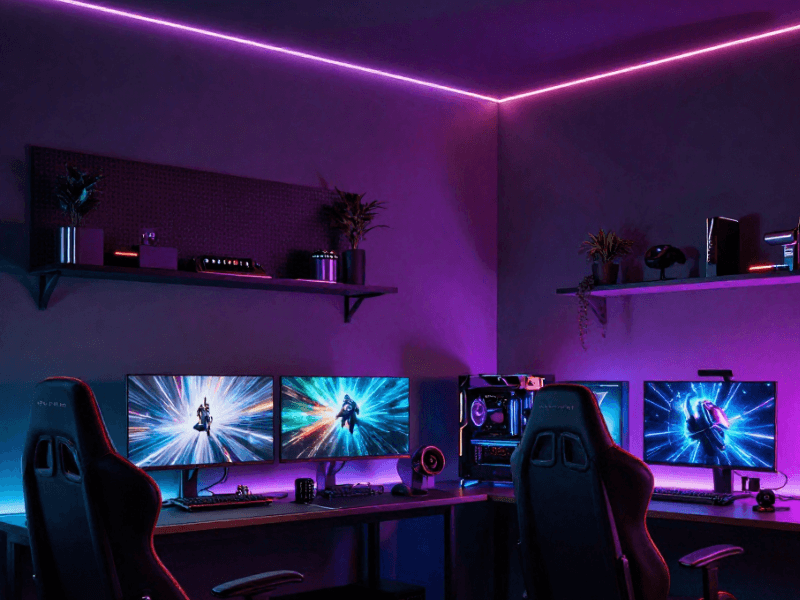
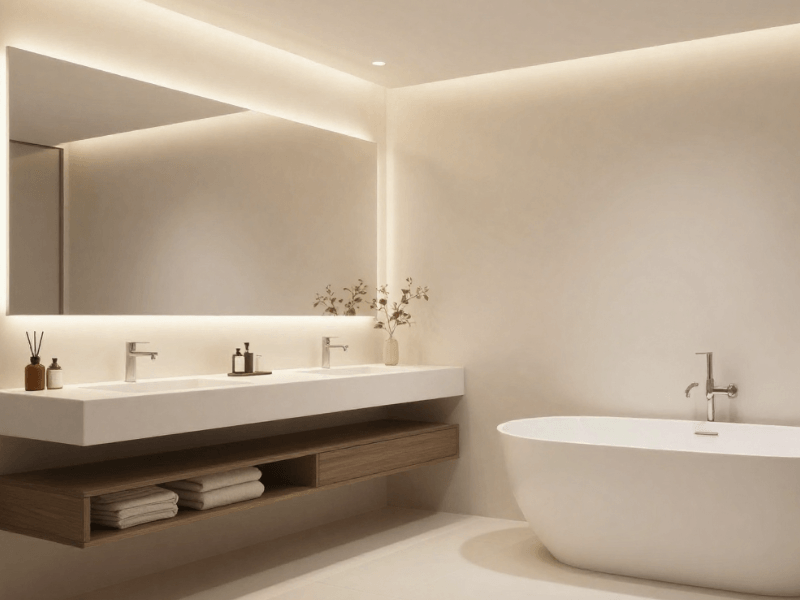
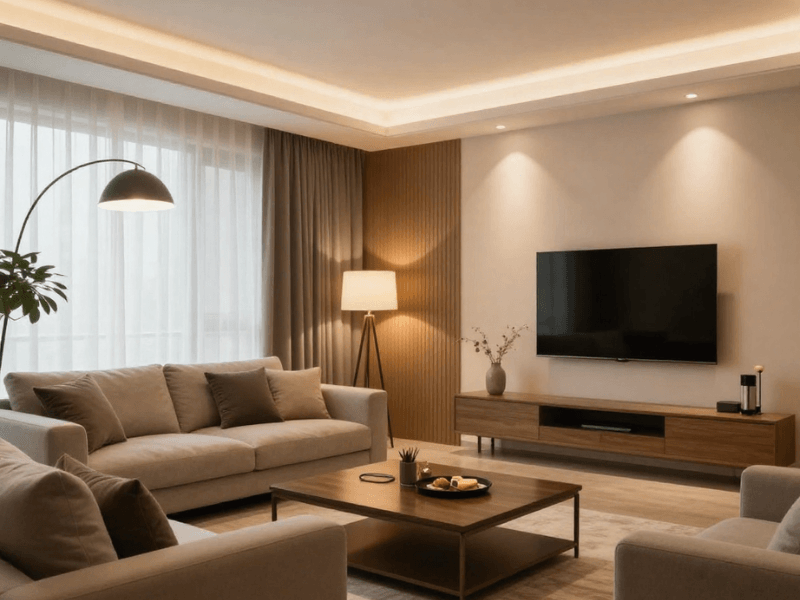
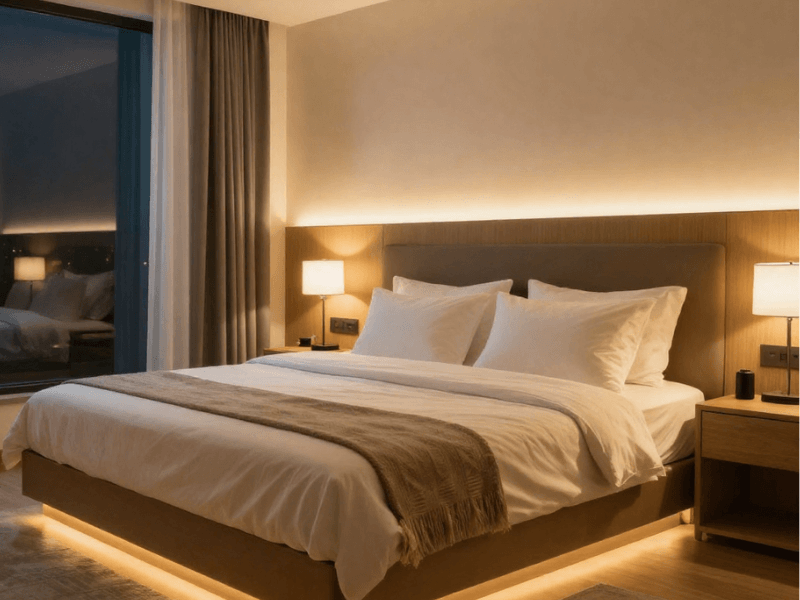
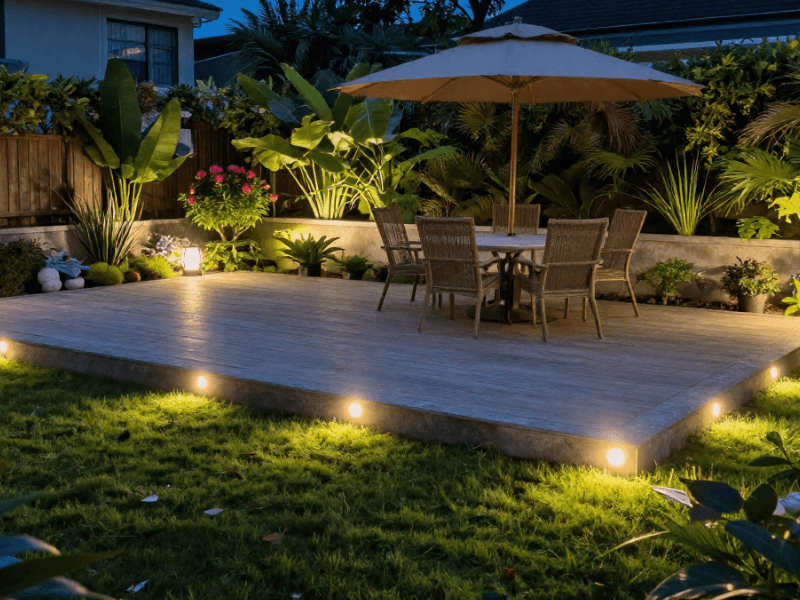
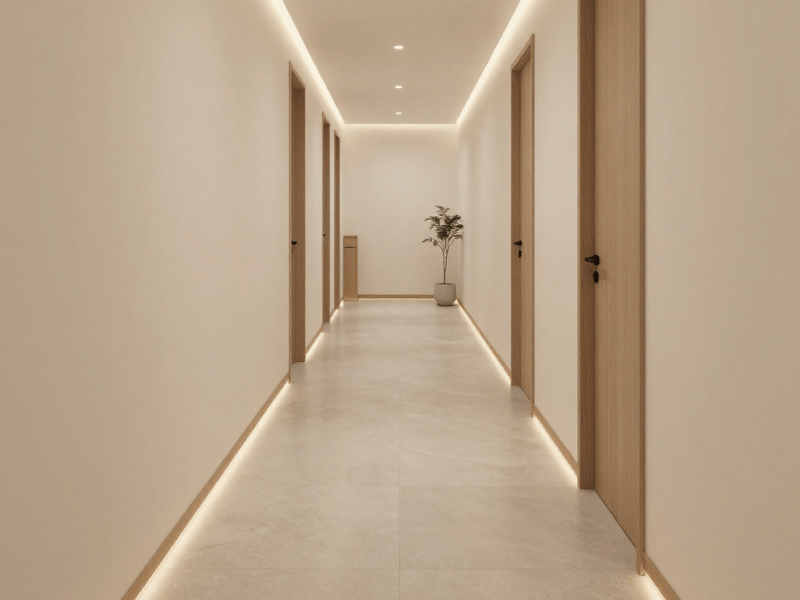
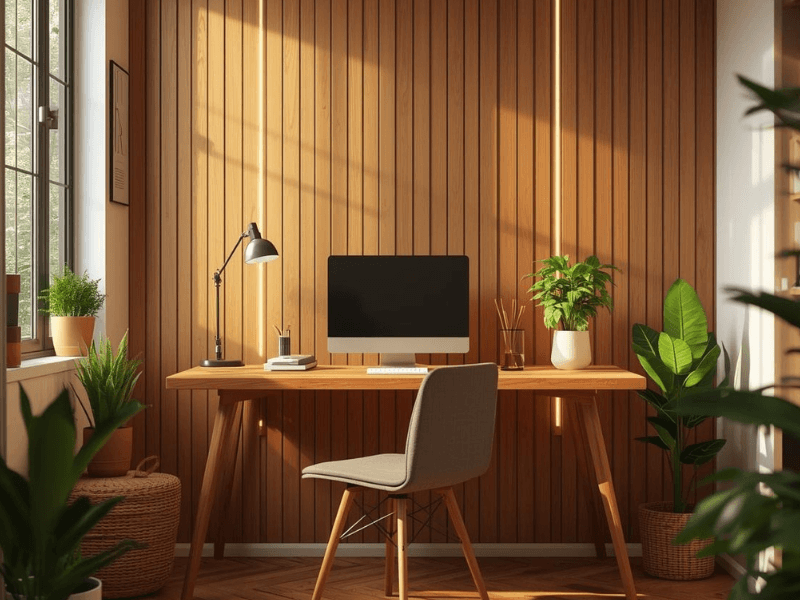
LED batten lights are available in different colour temperatures. It's critical that you identify the best colour for each room because it can dictate the overall ambience of the space. You don't want to doze off while you study or not be able to sleep because of your lights! Here are its different colours:- Warm White Light (2700K – 3000K): It produces a yellowish tint and is often used for ambient lighting as it can create a warm and cosy atmosphere. It's ideal for the bedroom, living room, office breakroom and hallways.
- Natural White Light (4000K – 4500K): This colour temperature does not have any hints of yellow or blue. It's similar to a cloudless sunny day and is suitable for task lighting. You can use it in your kitchen, study room, and central office space.
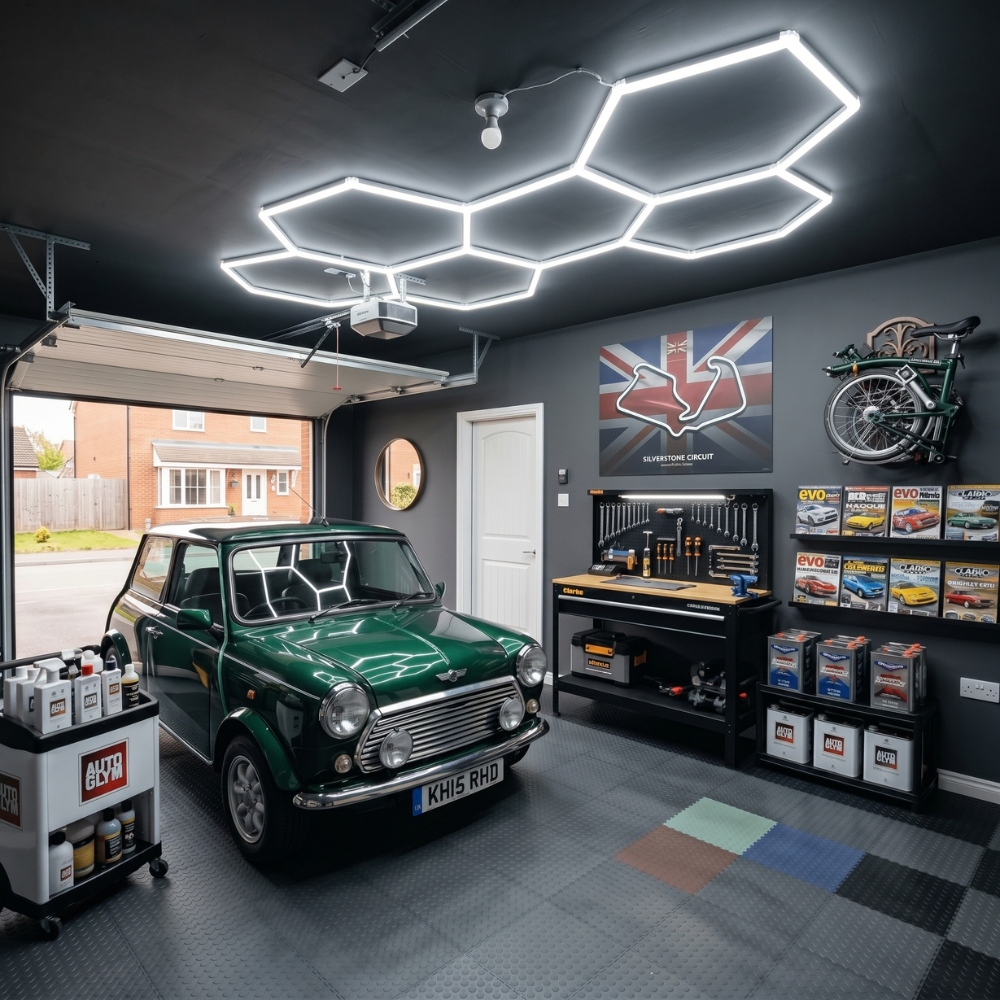
- Cool White Light (6000K – 6500K): It has a bluish tone and is also used for task lighting. You can add this to your garage, kitchen island, and conference room. Because of its bluish colour, cool white may make the room too clinical. If you don’t want that, opt for natural white. Nonetheless, this colour is still undeniably brilliant!
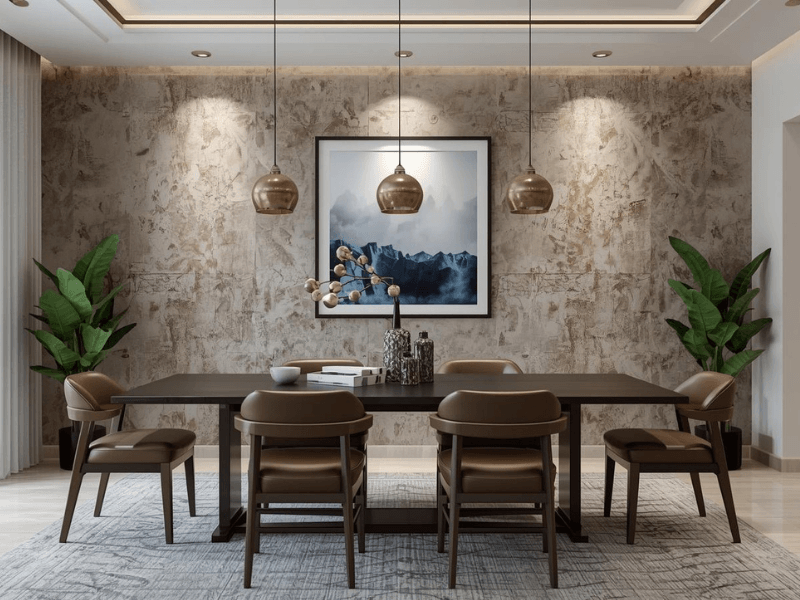
- CCT Tuneable: Some LED battens can radiate the three colour temperatures in one fitting. It glides through from warm to natural to cool. It's perfect for multi-functional rooms like the kitchen and dining room because you can conveniently change the colour to accommodate your needs!


0 comments