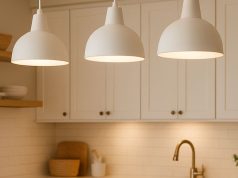

Kitchens are going to glow in 2026…literally. They’re no longer just a place to cook. The kitchen is a social hub, a workspace, and a dining area. One could even argue that it’s the heart of the home.
As layouts become more open and lifestyles more fluid, lighting has stepped into a leading role. The right lighting scheme does more than help you see what you are chopping.
Good lighting shapes mood, boosts safety, highlights design features, and quietly trims energy bills in the background. At the centre of this innovation? LED downlights and LED strip lights.
Together, they offer flexibility, efficiency, and a level of creative control that traditional kitchen lighting simply cannot match. Let’s explore how these modern lighting tools come together to create kitchens that feel brighter, smarter, and beautifully future-ready.
Why Kitchen Lighting is Essential in 2026
Lighting has become a defining element of kitchen design. In 2026, homeowners will expect lighting to adapt to how they live, not the other way around.
Kitchen lighting needs to be functional, yes. But since the space is no longer exclusively for cooking, it needs to be more.
Did you know that lighting influences how welcoming the kitchen feels, how colours appear, and how smoothly the space transitions from bright and busy daytime use to relaxed evenings?
What Kitchen Lighting Trends Look Like in 2026
The 2026 trend will focus on efficiency, design, and smart integration. That means less energy use than traditional lighting, longer performance, and precise control over brightness and colour temperature.
Smart integration allows homeowners to control lighting via apps, voice assistants, or automated schedules, making the kitchen more responsive and intuitive.
Now, compare this to traditional kitchen lighting. A row of inefficient halogen spots often resulted in harsh shadows, uneven brightness, and high operating costs. LED innovation replaces that “one-size-fits-all” approach with layered lighting that adapts to every task and moment.
Balancing Style and Practicality
The most successful kitchen lighting designs strike a balance between aesthetics and functionality. This is where layered lighting comes in.
Layering typically involves three elements:
- Ambient lighting provides overall illumination
- Task lighting focuses on work areas
- Accent lighting adds depth and visual interest
LED downlights usually handle ambient lighting, and there are specific under cabinet task lights for kitchen countertops. LED strips excel at accents and subtle illumination.
Unmatched Efficiency
Energy efficiency will no longer be a bonus. It is an expectation. LEDs use a fraction of the energy of traditional bulbs, and smart controls ensure lights are on only when needed. Dimmers, timers, and motion sensors prevent wasted electricity while adding convenience.
Why Colour Temperature Matters
Colour temperature is another key consideration. Cool white light enhances focus and visibility, making it ideal for food prep areas. Warm white light creates a softer, more relaxed atmosphere, perfect for dining or entertaining.
In 2026, tunable white lighting enables kitchens to shift between these moods throughout the day seamlessly.
Task Lighting with LED Downlights
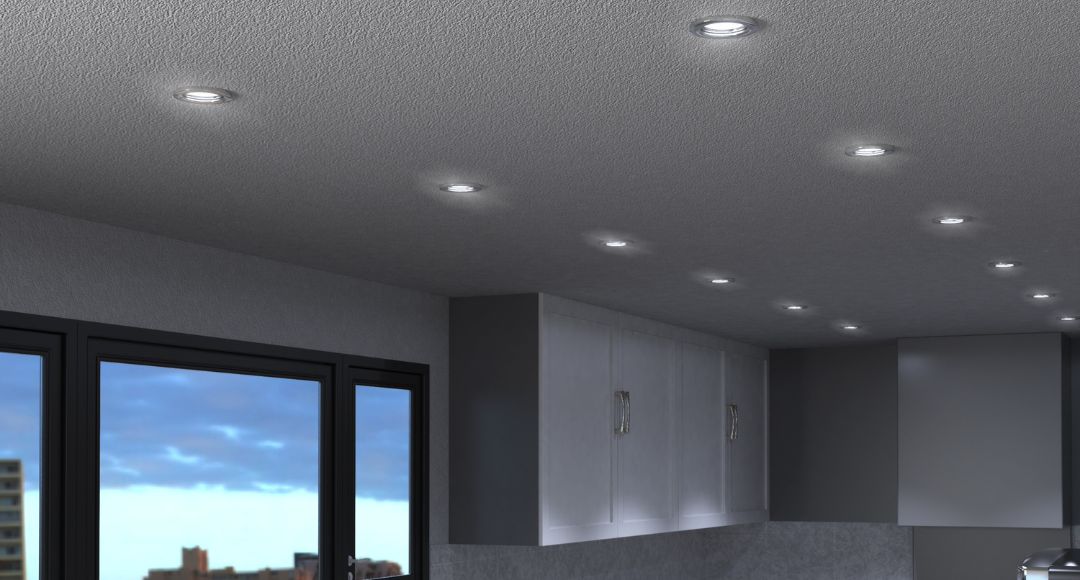
LED downlights form the backbone of modern kitchen lighting (AKA ambient lighting). Discreet, powerful, and versatile, they deliver focused illumination exactly where it is needed.
Proper Placement for Even Lighting
Your lights’ placement is crucial. Downlights should be positioned over worktops, kitchen islands, sinks, and cooking zones to ensure clear visibility without casting harsh shadows.
In open-plan kitchens, downlights can also be used to define zones, subtly separating cooking areas from dining or living spaces.
Tone and Functionality
Brightness and colour temperature matter just as much as placement. A well-lit kitchen typically uses brighter, cooler light for task areas. This improves accuracy when chopping, reading recipes, or checking food colour.
Many modern downlights offer adjustable or tunable colour temperatures, allowing homeowners to fine-tune the light to their preferences.
Flexible Ceiling Lighting
Adjustable or directional downlights add another layer of usability. You can angle light precisely onto key surfaces or features, adapting the lighting layout as your kitchen evolves. This flexibility is especially valuable in kitchens with islands, breakfast bars, or statement cabinetry.
Tips for Optimal Downlight Placement
Poorly placed downlights can create glare, shadows, or uneven lighting, all of which are a no-no if you’re aiming for a well-lit kitchen in 2026. A thoughtful plan avoids these pitfalls.
1. Position downlights slightly in front of cabinets rather than directly overhead. This ensures light falls on the work surface rather than behind you, reducing shadows. Combining fixed downlights with adjustable spots adds flexibility.
2. Integration with dimmers or smart controllers is highly recommended. Bright light is perfect for cooking, but softer light feels more comfortable in the evening or during meals. You don’t need multiple fittings, just dimmable downlights.
3. Spacing does matter. Overcrowding the ceiling can make the kitchen feel clinical, while too few downlights leave dark patches and uneven light. A balanced layout creates an even wash of light that feels natural and inviting.
Accent and Mood Lighting with LED Strips
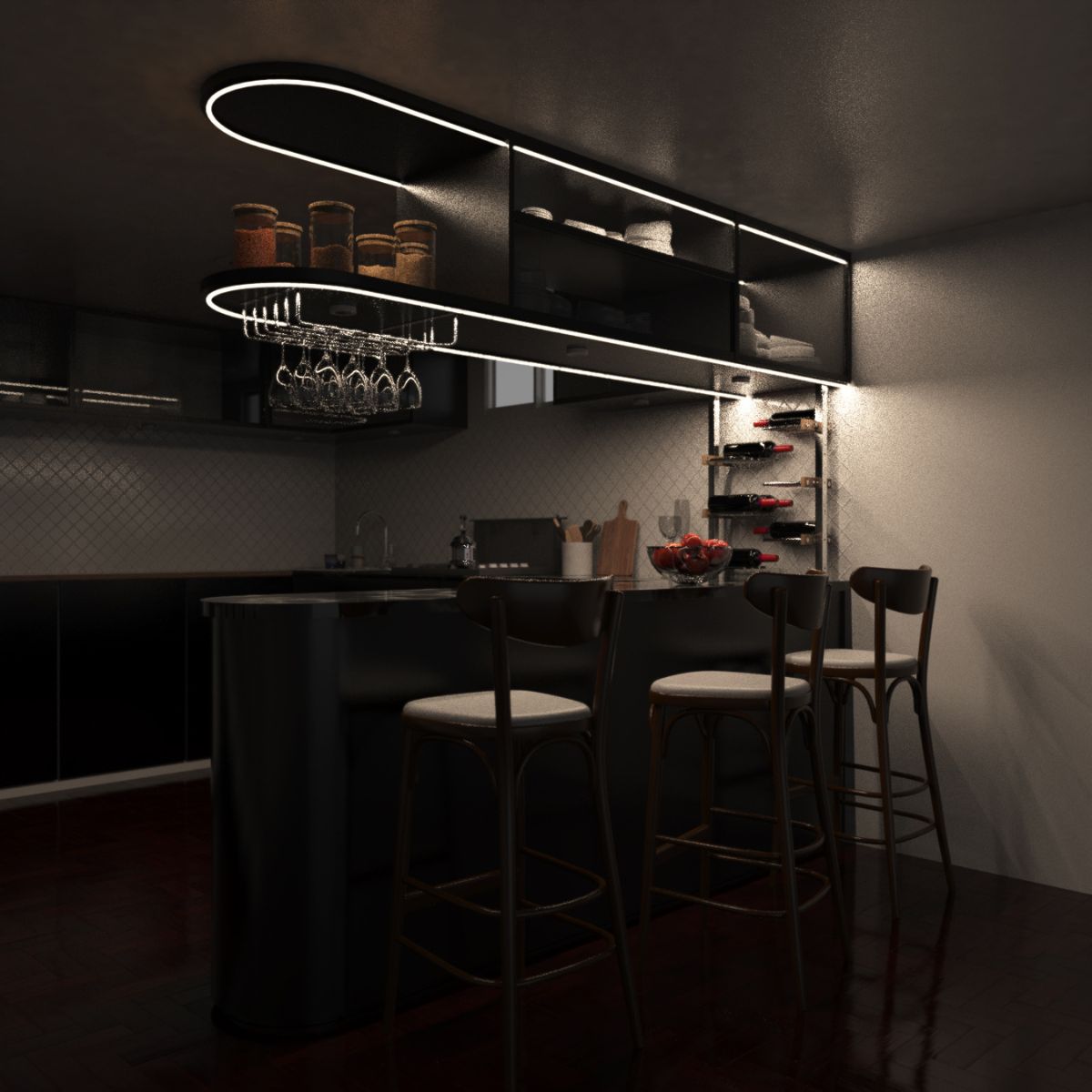
Installing functional lights is useful, sure. But what is a bright kitchen for if it has no personality? LED strip lights bring the needed flair to the space. They add warmth, depth, and personality to modern kitchens.
Under-cabinet LED strips
These are one of the most practical upgrades available. They illuminate work surfaces evenly, eliminating shadows caused by overhead lighting. This makes everyday food prep safer and more comfortable.
Cove or pelmet lighting
This introduces a sense of luxury. Hidden LED strips above cabinets or within ceiling recesses create a soft glow that visually lifts the space. This indirect lighting adds depth and makes kitchens feel larger and more refined.
RGB or tunable white fittings
Personalisation will be a major trend in 2026. Tunable white LED strips let you switch between warm and cool tones, while RGB LED strip options add colour for entertainment or special occasions. Calm and neutral glow? Splash of colours? LED strips can deliver it effortlessly.
Creative Uses for LED Strips
LED strips are all about creative applications.
1. Turn storage into a design feature by highlighting cabinets, open shelving, or glass-fronted displays. The light draws the eye, showcasing textures, colours, and materials.
2. Indirect ceiling lighting by installing in coves provides subtle illumination that defines the space without overpowering it. Breakfast bars and kitchen islands benefit hugely from this.
3. Smart apps unlock even more possibilities. Dynamic scenes allow you to switch between presets for cooking, dining, or entertaining. Schedules and routines can align with your daily rhythm, brightening the kitchen in the morning or softening the lighting in the evening.
Smart Control and Automation in Kitchen Lighting
Having smart lighting in the kitchen means convenience, efficiency, and a more personalised experience. Smart hubs and apps allow you to control downlights and LED strips from your mobile devices. Voice assistants are even better for hands-free control, ideal during meal prep and cooking.
“Alexa, it’s Cooking Time.”
Scheduling is another powerful feature you should not overlook. Lights can be programmed for early morning prep, daytime tasks, or evening relaxation. In open-plan homes, smart lighting helps kitchens blend seamlessly with neighbouring spaces, creating distinct “zones” for each one.
Practical Smart Lighting Examples
Picture this: Downlights are dimmed slightly for evening meals with LED strips providing a warm, inviting glow. The strips can also sync with music to add flair to the space.
Motion-activated under-cabinet lights are another practical touch. They provide instant illumination as you approach the counter, ideal for late-night snacks or early-morning coffee. These small conveniences add up, making the kitchen feel intuitive and responsive.
Energy Efficiency Tips for Modern Kitchens
Energy efficiency remains a top priority in 2026. LED downlights and strips consume far less energy than older lighting technologies, delivering high brightness with minimal power. So, start switching to those.
Automation and timers will also be a bigger focus than they were this year, helping reduce energy waste by ensuring lights are only running when needed.
Opting for tunable LED options further enhances efficiency by adapting light levels and tones to different activities. One lighting setup can serve multiple purposes, reducing the need for extra fittings.
Small Upgrades, Big Savings
1. Simply replacing halogen or fluorescent lights with LEDs delivers immediate energy savings and reduces maintenance thanks to longer lifespans.
2. Optimising brightness for specific tasks prevents over-lighting, which wastes energy and can feel uncomfortable.
3. Occupancy sensors are ideal for pantries, utility areas, or secondary kitchen zones. Lights turn on automatically when the space is in use and switch off when it is empty, reducing energy consumption effortlessly.
Common Mistakes to Avoid in Kitchen Lighting
Having the best lighting products doesn’t matter if you don’t use them properly. Avoid these at all costs:
1. Overcrowding ceilings with too many downlights. This can create glare and make the kitchen feel harsh rather than welcoming.
2. Ignoring shadows or glare on worktops. Poor placement can leave critical areas under-lit or overly bright. Relying on a single lighting type instead of layering limits flexibility and visual interest.
3. Overlooking IP ratings near sinks or cooking areas can compromise safety. High-IP, fire-rated LED downlights are ideal for this, ensuring durability and compliance with safety standards.
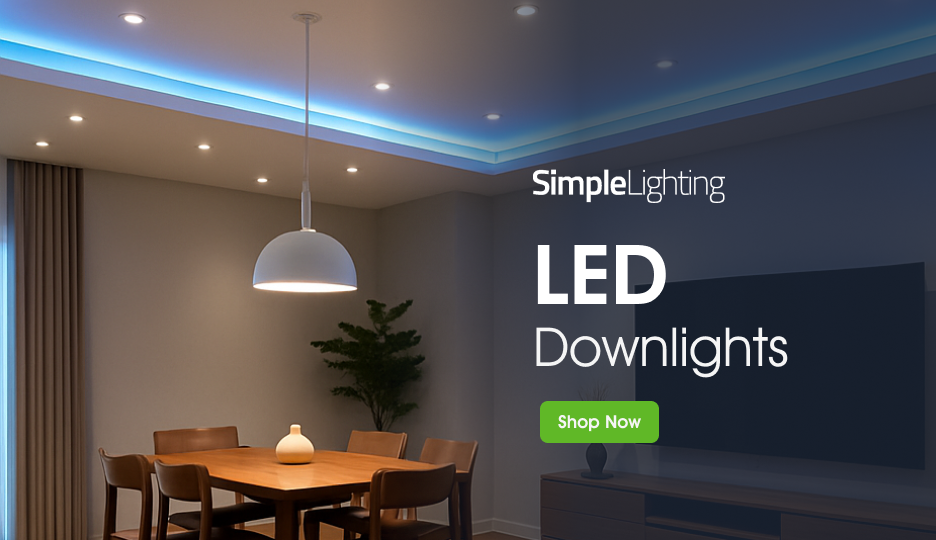
Future-Proof Your Kitchen Lighting for 2026
Kitchen lighting in 2026 is all about thoughtful layering, smart control, and energy efficiency.
LED downlights provide reliable, focused illumination for everyday tasks, while LED strips add warmth, depth, and personality. Combine these with smart controls to create kitchens that adapt effortlessly to cooking, dining, and entertaining.
If you’re ready to create a future-ready kitchen that is bright, flexible, and personal, check out Simple Lighting’s wide range of LED lights.
Also, if you learned from this post, you’ll surely learn more from the rest here: Modern Lighting Ideas to Upgrade Your Home in 2026.