

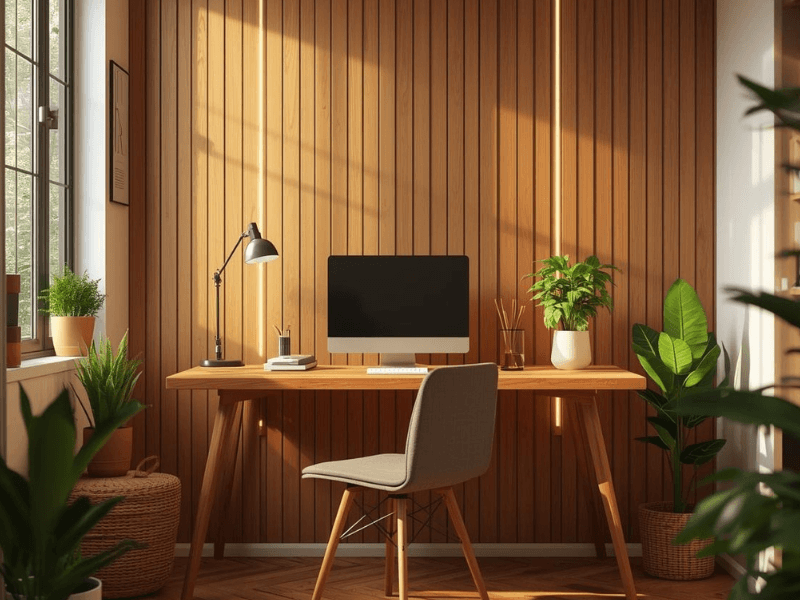


Smart lighting used to sound like science fiction. Then it became something reserved for gadget lovers. Today though? You can easily get a plug-and-play option.
With the right smart LED controller and a friendly lighting app, even a single LED strip can become a flexible lighting setup that adapts to your day, your mood, and your home.
If you are new to smart lighting, this guide covers the basics. No jargon overload, no tech acrobatics. Just enough knowledge to help you choose, set up, and enjoy smart LED controllers with confidence.
What Are Smart LED Controllers and Why They Matter
You can’t have a smart lighting setup without a smart controller. Think of it as the conductor of a small orchestra, telling your LEDs when to brighten, dim, warm up, cool down, or burst into colour.
What Smart LED Controllers Actually Do
A smart LED controller connects between your power supply and your LED lights (strips, downlights and other LED fittings).
Depending on the type of LED, a controller can:
- Dim lights up or down smoothly
- Change colour temperature from warm white to cool white
- Control RGB colours and effects
- Communicate with apps, remotes, or smart home systems
Without a controller, LEDs are either on or off—nothing more. With one, they become responsive.
Basic Remotes vs App-Based vs Hub-Integrated Controllers
You’ll typically meet three main types of controllers. Don’t let each one overwhelm you.
1. Basic remote controllers are the simplest. These are great for straightforward setups but limited in flexibility. You can turn lights on, off, dim, or change colour: no apps, no Wi-Fi, and no phone required.
2. App-based controllers connect via Bluetooth or Wi-Fi and let you control lighting from your smartphone, tablet, or computer. You gain access to colour wheels, schedules, scenes, and automation. This is where smart lighting truly becomes smart.
3. Hub-integrated controllers work with systems like Zigbee or Z-Wave and connect through a central hub. These are designed for larger or more advanced setups where multiple lights need to work together seamlessly.
The benefits of smart LED controllers go beyond novelty. They offer:
- Convenience: Control lights from the sofa, bed, or even outside the house.
- Energy efficiency: Dimming and scheduling reduce energy consumption.
- Customisation: “Mould” your lighting to suit work, relaxation, or entertainment.
Once you experience lighting that adapts rather than demands attention, it is hard to go back.
How Smart LED Controllers Transform Your Lighting
Smart controllers do not just replace a wall switch. They change how lighting fits into everyday life.
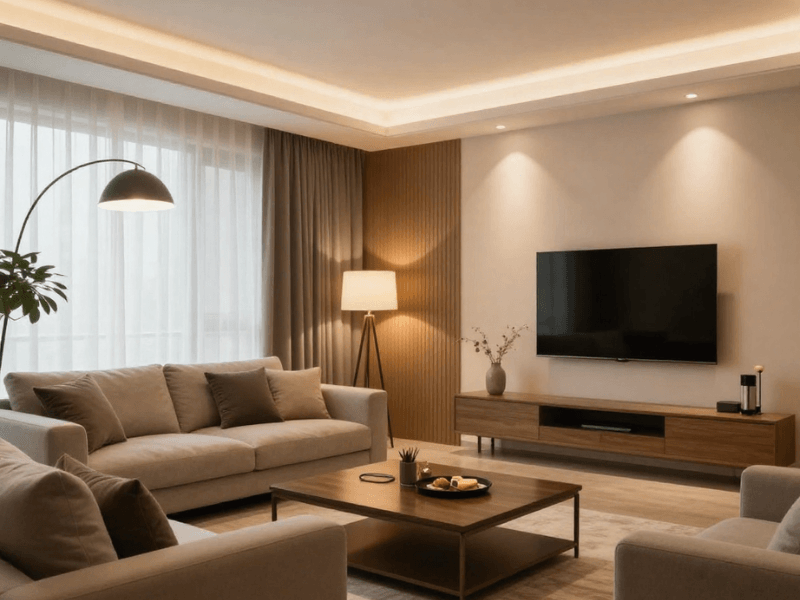
With a few taps, you can adjust brightness for reading, cooking, or watching TV. Colour temperature controls let you switch from crisp whites during the day to warmer tones in the evening, which can feel gentler on the eyes.
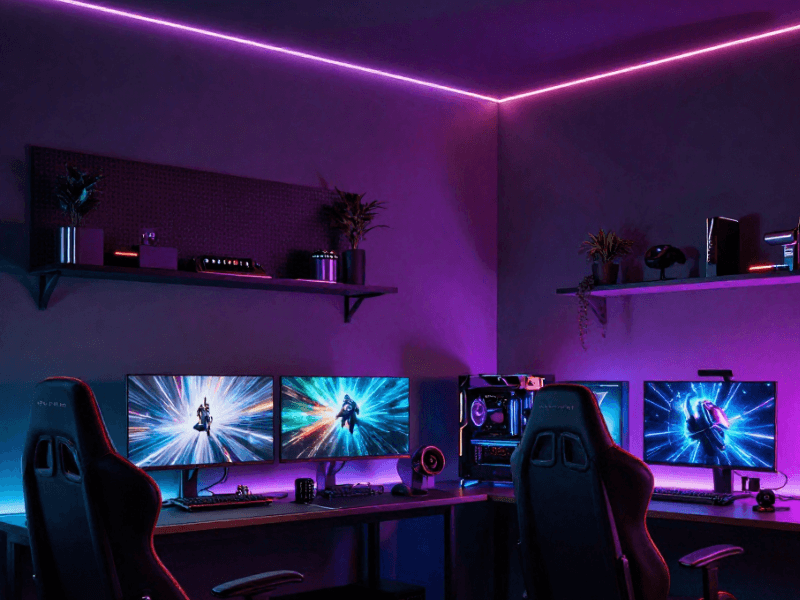
RGB controllers add another layer entirely. Soft blues for calm, amber for comfort, or bold colours for social spaces. Effects like fades, pulses, and colour transitions can turn static lighting into something expressive.
Scheduling is where smart lighting really shines. Set lights to turn on before you wake up, dim automatically at night, or switch off when you usually leave the house.
You can also create scenes that bundle multiple settings into one tap. Think “Movie Night” that dims all lights and turns on the TV’s backlighting, or “Work Mode” that brightens the space to avoid eye strain.
Many controllers also integrate with voice assistants, allowing hands-free control. “Alexa, dim the lights.”
Understanding the Different Types of Smart LED Controllers
Choosing a controller becomes easier once you understand the main categories and where they fit best.
Choosing the Right Controller for Your Setup
The best controller depends on how you use your lights. For small installations, such as a single LED strip behind a TV, a standalone or Wi-Fi controller is usually sufficient. For larger spaces or multiple rooms, hub-based systems keep everything organised.
Let’s look at the different types:
1. Standalone Controllers for Simple Setups
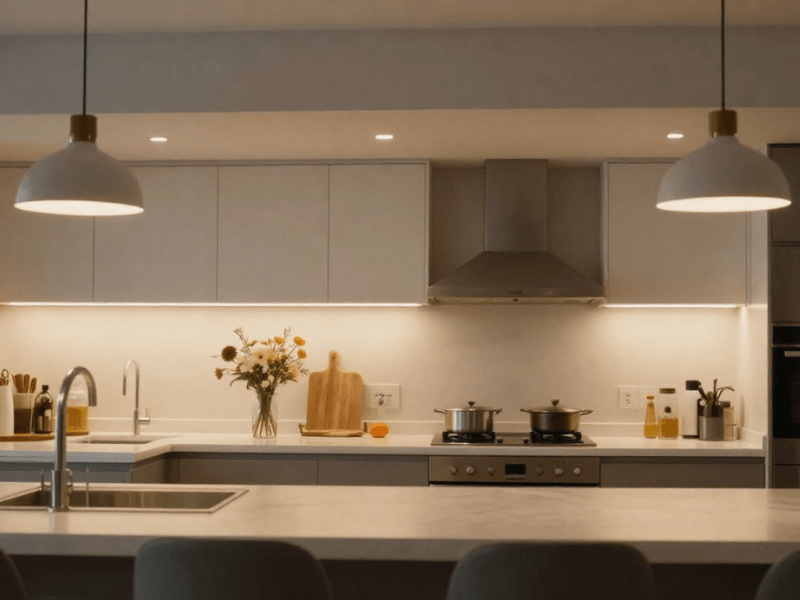
Standalone controllers are ideal for a single LED strip or downlight. They often use a remote or basic app and require minimal setup. These are perfect for under-cabinet lighting, shelves, or a small media wall.
They do not usually expand beyond their own zone, but that simplicity can be a strength if you want reliable control without complexity.
2. Wi-Fi or Bluetooth-Enabled ControllersWi-Fi and Bluetooth controllers connect directly to your smartphone through a dedicated app.
Bluetooth controllers are usually limited when you are not nearby. Wi-Fi controllers, on the other hand, connect to your home network, allowing control from anywhere with an internet connection. They often support scheduling, voice assistants, and integration with other smart devices.
For most beginners, Wi-Fi controllers strike the best balance between ease and features.
3. Hub-Based Controllers for Larger SystemsHub-based controllers use protocols like Zigbee or Z-Wave. They rely on a central hub that communicates with multiple lights at once.
These systems are excellent for whole-home setups, offering stability and scalability. They also reduce Wi-Fi congestion by keeping devices on a separate network.
And yes, it’s slightly more complex to set up, but the reward is well worth it if you’re planning to expand over time.
Pro Tip: Make sure your controller matches your LED type:
- RGB controllers for colour-changing strips or neon flex
- CCT controllers for tunable white LEDs
- Hybrid controllers for RGB plus white control
If you plan to expand, choose a controller or ecosystem that supports adding more devices without starting from scratch.
[caption id="attachment_5029" align="alignnone" width="1200"] Photo by Jacinto Diego on Unsplash[/caption]
Getting Started with LED Lighting Apps
Lighting apps translate technical control into friendly sliders, buttons, and colour wheels.
Downloading and Pairing
Most apps are free and available in app stores. Once downloaded, pairing usually involves powering the controller, opening the app, and following on-screen instructions.
Some controllers require connecting to your Wi-Fi network, while others pair via Bluetooth. The process is typically guided step by step, making setup easy.
Basic App Functions
At a minimum, lighting apps allow you to:
- Turn the lights on and off
- Adjust brightness
- Select colours or white tones
There’s no need for you to learn codes and frequencies. Most apps include visual controls that let you drag your finger across a colour map or wheel to change colours.
Schedules, Scenes, and Automations
Schedules allow lights to follow a routine. Wake-up lights can gradually brighten with cool whites, while evening schedules can shift towards warmer tones. Scenes store combinations of brightness and colour to switch moods instantly.
Some apps also offer basic automation, such as responding to the time of day or pairing with other smart devices.
Tips for Maximising Your App Experience
Once you are comfortable with the basics, a few extra features unlock real smart lighting convenience.
1. Grouping lets you control multiple LED strips as a unit. This is perfect for creating “zones” in open spaces.
2. Most smart lights come with preset themes, from cosy evenings to energetic party modes. So, there’s no more need for you to do guesswork.
3. Linking apps to voice assistants like Alexa or Google Home adds another layer of ease. You can use simple commands like “Dim the lights to 50%.”
Fun Features to Explore with Smart Controllers
Smart lighting is practical, but it is also meant to be enjoyed.
RGB Effects and Transitions: Colour-changing effects add movement and atmosphere. Gentle fades work well in living rooms, while dynamic transitions suit gaming setups or social spaces.
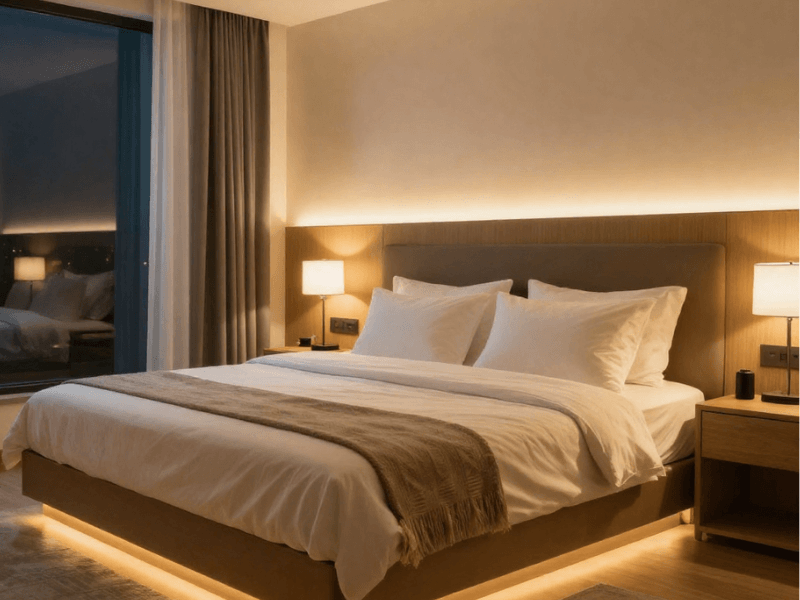
Mood Lighting: Bedrooms benefit from warm, dimmed scenes that encourage relaxation. Living rooms can shift between bright functional light and soft ambient tones.
Music-Sync Lighting: Some controllers can sync lighting to music or ambient noise. This feature is perfect for parties or gatherings with background music.
Practical Everyday Uses
Beyond fun, smart lighting quietly supports daily routines.
Wake-up routines using tunable white LEDs can ease mornings by gradually increasing brightness and shifting colour temperature.
Relaxation modes with warm, low-light tones signal the end of the day.
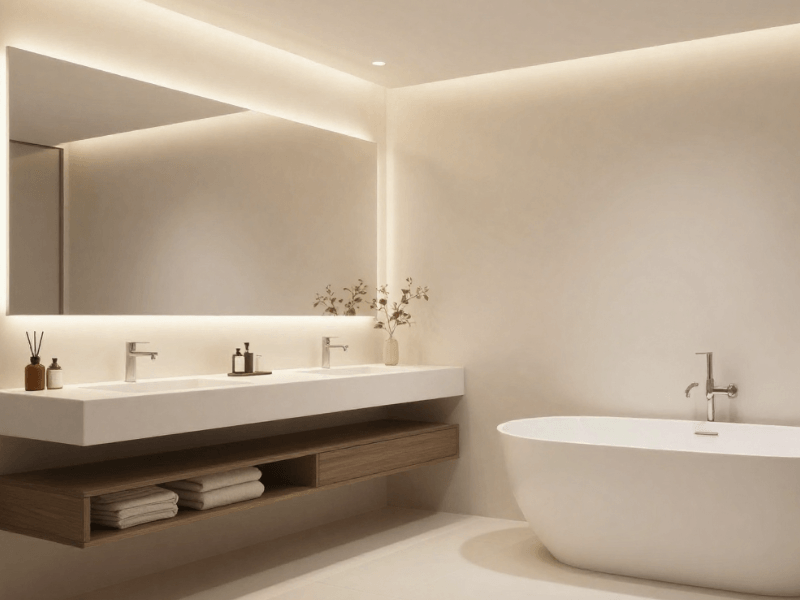
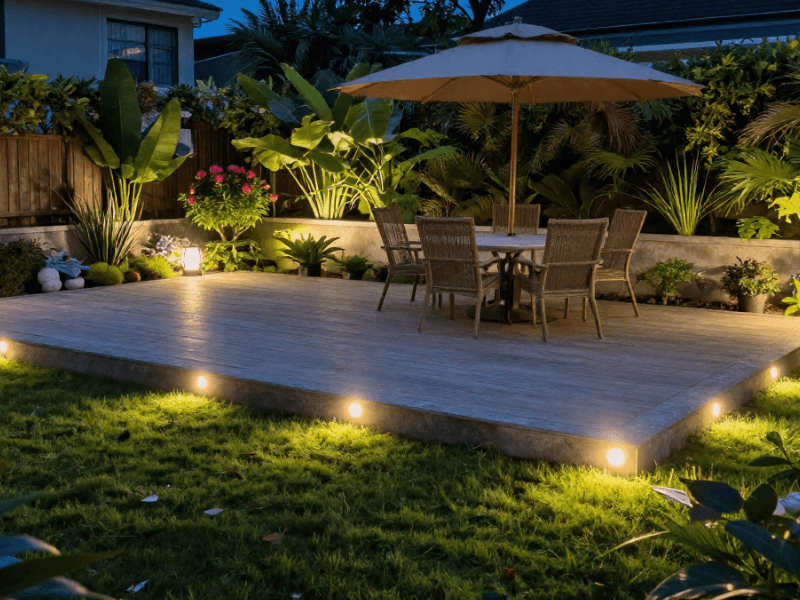
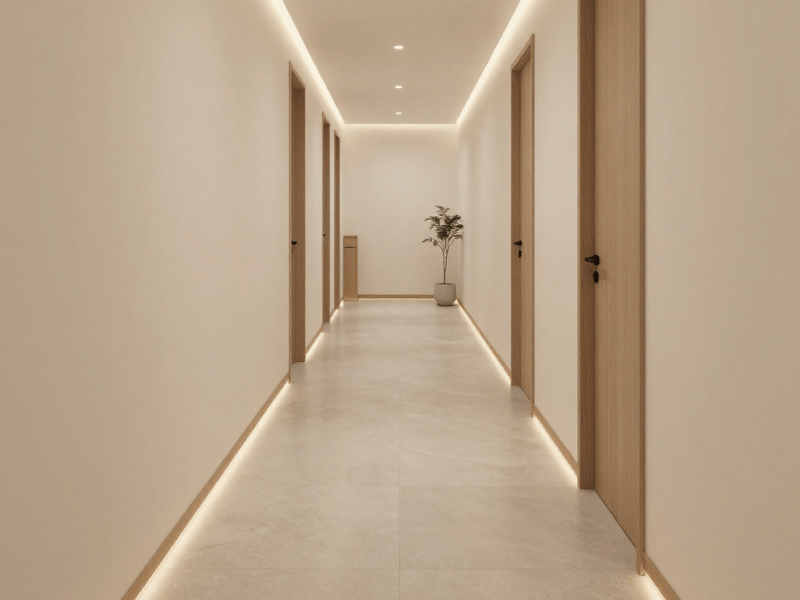
Accent lighting under cabinets, shelves, or coving adds depth and interest through layered lighting.
Common Beginner Mistakes and How to Avoid Them
Even simple lighting systems can stumble if you skip a few basics.
1. Choosing an incompatible controller. Always match RGB lights to RGB controllers and CCT to tunable white. Also, verify voltage requirements to avoid electrical issues.
2. Wi-Fi range matters. Controllers placed far from routers may struggle to stay connected. Consider mesh networks or hubs in larger homes.
3. Firmware updates are easy to ignore but essential. Updates improve stability, add features, and fix bugs.
4. App permissions also matter. If background access is blocked, schedules may not run reliably.
5. Incorrect IP ratings. Controllers used in kitchens, bathrooms, or outdoors need protection against moisture (high IP rating).
Bonus mistake. Not getting more insights from posts similar to this one you can find here: Smart Lighting Ideas for 2026 and How to Upgrade Your Home.

Start Your Smart LED Journey with Confidence
Turning ordinary LEDs into adaptable, expressive features of your home is as simple as connecting them to smart LED controllers. You don’t need to go all-in at once. In fact, the best approach is to start small. One strip, one controller, one app.
Experiment with colours, scenes, and schedules. As comfort grows, expanding becomes intuitive rather than intimidating. Unlike the common misconception, smart lighting does not demand expertise, just curiosity.
With the right controller and a little exploration, you can make your lighting work for you, not against you. Simple Lighting offers a full range of smart lights and controllers to help you transform your home’s lighting.


0 comments