


The Warmth of Colour Temperature: Understanding the Basics
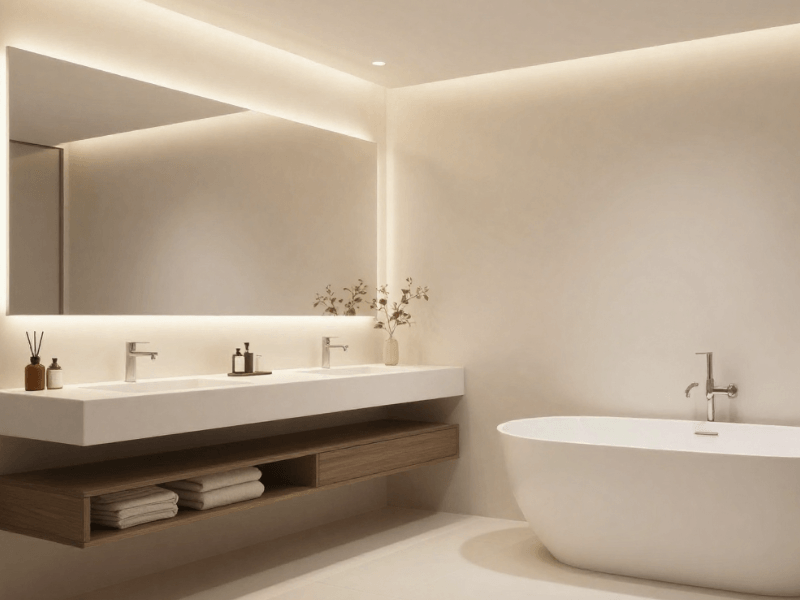
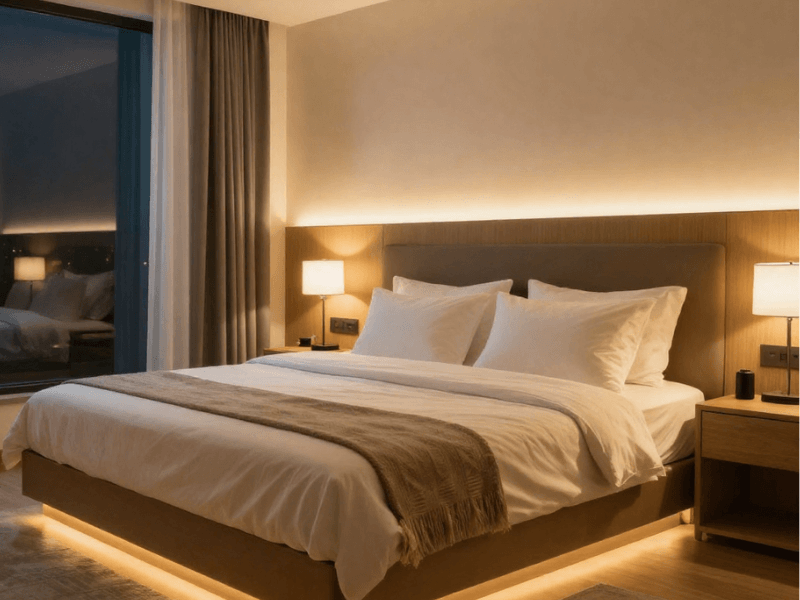
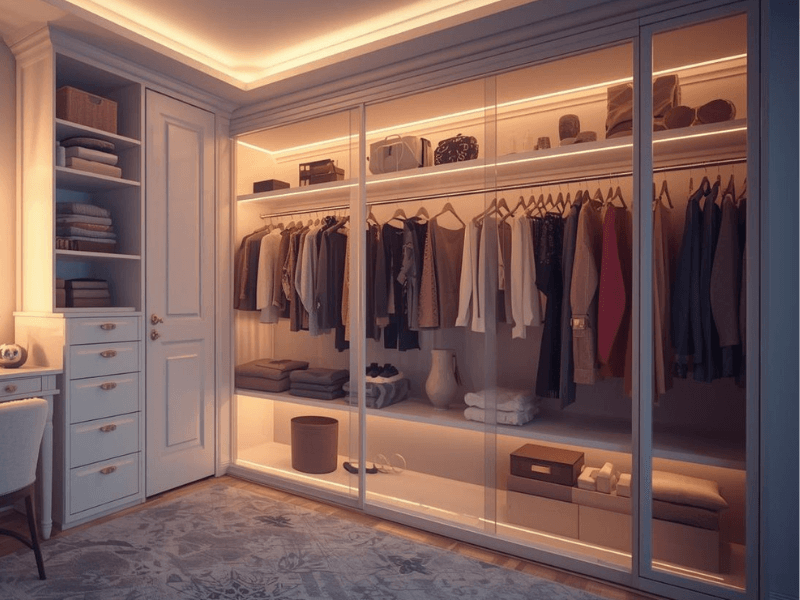
Colour temperature describes the appearance of light produced by a luminaire. It's measured in Kelvin and ranges from 2000K to 6500K. When buying lighting fixtures, you would generally come across three colour temperatures: cool white, natural white and warm white light. Cool white (has a crisp bluish tone) and natural white (no hints of blue or yellow) are primarily employed for task lighting as they're both stunningly brilliant, which aids in increasing the functionality and efficiency of the space. You'll want to steer clear of those two colour temperatures for a cosy atmosphere. What you want in your room is warm white light. This colour temperature has a yellowish hue that resembles an old incandescent bulb. It adds that warmth you perceive in the space, allowing you to relax and feel at peace. The warmer the colour, the cosier it gets. However, you should also be aware that if you go down the warmer end, the appearance of your lights will become too yellow or orange. 2700K to 3000K are an excellent range to enjoy that warm lighting without being too hot on the eyes.Layered Lighting: Balancing Functionality and Comfort
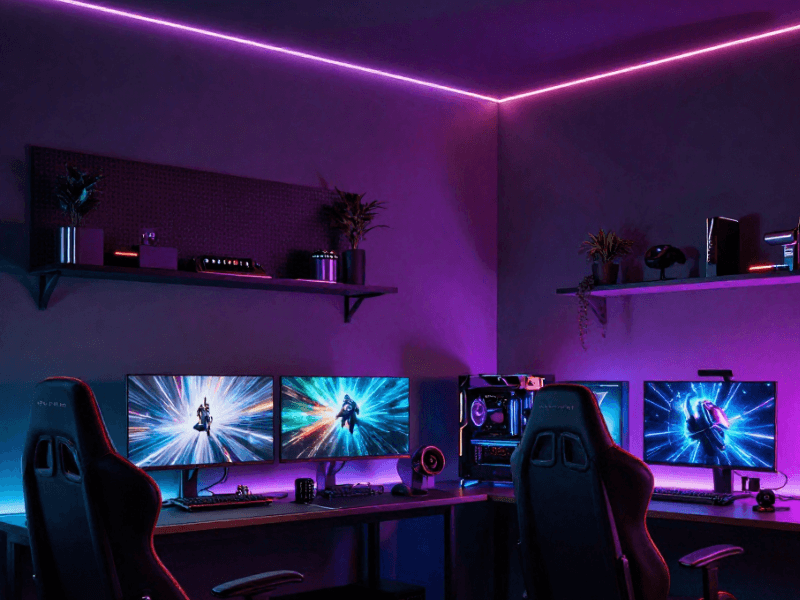
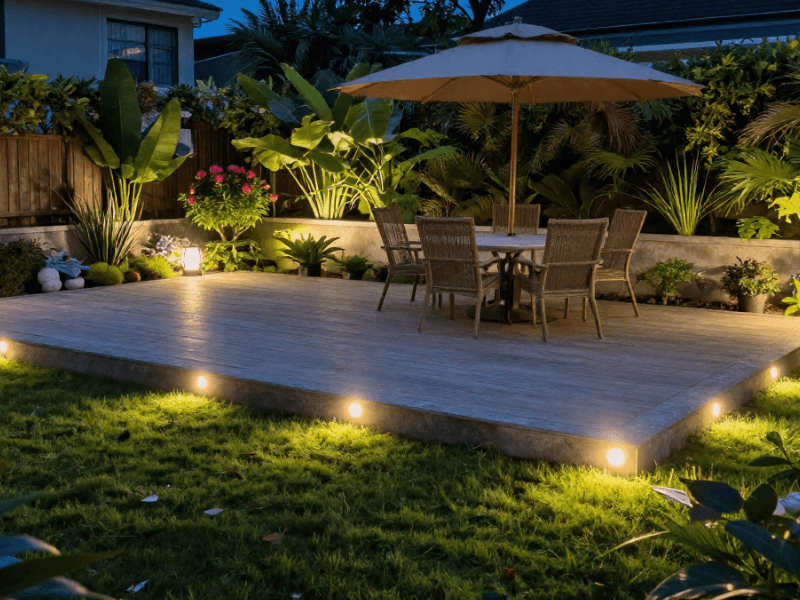
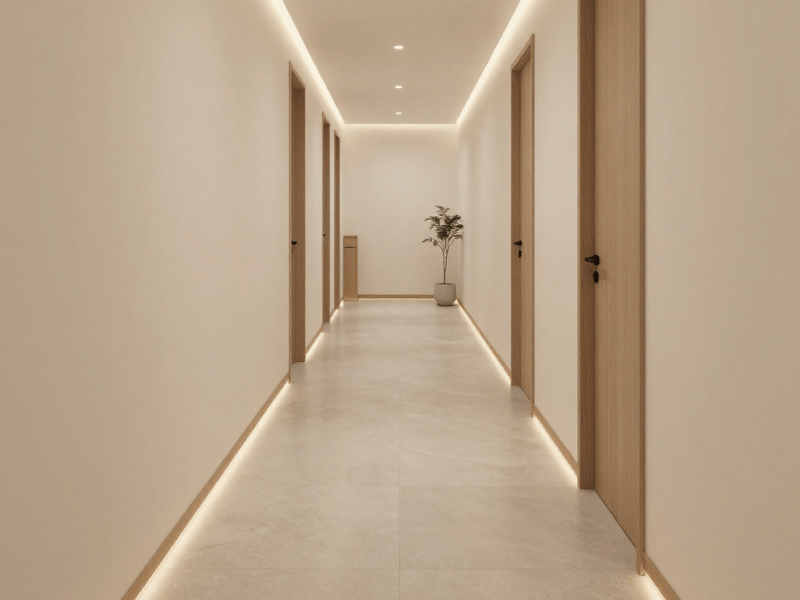
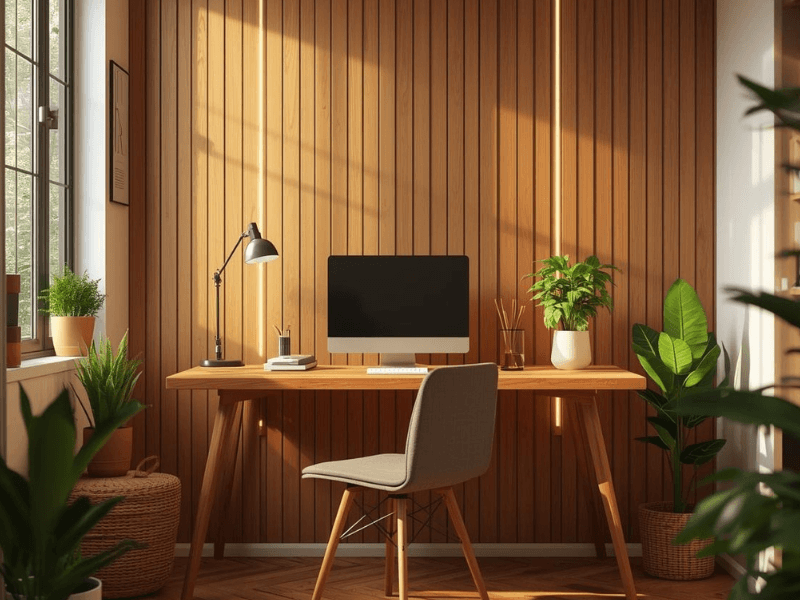
While warm white light can produce that welcoming ambience you're after, it's best to still incorporate the layered lighting technique. This will enable you to fully utilise the space, balancing functionality and comfort. What is the layered lighting method? Layered lighting is a technique where you add several sources of illumination to increase the room's efficiency while boosting its visual appeal. You'll need to utilise all three colour temperatures for task, ambient, and accent lighting for a harmonious atmosphere. Say you're using your bedroom as your home office or study space. You can use warm white light as ambient lighting to create a comfy environment. Then, for your desk area, you can add desk lamps or wall lights with natural or cool white light for task lighting. As for accent lighting, you can use LED strip lights in whatever LED colour you prefer and stick them to your bookshelves, under your bed, or behind your table!Warm Lighting in Different Rooms: Tailoring the Experience
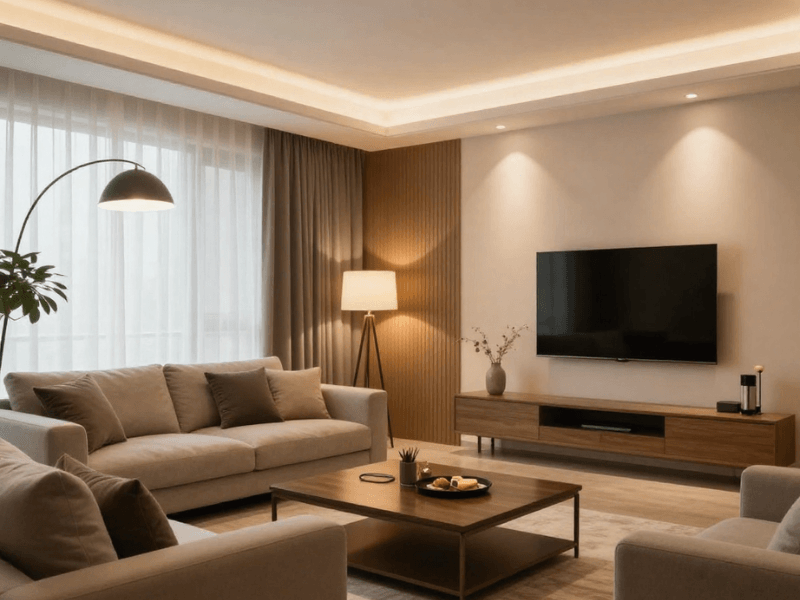
If you're using warm lighting as ambient lighting in your bedroom, how can you integrate it into other parts of your home? In the living room, you can add warm lighting through your floor lamps, ceiling lights, and table lamps. If you have a reading nook in your living room, use cool or natural white for the fixture in that spot instead of warm white.
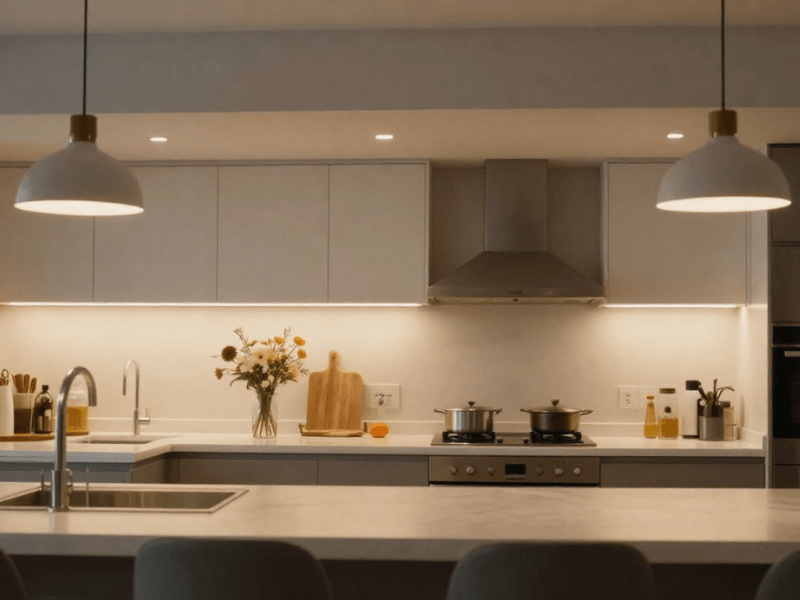
For the kitchen, the best way to incorporate warm lighting is through your under cabinet lighting and plinth lights. However, if you're using your kitchen counters as a workspace, having a colour temperature adjustable fitting is better than a single-coloured light. That way, you'll have a functional space when you're working and a relaxing ambience when you're not!
In the living room, you can add warm lighting through your floor lamps, ceiling lights, and table lamps. If you have a reading nook in your living room, use cool or natural white for the fixture in that spot instead of warm white.
For the kitchen, the best way to incorporate warm lighting is through your under cabinet lighting and plinth lights. However, if you're using your kitchen counters as a workspace, having a colour temperature adjustable fitting is better than a single-coloured light. That way, you'll have a functional space when you're working and a relaxing ambience when you're not!
Statement Lighting for Cosy Focal Points
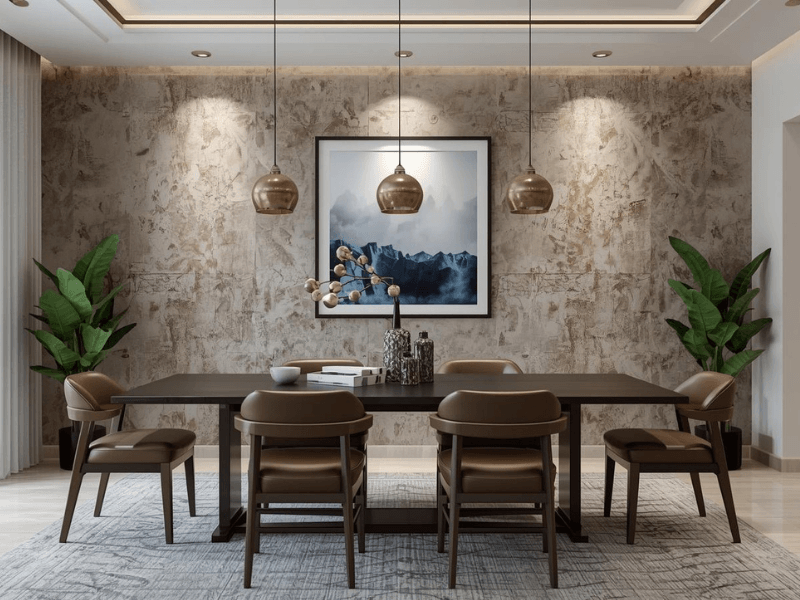
When it comes to creating a welcoming atmosphere, don't be boxed into thinking that your options are limited to table and floor lamps. You can use statement lighting to add cosiness to the space while elevating the aesthetics of the room! What types of statement lighting can you use? Chandeliers, pendant lights and unique fixtures with warm white light are typically the go-to for this. Just try to find light fittings made with textures and materials that will add to the warmth of the space.Textures and Warm Lighting: Creating Visual Comfort
As mentioned earlier, although pillows, carpets, blankets, and curtains can soften the rigidness of the room, it is still incomplete without warm lighting. But how do you effectively mix them together? Textures increase the personality and dimensions of the space. Adding warm lighting will boost the visual interest of those textures, creating an explosion of splendour! Wool, faux fur, velvet, linen, stone, and leather can cast exciting shadows when struck with warm light. You can use these organic materials through your light fitting or as furniture and decor pieces!Candlelight Effect with LED Bulbs
Candlelights can create a romantic, nostalgic and magical atmosphere. That's why romantic candlelight dinners are a popular date choice for couples! While there's nothing wrong with going for the classic candlestick, if you're looking for an alternative, you can try the LED light bulbs with warm white light. They can mimic the warmth of a candlestick without the hazard of a live flame. If you want something closely resembling a candlestick, there are LED candles! It'd be a safer alternative, especially if you plan to use it for extended hours.Dimmers and Warm Lighting: Adjusting the Intensity
Colour temperature can bring in the warmth, but if you want to modulate the intensity, you'll need dimmers. Dimming your warm lighting can diversify the atmosphere of your space. It can make dinner date nights more intimate and game nights more exciting! In addition, dimmer switches can make light fixtures more energy-efficient and long-lasting!


0 comments