What Are Pendant Lights?
Modern pendant lights are fittings that hang down from the ceiling, attached to a cord, chain, or fixed rod. Instead of sitting close to the ceiling, they drop into the room, making them both a practical light source and a design feature.
Key characteristics of pendant lighting include:
- Suspended from the ceiling (using suspenders as mentioned above)
- Positioned lower than standard ceiling lights
- Designed to attract attention and create a focal point
- Able to direct light to a specific area
Modern pendant lights are commonly used in:
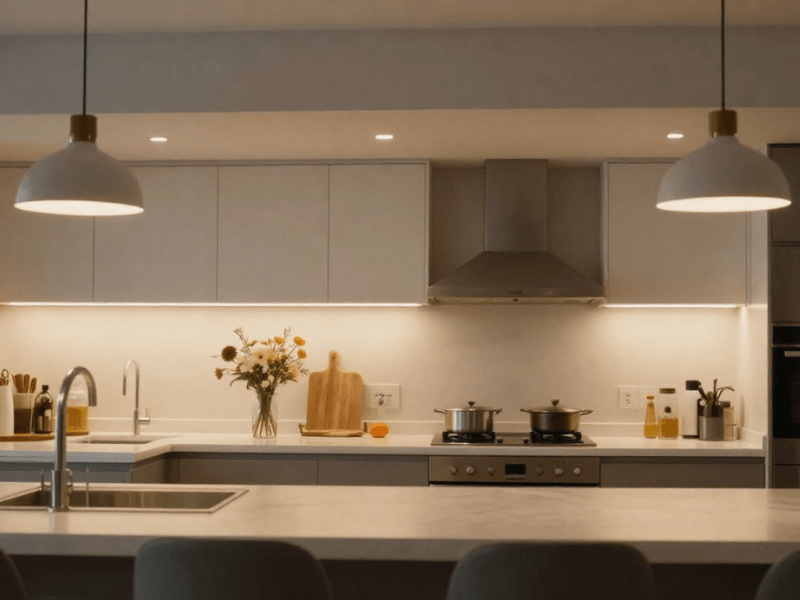
- Kitchens, especially above islands and breakfast bars
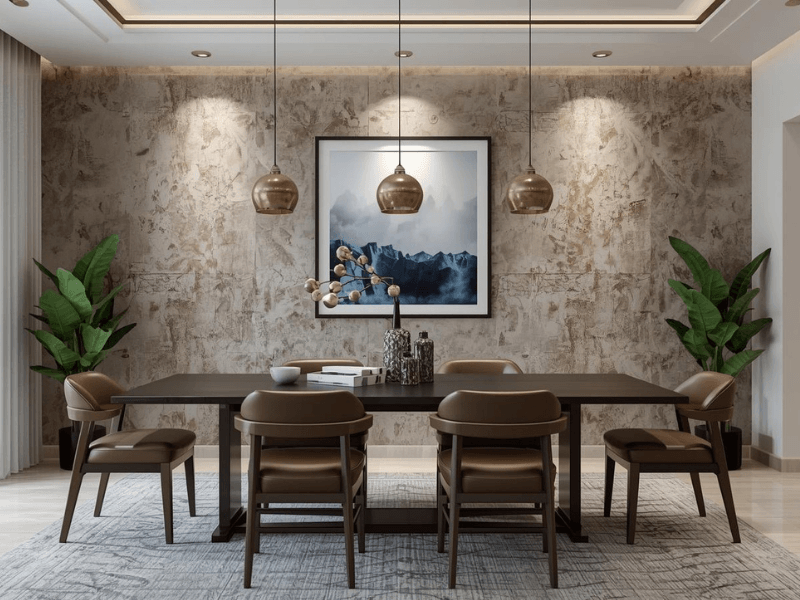
- Dining rooms, centred over tables
- Hallways and stairwells to add visual interest
- Living areas to define zones or highlight features
Differences From Other Ceiling Lights
Ceiling pendant lights differ from other fixtures in both appearance and purpose:
Vs Chandeliers
- Pendants are usually simpler and more modern
- Often feature a single light rather than multiple arms
- Better suited to everyday living spaces
Vs Other Ceiling Lights
- Ceiling lights sit flush or semi-flush to the ceiling
- Pendants hang down into the room, bringing light closer to the task below
Vs Downlights
- Most LED downlights are recessed and purely functional
- Hanging pendant lights act as decorative features as well as light sources
Why Get Ceiling Pendant Lights
Pendant lighting is a popular choice because they combine style and practicality:
- Versatile enough for many rooms and layouts
- Available in a wide range of designs to suit different interiors
- Ideal for indoor lighting, especially over worktops, tables, or seating areas
- Help define spaces and add depth without major structural changes
Types & Styles of Pendant Lights
Pendant lighting varies depending on configuration, style, and material. This makes it easier to match lighting to both your space and interior design.
By Configuration
The configuration affects how light is distributed and how the fitting looks within the room.
Single pendants
- One light fitting with a single point of light
- Ideal for smaller areas, bedside lighting, or as statement pieces
Multi-light pendants and clusters
- Several lights suspended from one ceiling point, like this unit
- Well-suited to stairwells, dining tables, and open-plan spaces
Linear pendants
- Long bar designs with multiple light sources
- Popular above kitchen islands and long dining tables
Mini pendants
- Smaller-scale fittings, often installed in groups
- Useful for adding detail without overwhelming the space
By Style
Choosing a style helps your lighting complement the overall interior.
Modern and contemporary
- Clean lines and simple shapes, like this fitting
- Best for modern homes, kitchens, and minimalist interiors
Industrial
- Metal finishes and exposed bulbs, like this unit
- Suits loft-style spaces, kitchens, and urban interiors
Traditional and classic
- Glass shades and decorative metalwork, like this product
- Works well in period homes and formal dining rooms
Rustic and farmhouse
- Wood details and vintage-inspired designs
- Complements country-style kitchens and cosy living spaces
Art Deco
- Bold geometric forms and luxurious finishes
- Ideal for statement lighting in living rooms and hallways
By Material
Materials influence both appearance and how light is diffused.
Glass pendants
- Available in transparent, frosted, coloured, or textured finishes
- Suitable for both modern and traditional interiors
Metal pendants
- Standard finishes include black, brass, copper, and chrome
- Durable and well-suited to kitchens and dining areas
Fabric and drum shades
- Soften light and reduce glare
- Ideal for bedrooms and living rooms
Wood and mixed materials
- Add warmth and contrast
- Popular in rustic, Scandinavian, and natural interiors
Compare different LED pendant lights to find the one that best suits your space.
Where to Use Modern Pendant Lights
Ceiling pendant lights are most effective when used to light specific areas while adding structure and character to a room. Choosing the right position, height, and style ensures they enhance both function and design.
Kitchen Island Pendant Lights
Kitchen islands are the most popular location for pendant lighting, as they require clear, focused light for everyday tasks.
When planning kitchen island pendants, consider:
- Height. A typical hanging height is 75to 85cm above the worktop. This provides good visibility without obstructing views across the kitchen.
- Number of pendants. If it's under 1.2m, then use just one or two pendants. If it's 1.2 to 1.8m long, get two to three. But if it's longer than 1.8m, better get three or more (or try a linear pendant). Keep each pendant apart by 60 to 80cm.
- Light output. Brighter lighting supports food preparation, while a softer glow suits casual dining or social use. For task lighting, make sure each pendant can deliver 300 to 400 lumens.
- Style choice. Modern kitchens pair well with simple, clean-lined pendants, while industrial styles suit open-plan or urban spaces.
- Single vs multiple fittings. One pendant creates a strong focal point, while multiple fittings spread light evenly across the surface.
Browse our products if you want the LED pendant lights in the kitchen.
Dining Room & Over Table Pendants
Modern pendant lights help define the dining area and create a comfortable atmosphere for meals.
Key guidance includes:
- Positioning. Always centre the pendant over the dining table, even if the table is not in the middle of the room.
- Height. Hanging the pendant 70 to 90cm above the table keeps the light focused while avoiding glare.
- Scale. Set the pendant width at 50% to 75% of the table width for the best fit.
- Ambience. Dimmable pendants allow flexibility for everyday dining and evening entertaining.
- Design impact. Decorative or statement pendants work particularly well in dining spaces, where lighting becomes part of the experience.
Explore our dining room LED pendant lights to find the correct scale and style.
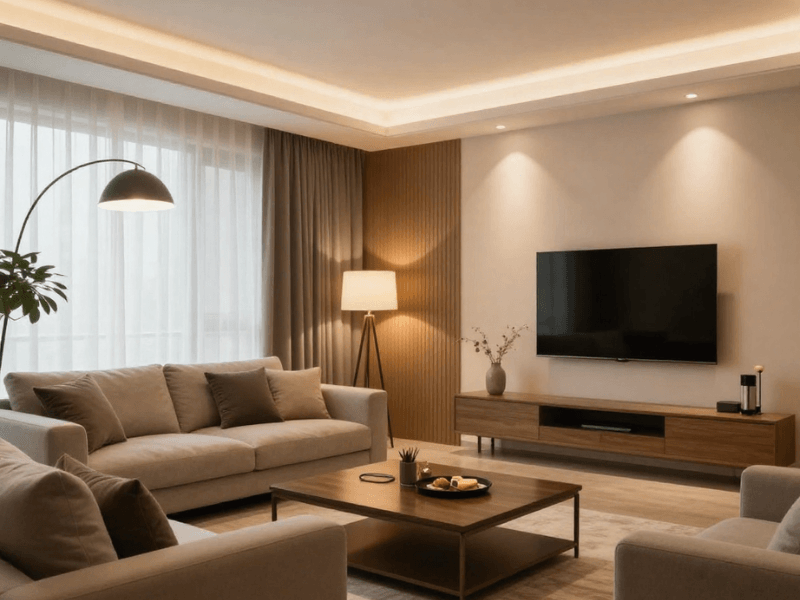
Living Room Pendant Lighting
In living rooms, pendant lighting is often used to enhance the overall design rather than provide all the lighting. They’re effective for:
- Creating a visual centre point above seating areas or coffee tables
- Supporting layered lighting alongside floor lamps and wall lights
- Defining zones in open-plan living areas
Height is essential. Pendants should hang high enough to maintain clear walkways and sight-lines, especially in rooms with regular foot traffic.
View our living room hanging pendant lights to complement your layered lighting.
Bedroom & Hallway Pendant Options
Mini pendant lights offer a stylish alternative to bedside lamps.
They’re helpful for:
- Freeing up bedside table space
- Providing focused reading light when hung at the correct height
- Adding symmetry when used on both sides of the bed
Choose adjustable fittings and softer light tones to support rest and relaxation while avoiding direct glare.
Hallways also benefit from mini pendant lighting that balances practicality with visual appeal. Good hallway pendants:
- Hang high enough to allow safe clearance
- Provide even, welcoming ambient light
- Use bold or vertical designs to add interest in narrow or tall spaces
Well-placed hanging pendant lights can turn a hallway into a considered design feature rather than a purely functional area.
Explore our bedroom and hallway pendants for a better style and ambience.
How to Choose the Right Pendant Lights
Picking the right pendant light involves more than picking a design you like. Size, height, bulb choice, and installation will affect how well the light works in your space.
Pendant Light Size Guide
Getting the scale right helps the pendant feel balanced rather than overpowering. Start by assessing room size and ceiling height. Larger rooms and higher ceilings can support bigger pendants.
Common sizing rules include:
- For a central pendant, add the room length and width (in feet) to estimate the pendant diameter (in inches).
- Alternatively, the room diameter in feet can roughly equal the pendant diameter in inches.
- In the UK, this translates to small pendants for compact rooms and larger fittings for open-plan areas.
- For dining tables, choose a pendant that measures 50 to 75% of the table width.
Size categories:
- Mini pendants suit grouping or smaller areas
- Standard pendants work well in most rooms
- Statement pendants suit high ceilings or feature locations
Use these guidelines to shortlist pendant sizes before browsing.
Hanging Height Guidelines
Correct height ensures comfort, safety, and good light distribution.
- Standard ceilings (around 2.4m). Allow a 75 to 90cm drop
- Above kitchen islands. Hang pendants 75 to 85cm above the worktop
- Above dining tables. Position 70 to 90cm above the table surface
- Traffic areas. Maintain at least 2.1m clearance from the floor
Adjustable cords or chains make fine-tuning easier once installed. Check product specifications to confirm adjustable drop lengths.
Choosing the Right Bulbs
The bulb affects brightness, mood, and energy use.
- Lumens measure brightness, with higher levels needed for kitchens than living rooms.
- E27 bulbs are larger screw fittings, while E14 bulbs are slimmer and more decorative.
- LED bulbs are energy-efficient, long-lasting, and suitable for everyday use.
- Warm white light (2700 to 3000K) suits living and dining areas.
- Natural white light (around 4000K) works well in kitchens.
- Check whether the fitting supports dimmable bulbs if flexibility is important.
View compatible bulbs alongside each pendant to complete your setup.
Matching the Right Style
To create a cohesive look:
- Match pendant styles to your interior, such as modern, industrial, or traditional
- Coordinate finishes with other lighting and hardware
- Popular finishes include black, brass, chrome, and copper
Installation Considerations
Before fitting, consider:
- Existing wiring and ceiling rose compatibility
- The weight of the pendant and ceiling support
- Whether DIY installation is suitable or an electrician is required under UK regulations
Installing Pendant Lights
Installing ceiling pendant lights correctly is essential for safety, performance, and long-term reliability. Understanding when DIY is suitable and when professional help is required will help you make the right decision.
In the UK, most household electrical work must meet Part P of the Building Regulations. These rules are designed to ensure electrical safety in domestic properties. Any lighting installation must be completed safely. Some projects may require certification by a qualified electrician.
When DIY Is Appropriate
DIY installation is generally suitable when:
- Replacing an existing pendant on a like-for-like basis
- Using the same ceiling point and wiring
- No changes are made to the circuit
You must always isolate the power before starting and follow the manufacturer’s instructions carefully.
When to Hire an Electrician
A qualified electrician is recommended for:
- New pendant installations or relocating light points
- Adjusting hanging heights where rewiring is required
- Installing multiple pendants from one ceiling supply
- Work in kitchens or other regulated areas
Installation Basics (Overview)
For context, a typical pendant installation includes:
- Isolating the power at the consumer unit
- Connecting the pendant wiring to the ceiling rose
- Securing the mounting bracket or support hook
- Setting and adjusting the hanging height
- Fixing the ceiling cover in place
Mounting, Cable Management & Safety
Before installation, check the following:
- The ceiling rose and fixings (make sure they can support the pendant’s weight)
- Any mounting plate or hook is secured correctly
- Adjustable cables are neatly shortened and safely stored
- No strain is placed on the wiring
Never work on live circuits. If you are unsure at any stage, professional installation is always the safest option. You can also contact our support team for more installation guidance.
LED Pendant Lights at Simple Lighting
At Simple Lighting, you’ll find hanging pendant lights designed for modern living and reliable everyday use.
When you shop with us, you get:
- Wide product range, including black cone and gold-lined pendants
- Clear product listings, showing single units and packs
- Products compatible with E27 and GU10 bulbs
- Competitive pricing; some products are available for just £10 to £35
- UK-held stock and fast delivery
- Clear warranties and easy returns
- Trade pricing options
- Helpful customer support
- Excellent Trustpilot ratings
Browse our pendant light range to find the right fitting for your space.


 In Stock
 In Stock
 In Stock
 In Stock
 In Stock
 In Stock
 In Stock
 In Stock
 Sold Out
 In Stock
 Sold Out
 In Stock
 In Stock
 In Stock
 Sold Out
 In Stock
 In Stock
 In Stock
 In Stock
 Sold Out
 In Stock
 In Stock
 In Stock
 In Stock


