

New year, new you? How about new lights? In 2026, lighting is no longer just about seeing in the dark. It is about shaping how your home feels, functions, and adapts to your lifestyle.
With the rise of smart homes, flexible living spaces, and design-led interiors, RGB and CCT LED lighting have stepped firmly into the spotlight. Why? These lighting technologies allow homeowners to fine-tune colour, brightness, and mood with a tap in an app or by voice (more on that later).
This guide explores how these lighting options work, why they are set to dominate modern homes in 2026, and how to use them practically, stylishly, and intelligently throughout your space. Ready to redefine home lighting this 2026? Let’s dive in.
Why RGB and CCT LEDs Are Game-Changers for 2026 Homes
To understand why RGB and CCT LEDs are becoming essentials rather than luxuries, it helps to start with the basics and answer the question: What are they?
RGB LEDs use red, green, and blue light to create a broad spectrum of colours. They are all about creativity, personality, and atmosphere. Think vibrant accent lighting, immersive media rooms, and colour scenes that shift with your mood.
CCT LEDs, short for Correlated Colour Temperature, have adjustable white light. They allow you to adjust the light’s warmth or coolness, typically ranging from warm white (2700K) to cool white (6500K). This makes them ideal for everyday living, task lighting, and wellbeing-focused spaces.
Together, RGB and CCT lighting move homes away from static, one-tone lighting schemes. Instead, lighting becomes dynamic and responsive, supporting everything from productivity and relaxation to entertainment and socialising.
From a design perspective, these LEDs are sure to align perfectly with 2026 trends: Open-plan living, multi-use rooms, and wellness-led interiors all demand lighting that can adapt throughout the day.
Add in the growing expectations for smart control and energy efficiency, and it is clear why RGB and CCT LEDs are leading the way.
Benefits Beyond Aesthetics
While colour-changing lighting looks impressive, the real value of RGB and CCT LEDs lies beyond appearance.
Energy efficiency is a significant advantage. LED technology uses significantly less energy than traditional incandescent or halogen lighting. Smart controls further enhance this by reducing wasted use through scheduling, automation, and dimming (e.g. dimmable downlights).
Long lifespan means fewer replacements and lower maintenance. Quality LED products can last 25,000 to even 50,000 hours, making them a wise long-term investment for busy households.
Smart integration ties everything together. Most modern RGB and CCT LEDs work seamlessly with apps, smart hubs, and voice assistants. You can adjust lighting from your phone, set routines that follow your day, or create one-touch scenes that instantly change a room’s mood.
Using CCT LEDs to Adjust White Light for Every Occasion
CCT lighting is the foundation of a well-lit home. How? It focuses on how white light feels rather than how colourful it looks. Tunable white lets you switch between warm, natural, and cool tones based on the time of day or activity.
Warm white creates a soft, comforting glow; natural white feels balanced and, well, natural; and cool white appears crisp and energising.
Did you know that colour temperature directly affects your mood in a space?
Warmer tones help the body wind down, making them ideal for evenings and relaxation. Cooler tones support focus and alertness, perfect for mornings and task-heavy spaces (like kitchen countertops).
In practical terms, CCT LEDs shine across the home:
- Kitchens benefit from cooler or neutral whites during food preparation, improving visibility and accuracy. As evening sets in, switching to a warmer tone instantly softens the dining space.
- Living rooms work best with flexible whites. Natural daylight keeps the room feeling open, while warm white in the evening encourages relaxation.
- Bedrooms thrive on warm CCT settings. Soft, amber-leaning whites help signal rest and create a calming atmosphere before sleep.
Practical Tips for CCT Placement
To get the most from tunable white lighting, placement matters just as much as colour temperature.
Use task lighting with CCT LEDs where clarity is essential. Under cabinet lights in kitchens, desk lighting in home offices, and bathroom mirror lights all benefit from adjustable white tones.
Balance this with ambient lighting that fills the room evenly. Ceiling downlights or wall washers with CCT control allow you to set the overall tone without harsh glare.
And do you know what you can pair for ultimate flexibility? Dimmers.
Adjusting both brightness and colour temperature gives you fine control over how a space feels, from bright and functional to soft and intimate.
RGB LED Lighting for Dynamic Colour and Mood
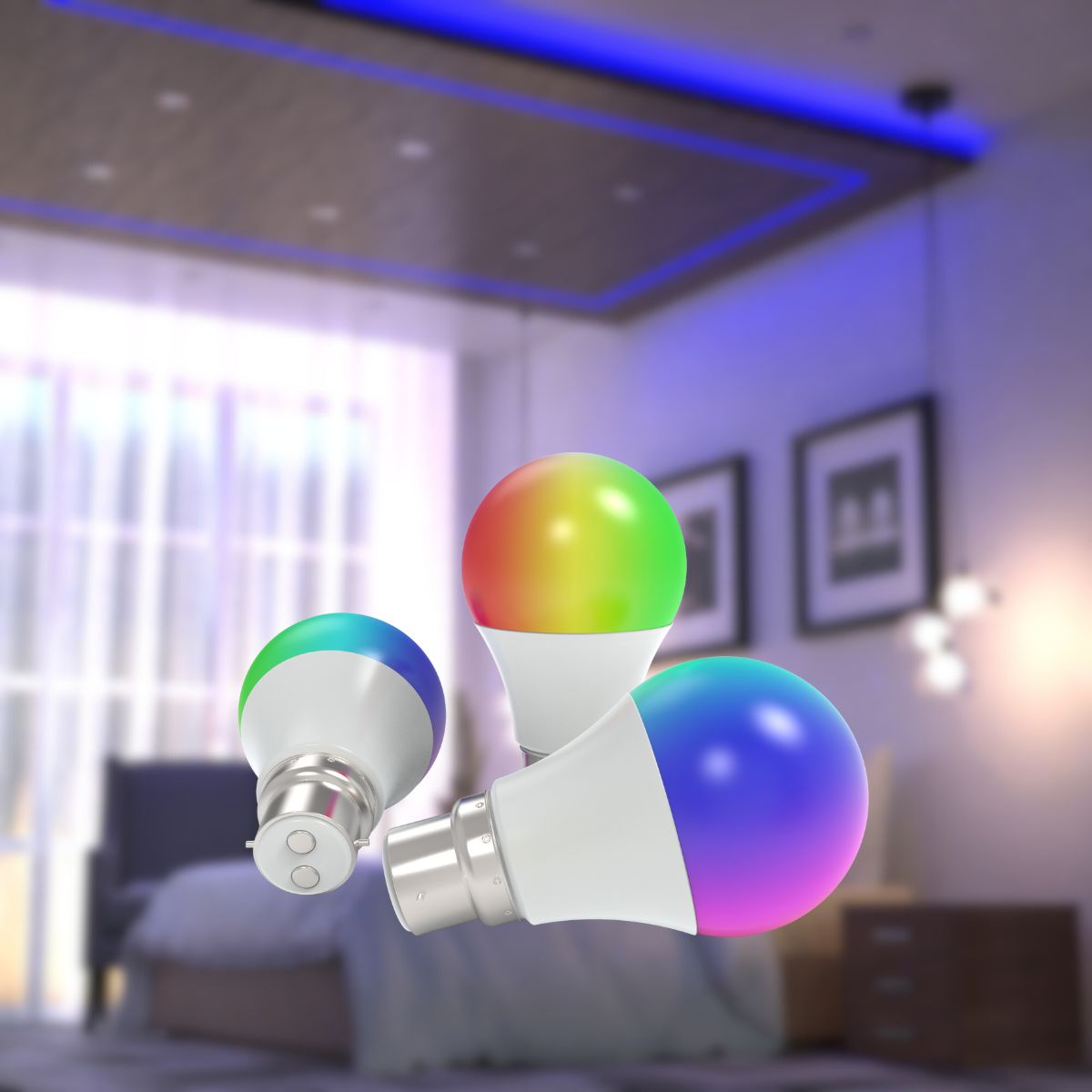
RGB lighting brings personality into a home. Where CCT focuses on comfort and function, RGB is about expression and experience. Full-colour LEDs enable accent lighting that highlights features, adds depth, or sets a specific mood.
With continuous innovation in lighting technology, modern RGB systems now offer smooth colour transitions, subtle pastels, and rich saturated hues, all controllable in seconds.
One of the biggest trends we can expect for 2026 is interactive lighting. RGB LEDs can sync with music, movies, or games, responding in real time to audio and visual cues. This turns living spaces into immersive environments rather than static rooms.
Popular applications include:
- Media walls, where RGB LED strips behind TVs reduce eye strain and create a cinematic glow.
- Shelving and display units, using colour to draw attention to decor and collectables.
- Coving and ceiling details that add depth and drama with hidden fixtures.
- Party settings, where dynamic colour scenes energise social gatherings.
Colour Psychology in Your Home
Psychology and colour come hand in hand. Different hues influence how a space feels and how people behave within it. Kind of how the colour pink is associated with reducing aggression and anxiety.
Warm tones, such as reds and soft yellows, promote comfort and intimacy. They work well in lounges and dining areas during the evening. Cool blues and greens encourage calm and focus. These colours suit bedrooms, bathrooms, or quiet reading spaces.
But just because you have access to millions of colours thanks to RGB LED lights, doesn’t mean you need to use all of them. The key to success is restraint.
Mixing colours works best when you limit the palette. Use one or two dominant hues and let neutral or white light do the heavy lifting elsewhere. This avoids overwhelming the room and keeps the design feeling intentional rather than chaotic.
Combining RGB and CCT LEDs for Maximum Versatility
The real magic happens when RGB and CCT lighting work together. Hybrid setups allow you to enjoy both functional white light and expressive colour without compromise.
Take the kitchen, for example. CCT downlights can handle food preparation and cleaning, while RGB LED under cabinet strips or neon flex add atmosphere in the evening. You can effortlessly shift the room from a practical workspace to a social hub.
In living rooms, CCT lighting provides comfortable ambient light, while RGB accents behind shelving or around a media wall introduce depth and mood. One space, multiple personalities.
Bedrooms benefit from warm CCT lighting for winding down, paired with subtle RGB accents that add interest without disturbing rest. Soft colour behind a headboard or along coving creates a hotel-inspired feel.
Layering LED Lighting for a Professional Look
Layering is what separates average lighting from polished, design-led spaces. Start with ambient lighting to establish overall brightness. Then add task lighting where activities demand focus. Finish with accent lighting to highlight features and add personality.
Under-cabinet strips, ceiling recesses, and coving are ideal locations for layered lighting. These placements keep light sources discreet while maximising their effect.
Using aluminium channels and profiles helps achieve a clean, professional finish. They diffuse the light, protect the LEDs, and ensure installations look intentional rather than improvised.
Smart Controls and Automation for 2026 Homes
Manually switching and adjusting your lights is a thing of the past. Smart control is the new engine that powers modern lighting. In 2026, homeowners expect lighting to adapt automatically rather than requiring constant manual adjustment.
RGB and CCT LEDs integrate easily with smart hubs, voice assistants, and mobile apps. This allows you to control individual lights, entire rooms, or whole-house scenes effortlessly.
Automation brings lighting to life:
- Morning routines that gradually increase brightness and shift from warm to cool white to help you wake up.
- Movie nights that dim CCT lights and activate RGB backlighting.
- Dinner scenes that soften light levels and introduce warm tones.
The benefits go beyond convenience. Automated lighting reduces energy waste, supports wellbeing, and ensures your home always feels welcoming. A trifecta of everything modern, efficient lighting can offer you.
Scenes and Scheduling Made Easy
Scenes simplify complexity. With one tap, multiple lights change colour, brightness, and temperature simultaneously.
- Pre-programmed routines can suit relaxation, focus, or entertainment.
- Dynamic effects add excitement to parties.
- While static scenes support calm evenings.
Seasonal scheduling is another growing trend. Cooler whites in summer feel fresh and airy, while warmer tones in winter create a sense of comfort during the darker months. And did we mention they happen automatically after you set them?
Common Pitfalls to Avoid
Even the best lights can disappoint if used incorrectly.
1. Avoid overusing RGB lighting in functional areas such as kitchens and bathrooms, where clarity matters most.
2. Ensure smart components are compatible. Mixing hubs or controllers that do not communicate well leads to frustration and failure.
3. Do not ignore brightness levels. Colour looks best when the light output is appropriate for the space.
4. Always consider IP ratings in moisture-prone areas. Bathrooms and adjacent outdoor spaces require protection from water and humidity.

Future-Proof Your Home with RGB and CCT LEDs
RGB and CCT LED lighting offer a powerful combination of flexibility, energy efficiency, and style. They allow homes to adapt, respond, and evolve with changing needs and tastes.
By planning lighting room by room and layering white and colour light thoughtfully, you can create spaces in 2026 that feel modern, comfortable, and distinctly personal. As the new year approaches, lighting is no longer a finishing touch. It is a central design feature in day-to-day life.
Simple Lighting has a wide range of RGB and CCT LEDs that can transform not just how your home looks, but how it feels to live in it. Explore the collections on our website now.
If you loved this guide, you’ll love the rest of the series: Smart Lighting Ideas for 2026 and How to Upgrade Your Home.