
It’s here: winter. The time when everything is cold and our energy bills… higher? Indeed. As days grow shorter and nights longer, we tend to rely more heavily on artificial lighting.
Add in the extra heating, festive lighting, and longer family evenings at home, and it’s no surprise that December to February tend to be the most expensive months of the year for energy use.
Many homeowners do not realise that lighting plays a significant role in this seasonal spike. This is especially so if you’re still using traditional lights (incandescent and halogen) since they consume significantly more energy than modern LED alternatives.
When lights stay on for longer hours during winter, even a slight difference in wattage quickly adds up on your electricity bill.
The good news is that you can reduce this cost without compromising on comfort and ambience. How? By understanding how different types of lighting consume energy, and making simple switches to more efficient options.
Comparing Incandescent, Halogen & LED Energy Use
Let’s look at a simple comparison.
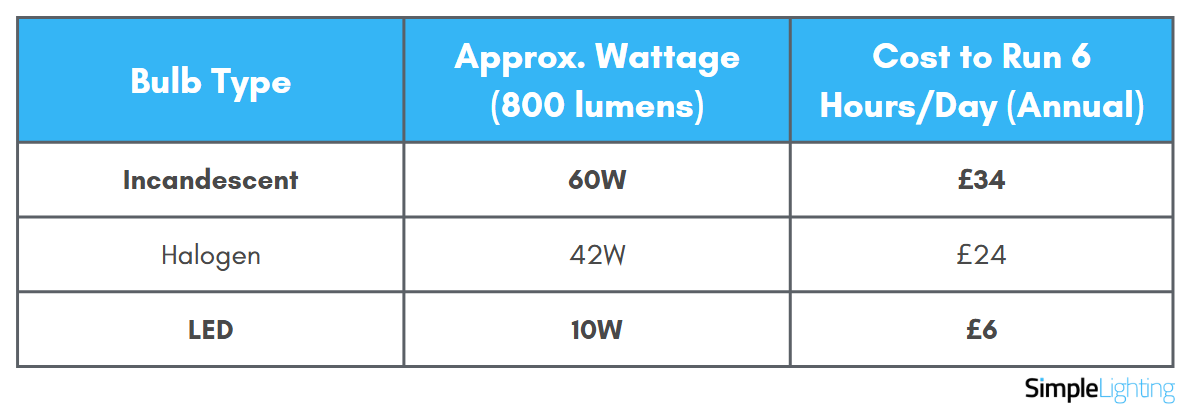
Figures based on UK average electricity rates (26p per kWh).
The differences might not seem like a lot for an annual cost, but this is just for one light bulb. Multiply it by 30 (the UK home’s average number of lights), and the difference will be more apparent.
Imagine the savings you can get just by replacing at least 10 incandescent bulbs with LED lights. Massive. The maths here is simple too: lower wattage means lower electricity consumption, which means lower bills.
Also, as we’ve mentioned earlier, winter nights tend to be longer, so you use more artificial lights than you usually would on a summer night.
How Home Lighting Habits Affect Bills
It’s not the lights… It’s us. Even the most efficient bulbs won’t solve everything if our lighting habits waste energy. Some everyday winter habits cost more than you think:
1. Leaving lights on in unused rooms: Common during busy evenings when households move between rooms.
2. Using high-wattage overheads as all-purpose lighting: Ceiling lights often run more bulbs and use more power than task or accent lights.
3. Poor placement leading to “over-lighting”: If a lamp or fixture doesn’t properly illuminate a space, people tend to turn on multiple lights unnecessarily.
4. Using outdated bulbs in frequently used rooms: A 60W incandescent bulb used for 6 hours a day in winter could cost more than the same lamp used all summer.
Small habit changes + energy-efficient LEDs = A noticeable difference when bills are at their highest.
LED Lighting: The Efficient Alternative
LEDs aren’t just for show. They’re the most energy-efficient and cost-effective lighting technology available today. LED lights are perfect for winter’s longer nights since they’re designed to produce bright light at very low wattage (compared to traditional counterparts).
Unlike traditional lights that waste up to 90% of electricity as heat, LEDs convert most of their energy directly into light. This efficiency translates into lower bills, no matter how long the lights are on.
Energy Efficiency of LED Technology
The shortest answer as to why you should switch to LEDs: more light, less power.
- A 10W LED produces roughly the same brightness as a 60W incandescent.
- That’s up to 85% (or 6X) less energy than incandescent bulbs.
- Longer winter use doesn’t drastically increase your electricity bill.
- LEDs’ full brightness is instantaneous: no warm-up or wasted energy.
In other words, LEDs are perfectly suited to the season. Think about it: Running one 10W LED for 6 hours a day is equivalent to running a 60W incandescent for only 1 hour.
Long Lifespan Means Fewer Replacements
There is also an indirect way that LEDs save you money. They last typically 25,000–50,000 hours, depending on the model, compared with:
- Incandescent: around 1,000 hours
- Halogen: around 2,000 hours
- CFL: around 8,000 hours
If you use lights more often in winter, a long-lasting bulb becomes even more valuable. Replacing fewer bulbs means:
- Fewer trips to the hardware store
- Lower maintenance costs
- Less waste
Even if an LED costs slightly more upfront, the lifespan and energy savings offer a better long-term value than traditional lights.
LEDs pay for themselves quickly, especially during winter’s high-use period.
Practical Ways to Use LED Lighting to Cut Energy Bills
You don’t need a full renovation to start saving energy with LEDs. A few simple changes to how you light your home can immediately reduce electricity consumption and keep bills under control.
Switch to Warm White LEDs for Daily Living
Winter calls for cosy, comfortable lighting, and warm white LEDs (typically 2700K–3000K) deliver precisely that. They mimic the softness of halogen bulbs and the warmth of incandescents but consume just a fraction of the energy.
Warm white LEDs are perfect for:
- Living rooms
- Bedrooms
- Hallways
- Dining areas
They create a relaxing, homely glow that’s ideal for winter evenings… without the high running cost, of course. Many homeowners find that switching to warm white LEDs gives their home a more premium, inviting atmosphere while also slashing energy consumption.
Layer Lighting Instead of Bright Overhead Lights
A single bright, high-wattage overhead light might seem functional, but it’s actually doing you more harm than good. This usually results in harsh shadows and, in the winter, when nights are longer, a higher electricity bill.
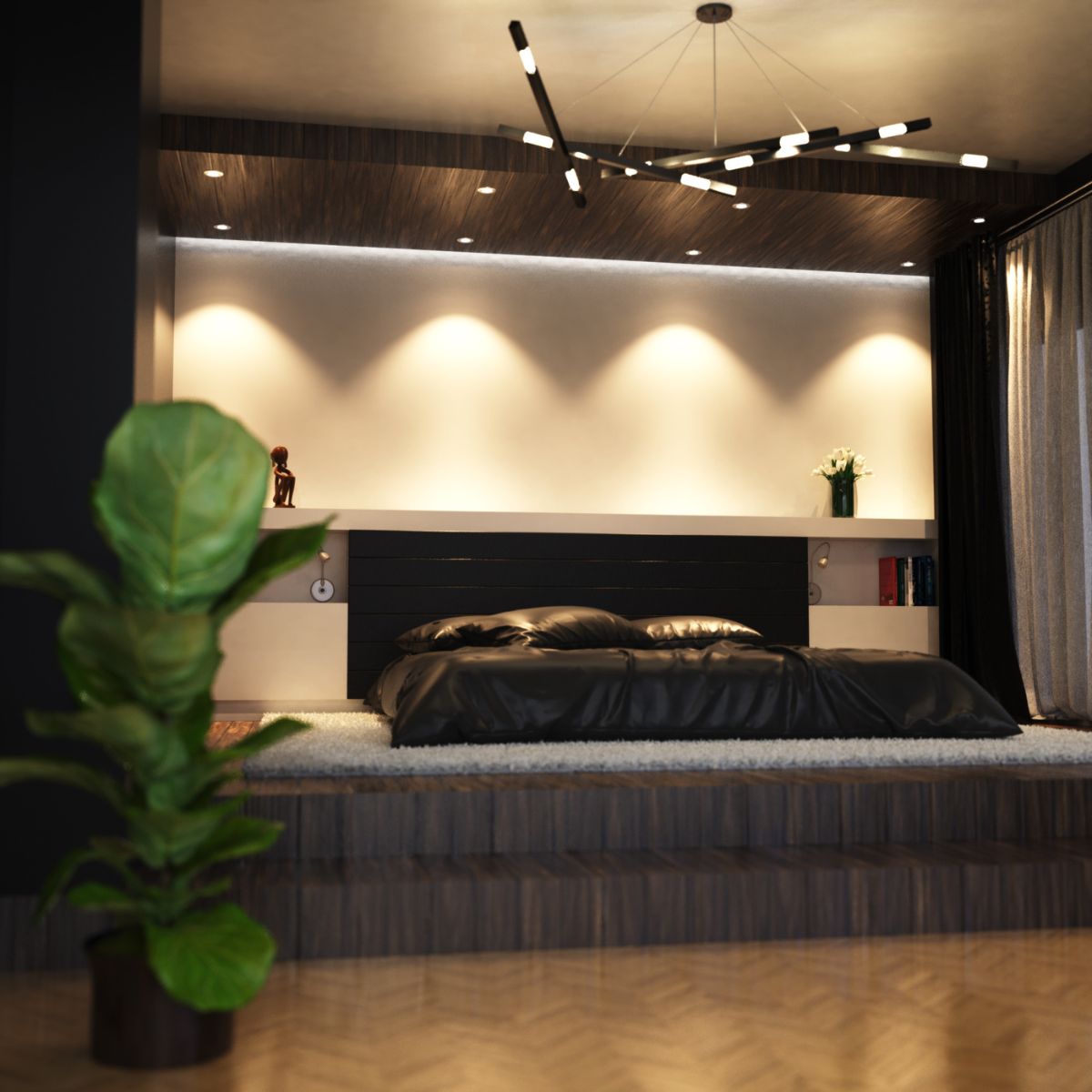
That’s why layering your light is one of the smartest energy-saving strategies you can make. Instead of relying on a single bright overhead light, combine smaller LED sources to create the right ambience for different activities.
Some layered lighting ideas:
- LED strip lights behind furniture, under cabinets, or along shelving
- Task lighting, such as desk lamps or reading lamps
- Accent lighting, such as wall washers or plinth lights
Layered lighting also allows you to create lighting “zones” in your space. For example:
- Focused task lights in the reading nook
- TV back/biased lighting for a more comfortable movie experience
- A combination of soft overheads and accent lighting for hosting guests
With zoning, you use only the light you need, which can significantly reduce electricity usage, especially during winter months.
Use Dimmable LEDs to Match Activity Levels
Dimmable LEDs let you control brightness, which in turn affects energy use. How? When you dim an LED, you’re not just lowering the light level; you’re actually using less power.
Why use dimmers with your lights?
- Relaxed evenings mean lower energy consumption.
- Custom brightness for tasks, movie nights, or festive gatherings.
- Less strain on your eyes from overly bright lights
- Dimming reduces heat output, which prolongs LED lifespan (25,000 hours? Make it 50,000!)
The truth is, you don’t always need ultra-bright lights if the occasion or activity doesn’t call for it.
Imagine turning a 10W bulb down to 50% brightness. You get a gentler, cosier glow and use roughly half the energy. Over an entire winter, those minutes and hours of dimmed lighting add up to real savings.
Smart Lighting & Scheduling for Maximum Savings
Now, take all the practical ways to reduce energy bills we’ve discussed so far and pair them with smart controls. They take everything to the next level.
Smart LED lighting is one of the most effective ways to ensure you never waste energy. App-based controls, timers, and sensors let you automate your lighting so it only runs when needed. Some practical winter examples:
- Timers that turn lights on at dusk and off before bedtime.
- Motion sensor lights in hallways and bathrooms mean no more lights are accidentally left on.
- Scenes and schedules that adjust brightness throughout the day.
- Smart dimming that automatically adjusts the lights based on natural lighting levels.
- App control for when you forget to switch the lights off.
Smart lighting takes the guesswork out of saving energy, ensuring your home stays efficient even during the longest winter nights.
Room-Specific Energy-Saving LED Strategies
Every room has different lighting needs. These tailored LED strategies can help reduce energy consumption without sacrificing comfort or visibility.
Living Rooms – Ambient Lighting That Saves Energy
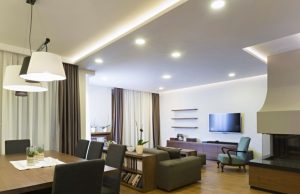
The living room is where families spend most of their winter evenings, so even minor improvements can make a big difference. The best improvement you can make? Your lighting, of course. Some ideas you can try:
- Use LED strip lights behind the TV or sofa to create soft ambient lighting and floating effects.
- Replace old ceiling bulbs with low-wattage LED downlights.
- Install wall-washing LEDs to create a cosy glow.
- Use floor-level LED plinth lights for subtle, energy-efficient illumination.
Compared to a bright, high-wattage overhead light running all evening, these combinations use far less power.
Kitchens – Task Lighting Without Wasting Power
If you love cooking, then the kitchen will be your fort during these festive times. That’s why efficient task lighting is essential. Try the following:
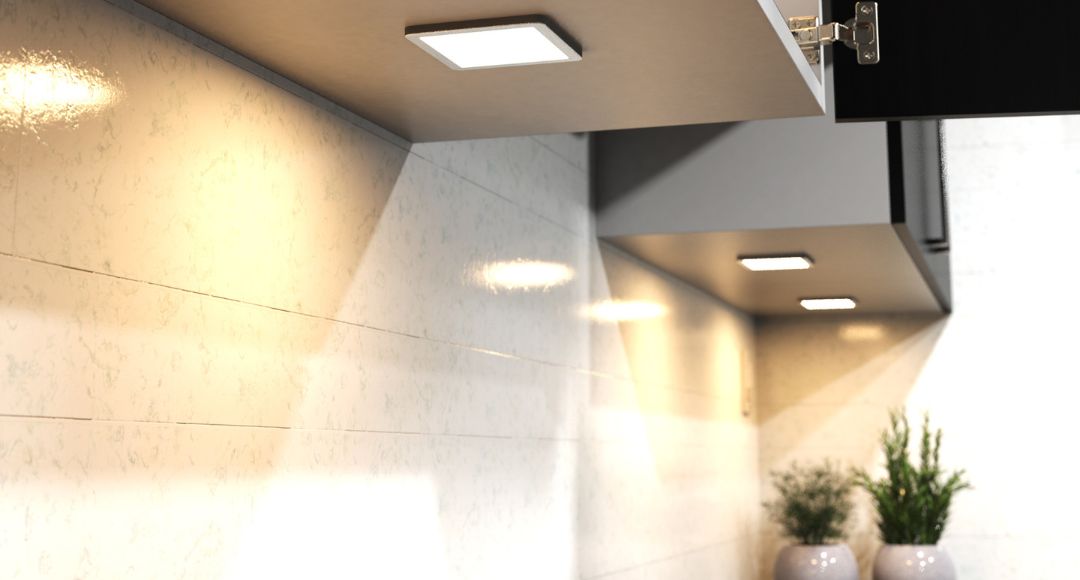
- Under-cabinet LED strips or LED neon flex to light worktops without needing the whole ceiling light.
- Adjustable ceiling panels or spotlights for focused illumination only where needed.
- Natural white LEDs (4000K) for better visibility while cooking.
Bedrooms & Hallways – Gentle Glow, Less Energy
These areas don’t require powerful lighting, especially at night. But that doesn’t mean you can just forget about them. Try these energy-saving solutions:
- LED strip lights along skirting boards.
- Motion-activated plinth lights to safely navigate hallways without lighting the whole area.
- Warm white bedside lamps instead of bright overhead fittings.
Many homeowners also install LED downlights in their bedroom for gentle, glare-free lighting. Not all lighting needs to be bright. They just need to be accommodating.
Bonus Tips to Combine LED Lighting With Other Energy-Saving Habits
LEDs do a lot of the work, but you can also do your part in maximising your winter savings. Here are some smart habits you practice:
Pair LEDs with Energy-Efficient Heating & Insulation
It doesn’t matter if you have efficient lighting if you have an energy-guzzling heating system. Make sure to:
- Improve insulation around windows and doors to reduce heat loss.
- Combine smart lighting with smart heating for unified scheduling.
- Use warm white light instead of cool white for a warmer perceived atmosphere.
This combination helps lower overall energy consumption across lighting, heating, and appliance use.
Outdoor Lighting Savings
Winter evenings can be dark and unpredictable, so outdoor lighting is vital for safety and convenience. But who says it has to be expensive?
Just make sure to use:
- IP-rated LED strips for weather-resistant path or garden lighting
- Motion sensors for driveways or porches
- Timers to prevent outdoor lights from running all night
- LED festive lights: use far less energy than traditional fairy lights
Even decorative lighting can be cost-efficient when you choose LED for your lights.
Make LEDs Part of Your Winter Savings Plan
Being in high spirits during the winter doesn’t have to mean soaring energy bills.
By switching to LED lighting, layering your light sources, using dimmers, adopting smart controls, and choosing room-specific solutions (we gave you), you can enjoy a warm, welcoming home without worrying about the cost of keeping it illuminated.
LEDs are currently the most energy-efficient light sources. Don’t miss out and maximise using them for your home. Explore the full range of LED lighting options at Simple Lighting and take the first step toward making your home more energy-efficient today!
Need more lighting ideas that don’t hurt your wallet? Winter Home Lighting Ideas for a Warm, Cosy and Efficient Home has everything you need.