



What are Lumens and Watts?
Most people interchange the two and consider them derivatives of brightness. However, it’s a misconception that watts and lumens are the same.Understanding Watts
Watts or wattage measures power. When you check the technical specification, watts represent how much energy the fixture consumes. If watts quantify power, how was it confused with brightness? Traditional light fixtures like incandescent bulbs use watts to estimate brightness. Conventional lights need an enormous amount of power to produce substantial illumination. Because of this, the amount of power was associated with the amount of light. However, this concept could not be applied when the invention of LED lighting came to pass. LEDs are known for being energy efficient, so the amount of power they consume does not equate to the brightness they produce.Understanding Lumens
Lumens measure brightness. When purchasing an LED bulb, it is critical to check the lumens count to determine whether the brightness level is enough for your intended application. An LED bulb may only consume 5w of power but can produce 450 lumens of brightness. To get the actual representation of the brightness you can get, focus your attention on the lumen count instead of watts.
The Shift from Watts to Lumens in LED Lighting
Why was there a switch from watts to lumens in terms of brightness with LED lights? As mentioned, LED lighting uses less power. However, even if it does have a lower power consumption, it can still produce the same brightness as incandescent bulbs and halogen bulbs. For example, there’s a bulb that produces 250 lumens. An LED bulb would only require 2 to 3 watts to produce that brightness. However, an incandescent bulb would need 25 watts, and a halogen bulb would need 18 watts to make the same amount of brightness. Because LED lighting is energy-efficient, it is not justifiable to still use watts to determine brightness.How Many Lumens Do You Need?
When lighting a space, you always ask, "How many lumens do you need?" Here's what you need to know!Lighting by the Room
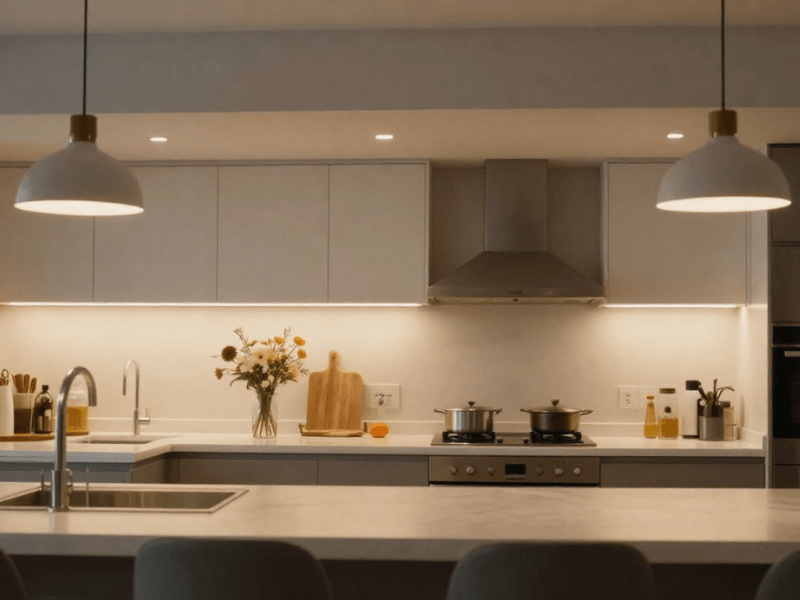
Different areas will have varying lighting requirements, so here’s a breakdown!- Kitchen: 2000 – 4000 lumens
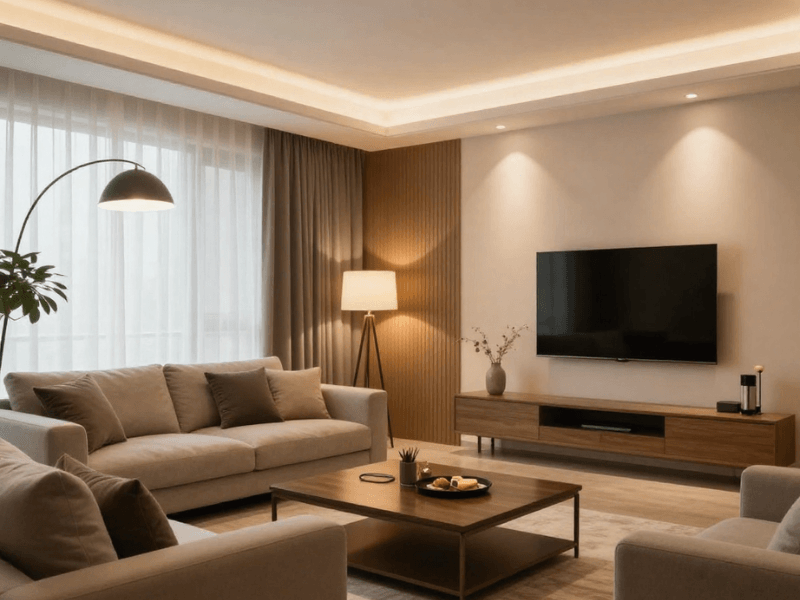
- Living Room: 1500 – 3000 lumens
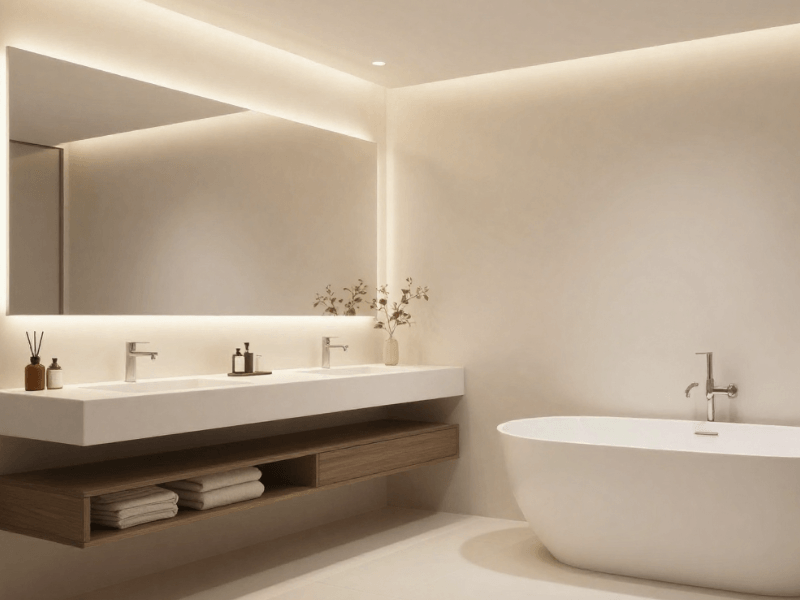
- Bathroom: 2000 – 4000 lumens
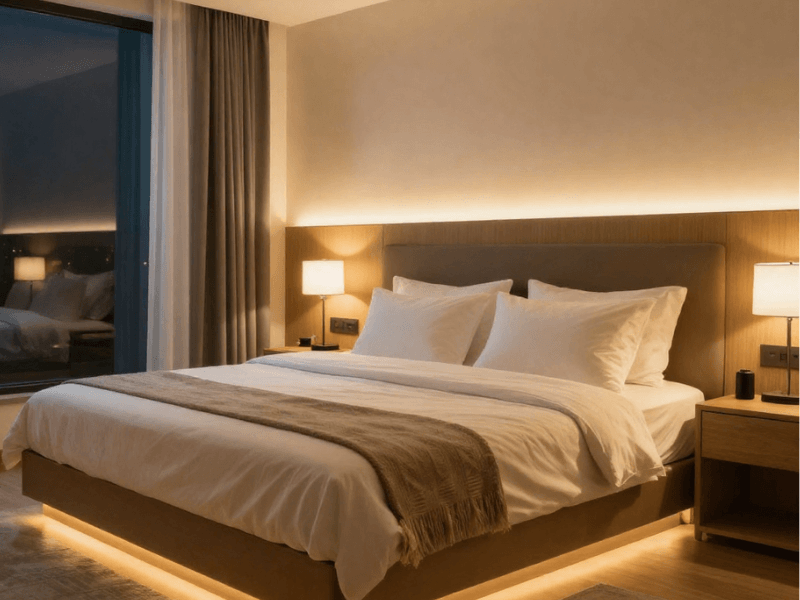
- Bedroom: 2000 – 4000 lumens
Task vs Ambient Lighting
Apart from the space's overall lighting requirement, the brightness level also differs depending on the purpose of the fixtures. Here’s a rundown!- Task Lighting: It allows you to carry out tasks with ease. So, for activities like reading, your task lighting should have at least 450 to 800 lumens.
- Ambient Lighting: It provides the overall illumination for the space. You should have at least 400 – 800 lumens with your primary ceiling fixtures.
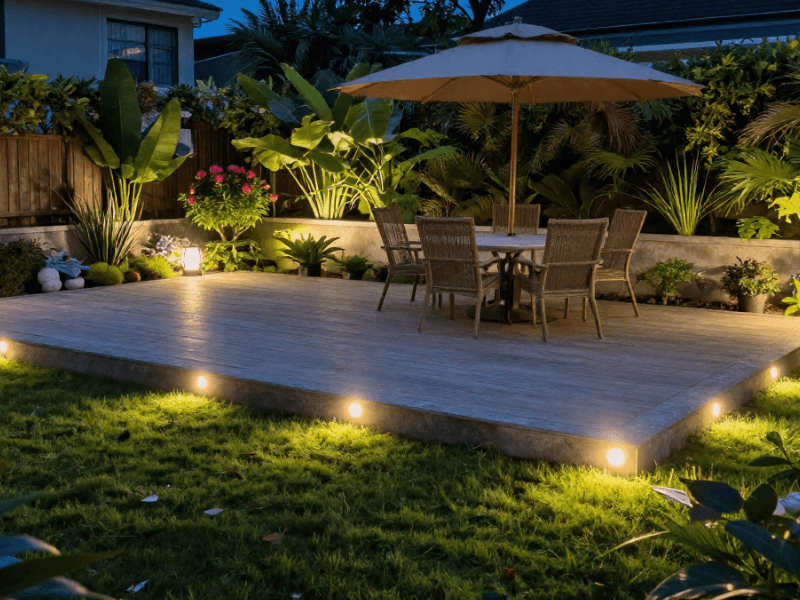
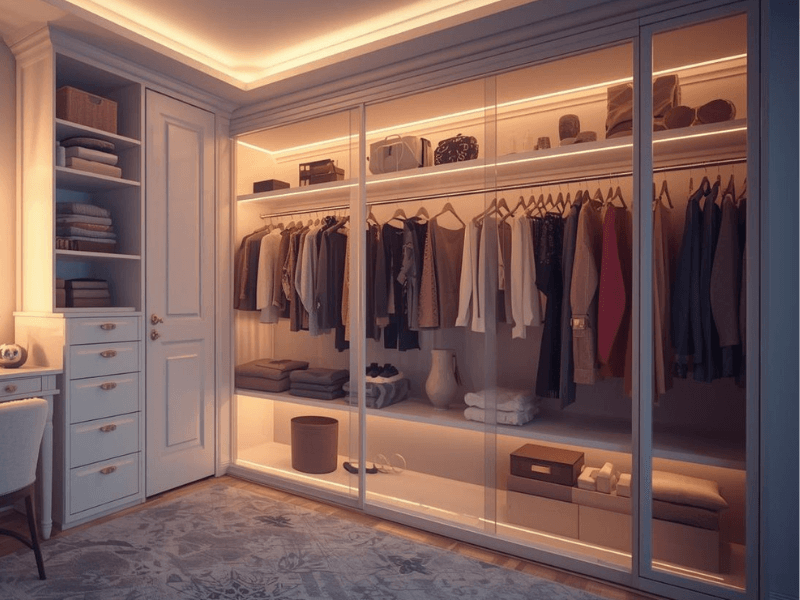
- Accent Lighting: It draws your attention to specific spots. For this layer, you should have about 200 – 400 lumens to make your artwork or architectural features stand out!


0 comments