
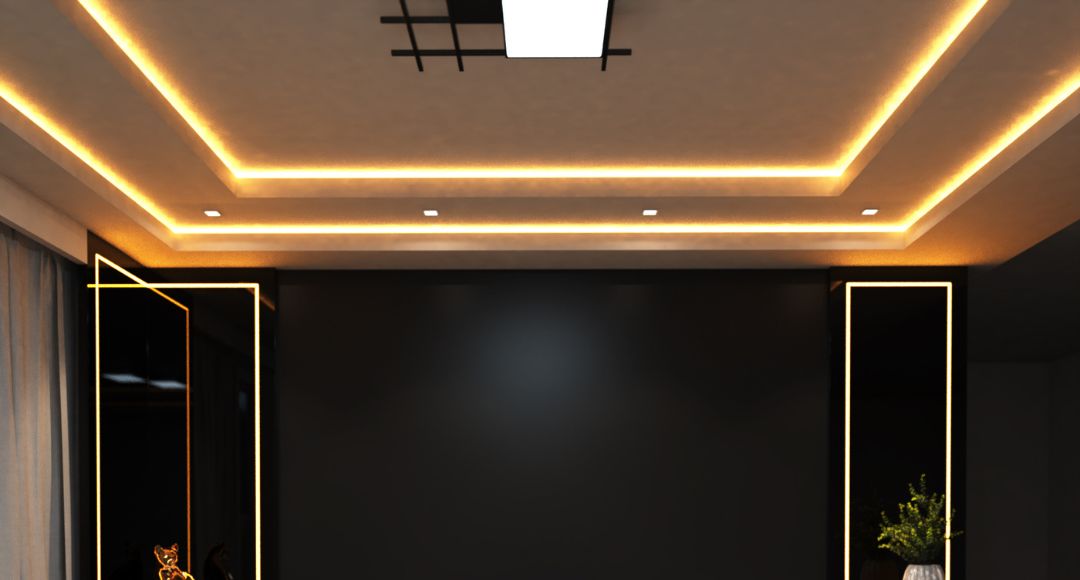
Winter is here, and that means shorter days and longer nights. Which also means that you’ll be relying on artificial lights more than usual. This is the season when it’s more lovely to stay indoors, craving warmth, comfort, and calm. And that’s where lighting steps in.
Lighting plays a huge role in creating that cosy winter feeling we all long for, not just in how bright a room feels, but in how welcoming and relaxing it becomes.
Did you know that by combining downlights, lamps, and LED strips, you can create layered lighting that makes your home feel like a soft, warm retreat from the cold outside?
Why Winter Lighting Needs a Layered Approach
As we’ve said earlier, during winter, natural daylight becomes limited, especially in the late afternoons and evenings. Rooms that felt bright and airy in summer can quickly feel gloomy, flat, and uninviting in the winter.
This is where layered lighting becomes essential. Instead of relying on a single central light, layering uses:
- Ambient lighting for general brightness
- Task lighting for focused activities
- Accent lighting for warmth and visual appeal
By mixing different light sources, you create depth, softness, and character. What this lets you do is tailor each room’s lighting to match the time of day, activity, and mood at the moment.
Ambient Lighting – The Foundation of Cosy Winter Spaces
Ambient lighting forms the backbone—nay, the foundation—of your winter setup, providing the primary source of light across a room. Downlights are ideal for this role.
When installed evenly across ceilings, they deliver uniform, energy-efficient illumination that brightens a space without taking up too much space like large fittings.
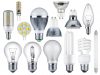
Modern LED downlights use far less electricity than older halogen or incandescent bulbs while producing a soft, comfortable light. To make ambient lighting more winter-friendly, choose dimmable downlights.
These are great since they:
- Brighten rooms during darker mornings and evenings
- Lower light levels at night for a softer, more relaxed feel
- Save energy by only using as much light as you need
Remember that you don’t always need ultra-bright lights, which means your fixtures don’t always need to work so hard. Dimming solves this. A gently dimmed room on a winter evening? Creates that classic winter atmosphere: warm, calming, and inviting.
Task Lighting – Focused Illumination for Activities
Task lighting is your lights for, well, your tasks. This type of fixture focuses light exactly where you need it. In winter, this becomes even more important because tired eyes and darker rooms make activities feel more challenging.
Lamps are the most flexible way to add task lighting. They’re perfect for:
- Reading beside the sofa or bed
- Desk work or studying
- Kitchen corners or counters
Here are a few tips when getting your task lights:
1. Choose lamps fitted with warm white LED bulbs to avoid harsh, blue-toned light. Why? Warm white tones help maintain a relaxed feel, especially in winter evenings, supporting your body’s natural wind-down process while still giving you clear visibility.
2. Adjustable lamps with angled heads or dimming features offer even more control, helping you focus light exactly where you need it without brightening the whole room unnecessarily.
Accent Lighting – Adding Depth and Warmth
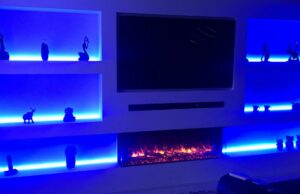
Accent lighting is where winter spaces truly come alive. LED strip lights are perfect for this. They’re incredibly versatile and perfect for adding depth, warmth, and visual interest.
They work beautifully when installed:
- Along shelves and inside alcoves
- Behind TVs to reduce screen glare (bias lighting)
- Kitchen under cabinet lighting
- Along skirting boards or stair edges
Accent lights aren’t meant to light up the whole room. They’re made to add a soft glow that highlights architectural features and creates a gentle, cosy ambience. It gives rooms a layered, high-end feel without overwhelming the space.
In winter, accent lighting makes your home feel warmer and more inviting, even on the darkest evenings.
Choosing the Right Fixtures for Each Room
Layered lighting works best when it’s tailored to how each room is used. Here’s how to combine downlights, lamps, and LED strips room by room.
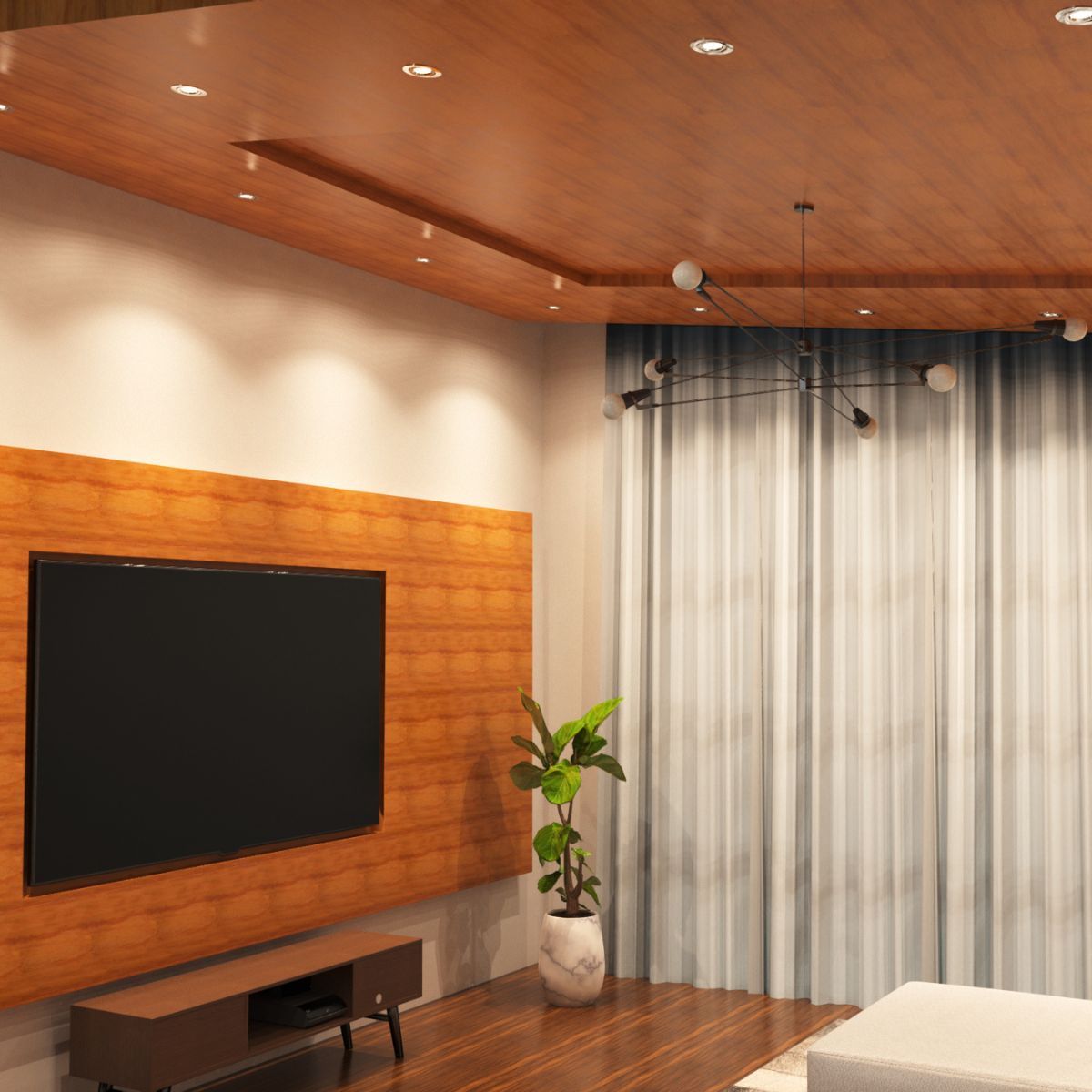
Living Rooms – Balance Ambience and Function
Living rooms are multipurpose spaces. So they need to shift easily between practical brightness and relaxed comfort.
- Use dimmable downlights as your main ambient lighting for even coverage that gives you full control.
- Add table or floor lamps near sofas or armchairs to create cosy reading corners.
- Use LED strip lights behind TVs, shelving, or fireplaces to introduce warm accent light.
This combination lets you move from bright family evenings to calm, softly lit winter nights with ease. And with smart lighting, with a tap on your smartphone.
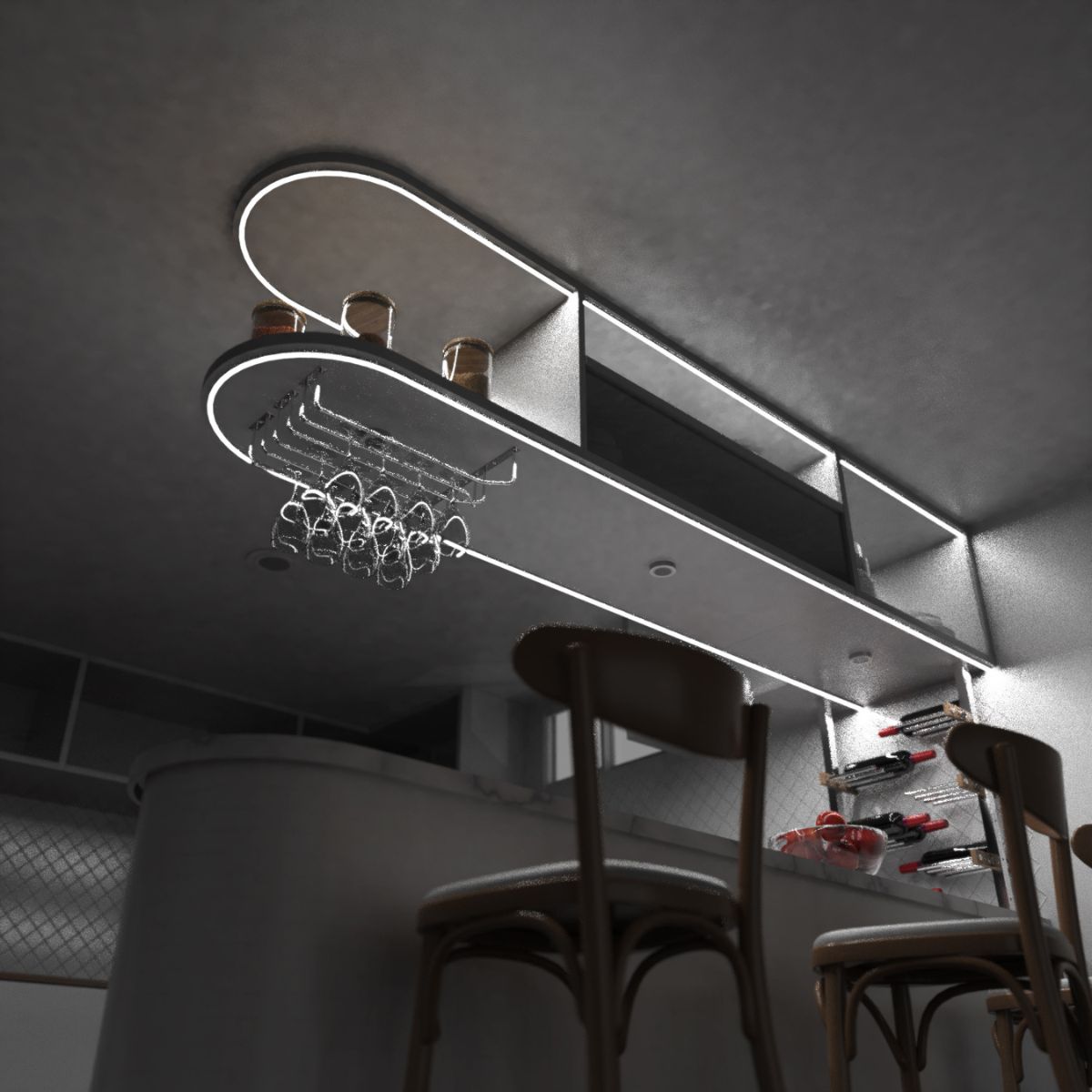
Kitchens – Bright Yet Comfortable Lighting
Kitchens need clear, practical lighting, but harsh brightness can feel uncomfortable in winter.
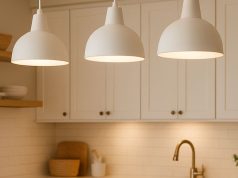
- Install ceiling downlights for overall visibility.
- Use under-cabinet LED strips to illuminate worktops and prep areas without shadows.
- Choose warm white LEDs to soften the feel of the space, especially during evening cooking.
This approach keeps the kitchen functional while maintaining a welcoming, homely atmosphere.
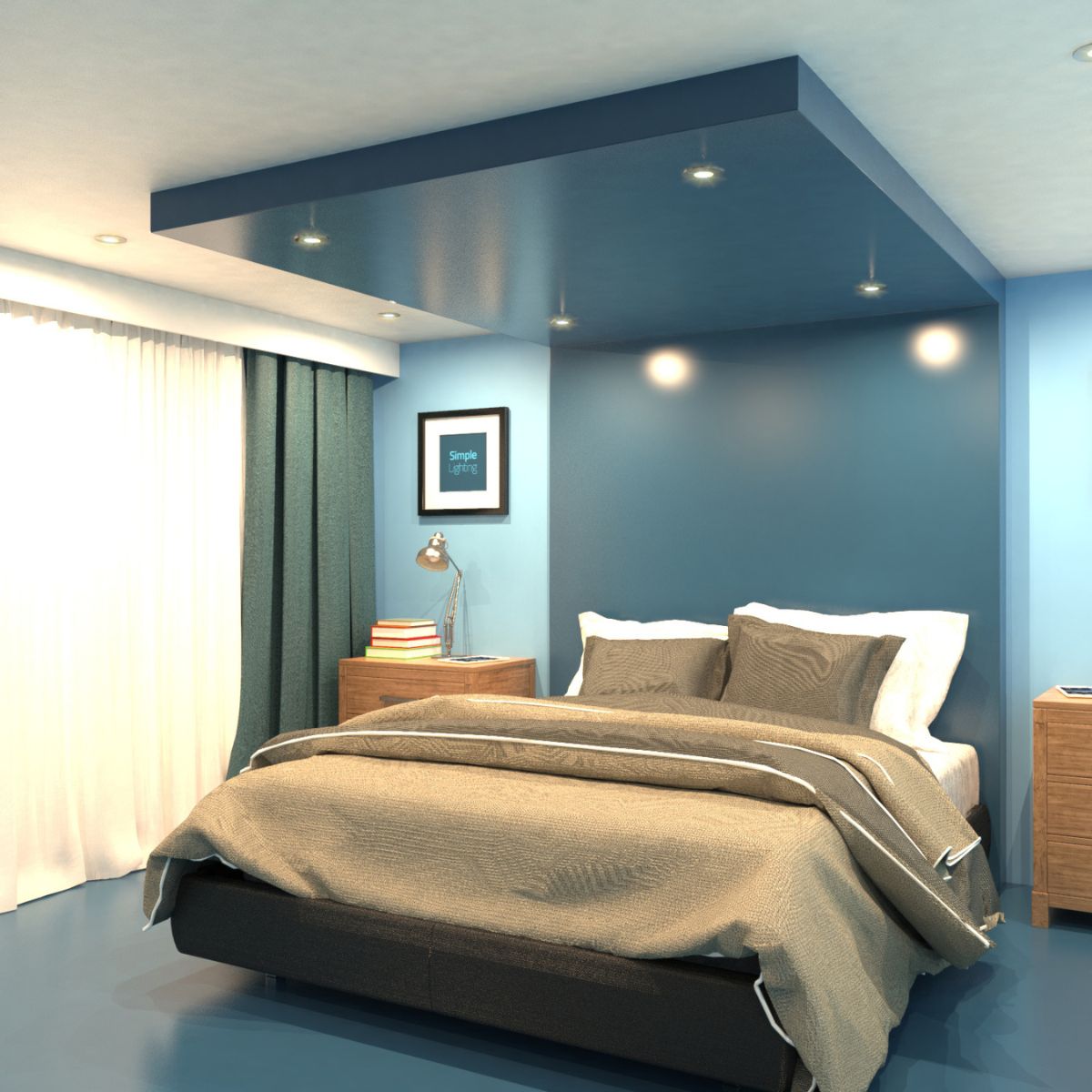
Bedrooms – Soft, Relaxing Glow
Bedrooms should feel calm and gently lit, especially in winter when you want to escape the cold and relax under the warmth your blankets provide.
- Use bedside lamps with warm, dimmable bulbs for reading or winding down.
- Add LED strip lighting under beds, behind headboards, or along wardrobes for subtle mood lighting.
- Keep downlights minimal and softly dimmed to avoid harsh overhead brightness.
The goal is a gentle, layered glow that encourages rest and relaxation.
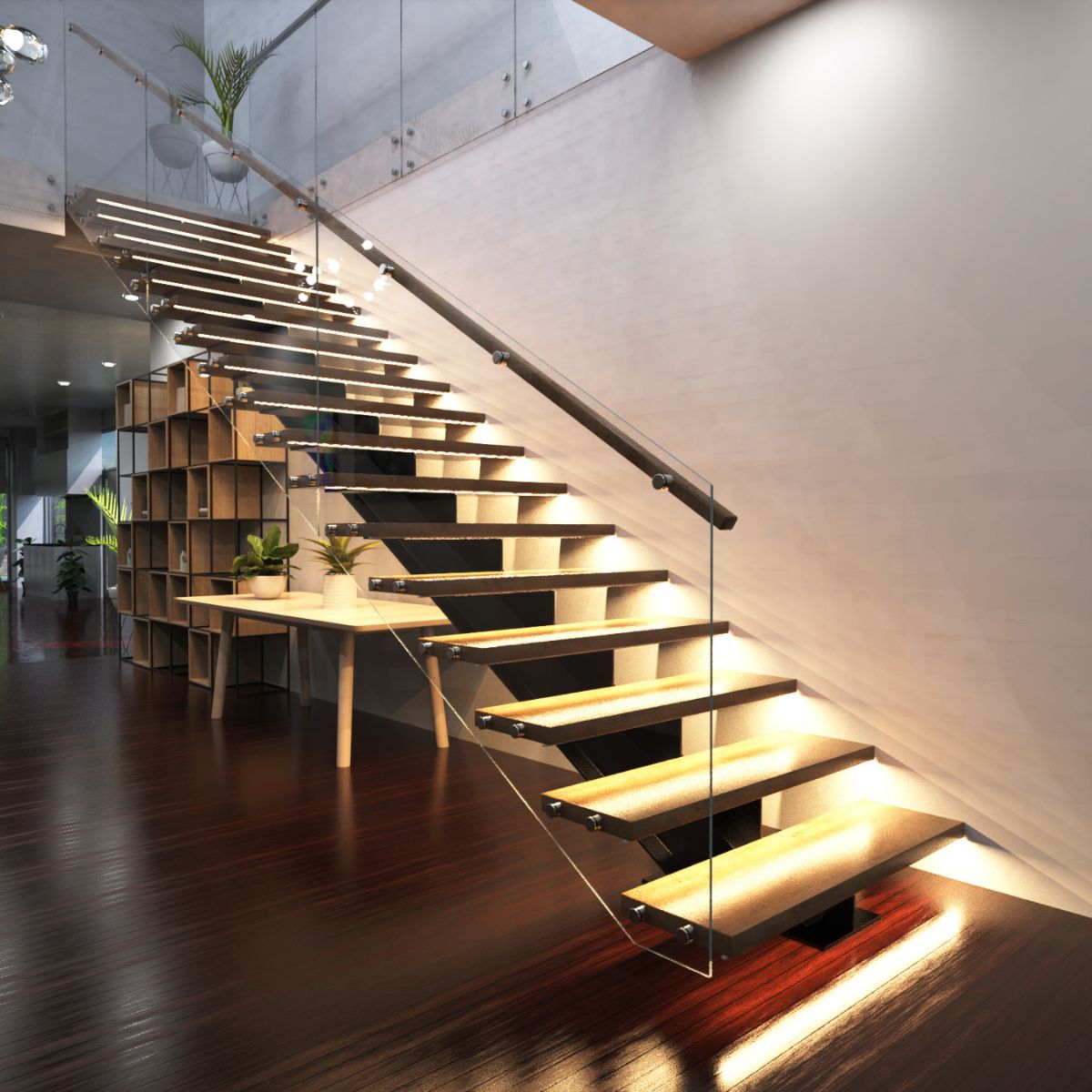
Hallways & Staircases – Safe and Inviting
These areas are often overlooked when it comes to lighting, but become especially important on dark winter evenings. They create the first impression for your home.
- Add LED strip lighting along steps, under handrails, or skirting for both safety and style.
- Position downlights at regular intervals to create even illumination without glare.
These simple additions make your home feel more welcoming the moment you come through the door, all while improving the space’s visibility and safety.
Layering Techniques to Enhance Cosiness and Energy Efficiency
Layered lighting doesn’t just make your home more comfortable; it also helps reduce energy usage by giving you more control.
Dimming for Mood and Energy Savings
Dimmable LEDs are one of the most effective tools for winter lighting. By reducing brightness when full light isn’t needed, you can lower electricity consumption, extend bulb lifespan, and create a warmer, more relaxing atmosphere.
In the evenings, a softly dimmed room feels far more inviting than a fully lit one, helping you unwind after long winter days.
Zoning Rooms for Maximum Comfort
Zoning is dividing rooms into smaller, functional lighting areas (called zones) so you’re only lighting what you’re actually using. For example:
- A reading nook with a floor lamp
- A dining area with pendant or downlights
- A lounge corner with accent LED strips or LED Neon Flex
This reduces wasted energy and makes each part of the room feel purposeful and cosy without overcrowding the space with fixtures.
Accent Placement to Highlight Features
Strategic placement of LED strips can dramatically enhance a room without increasing overall brightness and making the space clinical. Use them to:
- Highlight architectural details like alcoves or beams
- Draw attention to artwork or furniture
- Add depth behind shelves or cabinets
Pair these with reflective surfaces, such as mirrors, metallic finishes, or glossy walls, to bounce light farther around the room. This maximises light output without increasing energy consumption.
Colour Temperature & LED Selection Tips
Did you know? Light colour has a massive impact on how a room feels, especially in winter.
Warm white LEDs (2,700K–3,000K) are ideal for winter because they:
- Mimic the comforting glow of traditional bulbs
- Create a relaxed, cosy atmosphere
- Help rooms feel warmer and more inviting
Different rooms can benefit from slightly different tones:
- Kitchens: Warm white, but towards the brighter end of the range for clarity in food prep and cooking.
- Living rooms: Soft, warm white for relaxation.
- Bedrooms: The warmest tones for calm and comfort.
Always check that your chosen LEDs are compatible with dimmers and smart controls to avoid flickering and ensure smooth performance.
Smart Controls & Automation for Winter Comfort
Smart lighting makes layered winter lighting even easier to manage, letting you control comfort and efficiency with minimal effort.
Timers & Motion Sensors
Smart plugs, built-in timers, or motion sensors help eliminate wasted energy. They’re perfect for:
- Utility rooms or cupboards
- Hallways that don’t need lights on constantly
- Outdoor lighting or porch areas
Lights only activate when needed, keeping your home efficient without compromising comfort.
App-Based Control & Scene Settings
Smart lighting apps allow you to build custom “scenes” that adjust multiple lights at once. For example, an “Evening Relax” scene could:
- Dim downlights to a soft level
- Turn on LED strips for ambient glow
- Switch lamps to a warmer, lower brightness
With one tap, your home transforms into a cosy winter retreat.
Transform Your Winter Home with Layered Lighting
Winter nights are cold, long, and dark. But winter lighting isn’t just about brightness. It’s about creating a home that feels warm, comforting, and beautifully balanced through the darkest months of the year. By simply combining:
- Downlights for even ambient light
- Lamps for focused task lighting
- LED strips for soft accent glow
…you can build a layered lighting scheme that instantly improves comfort, saves energy, and enhances the look of every room. The result? A home filled with soft glow, warm ambience, and a truly cosy winter retreat feel.
Ready to upgrade your winter lighting? Explore Simple Lighting’s range of downlights, lamps, and LED strip lights to start transforming your home today.
And don’t forget to check out Winter Home Lighting Ideas for a Warm, Cosy and Efficient Home for more winter lighting ideas.