











Kinetic Switches
Kinetic switches give you wireless lighting control. Each press creates the energy you need to send a signal to a compatible receiver. It offers easy-to-use, battery-free control with no wiring required for installation. They're suitable for homes, commercial spaces, renovations and extensions.
At Simple Lighting, we have a wide collection of kinetic switches, receivers and complete kits. You'll also benefit from over 14,000 five-star reviews and free UK delivery if you order products worth over £75.
Filters
Sort Most relevant
-
 In Stock
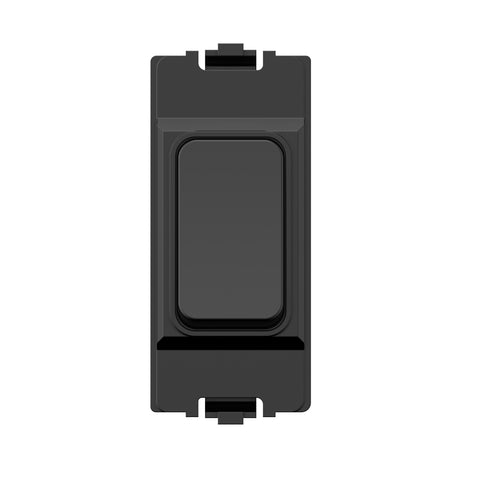
Kinetic Grid Switch - 1 Gang Wireless, Fits MK Grid Plates (Black)
£19.79INC VAT -
 In Stock
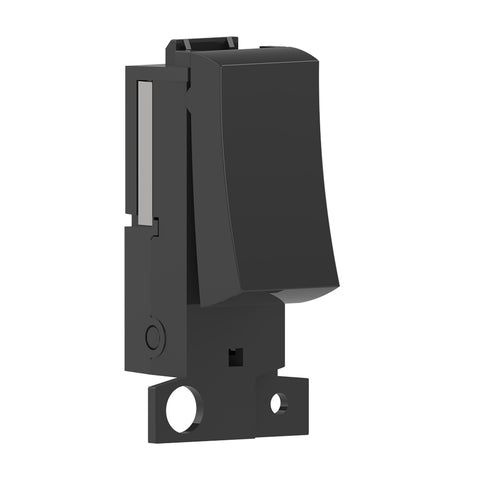
Kinetic Grid Switch - 1 Gang Wireless, Fits Standard Mini Grid Plates (Black)
£19.79INC VAT -
 In Stock
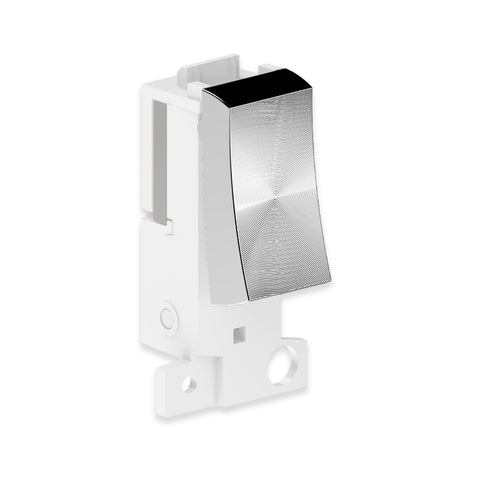
Kinetic Grid Switch - 1 Gang Wireless, Fits Standard Mini Grid Plates (Satin Chrome)
£24.75INC VAT -
 In Stock
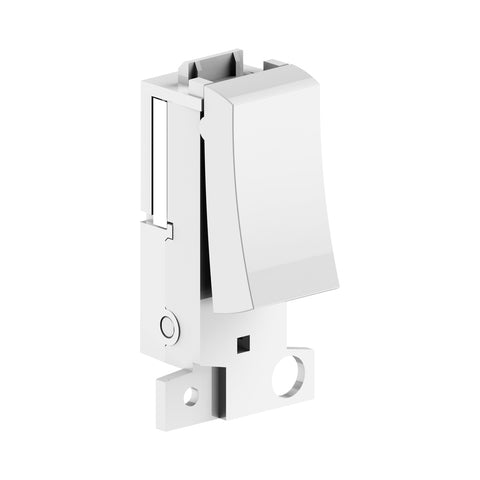
Kinetic Grid Switch - 1 Gang Wireless, Fits Standard Mini Grid Plates (White)
£19.79INC VAT -
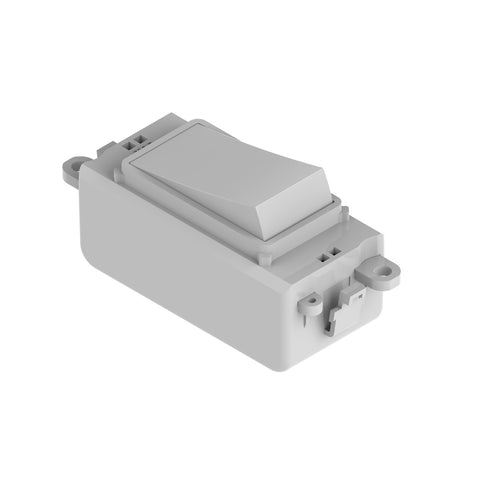 In Stock
Kinetic Grid Switch - 1 Gang Wireless, Polar White PRO Range
£19.79INC VAT -
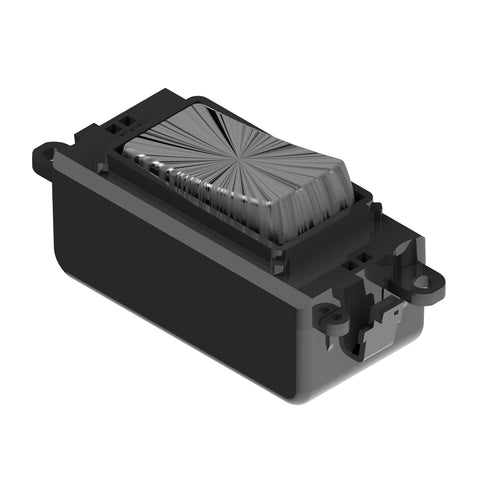 In Stock
Kinetic Grid Switch - 1 Gang Wireless, Satin Chrome PRO Range
£24.75INC VAT -
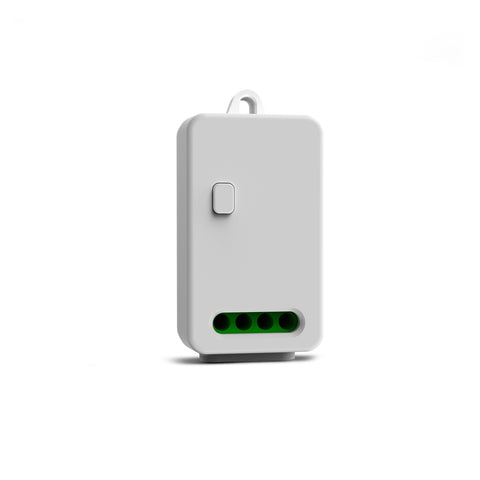 In Stock
Kinetic Switch Receiver - 10A Non-Dimmable, High Load 433MHz RF
£22.25INC VAT -
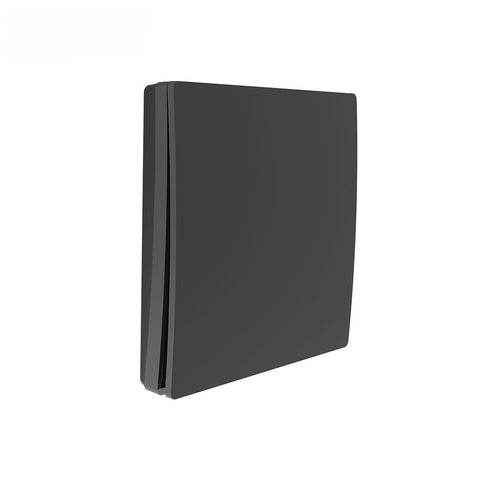 In Stock
Wireless Kinetic Light Switch - 1 Gang, No Battery No Wiring (Black)
£22.25INC VAT -
 In Stock
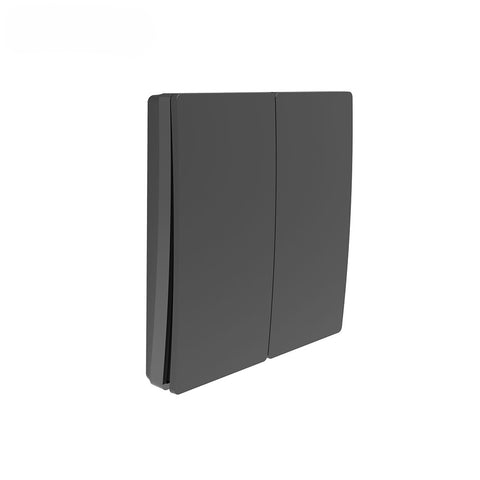
Wireless Kinetic Light Switch - 2 Gang, No Battery No Wiring (Black)
£25.95INC VAT -
 In Stock
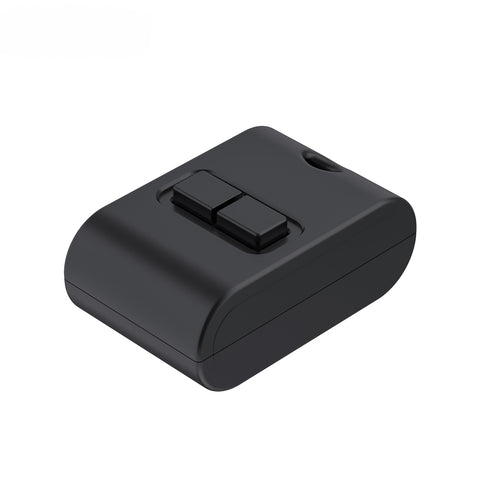
Wireless Kinetic Mini FOB Switch - 2 Gang, No Battery No Wiring (Black)
£22.25INC VAT -
 In Stock
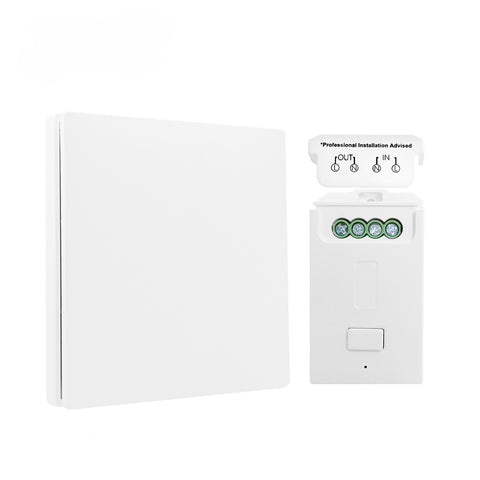
Wireless Kinetic Switch Kit - 1 Gang Switch & 1.5A Dimmable WiFi Receiver
£50.05INC VAT
Frequently Asked Questions
Do kinetic switches need batteries?
No, kinetic switches are completely battery-free. Each press of the switch generates a small amount of electricity from the movement itself, which instantly powers the wireless signal sent to the receiver. This means no batteries to replace and no running costs to worry about.
Do I need an electrician to install a kinetic switch?
Installing the receiver does require a qualified electrician, as it needs to be wired into your lighting circuit. However, the kinetic switch itself requires no wiring at all, so once the receiver is in place, you can position the switch wherever suits you without any further electrical work.
What is the difference between a dimmable and non-dimmable kinetic switch receiver?
A non-dimmable receiver simply turns your lights on or off, while a dimmable receiver lets you adjust the brightness level too. If you want dimming control, you will also need to make sure your light fittings and bulbs are compatible with dimming, otherwise a non-dimmable receiver is the simpler and more affordable choice.
Can kinetic switches work with Alexa or Google Home?
Some of the kinetic switch receivers available at Simple Lighting are WiFi-enabled and compatible with Alexa and Google Home. The Mini Kinetic Switch Receiver range includes both dimmable and non-dimmable WiFi options that support smart home voice control, giving you even more flexibility over how you manage your lighting.
How far can a kinetic switch signal reach?
Most kinetic switches have a wireless range of up to 20 metres indoors and over 80 metres in open outdoor spaces. Walls, ceilings and other obstructions can reduce the indoor range slightly, but for the vast majority of home and commercial installations this is more than sufficient.
What is a kinetic switch kit and is it a good option for beginners?
A kinetic switch kit bundles a switch and a compatible receiver together, so you know everything will work straight away without needing to match components yourself. Simple Lighting offers kits in both dimmable and non-dimmable versions, making them a great starting point if you are new to wireless lighting control.
Can I control multiple lights from one kinetic switch?
Yes, depending on the receiver you choose, a single kinetic switch can be set up to control multiple lights on the same circuit. If you want to control separate circuits independently, a 2-gang or 3-gang kinetic switch lets you manage each one from a single faceplate using individual switch buttons.
What is a kinetic mini FOB switch and when would I use one?
A kinetic mini FOB switch is a compact, handheld version of a kinetic switch that works in the same battery-free, wireless way. It is a handy option when you want portable control, for example if you need to operate lights from a desk, bedside table or any location where a wall-mounted switch would not be practical.