


- 10w GU10 LED Bulb, Samsung LED Chips
- 7.5w GU10 LED Spotlight With Samsung Chip & 5 Year Warranty
- 6.5w Dimmable GU10 LED Bulb, Samsung LED Chip & 5 Year Warranty
- Pack of 50 Recessed GU10 Spot Light in White Finish
Understanding the Brightness of LED GU10 Bulbs
How can you determine if a GU10 bulb is bright? What aspects should you check and compare to ensure you have the brightest fixture? The factors that you need to look at are lumens, colour temperature, and beam angle. Here's why!Lumens
Lumens is the total measure of visible light from a light source to a human's eye. The higher the lumen count of an LED bulb, the brighter the light it produces. Make sure to distinguish wattage from lumens because they are two different units of measurement. If lumens determine brightness, wattage refers to power. Traditional light fixtures' brightness is equated to wattage because they are still inefficient. They consume significant power to produce sufficient illumination since most of the energy is being transformed to heat rather than light. That's not true with LED lights, which are the opposite. Most electrical consumption becomes light, with a tiny portion ending up as waste. Because of this, even if a GU10 LED bulb is only 10w, it can produce 1000 lumens!Colour Temperature
Colour temperature describes the appearance of light emitted by a light bulb. There are three primary LED colours that you’ll encounter: cool white (6000K), natural white (4000K), and warm white (3000K). So, why does it affect the brightness of the light? Even if the bulb has the same lumens, your perception of brightness can vary depending on the colour. You’ll find cool white to be the brightest, natural white a runner-up and warm white the least.
Cool white light is on the cooler end of the colour temperature spectrum. It has a crisp bluish tone, giving you an impression of a more vivid environment. Typically, this colour is used for task lighting since it can create brilliant surroundings suitable for work!
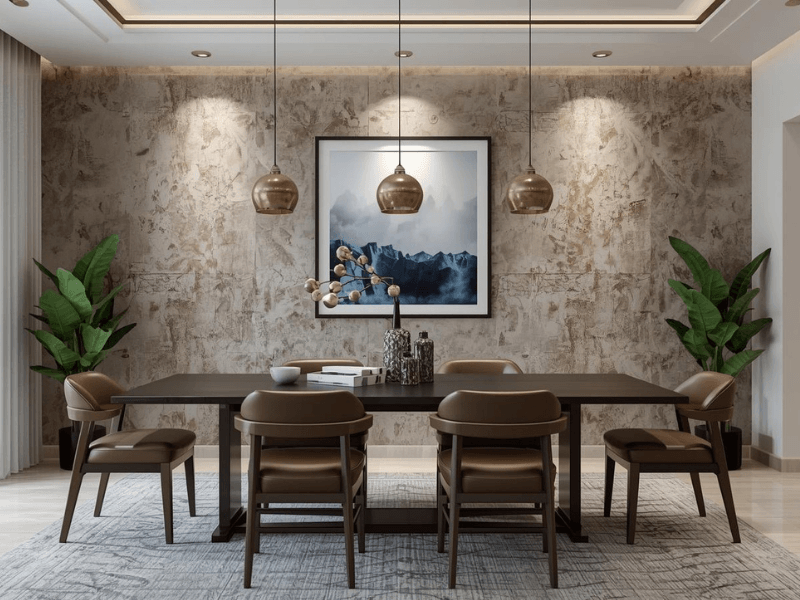
On the other hand, natural white light sits at the centre of the spectrum and has no hints of blue or yellow. It resembles a cloudless sunny day and is also used for task lighting. The difference between cool white and natural white is that cool white has a bluish undertone, so some find it too clinical when added to a room. Alternatively, natural white light is bright but on a much calmer side.
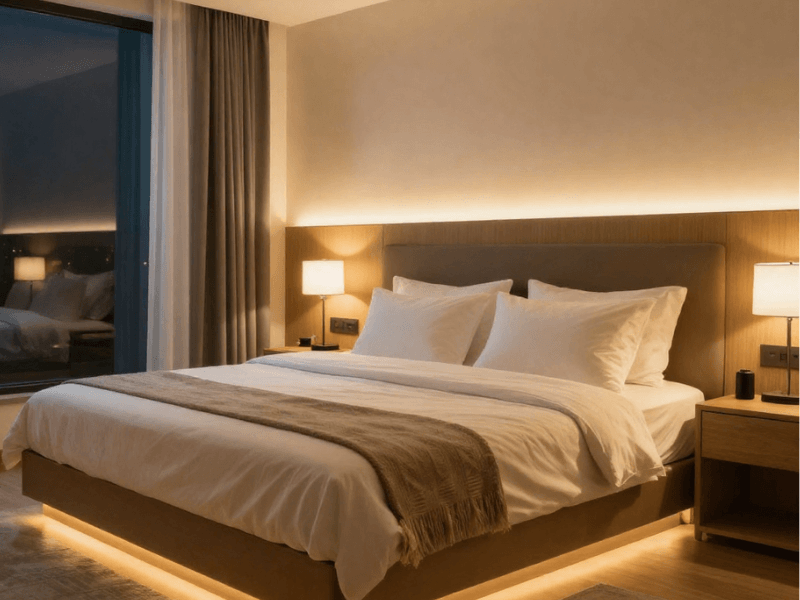
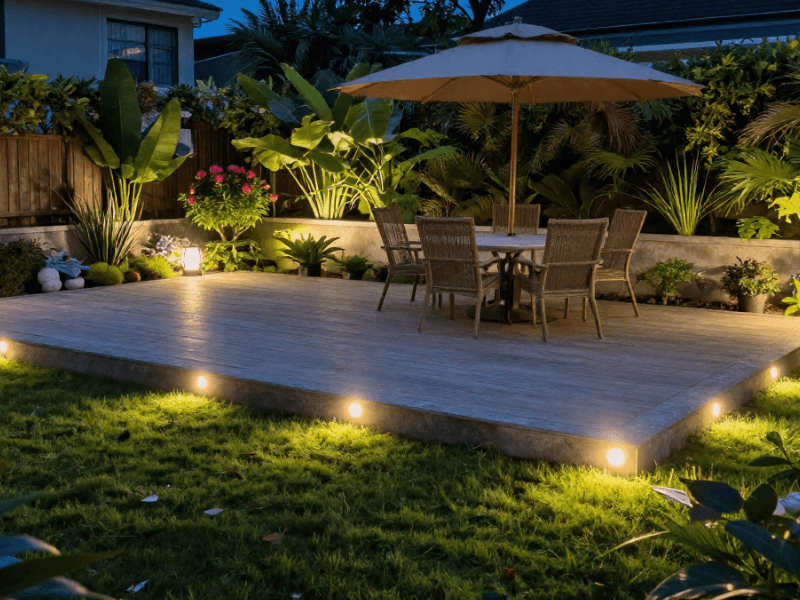
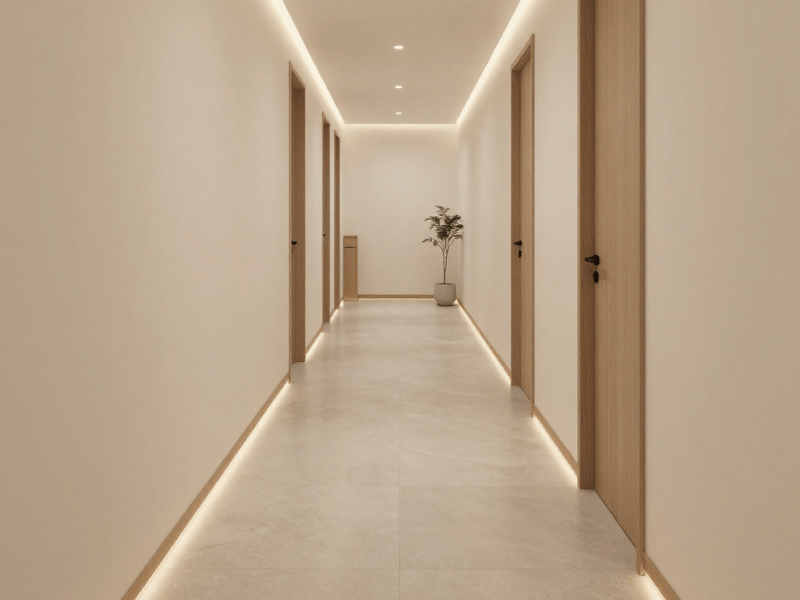
As for warm white light, it's on the warmer end of the spectrum and has a yellowish shade. Unlike the first two, this LED colour is mainly used for ambient or accent lighting. Warm white can introduce a relaxing atmosphere, so it's a popular choice for bedrooms and living rooms!
Even if the bulb has the same lumens, your perception of brightness can vary depending on the colour. You’ll find cool white to be the brightest, natural white a runner-up and warm white the least.
Cool white light is on the cooler end of the colour temperature spectrum. It has a crisp bluish tone, giving you an impression of a more vivid environment. Typically, this colour is used for task lighting since it can create brilliant surroundings suitable for work!
On the other hand, natural white light sits at the centre of the spectrum and has no hints of blue or yellow. It resembles a cloudless sunny day and is also used for task lighting. The difference between cool white and natural white is that cool white has a bluish undertone, so some find it too clinical when added to a room. Alternatively, natural white light is bright but on a much calmer side.
As for warm white light, it's on the warmer end of the spectrum and has a yellowish shade. Unlike the first two, this LED colour is mainly used for ambient or accent lighting. Warm white can introduce a relaxing atmosphere, so it's a popular choice for bedrooms and living rooms!
Beam Angle
A beam angle is an angle at which the light is cast. The wider the angle, the more dispersed the illumination. The narrower the angle, the more concentrated the luminance. There might be a time when you have the same lumens, but a smaller beam angle will appear more robust, while a bigger beam angle is more subdued.Comparing Brightness Levels
Based on the GU10 bulbs I recommended earlier, how bright are they if you compare them based on the factors above? Let’s dive a little deeper into each!


0 comments