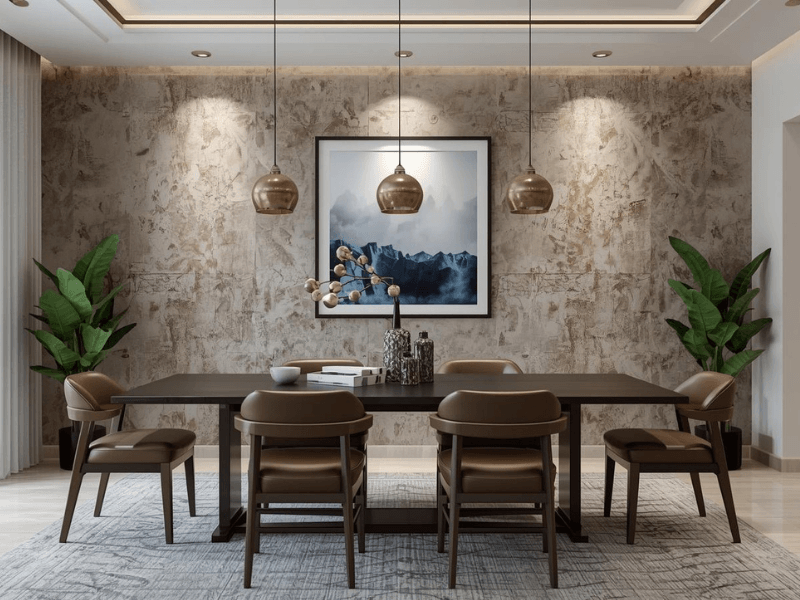
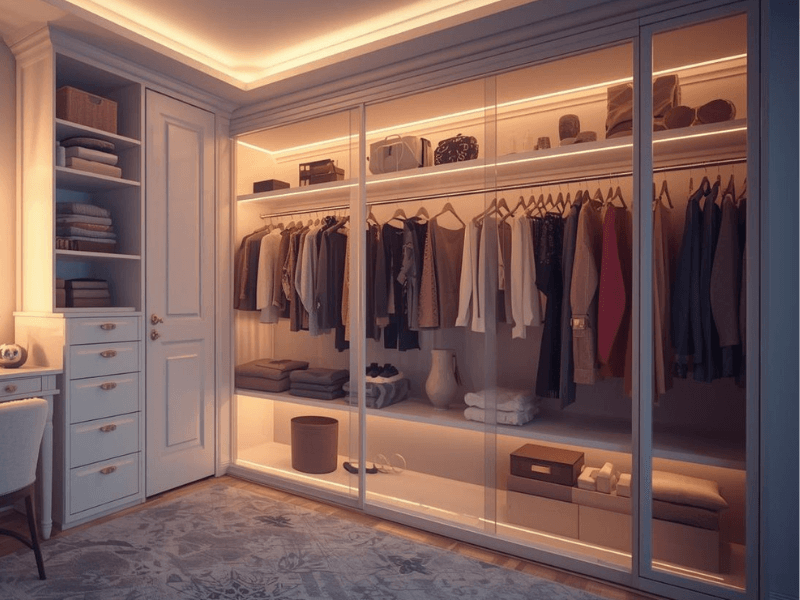
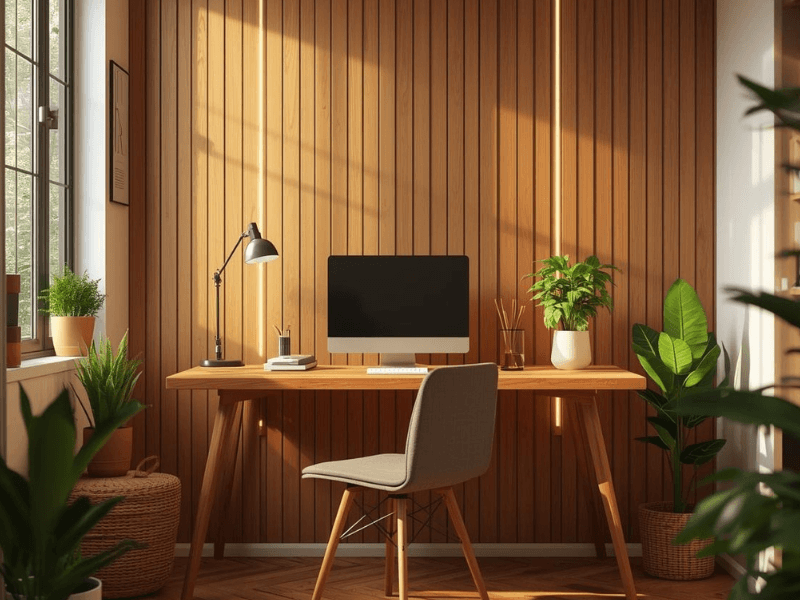
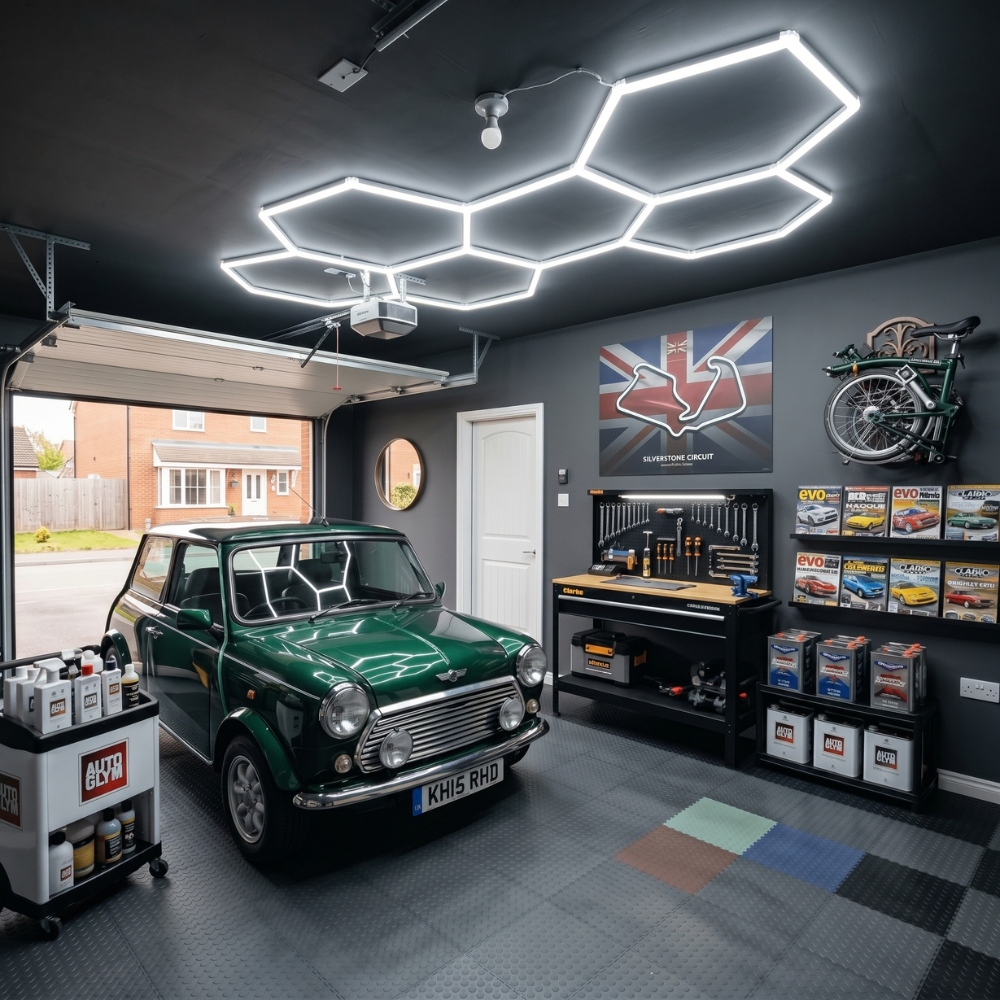

Types of LED Downlights
You can find many types of downlights, each with its own benefits and distinct features. Here are the most common categories:IP20 Fixed LED Downlights
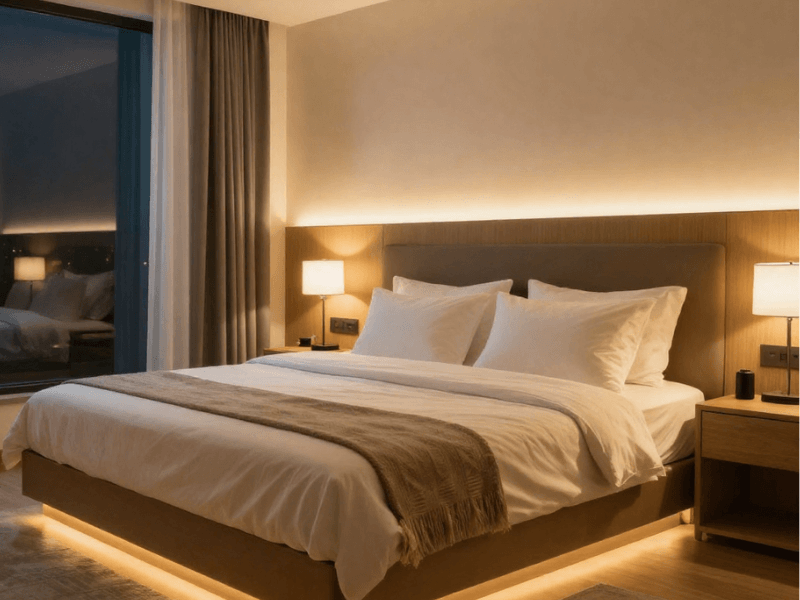
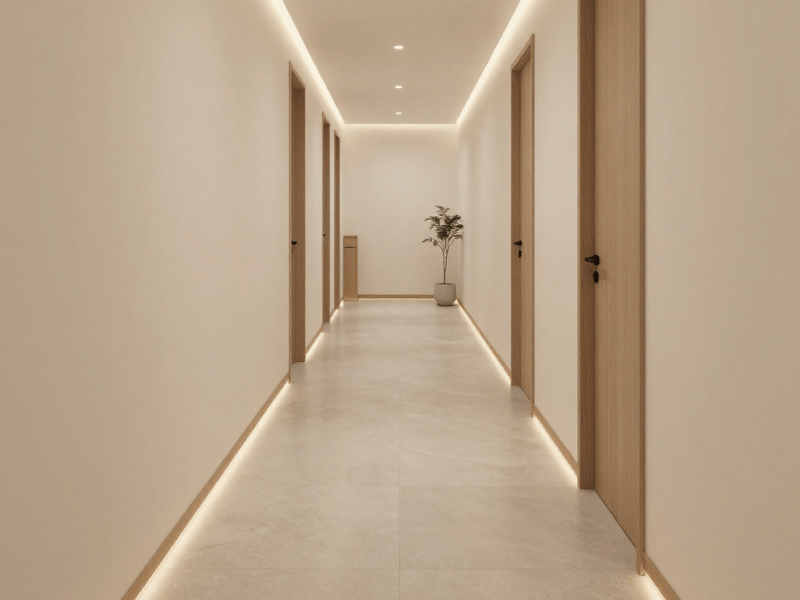
This type is the most common and most basic among the downlight types. An IP20 Fixed LED downlight is ideal for indoor use, except in the bathroom. While suitable for enclosed spaces, this lighting solution can still be used throughout any area, including the bedroom, living room, dining room, kitchen (away from the splash zones), storage room, hallway, and many more! An IP20 Fixed LED downlight is available in an extensive range of colours, finishes, shapes, and sizes, so you'll have more options! Aside from that, there are dimmable and non-dimmable alternatives, so you can pick the most ideal for your lifestyle and necessities.IP65 Bathroom Downlights
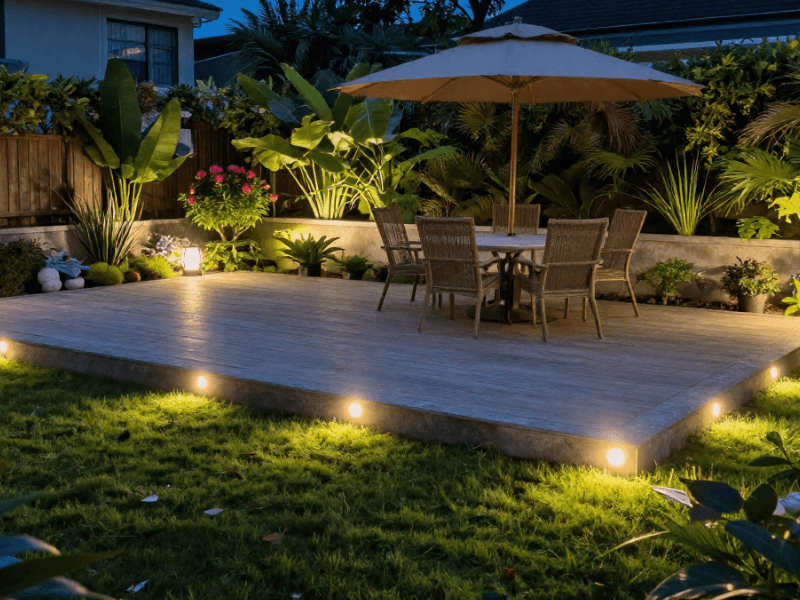
The most significant difference between an IP20 fixed downlight and an IP65 bathroom downlight is that the IP65 downlight is water-resistant. Therefore, you can use it in areas where water is present, including the bathroom's zone 1. This downlight type comes in an adjustable and fixed option, as well as dimmable and non-dimmable versions. You can also get it in different finishes, colours, and sizes!IP20 Adjustable Downlights
Since it's IP20 as well, this downlight type is ideal for indoor use only. So, what is the difference between an IP20 adjustable and an IP20 fixed downlight? This one has an adjustable gimbal! A fixed LED downlight can only produce a steady downward beam. With an adjustable version, you can tilt the gimbal up and down to target the areas you want to highlight. This downlight type is also available in different colours, finishes, and sizes, and you can choose between a dimmable and non-dimmable version.Fire Rated Downlights
A fire-rated downlight is designed with an intumescent pad that completely reseals the hole you cut to install your lights and restore your ceiling's fire integrity. This downlight type can delay the spread of fire, providing everyone inside more time to escape. Buildings and homes with multiple levels are prescribed to use this downlight to further reinforce the property's safety measures. There are many variations of fire-rated downlights. They come in different finishes, shapes, sizes, IP ratings, and colours. You can also choose between a dimmable and non-dimmable type and a fixed or adjustable fire-rated downlight. When choosing a downlight, there's more to it than the aesthetics. There are factors that you must assess to ensure that you're getting what you need. Some considerations you need to evaluate are the colour temperature, beam angle, energy efficiency and installation.Choosing the Right Colour Temperature
The colour temperature of your downlights can set the tone of your space. If you choose the wrong one, you can make your bedroom look like a clinic or your home office feel like a sleeping quarter. There are three colour temperatures that you should know: cool white, natural white and warm white light.
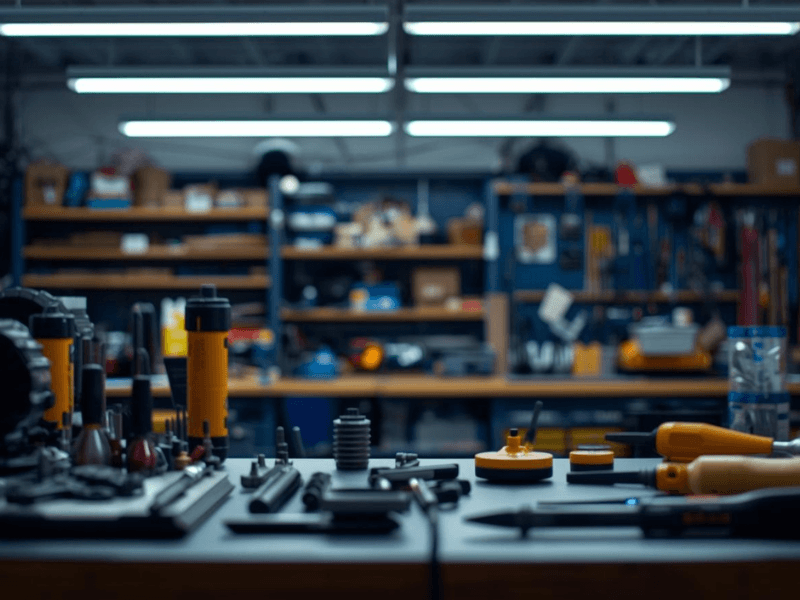
- Cool white light (6000K): It has a crisp bluish tint and is often used for task lighting. It'll enable you to see the space clearly and keep your concentration at maximum level. The only issue some people have with this is it can be too clinical. Nonetheless, cool white light is perfect if you want this kind of brilliance!
- Natural white light (4000K): This resembles a cloudless sunny day and is ideal for task lighting. Unlike cool white, natural white has no shades of blue or yellow. If you want a milder version of task lighting that will still help you get your work done, natural white is your best option!
- Warm white light (3000K): It has a yellowish hue similar to an old incandescent bulb. Warm white is excellent for ambient lighting as it can help stage a cosy and relaxing atmosphere.
Selecting the Right Beam Angle
When choosing the beam angle of your downlights, remember that the narrower the angle, the more concentrated the light. Narrow beam angles are excellent for accent lighting, while wider beam angles are perfect for general lighting. Choosing the beam angle is really a matter of preference and how you want to use your downlights. However, if you need a simple guide, here's what you can try. If you have a standard ceiling height (2.4 – 2.7 metres), using a wider beam angle, like 60 degrees and above, is recommended. Using a narrower beam spread with a ceiling height higher than 2.7 metres is better.Energy-Efficiency and Cost Savings
LED downlights are the best option in terms of efficiency and cost-effectiveness. Unlike traditional lighting, it runs on a lower wattage, can produce better light quality, and lasts longer. In addition, an LED downlight is eco-friendly. It does not contain any harmful chemicals, and since it requires less energy, LED downlights can decrease your carbon footprint and electricity bill. When it comes to maintenance expenses, you'll also win if you use an LED downlight over traditional lighting. LED downlights can last for years. Therefore, you don't have to constantly purchase replacements!


0 comments