
Walk into a truly modern living room in 2026, and the first thing you notice is not the sofa, the artwork, or even the colour palette. It’s the feeling. Calm, balanced, quietly confident. Where is it coming from? Almost always, it’s the lighting.
Single ceiling pendants or overly bright overheads that scream for attention are obsolete in modern living rooms. Instead, light appears where it’s needed, disappears where it’s not, and gently shapes the space throughout the day.
Recessed lighting and integrated LED features sit at the heart of this shift, offering style without clutter and atmosphere without effort.
In this guide, we’ll explore how to use recessed downlights and LED feature lighting to create a living room that feels contemporary, flexible, and timeless, all while keeping things practical.
What Defines a Modern Living Room in 2026?
Modern living rooms in 2026 will be defined less by trends and more by principles. Clean lines, uncluttered ceilings, and thoughtful layers of light replace decorative excess. The focus is on how a space feels to live in, not just how it looks in a photograph.
Lighting now plays a bigger role than furniture alone. A beautifully designed sofa will be unnoticeable under poorly placed lighting, while a simple room can feel elevated with the proper illumination.
Light guides the eye, sets the mood, and adapts to the space from morning coffee to late-night films.
There’s also a clear shift away from single central lights. One ceiling fitting can’t support the way modern living rooms are used today, especially in open-plan homes, media rooms, or multifunctional spaces.
Integrated LED solutions, particularly recessed downlights and hidden LED strips, allow light to work quietly in the background. Light supports the architecture and lifestyle rather than dominating it.
Why Minimalist Lighting Makes a Big Impact
Simply put, minimalist lighting brings visual calm. By reducing visible fixtures, the ceiling becomes a clean plane rather than a cluttered surface. This allows architectural details, textures, and furniture to take centre stage.
Recessed lighting creates ambience without visible hardware. The light feels intentional, as though the room was designed around it from the start. In modern interiors, where simplicity is prized, this subtlety is powerful.
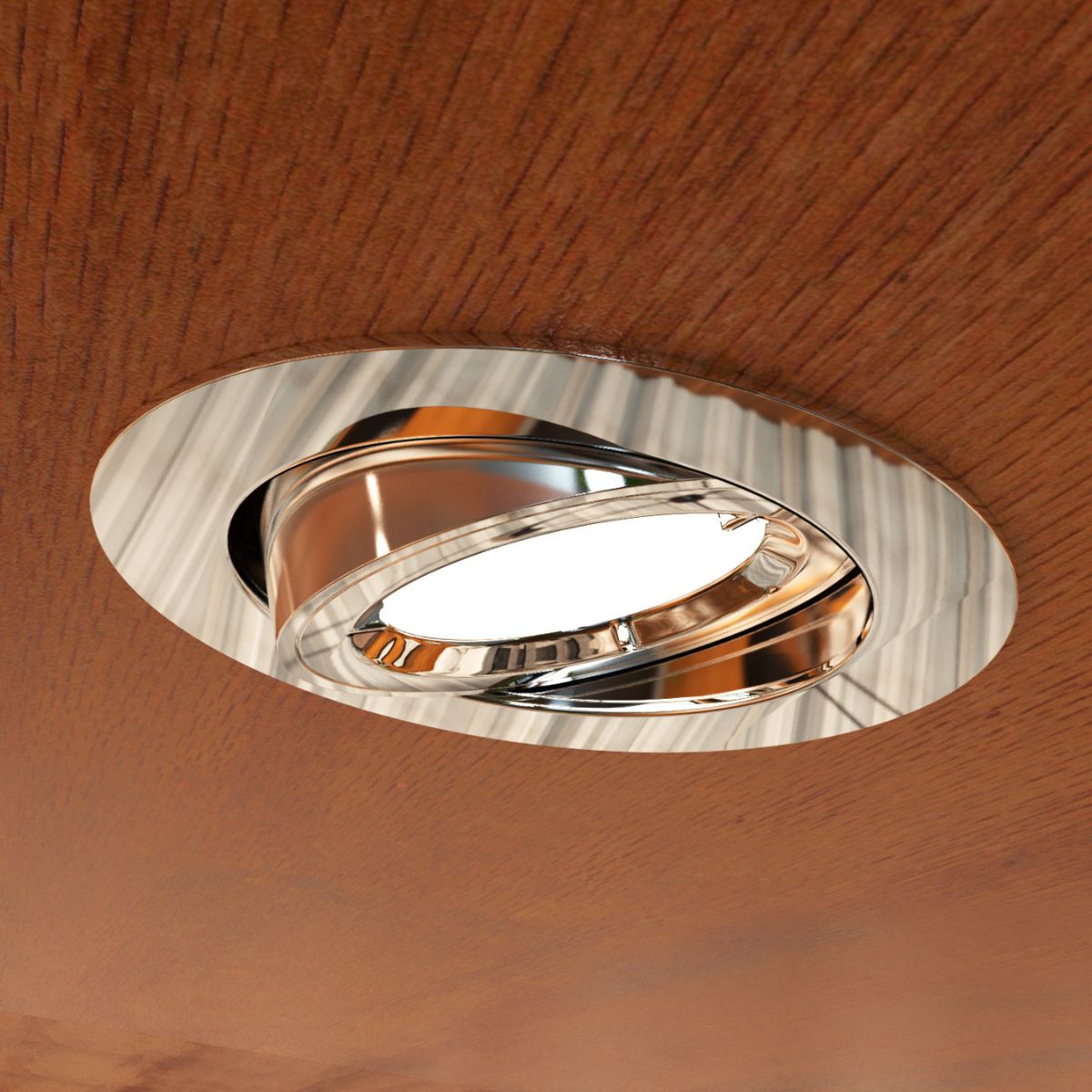
Downlights also enhance modern interiors by providing precise lighting. Adjustable models can direct light exactly where it’s needed, highlighting seating areas, artwork, or architectural features. The result is a space that feels considered rather than over-lit.
Using Recessed Lighting to Shape the Space
Recessed downlights form the foundation of modern living room lighting. When planned well, they provide uniform ambient light without glare, shadows, or visual noise. Instead of flooding the entire room with brightness, recessed lighting allows you to shape the space.
- A large living room can feel more intimate
- Smaller living rooms can feel more open and balanced
- In open-plan layouts, light becomes a tool for zoning without walls
For example, a seating area can be gently defined by a cluster of downlights, while a walkway remains subtly lit with wider spacing. The room still feels connected, but each zone has its own identity. Choosing the right beam angles and brightness levels is key.
- Wider beams create soft, general lighting
- Narrower beams produce sharper light
Brightness should feel comfortable, not clinical. In living rooms, it’s about glow, not glare.
Placement Strategies for a Balanced Look
Spacing is everything when it comes to lighting. Too many downlights can make a living room feel like a showroom, while too few can leave it flat and uneven.
Pro Tip: The light placement is crucial to reducing eye strain. Avoid placing lights directly above seating positions.
Highlighting seating areas works best when light is positioned slightly in front or around the perimeter, rather than directly overhead. This creates a welcoming pool of light without harsh shadows.
Circulation paths, such as routes between doors or into adjoining spaces, benefit from subtle illumination. Install a few evenly spaced downlights to guide movement.
LED Feature Lighting That Adds Character
If recessed lighting provides structure, LED feature lighting adds personality. LED strip lights, when used thoughtfully, bring depth and dimension to modern living rooms.
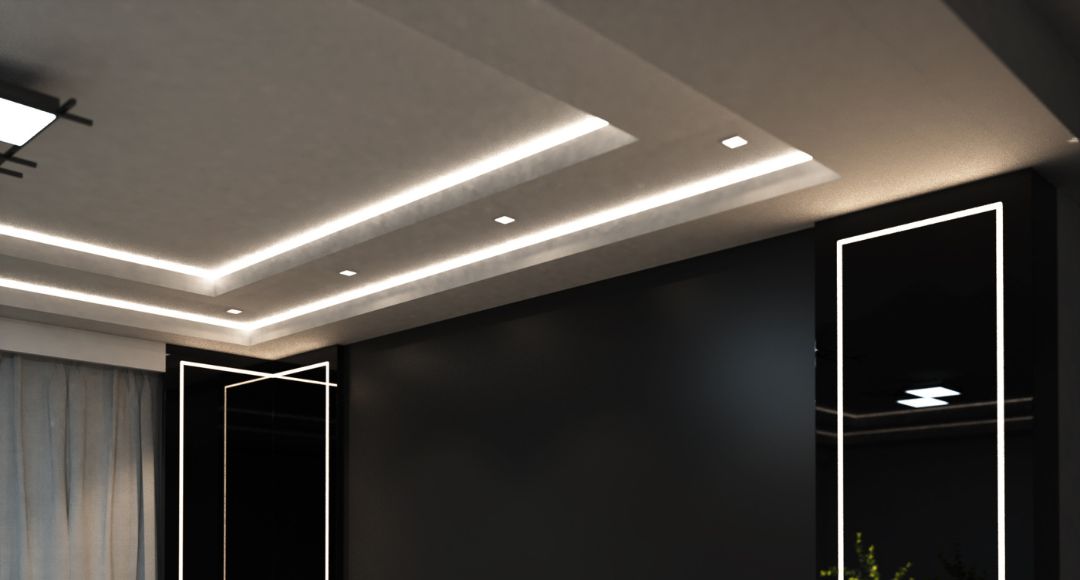
Hidden LED strips add warmth and visual interest without adding clutter through indirect lighting that softens contemporary spaces.
The beauty of LED strips lies in their flexibility. They can be tucked into ceiling coves, behind walls, under shelves, or within alcoves, seamlessly blending form and function. These lights don’t just illuminate; they sculpt the space.
Popular LED Feature Ideas for Living Rooms
Ceiling coves and perimeter glow
A soft halo of light around the ceiling instantly elevates a living room. It visually lifts the ceiling height and creates a relaxed ambience, particularly useful in cold winter evenings. In open-plan homes, this helps define the living area.
TV wall backlighting for comfort and style
Also called bias lighting, this reduces eye strain during movie nights while adding a cinematic feel to the space. It also turns the TV wall into a design feature, even when the screen is off.
Floating shelves and alcove illumination
LED strips beneath shelves or within alcoves highlight decorative objects while adding depth. This works exceptionally well in modern apartments, where every visual layer helps create a sense of richness without crowding the space.
Pro Tip: Use aluminium profiles for a clean, professional finish.
Creating Atmosphere with Colour Temperature and Dimming
Ever wondered why some rooms make you feel calm and rested, while others make you feel lively and energised? It’s probably the lighting. More specifically, it’s the colour temperature of the lights. Colour temperature plays a quiet but crucial role in modern living rooms.
- Warm white light creates a cosy, inviting feel, ideal for evenings and relaxation.
- Natural/Cool white feels fresher and more energising, often preferred during the day.
The key is consistency. Mixing colour temperatures without intention can make a room feel disjointed.
Another essential feature for modern living room lights is dimming. Adjustable brightness allows the same space to support different moods and activities, and makes evenings more comfortable without changing the fixtures.
Dimmable LED downlights help reduce energy use because lights aren’t always needed to run at full power.
Lighting Scenes for Different Moments
Modern living rooms thrive on scenes. The 2026 ones are no different.
- A relaxed evening scene might combine dimmed downlights with soft LED feature lighting.
- An entertaining scene could raise ambient levels while keeping accent lighting active for atmosphere.
Movie nights become a more immersive experience thanks to minimal overhead lighting and stronger LED features behind the TV or along the ceiling perimeter.
Smart dimming controls make these transitions effortless. Instead of adjusting individual lights, scene selection sets the mood with a single tap, instantly transforming the space.
Integrating Smart Control for a Seamless Finish
Imagine walking into the living room, and the lights automatically adjust to your preference. A bit too science fiction, right? That’s smart lighting in action. Today, they’re no longer just a luxury; they’re essential.
App and voice-controlled systems allow homeowners to adjust lighting without interrupting the moment, whether that’s relaxing on the sofa or hosting guests.
Scheduling adds another layer of comfort. Lights can gradually brighten in the morning or soften automatically in the evening, helping you avoid disrupting your body’s natural rhythms.
Energy efficiency is a bonus. Smart systems ensure lights are used only when needed, reducing waste while enhancing everyday comfort.
Simple Smart Lighting Setups
1. One-touch living room scenes are a favourite starting point. A single button or voice command can activate a preferred lighting combination, removing the need for multiple switches.
2. Syncing lighting with TV or media use creates a polished, immersive experience. Lights can dim automatically when a film starts, then gently return when it ends.
3. Adjusting both brightness and warmth throughout the day. Smart controls can help the living room feel aligned with natural daylight patterns, even in darker months.
Avoiding Visual Clutter in Modern Lighting Design
In modern lighting, the most powerful skill you can have is restraint. All these cool smart lighting features can be, for lack of a better word, addicting. At one point, you’ll want to add light in every space of the house. That’s not always a good thing.
Fewer fixtures often create a stronger visual impact than many competing elements. Recessed lighting and hidden LEDs shine precisely because they stay out of sight.
Consistency matters. Mismatched colour temperatures or uneven brightness can undermine an otherwise beautiful design. Always keep tones aligned to ensure the room feels cohesive and intentional.
LED features should complement the space, not overpower it. Subtlety allows the architecture and furnishings to remain the stars, with lighting quietly enhancing the overall experience.
Designing a Living Room That Feels Modern and Timeless
2026 is almost upon us. Let this guide be a reminder that modern living room lighting is not about chasing trends. It’s about creating a space that adapts, comforts, and inspires. Recessed lighting provides the clean foundation, while LED features add warmth, depth, and character.
Thoughtful planning and layered lighting transform how a room feels and functions. Even small changes, such as repositioning downlights or adding a soft LED glow, can significantly alter the atmosphere.
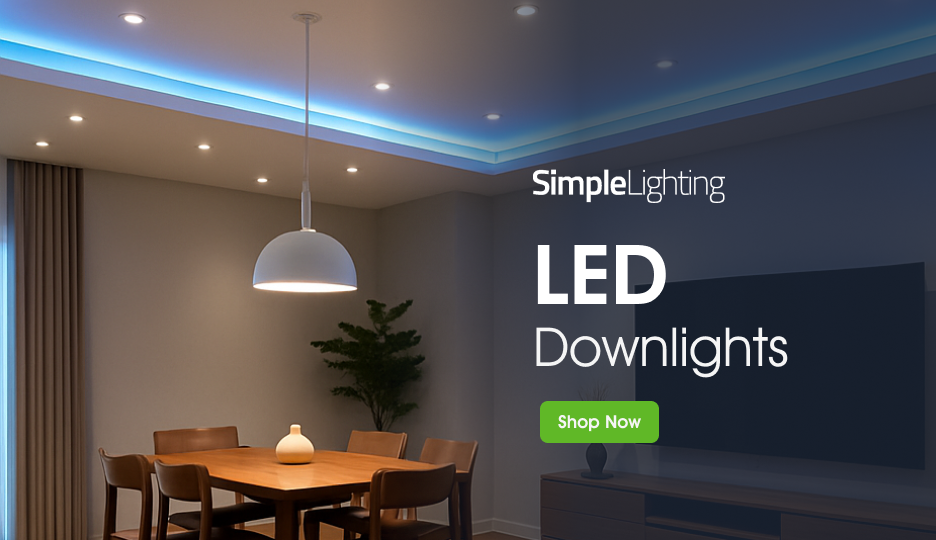
Simple Lighting offers a wide range of recessed LED lighting solutions that deliver flexibility, comfort, and style to your modern living room.
We also have additional posts like this one. Click this link: Modern Lighting Ideas to Upgrade Your Home in 2026.