
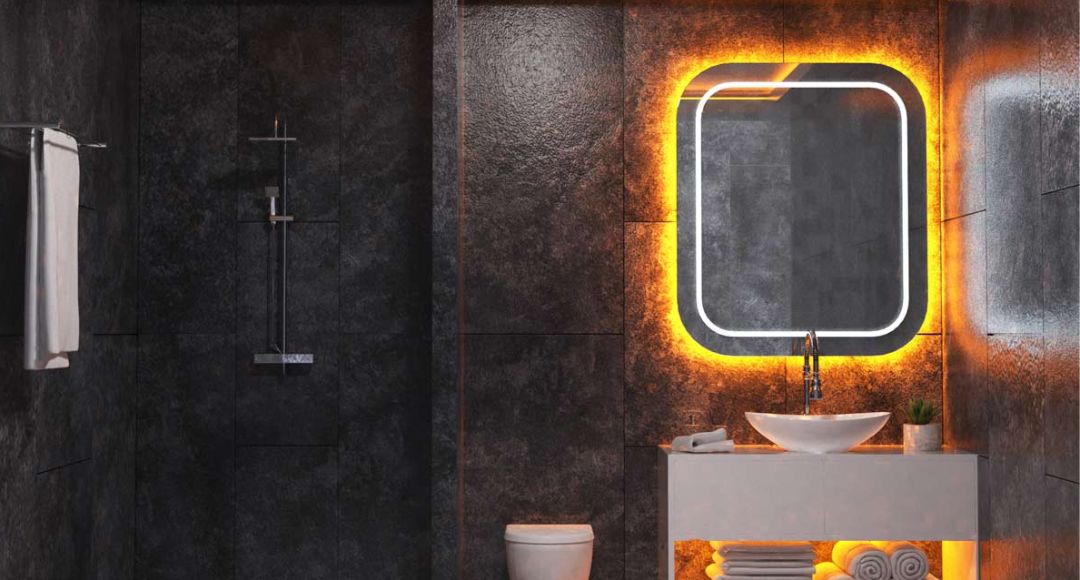
If you’re lighting a space just for necessity, then you’re doing it wrong.
Lighting goes beyond just adding brightness to a room. It’s one of the most powerful design tools in your home.
LED strip lights, in particular, can help you create a warm, welcoming atmosphere, a sleek, modern aesthetic, or a vibrant party-ready space. That’s right, often, it’s not a new couch or feature wall that your space needs to “level up” its aesthetics. It’s lights.
In this guide, we’ll explore different creative LED strip lighting ideas for every room in your home, from kitchen counters to garden decks. Ready to level up your home lighting?
Let’s get glowing!
Popular LED Strip Design Applications
Your imagination is the only limit, as you can install your LED strip lights virtually anywhere. But just slapping strips randomly on a surface won’t do you any good. The key is knowing how to use them effectively.
Here are some of the most popular applications for creating stunning visual effects and practical illumination throughout your home:
Under-Cabinet & Kitchen Lighting
Kitchens are the “control room” of the home. Everything happens here, from breakfast to meal prepping for the kids, afternoon chats to family dinners.
That’s why proper lighting makes all the difference on any occasion. Under-cabinet LED strip lighting is a modern classic, offering both function and flair.
Use them for:
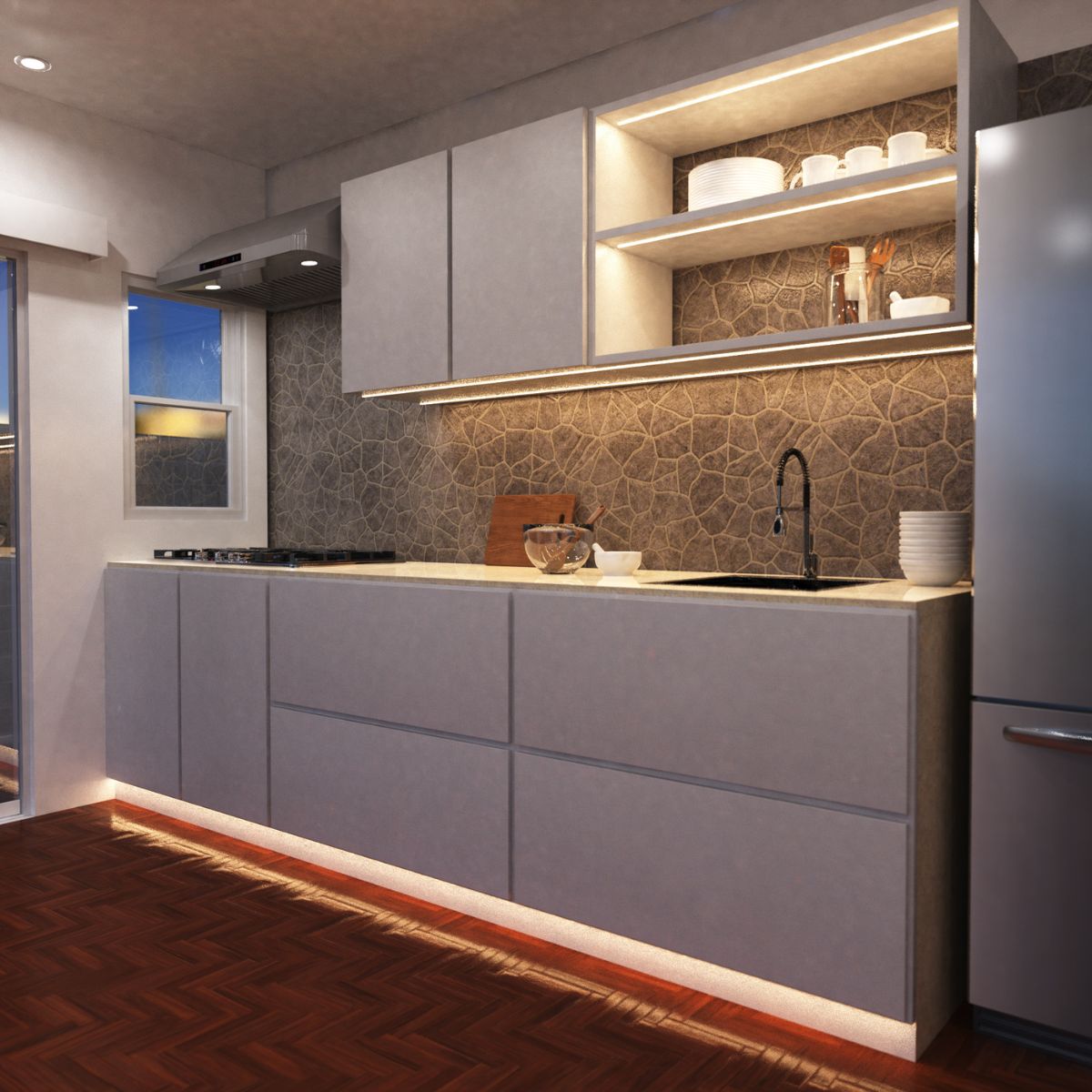
Task Lighting: Install cool white LED strips beneath hanging cabinets to illuminate countertops for food preparation. This eliminates shadows and makes chopping, cooking, and cleaning safer and easier.
Accent Lighting: Add subtle warm white strips above cabinets or along the kickboards to highlight textures and create a floating effect.
Aesthetic Touch: Recessed aluminium profiles with diffusers give a polished look while protecting the LEDs from moisture and grease.
Picture this: A sleek kitchen island with hidden LED strips under the countertop lip, casting a soft glow onto bar stools for a stylish, high-end finish.
Living Room & Ambient Lighting
In living rooms, comfort often relies heavily on the lighting. Layer your lights with LED strips, and you can create a space that balances cosy and contemporary.
LED Strip Coving: Install LED strips in coves or behind cornices to wash light across ceilings and walls, adding depth and ambience.
Shelf & Display Lighting: Showcase books, art, or decor with integrated strips inside shelving units or behind TV panels.
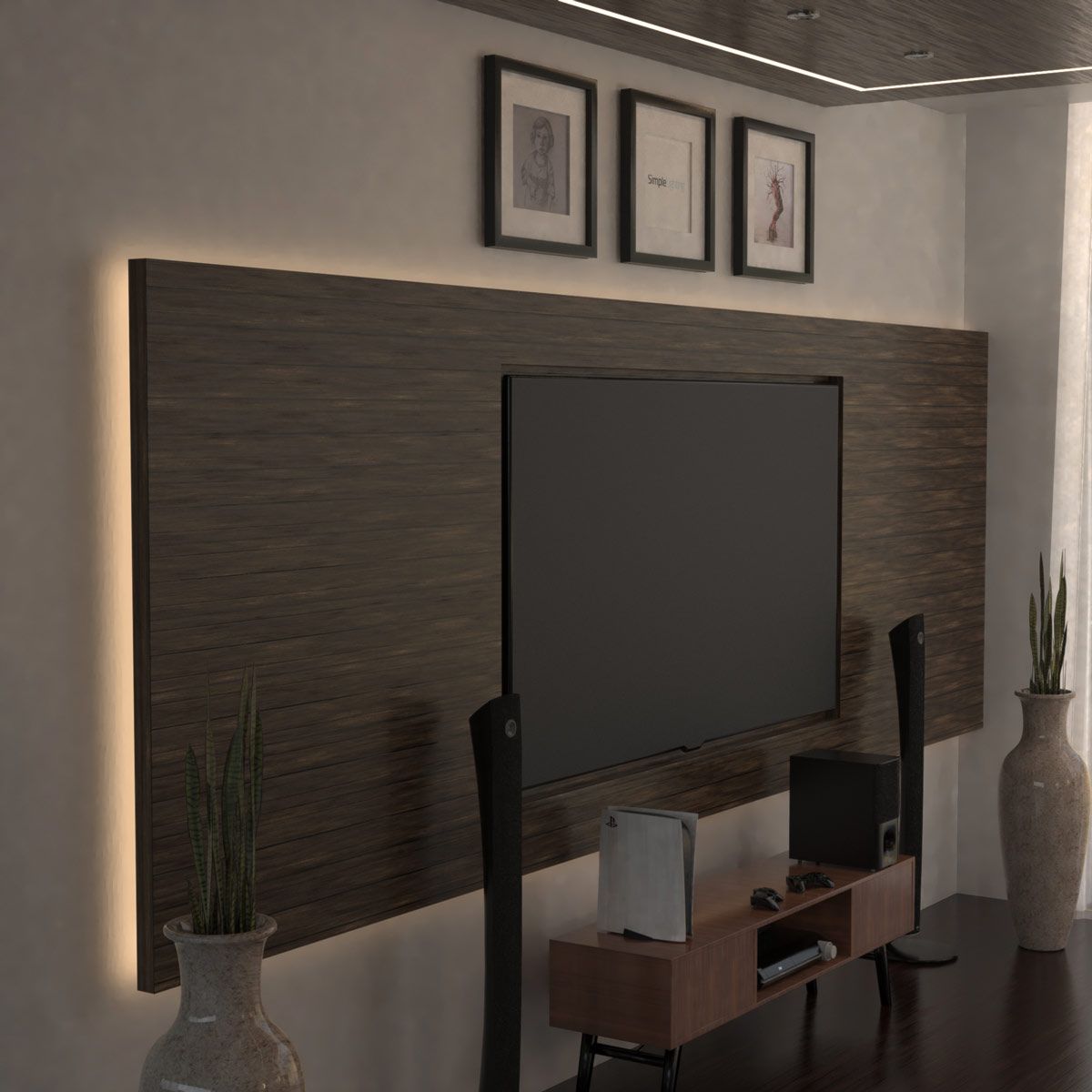
Media Walls: TV backlighting with LED strips reduces eye strain and enhances cinematic contrast, making them perfect for movie nights.
Picture this: A floating media wall softly backlit with neutral white LED strips, enhancing textures on stone or timber finishes.
Bedroom & Mood Lighting
The bedroom is your sanctuary. Make your lighting set the tone for rest and relaxation.
LED strips can create dreamy, calming environments or vibrant scenes for different moods.
Some ideas to work with:
Headboard Lighting: Install warm white strips behind or under a headboard for a hotel-inspired glow.
Under-Bed Illumination: Motion-activated LED strips provide a gentle night light when you step out of bed.
Ceiling Accents: Hidden RGB strips along ceiling recesses let you switch between colours for all kinds of activities.
Picture this: A minimalist bedroom with hidden LED strips tracing the bed frame, emitting a soft amber glow that promotes tranquillity before sleep.
Outdoor & Garden Lighting
Outdoor LED strips bring life and character to patios, pathways, and facades. You can enjoy stunning illumination in your garden year-round. Just make sure you get weatherproof IP-rated options.
Pathway Lighting: Guide the way with waterproof strips recessed along walkways or decking edges.
Architectural Highlights: Outline pergolas, fences, or outdoor bars with a strip for an inviting ambience.
Decking & Steps: Recess strips into decking grooves or under stair treads for safety and style.
Picture this: A garden deck bordered with subtle warm white LED strips, paired with string lights overhead to create a cosy outdoor retreat.
Choosing Colour & Temperature for Design
Colour temperature and hue play a major role in how a space feels. The right LED colour can make your home more inviting, energising, or relaxing.
Warm, Neutral, or Cool: Setting the Mood
These are your colour temperatures (white). They’re measured by Kelvin (K).
- Warm White (2700K-3000K): Creates a soft, golden glow, perfect for spaces where you need to feel relaxed and comfortable.
- Natural White (3500K-4000K): Offers a balance between warmth and clarity, ideal for kitchens and bathrooms.
- Cool White (5000K–6000K+): Crisp and bright, enhancing visibility and concentration. This is great for task lighting or workspaces where good visibility is crucial.
Choosing the right temperature isn’t just about aesthetics; it’s about how the light makes you feel.
Remember: A cool tone energises, while a warm tone relaxes.
Dynamic RGB & RGBW Options
If you’re looking for flexibility, RGB and RGBW LED strips open up endless creative possibilities.
The difference?
- RGB (Red, Green, Blue): Mixes colours to produce millions of shades for parties, movie nights, or holidays.
- RGBW (RGB + White): Adds a dedicated white chip for a purer, more natural white tone that’s also great for everyday lighting.
Pro Tip: Use a smart controller or app to create lighting “scenes.” For instance, set a “Relax” mode with warm amber light, a “Focus” mode with bright cool white, or a “Party” mode with colour-changing RGB lights.
Matching Lighting to Function & Decor
There are specific lights for every space and event.
- Modern Interiors: Opt for cool or neutral white to complement chrome, glass, and minimalist styles.
- Classic or Rustic Decor: Choose warm tones to enhance wood textures and create cosiness.
- Children’s Rooms or Gaming Setups: RGB lighting adds excitement and personality.
You don’t want to just “brighten up” a space. You also want it to have personality and style.
Using LED Strip Profiles & Diffusers for Aesthetics
Installing LED strips directly onto a surface is fine… but it can sometimes expose dots or glare.
That’s where LED profiles and diffusers come in. They turn simple strips into architectural features.
Why Profiles Matter
You don’t use LED profiles just because a TikTok video told you to do so. There are major benefits from using LED profiles:
- Professional Finish: Aluminium profiles (also known as LED channels) give a clean, modern look, perfect for visible installations.
- Protection: The profiles guard LEDs from dust, moisture, and physical damage, extending lifespan.
- Heat Dissipation: Metal profiles help manage heat buildup, ensuring consistent performance.
Surface-Mounted vs Recessed Options
Surface-mounted are ideal for under cabinets, shelving, or any area where you want quick installation without cutting into walls.
Recessed Profiles: Set into ceilings, walls, or furniture for a seamless, built-in appearance. They’re perfect for high-end interiors, but will need extra work cutting on the surface.
The Role of Diffusers
Diffusers are those translucent (often white) covers that sit atop LED profiles, softening the light output.
- Benefits: They eliminate harsh light dots, improve uniformity, and create a smooth glow.
- Styles: Choose from clear (for maximum brightness), frosted (for balanced diffusion), or opal (for the softest, most even light).
Creative Design Techniques
Designing with LED strips is an art. And not the “whip out your paintbrush” kind of art.
Beyond basic installation, thoughtful planning can elevate your home’s ambience and architecture.
Layered Lighting
The bread and butter of lighting. Every room benefits from a combination of ambient, task, and accent lighting:
- Ambient: The general background light (e.g., cove or ceiling LEDs).
- Task: Focused illumination for specific activities (e.g., under-cabinet lights).
- Accent: Decorative touches that highlight features (e.g., shelf edges or artwork).
Balancing these layers creates visual depth and flexibility for different moods and occasions.
Highlighting Architectural Features
Use LED strips to draw attention to unique details in your space:
- Coffered Ceilings: Hide strips within recesses to create elegant halo effects over your living or dining room.
- Staircases: Illuminate each step for drama. (And safety, of course.)
- Alcoves and Niches: Add subtle lighting to display art or ornaments.
- Frame Lights: Add lights to the back of picture frames or paintings for a floating effect.
- Underline Features: Outline your home’s roofline or posts to create a silhouette.
Colour Zoning & Scene Creation
RGB and tunable white strips let you create zones within open-plan areas.
For example:
- Dining Zone: Use warm, inviting tones for mealtimes.
- Work Zone: Natural or cool white light helps with focus.
- Relax Zone: Soft amber or pastel hues are great for unwinding.
Smart systems let you switch scenes with a tap or voice command, transforming your space based on your needs.
“Alexa, switch to movie night mode.”
Symmetry, Contrast & Focal Points
Don’t just install your strip lights willy-nilly. Light placement should follow the geometry of your room.
- Symmetry: Even spacing along ceilings or walls maintains visual harmony.
- Contrast: Mix light and shadow to emphasise textures and shapes.
- Focal Points: Use brighter or coloured light to draw attention to key features like artwork or statement furniture.
Pro Tip: Always test your layout by temporarily taping LED strips before permanent installation. This eliminates the guesswork and helps you visualise glow intensity and shadow effects.
Common Mistakes to Avoid in LED Design
Even the best lighting ideas can fall flat if not planned properly. Here are common pitfalls to steer clear of.
1. Overly Bright or Uneven Lighting
You don’t always need bright lights in all the areas of your house.
Too much brightness can cause glare or visual fatigue, while uneven placement leads to patchy illumination.
Use dimmable drivers or smart controllers to adjust brightness levels based on the time of day or activity.
Also, aim for symmetry when installing your strip lights.
2. Poor Placement Causing Shadows
Improper or poorly planned installations might cast unwanted shadows. Keep consistent spacing and test angles before final installation.
3. Ignoring Colour Temperatures
Using bright white lights when you want to rest or warm lights in task-heavy areas can be counterproductive and may even cause discomfort or pose safety risks.
Use warm lights to create relaxing and inviting environments.
Bright white lights are ideal for countertops and areas with heavy tasking.
4. Skipping Diffusers or Profiles
Exposed LED dots can look harsh and unfinished, not to mention unprofessional. Aluminium profiles are great for creating a clean yet stylish finish.
They’re also great for dissipating heat, which can lengthen your strip light’s lifespan.
5. Lack of Planning for Power & Wiring
Forgetting about driver placement, cable routes, or voltage drops can complicate installation later.
Don’t just plan where you want your strip lights installed. Also plan all wiring paths and ensure power supplies are easily accessible for maintenance.
End of the Strip
LED strip lighting offers a world of limitless creative potential. You can transform ordinary spaces into extraordinary ones through light, colour, and design.
It can be a subtle glow in your kitchen, an ambient halo of your living room ceiling, or serene tones in your bedroom.
Whatever you have your strip lights for, every installation adds depth and personality to your space.
Because, hey, lighting isn’t just functional. It’s emotional, architectural, and expressive.
By using LED strips creatively and thoughtfully, you can shape not only how your home looks but also how it feels.
Check out Simple Lighting’s wide range of LED strip lights to start transforming your space today!
And don’t forget to read more in LED Strip Lighting Made Simple: Channels, Controllers, and More.