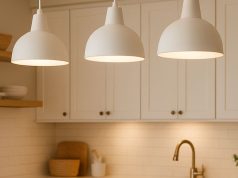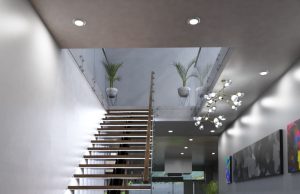

What if there were a type of light so versatile that you could virtually use it in any room of your home? That’s literally what LED strip lights are. They are one of the most versatile lighting upgrades you can bring into your home.
They bend around corners, slip under cabinets, glow behind headboards, and fit neatly into alcoves or media walls. They’re your “everywhere lights.” And with the added power of smart control, they transform from simple accent lights into a flexible, mood-shaping feature for every room.
If you are looking for ways to refresh your kitchen, revamp your bedroom, or turn your media walls into something more cinematic without needing a total renovation…
We’re here to walk you through the best ways to use smart LED strip lights to level up your home.
Why Smart LED Strip Lights Are Perfect for Modern Homes
Smart LED strips tick almost every box modern homeowners care about:
✅ Slim
☑️ Stylish
✅ Endlessly adaptable
Plus, they’re smarter than ever thanks to app control, timers, colour adjustment, and voice integration. They weave practical lighting and visual personality together without demanding major electrical work or big budgets.
Smart strips work beautifully as accent, task, or mood lighting, depending on the strip you use and where you install them. In one home, a single strip can play several roles depending on the time of day.
Their low profile lets them sit exactly where light is needed: tucked under cabinets for task lighting, wrapped around coving for a soft glow, or placed behind screens to ease eye strain.
Modern smart systems also unlock features that traditional lighting can’t match. Here are things smart LED lights can do that traditional accent lights can’t:
- Adjust colour temperature from warm to cool and vice versa.
- Switch from soft neutrals to vibrant colours with a single tap on a screen.
- Schedule lights to activate automatically.
- Call out to your smart speaker when your hands are full.
- Consume only a fraction of the energy and last longer.
Smart LED strip lights deliver high performance with low running costs.
Practical Benefits Beyond Decoration
Beyond its decorative magic, smart LED strips solve practical problems quietly and efficiently. One such problem is tight spaces.
Smart LED strip lights are incredibly easy to install in tight or awkward spaces where traditional fixtures don’t fit. Think under cabinets, along shelves, beneath bed frames, or behind TVs.
Adjustable brightness and colours also help make daily life a little brighter. Both literally and figuratively.
- Bright, natural white light under kitchen cupboards helps with chopping and cooking.
- Soft, warm light beneath a bed frame creates a floating effect and gives off a cosy glow at night.
- A colourful strip behind the TV transforms a movie night into an immersive experience.
Adjustability is one of the biggest strengths of smart LED strip lights. You can adjust brightness and colour to suit your routine: bright for cleaning, calm for evenings, energising for mornings, or vibrant for parties. One strip, infinite moods.
Choosing the Right Smart LED Strip for Different Rooms
Different rooms ask for different lighting styles.
Kitchens – Functional and Ambient Lighting
Kitchens benefit hugely from well-placed LED strips.
1. Under-cabinet strips illuminate worktops where ceiling lights, or downlights, often cast shadows. A tunable white strip is ideal here: warm white for relaxed evenings, and natural or cool white for focused food prep.
The ability to brighten or dim instantly when cooking is a major selling point.
Note: LED neon flex is another option, providing the same (or sometimes more vibrant) lighting as standard LED strips.
2. Smart LED strips also add visual flair. Consider installing them under breakfast bars, in shelving, or along kickboards to create a modern layered lighting look.
Maximise smart controls by creating scenes like “cooking mode” or “dinner time”, you can quickly and easily switch to with a tap in the phone app or via voice commands with smart assistants.
Picture this: A family kitchen with deep worktops has persistent shadows despite having bright ceiling lights. Installing a smart under cabinet strip provides reliable, evenly distributed task lighting.
Now the countertops have bright lights during food prep and warmer lights at dinnertime.
Bedrooms – Cosy, Relaxing, and Fun Lighting
Alright, time for the bedroom. The space where smart LED strips shine for comfort and creativity. Warm white or soft tones are your go-to here, as they create a soothing backdrop for winding down, while colour-changing modes add fun and personality when you want them.
Think strips:
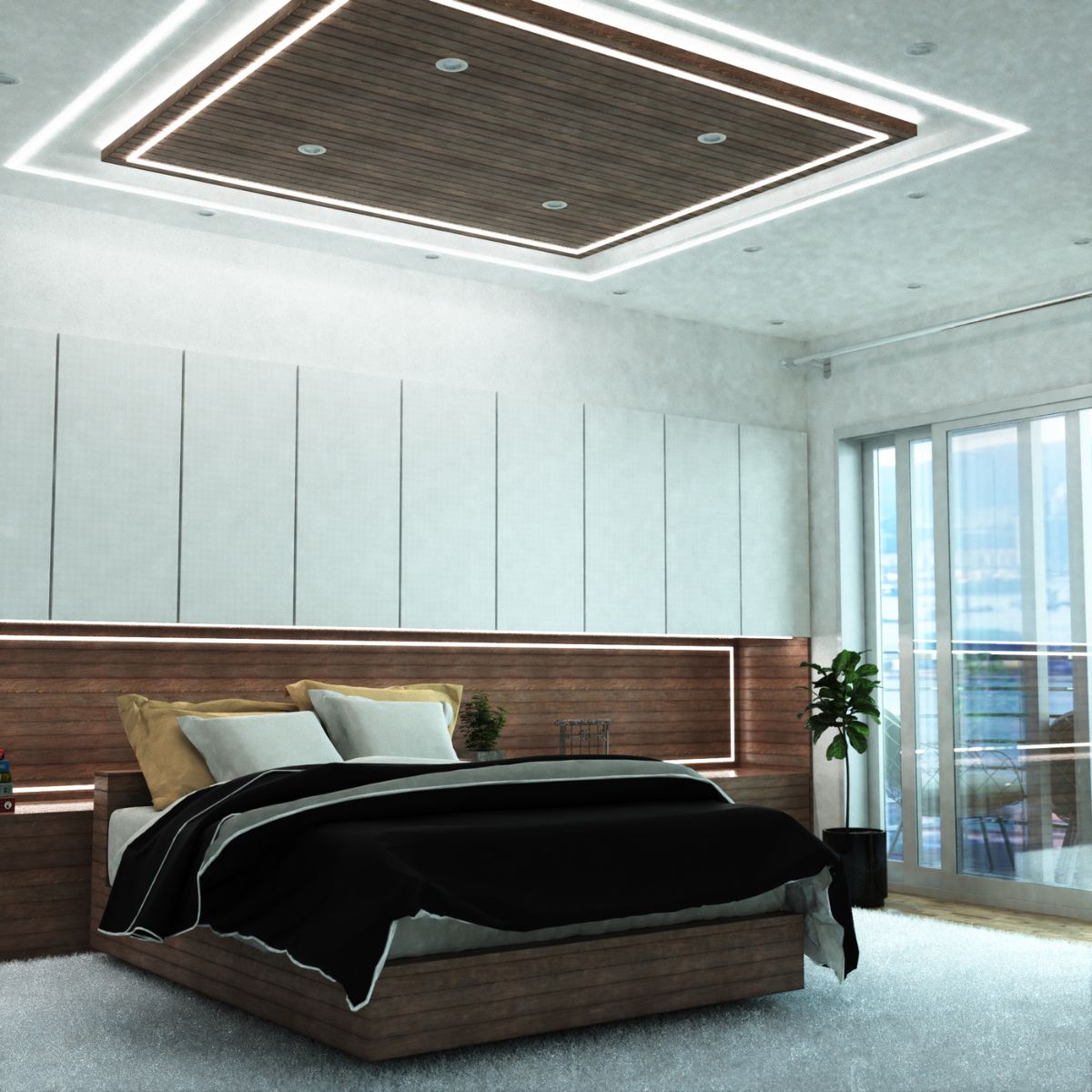
- Behind headboards
- Inside wardrobes
- Under bed frames
These add gentle, indirect light that feels naturally calming. With smart controls, you can even take this further by creating routines:
- Wake-up lights can brighten gradually like a sunrise, helping mornings feel less abrupt.
- At night, a voice-controlled or scheduled dim-down helps set the room for sleep without fiddling with switches.
Picture this: A soft, warm strip is installed under your bed frame with a smart motion sensor connected to it. Now, the light activates at a very low brightness during nighttime trips, allowing you to move safely without waking your partner.
It’s a small upgrade, but the comfort payoff is massive.
Media Walls – Enhance Viewing Experiences
Media walls and entertainment spaces are perfect playgrounds for smart LED strips. Backlighting behind TVs and monitors (also called bias lighting) reduces eye strain and enhances contrast, making films and gaming sessions more immersive.
Dynamic RGB strips bring media walls to life, especially when they support music sync or on-screen colour matching.
Even without these extras, placing a strip behind the television, along shelves, or around alcoves creates a much richer viewing environment. Static white lighting can look clean, but dynamic colour adds depth and mood.
Say you want deep blues for movie nights, soft ambers for evening viewing, or vibrant colours for gaming sessions, smart strips will make the experience feel a little more cinematic.
Picture this comparison:
Before: A plain TV mounted on a white wall, bright spotlights causing glare.
After: A thin RGB strip placed behind the TV creates a gentle halo. The room feels like a mini home cinema.
Key Features to Look for in Smart LED Strip Lights
Not all LED strip lights are built the same. This is an overused term, but it remains relevant. Knowing what to look for helps you avoid disappointment and ensures the strip performs well in its chosen location.
Smart Controls – Apps, Voice, and Remote Options
The control system is the heart of any smart LED strip. Common options include:
- Wi-Fi strips: Ideal for full smart home integration and remote control.
- Bluetooth strips: Simple and reliable for single-room setups with no hub needed.
- Zigbee strips: Ideal for those already using hubs such as Philips Hue or Samsung SmartThings, offering stable performance and easy grouping.
Scheduling, grouping, and custom scenes separate smart lighting from ordinary lighting. You can create kitchen task-lighting presets, bedtime routines, or one-tap “movie mode” lighting for media walls.
Brightness, Colour, and Colour Temperature
Brightness is not everything in lighting. But they’re essential, especially for functional spaces like kitchens. You need to look for higher lumen output and tunable white options so you can adjust colour temperature from warm to natural white depending on your task.
For bedrooms, lower brightness is often more comfortable, and RGB colour options add versatility. Choosing between RGB and tunable white comes down to purpose:
- Functional areas: Tunable white.
- Media, bedrooms, entertainment: RGB or RGBIC for multi-colour effects.
IP Ratings and Durability
IP ratings indicate whether the strip can withstand dirt, moisture, or splashes. Choosing the right IP rating is crucial when lighting your home, especially the kitchen and bathroom.
- IP20: Suitable for dry indoor areas, such as bedrooms and media walls.
- IP65: Best for kitchens, particularly around sinks or where condensation may occur. These strips often have a silicone coating that makes cleaning easier and protects the LEDs.
If you expect heat or steam, such as near a cooker hood, choose an IP65 rating for peace of mind.
Length, Cut Points, and Expansion
Strips typically come in standard lengths but can be cut at specific intervals. But suppliers like Simple Lighting offer bespoke cutting services, cutting the strips to your preferred length! This helps you achieve precise sizing around cabinets or alcoves.
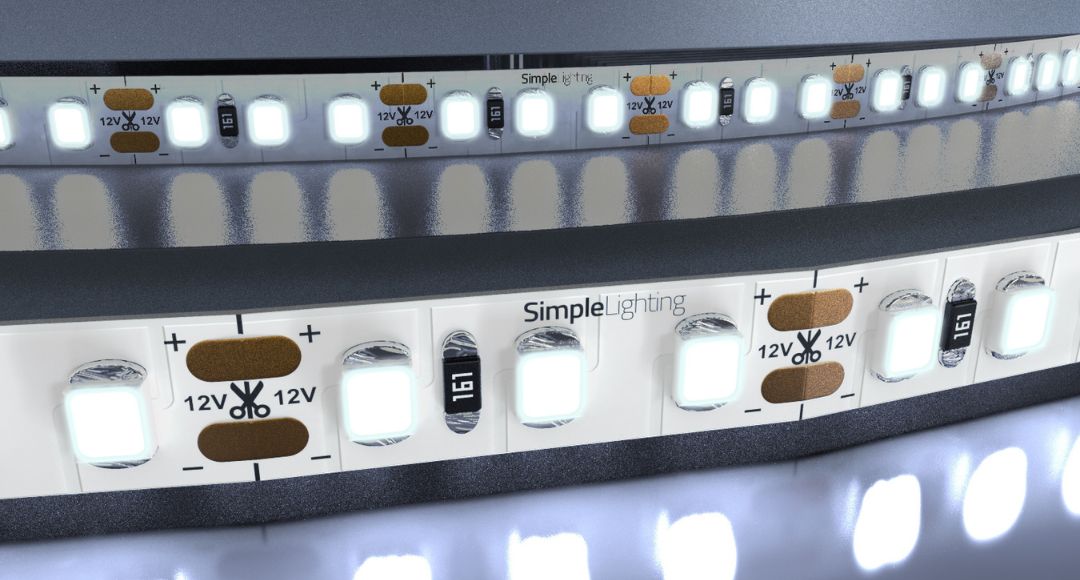
You can, of course, DIY cutting the strips. They’re pretty easy. Just look for the cutting marks (usually a scissors icon) and cut there (and ONLY there).
Adhesive backing is standard, but for a professional look, consider using aluminium mounting profiles. These help dissipate heat, extend lifespan, and give your installation a sleek, modern appearance.
If you’re looking to light up a wider decor, consider using LED light sheets instead.
Installation Tips for a Professional Finish
The difference between a sloppy DIY project and a custom-built finish just might be a few simple tips:
- Clean the surface first. Dust or grease prevents proper adhesion. Use a dry microfibre cloth.
- Avoid tight bends. Strips aren’t infinitely bendable. They can crack if folded sharply. Use connectors for corners for a clean run.
- Don’t overlap strips. Overlapping can cause overheating and uneven lighting.
- Hide the wiring. No one likes seeing dangling cables. Conceal them behind furniture, inside units, or within coving for a tidy finish.
- Use aluminium profiles. These add a premium look, protect the LEDs, and ensure proper heat dissipation, especially in kitchens.
A well-installed strip blends into the room during the day and glows beautifully at night.
Integrating Smart LED Strips with Your Home Ecosystem
If you think smart strips are already powerful lighting tools, try connecting them with the rest of your smart home devices.
Connecting to Smart Hubs and Voice Assistants
Most smart strips now work with Alexa, Google Home, or Apple HomeKit. Voice control is a significant convenience upgrade, particularly in kitchens and bedrooms, where hands-free lighting makes everyday life smoother.
Smart hubs also make it easy to control multiple strips or downlights simultaneously.
For example, you can have your under-cabinet strips, dining pendant, and kitchen kickboard lighting all respond to a single command, such as “Dinner time.”
Creating Scenes and Automations
Scenes are where smart strips really shine. (Pun intended.) You can build custom settings such as:
- A slow brightening sequence for waking up naturally.
- Warm, dim lighting for dinner or movie nights.
- Colourful patterns for parties or gaming.
These automations aren’t only convenient, but they also help you save on energy, only running the lights when needed.
Upgrade Your Home With Smart LED Strips
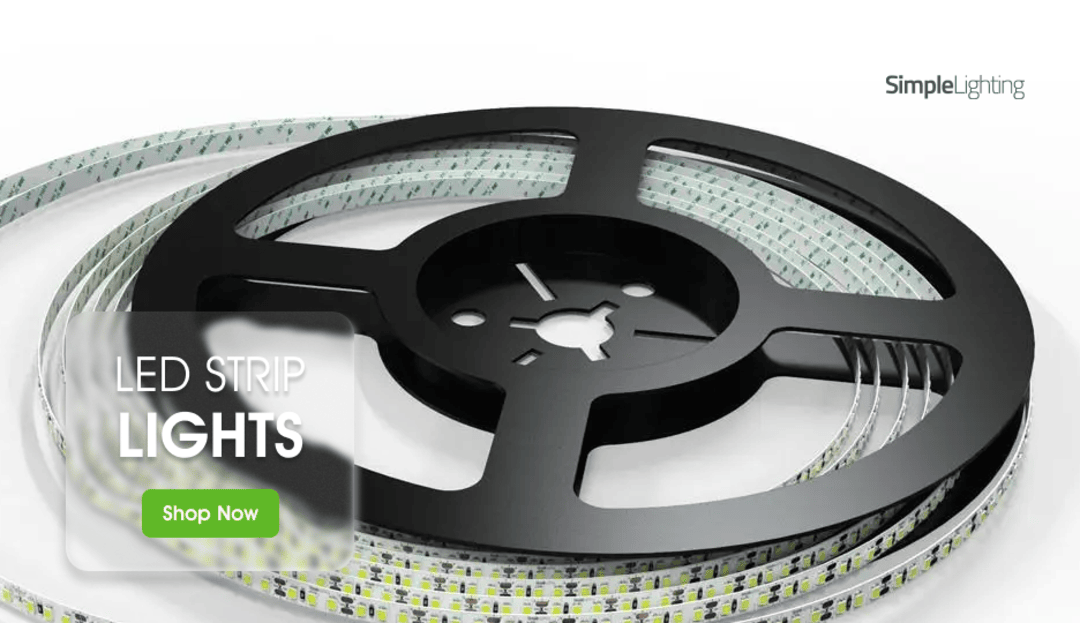
Smart LED strip lights blend practicality, style, and smarter living in a slim, flexible package. Your kitchen, bedroom, and media walls all benefit greatly from smart strips, transforming each space from dull and ordinary to focused, calm, and immersive when you need them to be.
The best strip for your home depends on the room’s purpose, your preferred style, and the smart ecosystem you’re already using. Work with those when selecting your LED strips.
More lighting insights can be found in Smart Lighting Ideas for 2026 and How to Upgrade Your Home, so make sure to browse through the posts there.
And don’t forget to check out Simple Lighting’s wide range of smart LED strip lights and start creating a home that’s brighter, more inviting, and truly tailored to the way you live.