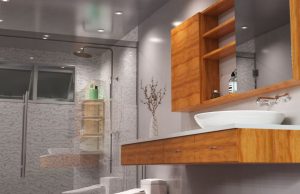

No one hasn’t heard of the word “minimalism”. You see it on Pinterest boards, Instagram posts, and YouTube videos. Minimalism is everywhere. And yes, even in lighting.
Minimalism in lighting is not about doing less for the sake of it. It is about intention. Every fitting, every glow, every shadow has a reason to exist. In contemporary homes, lighting has quietly shifted from being something we notice to something we feel.
When it is done well, it does not shout for attention. It brings calm, clarity and a sense of effortless modernity that furniture alone cannot achieve. This is why minimalist lighting has become one of the most powerful tools for transforming home interiors today.
With thoughtful choices, even familiar spaces can feel architectural, balanced, and unmistakably contemporary.
Why Minimalist Lighting Feels So Modern
Minimalism and contemporary design have long shared core values: clarity, restraint, and purpose. Modern interiors favour open layouts, clean surfaces, and materials that speak for themselves. Lighting naturally follows this philosophy.
Rather than decorating a room with visible fittings, minimalist lighting integrates into the space itself. Light becomes part of the architecture without drawing attention to the source.
In contemporary homes, lighting is no longer an afterthought added at the end of a project. This shift from decoration to integration is what gives minimalist lighting its modern edge.
Less Is More Indeed
Interestingly, using fewer fixtures often creates a stronger visual impact. A ceiling crowded with pendants, spotlights and decorative fittings can disrupt a space, even if each piece is beautiful on its own.
In contrast, a reduced approach allows the eye to rest. The room feels calmer, more deliberate, and more expensive (doesn’t have to be though!).
Designing with Light, Not Luminaires
One of the defining characteristics of minimalist lighting is the removal of visible fittings. This does not mean sacrificing functionality. Instead, it means allowing light itself to do the work.
By minimising the presence of luminaires, surfaces and materials take centre stage. Walls appear cleaner. Ceilings feel higher. Textures such as timber, stone, or plaster become more expressive when gently washed by light rather than “outshone” by fixtures. (Pun intended.)
Light as support for spatial flow
In open-plan homes, consistent, understated lighting helps different zones feel connected, not chopped up. Soft transitions between brighter and dimmer areas guide movement through the space without requiring visual markers or barriers.
The result is an interior that feels thought-out and cohesive, where lighting quietly reinforces the architecture rather than competing with it.
Clean Ceilings with Subtle, Integrated Lighting
Bulky chandeliers and other fixtures have no place for modern minimalist lighting. It places particular importance on keeping ceilings calm and uncluttered.
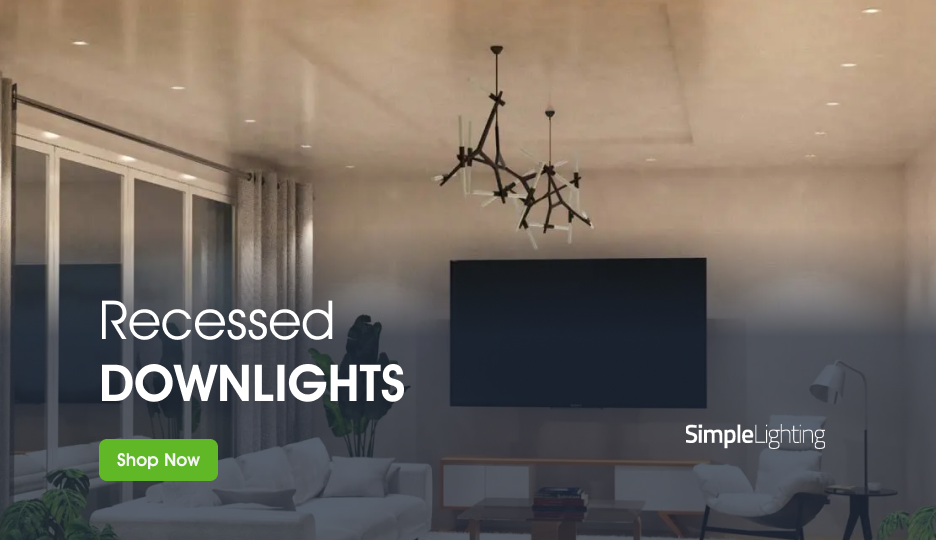
Recessed lighting is a cornerstone of this approach. By integrating light into the wall or ceiling plane (as LED downlights do), visual noise from hanging or surface-mounted fittings is reduced.
The ceiling, instead, becomes a continuous surface again, helping rooms feel more open and refined.
Removing oversized fixtures and replacing them with subtle, integrated lighting can dramatically change a room’s character. The space feels lighter, cleaner, and more contemporary almost instantly.
Recessed lights also eliminate glare. Uniform glare-free illumination avoids harsh contrasts and shadows. Instead of spotlighting individual areas aggressively, minimalist lighting creates a balanced ambient layer that supports everyday living.
When to Use Downlights (and When Not To)
Recessed downlights are often associated with minimalist interiors, but restraint remains key. A ceiling filled with downlights can quickly feel clinical instead of contemporary.
Strategic placement is far more effective than rigid grid layouts.
Downlights should respond to how the room is used, highlighting key areas such as kitchen worktops, circulation paths or seating zones, while leaving other areas with softer light.
Avoiding over-lighting is another essential principle. Modern homes do not need every corner to be equally bright. Allowing areas of softness and shadow adds depth and makes spaces feel more natural.
Downlights should also work in harmony with natural light. During the day, artificial lighting should support daylight patterns rather than overpower them. By evening, it should slowly transition to a softer glow to help with unwinding.
Indirect Lighting That Adds Depth Without Distraction
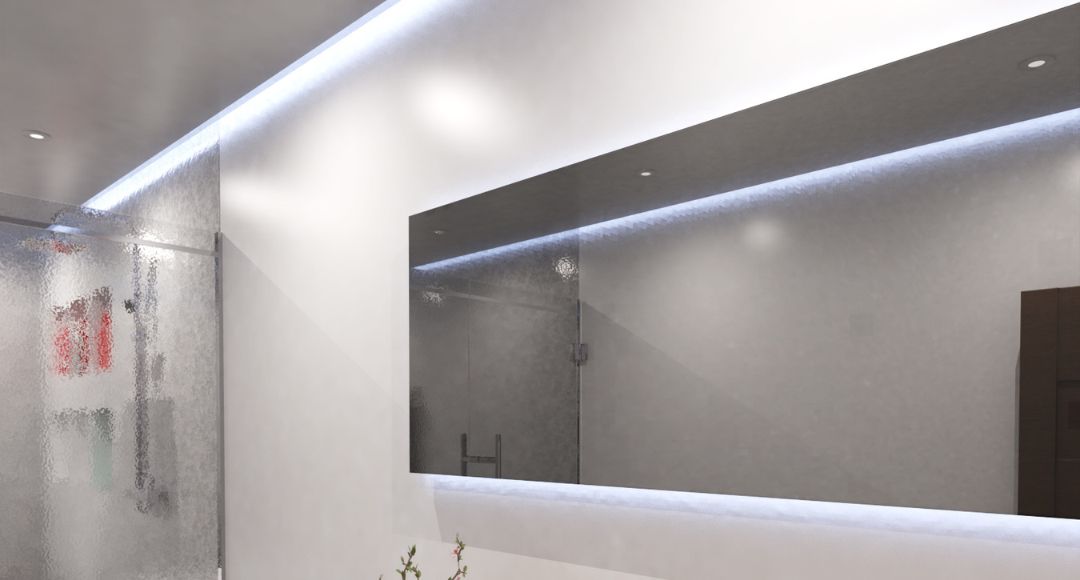
Indirect light is the secret weapon of minimalist lighting. Think of hidden LED strips within ceiling coves that illuminate the space below without revealing the source. This creates a soft, ambient glow that feels inherently modern.
How does indirect lighting work? It reflects light off surfaces rather than projecting it directly into the room. Bright-coloured surfaces are highly effective for maximum output (while keeping the light soft).
Indirect lighting also enhances architectural features by gently outlining edges, planes and recesses.
In contemporary interiors, indirect light often creates a subtle “floating” effect. Ceilings appear to lift, walls gain depth, and furniture feels lighter. The space takes on a layered quality that feels refined.
Subtle Places Where Indirect Lighting Works Best
1. Ceiling coves and wall recesses are classic locations for indirect lighting. A concealed LED strip or LED neon flex can wash light across the ceiling, adding height and elegance without any visible fittings.
2. Behind shelving and media units, indirect lighting brings both function and atmosphere. It adds depth to storage walls and prevents large elements, such as televisions, from feeling heavy or dominant.
3. Staircases and hallways also benefit from indirect light. Soft guidance lighting along steps or skirting provides safety while maintaining a calm, uncluttered look.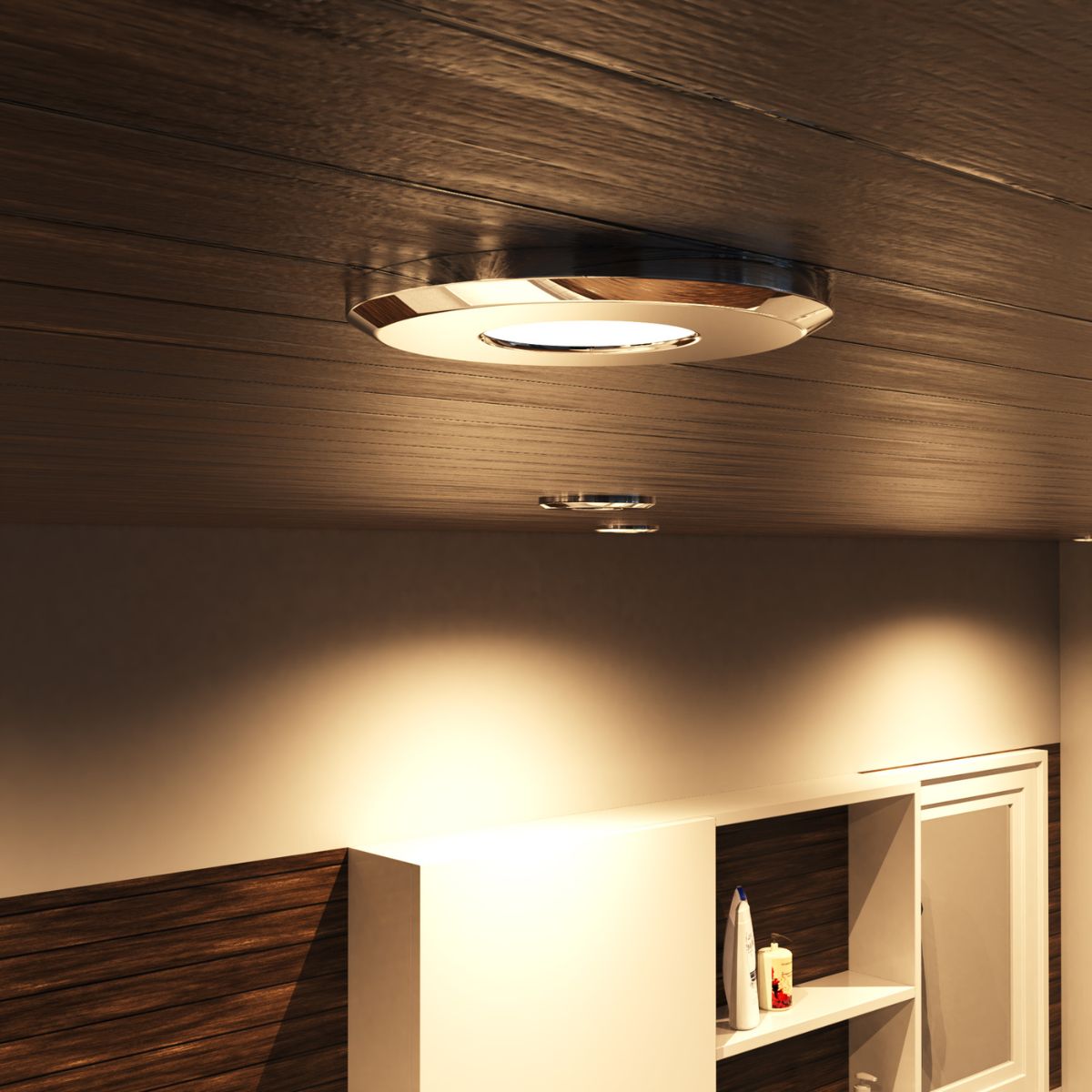
Minimalist Colour Choices That Still Feel Warm
A common misconception about minimalist lighting is that it needs to be cool or stark. In reality, warmth is essential to making minimalist interiors feel liveable. Here’s why…
Warm white lighting complements the neutral palettes typically found in contemporary homes. It enhances natural materials such as wood, stone, and fabric, adding softness without visual noise.
Rather than feeling yellow or dated, modern warm white tones create a gentle, welcoming atmosphere.
Overly cool lighting can be too clinical, undermining a home’s comfort. Minimalism is about calm, not coldness. The right colour temperature ensures that simplicity still feels human.
Consistency Across Rooms
Consistency is one of the most powerful tools in minimalist lighting design. Using the same or very similar colour temperatures throughout the home creates a sense of flow that is felt rather than seen.
When lighting changes dramatically from room to room, spaces can feel disconnected. Consistent tones help rooms relate to each other, supporting open-plan layouts and long sightlines.
This approach also works beautifully with neutral colour schemes and natural materials.
Smart Control That Removes Visual Clutter
Is it even modern lighting if it’s not smart lighting? Many homeowners avoid smart lighting, believing it is too complex, when in reality, it simplifies lighting.
Traditional lighting often requires multiple switches, dimmers, and controls scattered across walls. Smart systems reduce this visual clutter by consolidating control into apps, voice assistants, or discreet remotes and controllers.
This allows walls to remain clean and uninterrupted, supporting the overall minimalist aesthetic. The technology fades into the background as the space experience improves.
Invisible Tech, Better Living
App and voice control allow lighting to adapt seamlessly to daily life.
Picture this: Your morning light glows brighter and more energising, while evening scenes introduce warmth and softness for relaxation.
Automated transitions remove the need for constant adjustment. Lights respond to time of day, occupancy (using motion sensors), and routines, creating an environment that feels intuitive and considered.
Dimming, too, plays a vital role in modern lighting. In minimalist interiors, dimming allows the same lighting scheme to support multiple moods without adding more fixtures.
Minimalist Lighting Room by Room
Minimalist lighting works best when the same principles are applied consistently throughout the home. This does not mean every room looks the same; instead, each space is guided by the same sense of restraint and purpose. (AKA minimalism)
Avoiding feature overload is key. Not every room needs a statement element. Allowing architecture and layout to guide lighting choices results in spaces that feel cohesive and timeless instead of trend-driven.
Living Spaces, Bedrooms, and Transitional Areas
In living rooms, minimalist lighting focuses on calm layering. Soft ambient light sets the tone, while subtle task lighting supports reading or entertaining. Feature lighting is understated, often hidden, and rarely used.
Bedrooms benefit from a particularly gentle approach. Warm, indirect lighting creates a restful atmosphere, while discreet reading lights provide function without clutter. The goal is comfort without visual distraction while keeping the space feeling modern.
Hallways and stairs are often where minimalist lighting shines brightest. Soft guidance lighting enhances safety and flow, turning purely functional spaces into elegant transitions.
Creating a Contemporary Home Without Major Renovation
There’s no need for structural changes when upgrading your home’s interior. Minimalist lighting has a transformative power that’s more than enough.
These are the small upgrades that can dramatically change how a space feels:
- Replace decorative fixtures with integrated solutions.
- Introduce indirect lighting.
- Refining colour temperatures.
If you’re still hesitant to start your upgrades, begin with key areas such as living spaces or hallways. This allows homeowners to see immediate results, building confidence to continue elsewhere.
Remember this: Minimalist lighting is not about removing personality from a home. It is about creating space for it to breathe.
At Simple Lighting, we believe contemporary homes are shaped as much by what you choose not to add as by what you do. We offer a wide range of LED lighting solutions that elevate everyday spaces through impactful design.
You can find more posts like this here: Modern Lighting Ideas to Upgrade Your Home in 2026.