
Back in the day, when you talked about neon lights, you would think of clubs, diners, and casinos… never homes.
But with modern lighting and the introduction of LED Neon Flex, neon lighting has evolved into a refined lighting solution for homes, used to sculpt walls, ceilings, and transitions with precision. When used thoughtfully, LED Neon Flex doesn’t decorate a room. It defines it.
Why LED Neon Flex Is Changing Modern Interior Design
In modern spaces, light is integral to the architecture rather than an add-on, and LED Neon Flex is uniquely suited to that role.
From decorative to architectural lighting
Traditional decorative lighting focuses on visible objects. Pendants, lamps, and wall lights draw attention. Architectural lighting, by contrast, prioritises the effect, not the source. The goal is to make light felt instead of seen.
LED Neon Flex supports this philosophy perfectly. How?
Its continuous glow illuminates surfaces, edges, and lines without visible bulbs or harsh points. Instead of adding another element to the room, it enhances what is already there.
Designers favour LED Neon Flex because it gives off a line of light that feels drawn rather than installed. It’s flexible like an LED strip, bending smoothly around corners and curves while maintaining even brightness throughout.
Blending form, function, and creativity
If there’s one thing LED Neon Flex balances, it’s creativity and practicality. It offers designers freedom to experiment with form while still delivering functional illumination. It can highlight circulation routes, define zones or simply add depth to a flat surface.
LED Neon Flex’s low-profile design also means it works just as well in compact apartments as it does in large feature homes. Wherever clean lines and modern detailing are needed, Neon Flex is the solution.
From Accent Light to Design Statement
What was once considered an accent has become a central design feature in its own right.
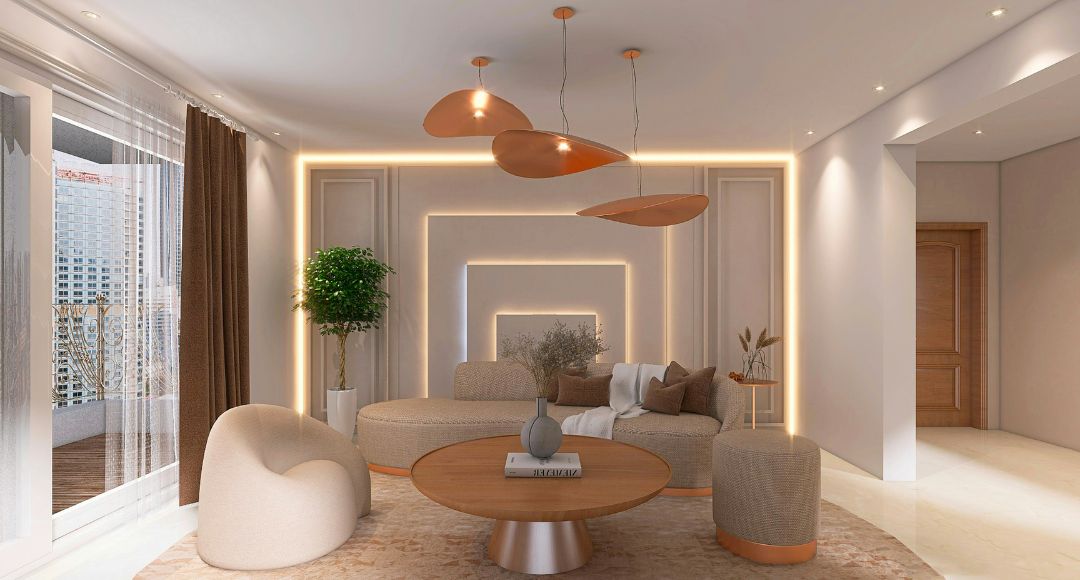
1. A feature wall created with LED Neon Flex immediately draws the eye. The light doesn’t compete with the artwork or furniture, but rather it frames the space itself. LED Neon Flex establishes a clear visual anchor. It commands attention without demanding it.
2. Minimalist yet bold design impact. Minimalism isn’t about absence. It’s about clarity. A single line of light, precisely positioned, can be more daring than an entire gallery wall. LED Neon Flex thrives in minimalist interiors because it does more with less. It achieves impact through restraint.
3. Suitability for contemporary homes. Contemporary homes favour clean finishes and intentional detailing. LED Neon Flex aligns seamlessly with this aesthetic, feeling more deliberate than an afterthought. It complements materials like plaster, concrete, wood panelling, and stone, enhancing their texture without overshadowing them.
Using Light to Define Structure, Not Just Illuminate
A good lighting design is not just about illuminating and adding to the space. It’s about bringing out the beauty from what is already there.
Highlighting architecture
Straight lines, right angles, and repeated forms are hallmarks of modern architecture. LED Neon Flex amplifies these qualities by tracing these lines. Outlining recesses, alcoves, or architectural breaks makes the space’s geometry pop.
Guiding the eye
Light naturally attracts attention. A continuous line guides the eye, creating movement within a space. Use LED Neon Flex to lead the eye from one room to another or from the floor to the ceiling, making the space feel larger and more connected.
Creating rhythm and flow
Installing light lines in repetition creates rhythm, which is particularly effective in open-space interiors. These repetitions can be used to establish zones without physical barriers. Neon Flex can be installed at intervals along a wall or ceiling to create a visual distinction between different areas.
Architectural Lines That Elevate Flat Surfaces
Flat walls don’t have to feel static. LED Neon Flex introduces depth and direction where none previously existed.
Vertical and Horizontal Lines
Vertical light lines draw the eye upward. When installed from floor level toward the ceiling, they enhance the sense of height, making rooms feel taller and more open.
This approach works exceptionally well in apartments with low or standard ceiling heights, where vertical emphasis can dramatically improve spatial perception.
Horizontal light lines have the opposite effect. They stretch the visual field, making narrow rooms feel broader.
Framing With Your Lights
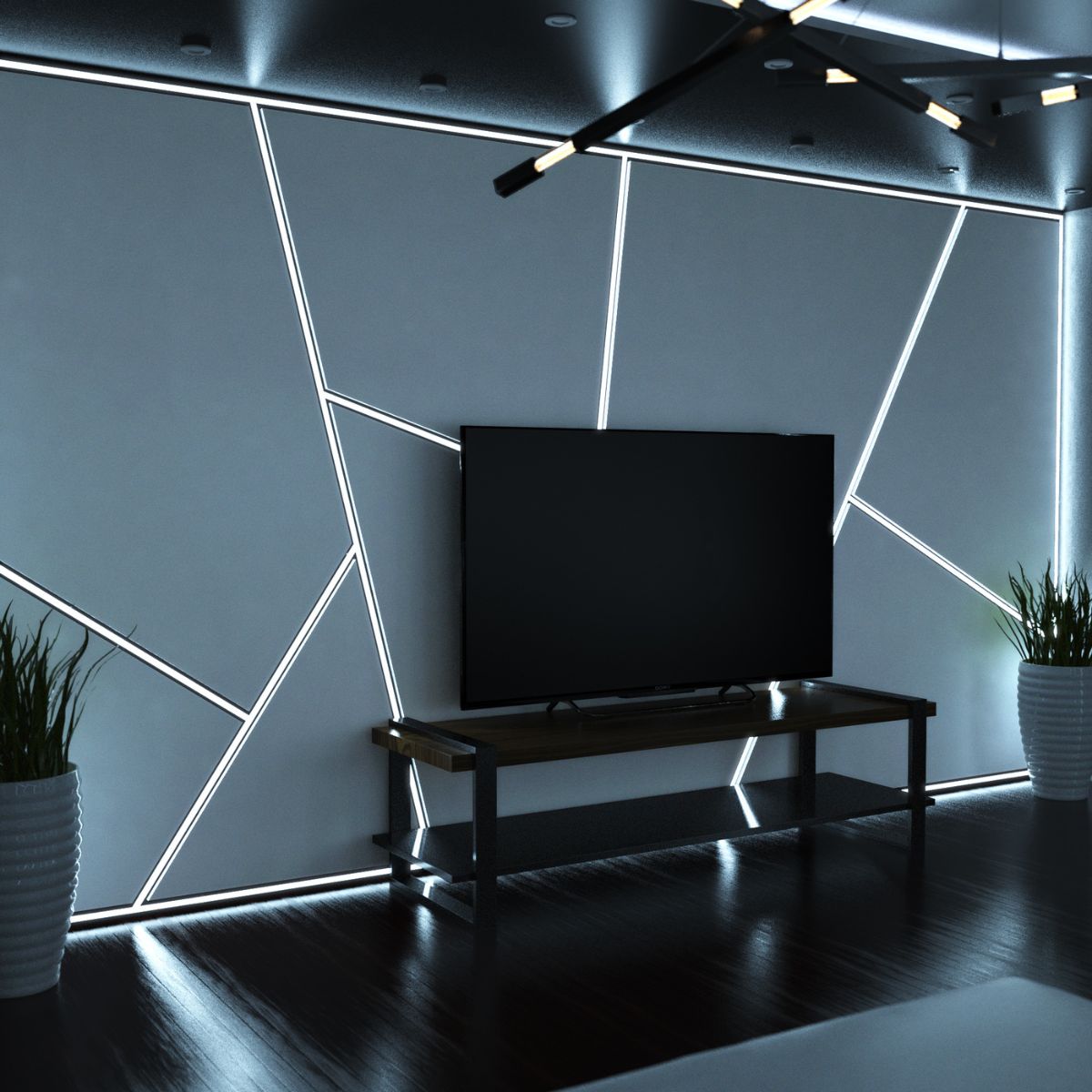
LED Neon Flex can be used to frame architectural features, including fireplaces, media walls, and built-in shelving.
By outlining these elements with light, they take the centre stage without requiring additional materials or ornamentation. The light acts as a quiet undertone, reinforcing their importance in the room.
Feature Wall Ideas That Feel Purpose-Built
The more that the light feels like a part of the design brief, the more successful they are. Rather than mounting LED Neon Flex onto a finished wall, modern designs often integrate it into aluminium profiles, recesses, or grooves. The goal is indirect lighting.
This approach allows the light to sit flush with the surface, reinforcing the idea that it belongs there. The result is cleaner, more refined, and far removed from novelty lighting.
Integrating light with surfaces
LED Neon Flex pairs beautifully with textured surfaces. Wood slats, fluted panels, and stone finishes all benefit from soft linear illumination.
The light enhances texture by grazing the surface, creating gentle shadows, and highlights that add depth and interest without overwhelming the material.
Avoiding novelty looks
Restraint is key. Overusing LED Neon Flex or placing it without a clear purpose can quickly tip a design into gimmick territory, rather than functional.
Thoughtful placement focuses on structure, proportion, and flow. When the light supports these elements, it feels more architectural than decorative.
Popular Feature Wall Applications
Certain spaces lend themselves particularly well to Neon Flex feature walls.
1. Living room focal walls
In modern living rooms, LED Neon Flex is often used to define media walls or seating areas. Vertical or geometric lines can frame a television without distracting from it, or add depth behind a sofa.
2. Behind bedroom headboards
This creates a soft halo or linear backdrop that adds atmosphere without glare. Used vertically or horizontally, it introduces a sense of structure while maintaining the restful quality essential to bedroom design.
3. Hallways and stair feature walls
Hallways and staircases are transitional spaces that benefit greatly from architectural lighting.
LED Neon Flex can trace the incline of a staircase or run along a hallway wall, turning movement through the home into a visual experience rather than a purely functional one.
Combining LED Neon Flex with Other Lighting Layers
Good lighting means layered lighting. While downlights provide general illumination, and LED strips handle task or accent lighting, LED Neon Flex sits comfortably between these layers.
Alone, Neon Flex feature walls or architectural lines won’t work well and will be distracting instead of functional.
Balancing brightness
Feature lighting should enhance, not overpower the space. LED Neon Flex is most effective when it’s slightly softer than general lighting, allowing it to add depth without pulling focus away from how the space is used.
A well-designed space needs to have a clear lighting hierarchy. General lighting establishes usability, task lighting supports activity, and feature lighting adds character. Neon Flex excels in this top layer, providing personality and structure while remaining visually controlled.
Keeping the Look Clean and Contemporary
Modern interiors demand discipline in design choices.
1. Avoiding visual clutter. Every line of light should serve a purpose. Avoid unnecessary overlaps or excessive patterns. Clean, singular gestures are more powerful than complex arrangements, especially in minimalist settings. The idea is to light with intent, not for the sake of it.
2. Consistent colour temperature choices. This keeps spaces cohesive. Mixing warm and cool whites without intention can fragment a design. Most modern interiors favour warm or natural whites for Neon Flex, ensuring the light feels inviting while still crisp.
3. Subtle transitions between lighting types. Transitions between Neon Flex, downlights, and other lighting should feel seamless. When all elements share similar tones and brightness levels, the overall effect is calm and considered.
Choosing Colours, Brightness, and Control Options
LED Neon Flex offers flexibility, but thoughtful selection makes all the difference.
White Neon Flex remains the preferred choice for architectural applications since it enhances form without introducing unnecessary colour. Colour options can work in specific contexts, but restraint ensures longevity and avoids trend-led designs.
Brightness levels, smart control, and dimming
Different rooms require different intensities. A hallway feature might be brighter for guidance, while a bedroom installation should remain soft and subdued. Choosing appropriate brightness ensures comfort and usability across the home.
This is where dimmers and smart controls add versatility. They allow the one feature light to shift between bright daytime to ambient evening scenes, eliminating the need for multiple fixtures.
Scene Setting with Neon Flex
1. Statement lighting vs everyday ambience: The beauty of modern LED neon flex is the ability to shift between eye-catching and functional when needed.
2. Using scenes for evenings and entertaining: Lower brightness levels create intimacy in the evenings, while brighter scenes work for entertaining or showcasing the design.
3. Softening bold designs with dimming: Dimming softens lines and reduces contrast, making even striking designs feel relaxed and comfortable. It’s an essential tool for balancing impact with liveability.
Planning LED Neon Flex for Long-Term Impact
Successful architectural lighting starts long before installation. It’s always ideal to get high-quality lights, yes. But without proper planning and layout, your lights will be more distracting than useful.
Careful planning ensures lines align with architectural features and room proportions. Mock-ups and visualisation help refine placement, preventing costly adjustments later.
Quality installation matters. Clean edges and smooth curves reinforce the premium feel of Neon Flex.
Making Architectural Lighting Feel Timeless
The trick for longer-lasting lights? Remembering that trends come and go, yet thoughtful lighting endures.
It’s not about adding more lights but rather being more intentional with less. Remember not to overuse your Neon Flex; otherwise, you risk overwhelming the space. When LED Neon Flex is used to enhance structure instead of chase trends, it becomes timeless.
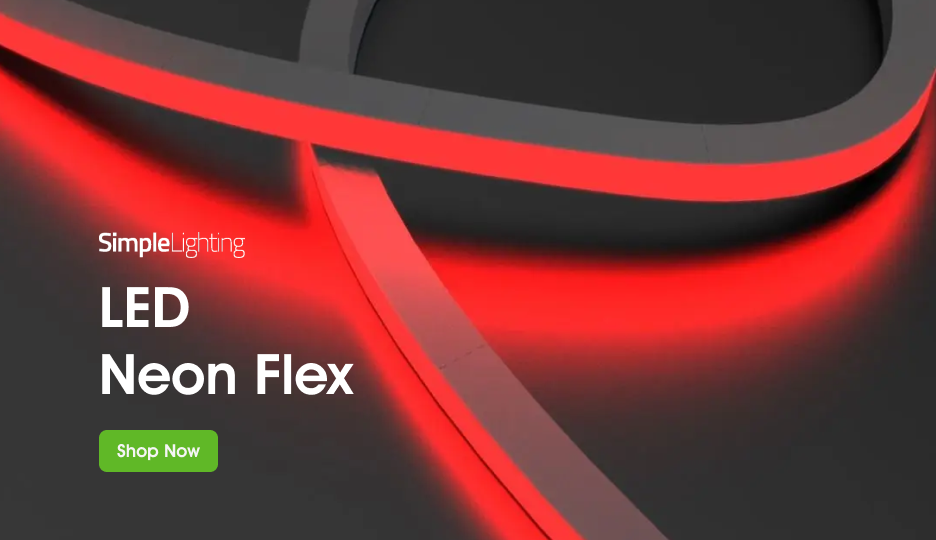
At Simple Lighting, LED Neon Flex is seen not as a novelty, but as a refined architectural tool. You can browse our whole collection to help you get started with creating a feature that fits your home.
More lighting insights also await you here: Modern Lighting Ideas to Upgrade Your Home in 2026.