

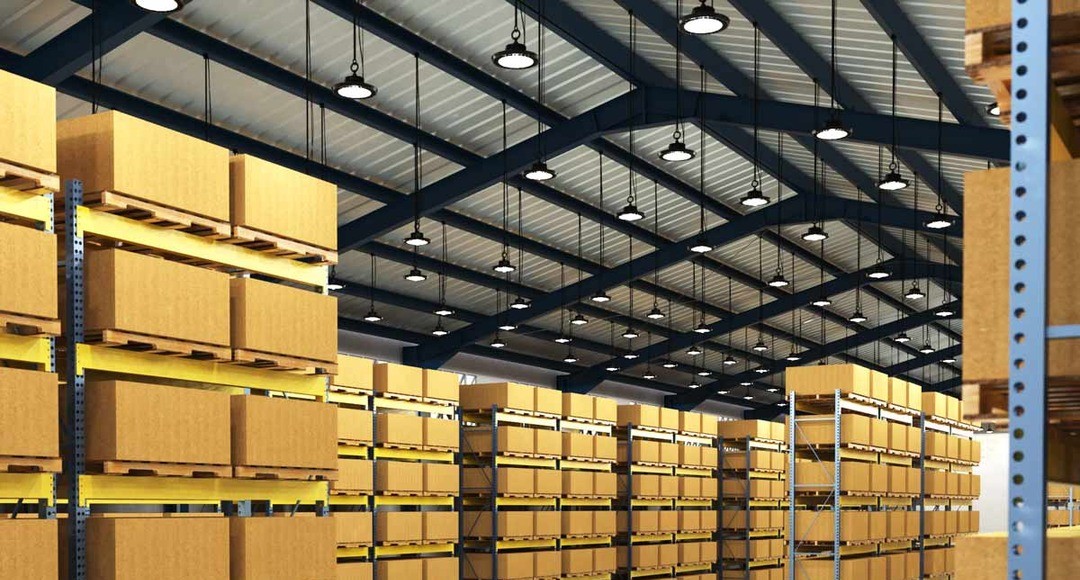
Factory lighting is no longer a background detail. It’s a recognised safety control. What workers can see directly affects accident risk, employer responsibility, and inspection outcomes.
Inspectors now go beyond checking whether lights are installed. They’ll also assess whether lighting actively supports safe work.
Dark zones, glare, uneven coverage, or declining output signal unmanaged risk, particularly around machinery, walkways, and assembly lines. When incidents occur, lighting conditions are increasingly examined as a contributing factor.
This guide explains how factory lighting standards apply in real working environments, where risks typically develop unnoticed, and how to maintain long-term inspection readiness.
Why Factory Floor Lighting Is a Health & Safety Priority in 2026
Lighting requirements vary significantly across a factory floor. Production lines, walkways, storage areas, and maintenance zones all demand different levels of visibility. When lighting does not match how a space is used, hazard exposure increases.
By 2026, safety planning expects lighting to be designed around actual working behaviour. This includes:
- Task complexity and visual detail
- Frequency and direction of movement
- Interaction between people, vehicles, and machinery
Relying on one general lighting approach is no longer sufficient. Lighting must support safe decisions in each specific area.
How Lighting Supports Safe Work in Practice
Effective lighting helps workers spot hazards early, judge distance accurately, and respond quickly to changes in their surroundings. When visibility is consistent, error rates fall and fatigue is reduced.
Well-designed factory lighting helps by:
- Revealing uneven flooring near machines and workstations
- Improving visibility around guards, controls, and moving parts
- Reducing eye strain during detailed or repetitive tasks
- Maintaining clear sightlines in shared working areas
For example, an assembly line handling small components has uneven lighting, causing frequent errors. By improving placement and consistency, accuracy improves and fatigue reduces.
Where Safety Inspections Focus Attention
Understanding how lighting affects safety is only part of compliance. Knowing where inspectors focus their attention is what reduces inspection uncertainty.
Inspections prioritise areas where poor visibility could increase incident likelihood—especially spaces with movement, shared access, or complex tasks.
Lighting is closely reviewed in:
- Machine operating zones
- Pedestrian walkways and crossings
- Forklift and vehicle routes
- Assembly, packing, and dispatch areas
In factories with high racking or large equipment, lighting may appear sufficient from above while leaving floor-level routes in shadow. Inspections are designed to identify these blind spots.
How Poor Lighting Increases Incident Likelihood
When lighting is inadequate, minor, everyday errors become more frequent. Over time, these errors erode safety margins and increase the likelihood of incidents.
Common consequences include:
- Missed changes in floor level near loading bays
- Delayed reactions to forklifts at shared crossings
- Difficulty reading indicators or labels on older machinery
- Incorrect positioning of parts during assembly
After incidents, lighting conditions are routinely reviewed alongside layout and procedures.
Why Older Lighting Systems Create Hidden Risk
Many factory lighting systems were designed for earlier layouts and workloads. As equipment, racking, and processes change, lighting performance often no longer aligns with current use.
Typical hidden issues include:
- Gradual loss of light output as fittings age
- Shadowing introduced by new machinery or storage
- Glare from outdated fixtures over reflective surfaces
- No recent verification of actual light levels
Because these issues develop slowly, they’re easy to overlook. In 2026, they’re increasingly viewed as avoidable compliance failures.
Who Regulates Factory Lighting Safety in the UK?
Factory lighting sits within the UK’s broader workplace safety framework. Regulations focus on outcomes, not brands or products.
Thus, your lighting must:
- Support safe working practices
- Suit the task and environment
- Remain effective over time
HSE Responsibilities and Employer Duties
The Health and Safety Executive enforces workplace safety law, including lighting across factory floors, storage areas, and access routes.
Inspectors assess whether lighting reduces risk in practice—not whether it simply meets a minimum figure on paper.
Employers are expected to:
- Provide lighting appropriate to each task and area
- Identify lighting-related risks in assessments
- Maintain performance as conditions change
- Act when light levels or quality decline
Responsibility remains with the employer, even in leased buildings or with ageing systems.
BS EN 12464-1 and Workplace Lighting Standards
BS EN 12464-1 remains the primary UK reference for workplace lighting. It provides guidance on:
- Recommended light levels
- Uniformity across working areas
- Glare limitation and visual comfort
- Colour quality for accurate work
The standard supports professional judgement and helps demonstrate that lighting risks have been appropriately considered and controlled.
How Standards Are Applied in Practice
Inspectors don’t expect perfection—they expect control and intent. For example:
- General storage areas may require lower light levels than assembly lines
- Walkways must remain visible even when production pauses
- Maintenance zones need safe lighting during access
What matters most is that lighting decisions are deliberate, documented, and reviewed as operations change.
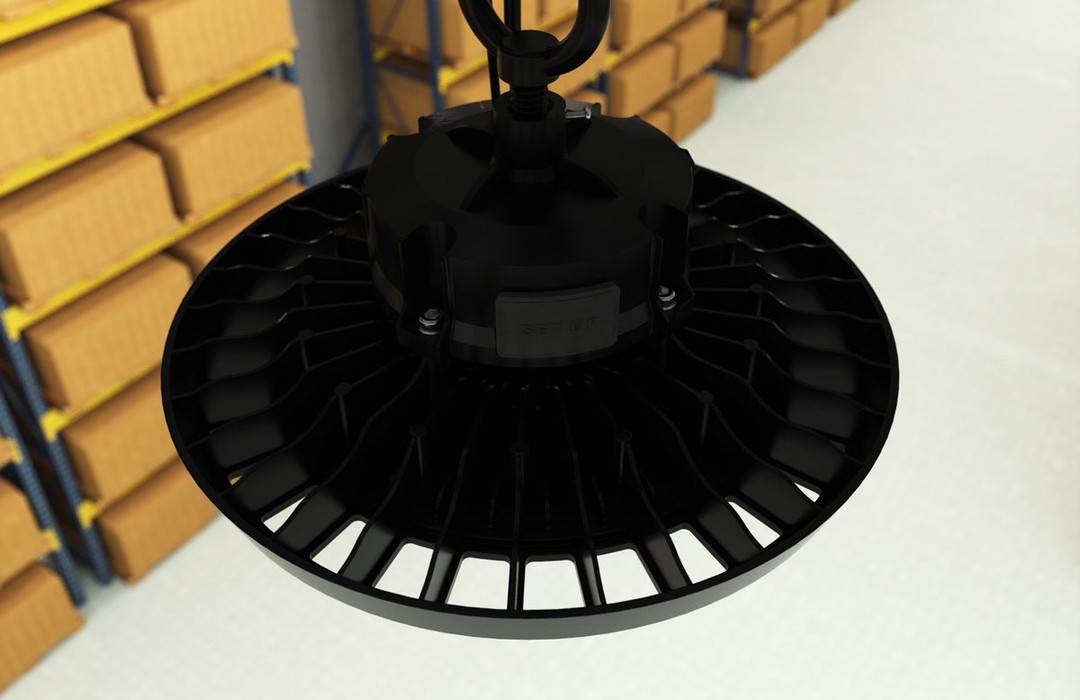
Factory Floor Lighting Requirements Explained (Lux Levels & Beyond)
Lux levels provide a helpful reference point. But they are not the whole picture! Inspectors will also consider uniformity, visual comfort, and whether hazards remain visible throughout the shift.
Use the guidance below as a baseline, not a substitute for assessment.
General Production Areas
These areas support movement, handling, and machine operation.
Lighting should:
- Provide steady, even illumination
- Avoid dark patches between fittings
- Support safe movement around equipment
Typical levels sit around 300 to 500 lux, but consistency matters as much as brightness.
Precision Tasks and Assembly Lines
These tasks demand higher visual accuracy.
Lighting should:
- Be brighter than general production lighting
- Reduce shadows on work surfaces
- Support colour accuracy and fine detail
Typical levels range from 500 to 2,000 lux, depending on task complexity.
Walkways, Vehicle Routes, and Hazard Zones
These areas are safety-critical.
Lighting should:
- Clearly define routes and edges
- Remain effective during low activity
- Avoid glare that hides movement
Uneven or shadowed routes significantly increase the risk of collisions.
Simple Factory Floor Lux-Level Reference Table
|
Factory Type |
Typical Task Type |
Recommended Light Level |
What This Means on Your Floor |
|
General production areas |
Movement, handling, machine operation |
300 to 500 lux |
Even lighting across the area with no dark patches between machines |
|
Assembly lines |
Repetitive or detailed work |
500 to 2,000 lux |
Clear visibility of small parts and work surfaces throughout the shift |
|
Precision tasks |
Fine assembly, inspection, wiring |
500 to 2,000 lux |
High clarity lighting focused on the task area to reduce errors |
|
Walkways and access routes |
Pedestrian movement |
40 to 160 lux |
Routes and edges remain clearly visible at all times |
|
Vehicle routes and crossings |
Forklifts and mixed traffic |
10 to 50 lux |
Vehicles, people, and floor markings are easy to see |
|
Loading bays |
Loading, unloading, reversing |
200 to 400 lux |
Hazards and edges visible in changing light conditions |
|
Maintenance areas |
Servicing and repairs |
500 to 750 lux |
Safe visibility when accessing equipment and working at close range |
What’s Changed for Factory Lighting Compliance Heading into 2026?
Lighting compliance hasn’t changed overnight, but expectations have shifted.
Previously:
- Lighting is installed once
- Compliance assumed
- Issues are addressed after incidents
But heading into 2026:
- Lighting will reviewed continuously
- Performance will be monitored over time
- Risk will be reduced proactively
Lighting is now assessed as a living system that must adapt to layout changes, workloads, and long operating hours.
Greater Emphasis on Risk Prevention
Lighting should prevent hazards before workers encounter them—not rely on signage or behaviour.
This means:
- Hazards are visible in advance
- Routes are clear throughout shifts
- Task areas are readable under normal conditions
Systems that only meet minimum requirements are increasingly questioned.
Expectation of Consistent Performance Over Time
Inspectors consider how lighting performs as it ages.
They expect planning for:
- Output degradation
- Loss of uniformity
- Increased glare
High-bay lights and older installations are particularly vulnerable.
Energy Efficiency Influencing Compliance
Efficient systems often deliver more stable light.
Efficiency supports:
- Predictable output
- Reduced maintenance disruption
- Long-term safety planning
In 2026, efficiency and compliance are closely linked.
Common Factory Lighting Failures That Trigger Safety Issues
Most lighting failures develop gradually and are missed until inspections or incidents occur.
Uneven Lighting and Shadowing
Often introduced after layout changes, especially around machinery, racking, and conveyors.
Glare and Visual Discomfort
Common in reflective environments, leading to eye strain and reduced contrast.
Falling Light Levels
Gradual output loss from ageing fittings creates a false sense of compliance.
Poor Coverage in Shared Areas
Delayed visibility at crossings and loading zones increases risks and mishaps.
Assumed Compliance
Lighting once suitable may no longer match current use. Assumption is now treated as an unmanaged risk.
How Modern LED Lighting Helps Factories Meet 2026 Regulations
Modern LED systems address many risks created by older installations and support long-term compliance.
Stable Light Levels
LEDs maintain output more consistently, reducing sudden drops and improving inspection confidence.
Improved Light Quality
Clearer contrast, better visibility of markings, and reduced visual strain.
Lower Maintenance Risk
Fewer high-level interventions and less disruption to production.
Reliable Performance
Well-suited to long shifts, frequent switching, and demanding environments.
Safety and Efficiency Together
LED systems support required light levels while reducing energy use and reactive maintenance.
Smart Controls and Factory Lighting Safety
Controls must support safety first—efficiency second.
Key Principle
Any control strategy that reduces visibility below safe levels is non-compliant, regardless of energy savings.
Zoned Lighting
Allows light levels to match task demands across different areas.
Night Shift Support
Consistent background lighting and smooth adjustments reduce fatigue-related risks.
Reduced Human Error
Automation ensures critical areas remain lit without relying on manual switching.
How to Check If Your Factory Floor Lighting Is Compliant
Regular checks reduce uncertainty before inspections.
Warning Signs
- Noticeably darker areas
- Workers repositioning to see tasks
- Eye strain complaints
- Increased use of task lights
Review After Changes
Continually reassess lighting after machinery moves, layout changes, or shift updates.
When to Carry Out a Lux Survey
Useful before audits, after changes, during upgrades, or when compliance is unclear.
Supporting Records
Keep lux surveys, maintenance logs, risk assessment notes, and upgrade records.
Factory Floor Lighting Compliance Checklist for 2026
A simple checklist helps you review lighting quickly and consistently. Confirm that:
- Light levels match each task
- Coverage is even
- Glare is controlled
- Shared routes are clearly visible
- Emergency lighting is tested
- Documentation is current
Factory Lighting Solutions
Effective lighting is a system, not just fittings.
Industrial LED Systems
Designed for heat, dust, height, and extended operating hours.
Compliance-Focused Upgrades
Planned around safety needs, not just energy targets.
Ongoing Support
Advise during layout changes, performance checks, and audit preparation.
Planning for the Future
Lighting that supports future operations reduces downtime costs.
Simple Lighting works with factories to plan upgrades that balance safety, performance, and efficiency.
Key Takeaways: Staying Compliant Beyond 2026
When lighting is planned, reviewed, and maintained, incident exposure falls and inspections become more predictable. Proactive upgrades prevent hidden issues before they affect people or productivity.
Factories that treat lighting as a long-term safety asset (supported by clear records and reliable performance) protect both workers and the business.
If you want confidence heading into 2026, Simple Lighting can help you achieve factory lighting that supports safety, efficiency, and long-term inspection readiness.
For more industrial lighting insights, check out Industrial & Warehouse Lighting – The Complete UK Guide.