
When it comes to bathroom lighting, few choices are as smart, stylish, and practical as LED bulbs. They’re bright, energy-efficient, long-lasting, easily replaceable, and safe for use in humid environments. (With the latter as the most crucial feature.)
Depending on the style you’re going for and the current bathroom activity, the right LED bulb can completely transform the look and feel of your bathroom.
LEDs offer the versatility every modern bathroom deserves. You can have crisp task lighting for grooming and getting ready for the day, or a soft, spa-like ambience for unwinding in the evening.
In this guide, we’ll explore how to choose the best LED bulbs for your bathroom, so that you can create a space that’s not only functional but also aesthetically pleasing.
Why LED Bulbs Are Perfect for Bathrooms
LED lighting has become the gold standard for bathrooms across the UK. Not just because it’s the latest innovation in lighting technology, but because they’re better in all aspects than their predecessors, the fluorescent and halogen lamps.
LED bulbs combine cutting-edge technology with sleek aesthetics, offering a practical yet stylish solution for everyday lighting needs.
Energy Efficiency and Longevity
LEDs are now synonymous with the words “efficiency.”
These lights consume significantly less energy than halogen or incandescent bulbs, cutting your electricity costs by up to 80%. Not only that, they’re also built to last, since most LEDs provide an average of 25,000 hours of illumination, with some even reaching up to 50,000 hours.
Compare that to an incandescent’s average of 1,000 hours of illumination, and the difference is evident. It’s great and all, but why does it matter? That’s because a longer lifespan means less frequent replacement, less waste, and more consistent lighting throughout your bathroom.
Safe for Moisture-Prone Areas
Water and electricity don’t get along. That’s why bathrooms are tricky environments to light due to their high levels of moisture and humidity.
Fortunately, LED bulbs emit minimal heat and, when used in the correct IP-rated fixtures, remain perfectly safe in damp or even wet zones. This makes them an ideal choice for areas near showers, sinks, and mirrors, where both safety and visibility need to go hand-in-hand.
Sleek and Modern Aesthetic
LED bulbs are also perfect for contemporary bathrooms. They’re compatible with minimalist fittings and provide clean, even light that complements modern decor. Think recessed downlights, wall sconces, or illuminated mirrors.
LEDs are sure to create a bright and uncluttered finish that enhances the design of your space.
Understanding Brightness: Lumens vs. Watts
If you’re still looking at watts when selecting your bathroom lights… Stop.
Watts indicate the amount of power a light consumes to operate. What you need to look for instead is lumens: the measure of light output. That’s what determines how bright a light fixture will be.
What Are Lumens?
Lumens indicate the total amount of visible light a bulb emits. Simply put, the higher the lumens, the brighter the bulb.
Here’s an example:
A 60W incandescent bulb typically produces around 800 lumens of brightness. An LED bulb typically only needs around 8-10W to produce the same 800 lumens. This goes to show that lumens, not watts, are the true measure of brightness.
For most standard bathrooms, bulbs in the range of 700–900 lumens per fitting strike the ideal balance between clarity and comfort.
How Many Lumens Does a Bathroom Need?
You should aim for 50 to 75 lumens per square foot (approximately 530 to 800 lumens per square metre).
A small bathroom that’s about 40 sq ft will need 2,000 to 3,000 lumens, while a medium-sized family bathroom (about 100 sq ft) usually benefits from 5,000 to 7,500 lumens across multiple fittings.
Larger bathrooms or those with limited natural light may need upwards of 8,000 lumens to ensure full coverage.
Tips for Even Illumination
Don’t try to get the total required lumens with just one light fitting. For consistent, shadow-free lighting, layer multiple fittings. What does that mean?
Combine ceiling downlights with task lighting around mirrors, cabinets, or wall scones. This not only enhances brightness but also prevents harsh shadows, which is especially useful for detailed tasks such as shaving, makeup application, or skincare routines.
Choosing the Right Colour Temperature
Colour temperature determines how warm or cool the light looks and feels, significantly affecting the bathroom’s mood. There are three different colour temperature “levels,” and they’re measured in Kelvin (K). This value will help you tailor lighting to your preferred look and function.
Warm White (2700K–3500K): Relaxed and Cosy
Warm white bulbs emit a soft, golden glow ideal for spa-like bathrooms or relaxing en-suites. This colour temperature creates a comforting, luxurious feel that complements natural materials, such as wood or stone.
Cool White (5000K–6500K): Crisp and Energising
Cool white lighting is bright, clear, and slightly blue-toned. They’re perfect for morning routines or grooming tasks that demand visibility. Cool white lighting mimics daylight and enhances focus, making it ideal for vanity or mirror lighting.
Natural White (4000K): Perfect Everyday Balance
If you’re looking for versatile, balanced lighting (neither too warm nor too cool), then natural white light offers the best of both worlds. It provides accurate colour rendering without feeling harsh, making it the perfect choice for family bathrooms used throughout the day.
Efficiency and Cost Savings with LED Bulbs
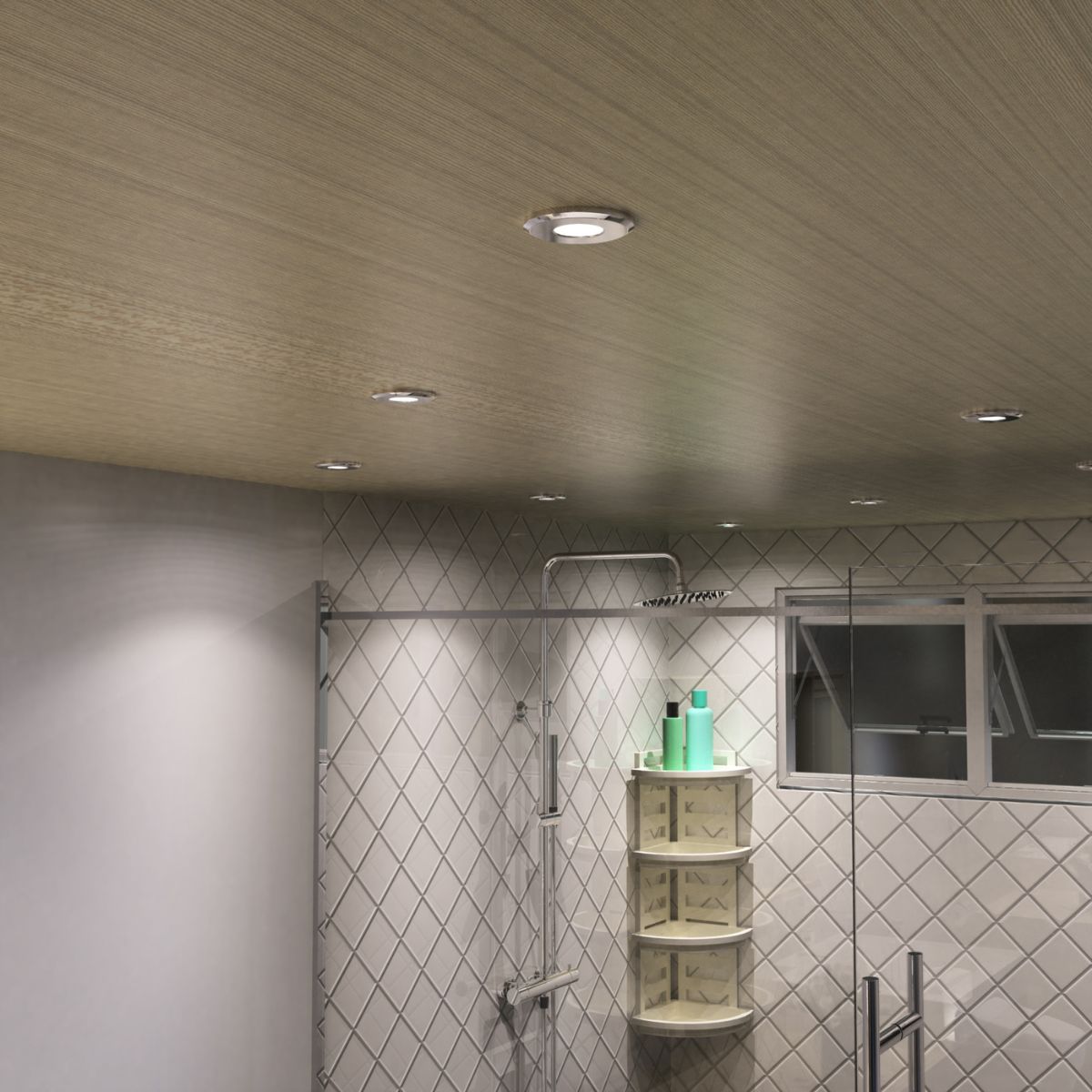
Why upgrade to LEDs? You get better lighting, money-saving, and support for a more sustainable home.
Lower Energy Bills
LEDs convert up to 90% of electricity into light, which is why they require less energy (since there’s less waste) to produce the same brightness as traditional lights, sometimes even more. This immediately reduces energy consumption.
Over time, that adds up to noticeable savings on your electricity bills, especially in frequently used rooms like your bathroom.
Long Lifespan and Reduced Maintenance
With most LEDs lasting well over 25,000 hours, you’ll replace them far less often. That means less hassle, lower maintenance costs, and no more awkward bulb changes above the shower!
Eco-Friendly Choice
Unlike older fluorescent or halogen options, LEDs contain no mercury or toxic materials, and their components are mostly recyclable. Their efficiency also means fewer replacements, which reduces overall waste and supports environmentally responsible living.
Want to contribute to helping the planet? Take the first step and switch to LED lights.
Safety Considerations for Bathroom LED Bulbs
As we’ve established earlier, bathrooms require extra caution when it comes to lighting safety. To ensure compliance and protection, you’ll need to consider both moisture resistance and fire safety.
Understanding IP Ratings
Ingress Protection (IP) ratings indicate the level of protection your lights have against solid and water ingress. These are distinguished by the numbers you’ll see in the ratings.
For example, an IP20 rating indicates some protection against solid objects (the maximum rating is 6), but no protection against water (the maximum rating is 8).
Lighting in bathrooms is divided into zones based on exposure to water. The most common IP ratings you’ll see and will need are:
- IP44: Suitable for areas near sinks or where splashes are likely. Note that this can’t withstand strong jets of water.
- IP65: Designed for wet zones, such as above a shower or bath.
- IP67 and IP68: Both dust-tight and water-tight. Perfect protection in super wet zones, such as the shower area or Zone 0.
Always choose bulbs and fittings that match your bathroom’s zone layout for complete peace of mind. To learn more about bathroom zones, refer to “Bathroom Lighting: IP Ratings, Zones, and Brightness.”
Fire-Rated Options
If your bathroom ceiling is part of a fire barrier (common in UK homes), it’s crucial to use fire-rated downlights.
Installing lights, especially downlights that need cut-out holes, compromises the integrity of your ceiling. Fire-rated fittings prevent flames and heat from spreading through ceiling cavities, maintaining your bathroom’s safety standards.
Professional Installation
Replacing LED light bulbs can be done without professional help. But when you’re just installing your lights, which includes wiring and tapping to your mains power, installation should be handled by a qualified electrician.
Yes, even when you’re using the “safest bulb.” This ensures compliance with building regulations, protects your warranty, and guarantees your bathroom lighting is both beautiful and secure.
Bulb Shapes and Fittings for Bathrooms
Not all bulbs are made the same. The shape and fitting of your LED bulb can influence not only the style but also how the light is distributed. Choosing compatible bulbs ensures your fittings look great and perform efficiently. Also that it works.
GU10 LED Bulbs
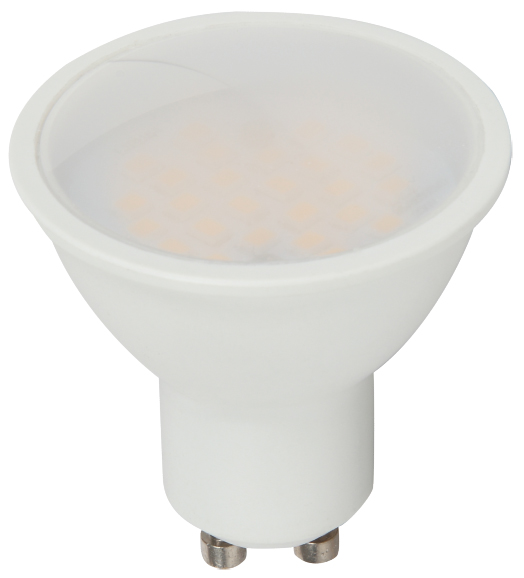
They’re the most common type of spotlights found in homes. You can easily identify them through their base: two short pins that protrude 10mm apart.
Compact and directional, GU10 LED bulbs are the go-to choice for recessed or ceiling downlights. They deliver focused illumination that’s ideal for task areas and can be installed in both dry and damp zones with the correct housing.
G9 LED Bulbs
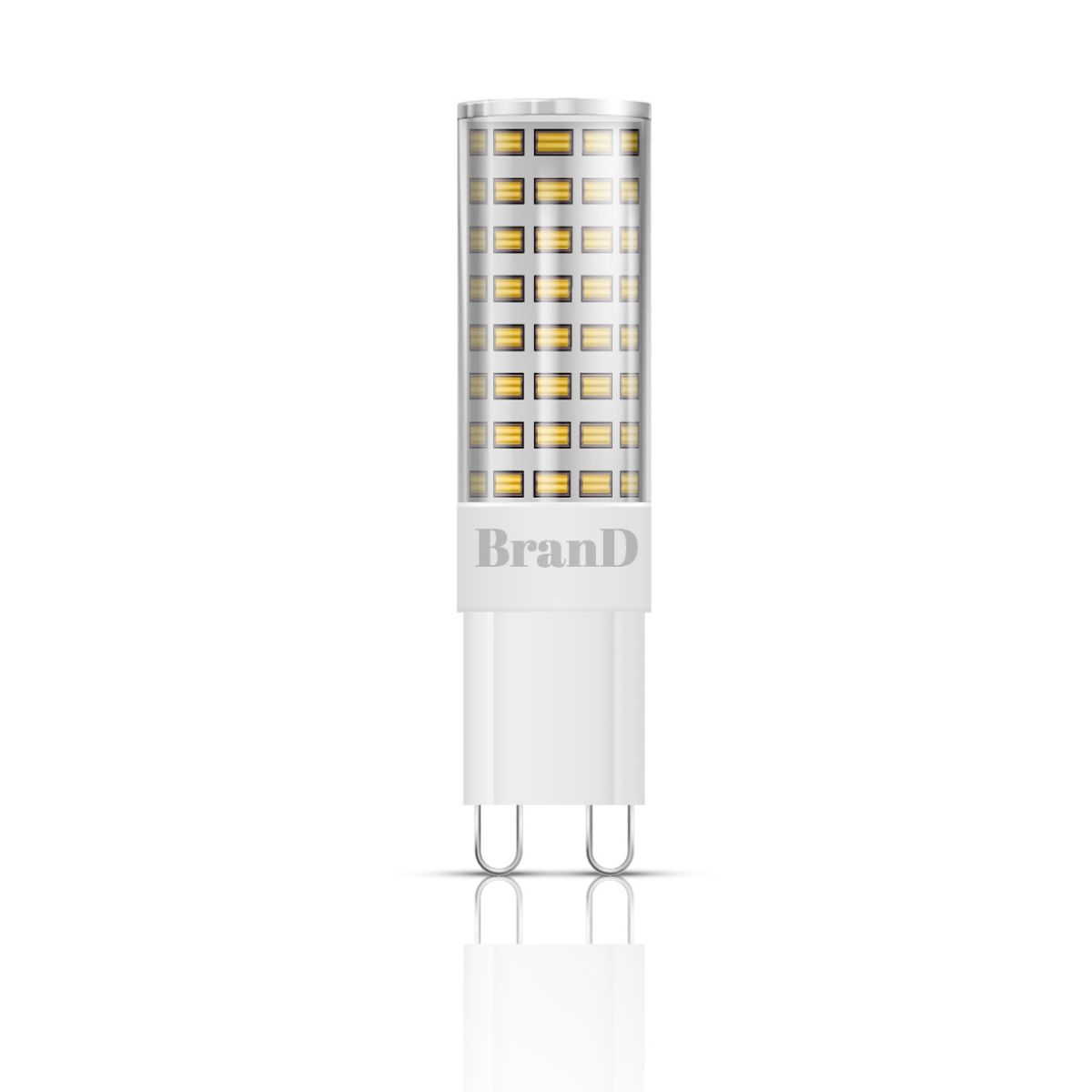
The G9 bulb features a bi-pin base with the pins 9mm apart, hence the name. These small capsule bulbs are perfect for decorative wall lights and modern fixtures, adding ambient or accent lighting that enhances the bathroom’s character.
E27 and E14 Bulbs
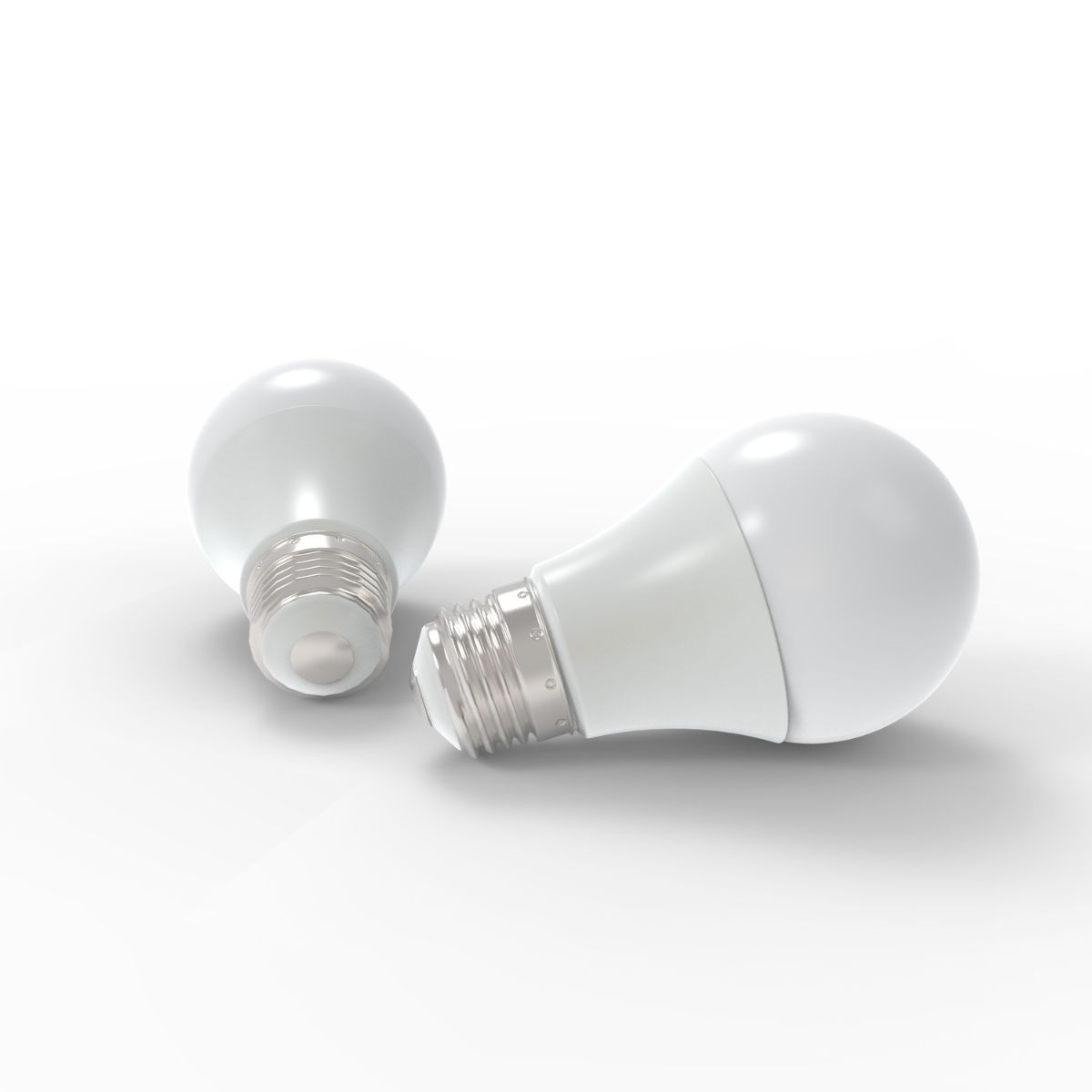
These are among the most widely used bulbs today. The difference between the two is, you guessed it, the size of their bases, with one being 27mm and the other 14mm in diameter.
These are used popularly in pendant or wall-mounted fittings and have a screw base, working best in drier zones. They’re a stylish way to add warmth and texture to your bathroom lighting plan.
Smart and Dimmable LED Options
Let’s face it: traditional light bulbs do nothing else other than produce steady light. That’s alright for the most part. But for those who value comfort and convenience (like us!), smart and dimmable LED bulbs take bathroom lighting to the next level.
Dimmable LEDs for Custom Lighting
Adjust brightness levels to match your mood or task: bright for grooming, applying makeup, and skincare routines; low for relaxing baths.
Dimmable LEDs allow flexibility without sacrificing energy efficiency. You also don’t need to install additional lights, since you can adjust the brightness of what you currently have.
Smart Bulbs for Automation
With Wi-Fi or Bluetooth-enabled smart LED bulbs, you can control lighting through a dedicated app or voice commands by integrating your lights into a smart home system, such as Google Home, Apple HomeKit, and Alexa.
Set schedules, create scenes, and fine-tune your bathroom ambience effortlessly. “Hey Alexa, switch to bath mode.”
Styling Tips: Create the Perfect Bathroom Mood
Lighting isn’t just practical. It’s a design statement. Let us give you a few tips on how to combine brightness and tone for a stylish, well-balanced bathroom.
Layer Lighting with Mirrors and Strips
Layering light sources adds depth and sophistication to your bathroom.
Instead of leaving it flat and dull, by layering your lights, you can add depth and personality to any given space. Try pairing ceiling downlights with an LED bathroom mirror or under-cabinet strips to eliminate shadows and enhance the sense of space.
Reflect Light with Glossy Surfaces
Use reflective tiles, mirrors, and chrome fittings to amplify brightness. This trick helps smaller bathrooms appear larger and more spacious.
In contrast, a bathroom with shadowy corners and dark colour-dominated design feels more claustrophobic and smaller than it actually is.
Coordinate Bulbs with Fixture Finishes
Choose bulbs and trims that complement your bathroom’s colour palette.
Installing random coloured bulbs and fixture finishes can create an unbalanced and messy look. What you want to do is match warm or cool tones across fittings to create a cohesive, designer finish.
From Dull to Dazzling
The perfect light bulbs for your bathroom?
They need to strike a balance between brightness, colour accuracy, and efficiency, all while ensuring safety in humid and moist environments. This isn’t just for practical reasons, but also for style and aesthetics.
Get one of these three wrong, and you’re left with a bathroom that’s dark, unbalanced, and not pleasing to spend time in. Whether you prefer the energising clarity of cool white or the calming glow of warm white, LEDs offer the performance and flexibility to suit your style.
It’s time to upgrade your bathroom lights. Check out Simple Lighting for our comprehensive range of high-quality, IP-rated LED bulbs, designed for every bathroom size and setup.
Get more bathroom lighting wisdom when you check out Bathroom Lighting Buyers Guide.