

Understanding LED Lighting Efficiency
LED lighting is a marvel of efficiency. It's a master at converting most of the electricity it consumes into light, with only a fraction wasted as heat. This unique trait allows LEDs to produce superior luminance, even with a relatively low wattage requirement, setting them apart! If an LED transforms 95% of the electricity it consumes into light and only 5% becomes heat, it’s the opposite for incandescent bulbs. Most end up as heat, and a tiny amount becomes light. Although fluorescent fixtures are more efficient than incandescent, they still cannot come close to the level of energy efficiency LED lights have.Choosing the Right LED Lights
LED lighting is not just LED light bulbs. They have a wide array of selections, allowing you to achieve the lighting design you've always wanted. Because of the many varieties, there are specifications that you need to consider before you arrive at the product that you'll use. What are they?Selecting Energy-Efficient LED bulbs
The selection process for an LED bulb involves three key considerations: lumens, wattage, and colour temperature. To determine each, you have first to identify the bulb's use. Will it be for task or ambient lighting? An LED bulb for task lighting must have a high lumen count and either a cool white or natural white colour temperature. This will give the user a brilliant and comfortable working space and encourage them to stay focused and productive. Ambient lighting depends on the room. The bedroom ambient lighting does not need to be as bright as the ambient lighting in the kitchen. You need to identify the areas where you rest and work to determine the appropriate brightness and colour temperature. In the kitchen, ambient lighting must be natural white or cool white, while in the bedroom, you can use warm white for extra cosiness!Energy Star Rating
When buying LED lighting, you still need to consider the quality of the fixture. Refrain from assuming that it will be top-tier just because it's LED. Be aware that there are cheap and low-quality LED lights for sale! To guarantee that the fitting is of top quality, check if it has an Energy Star rating and only purchase from trusted suppliers and manufacturers.Smart LED Options
Many smart LED options offer more energy savings than standard LED fixtures. If you want to enhance the energy efficiency of your lighting system further, check for smart alternatives!
Strategic Usage of LED Lights
With strategic placement and correct usage, you can elevate the efficiency level of your LED lights.Optimal Lighting
When designing the lighting plan in each room, guarantee the system is effective and efficient. Here's an idea of how many lumens are required for each room.Living Room:
- Ambient lighting: 1,500-3,000 lumens
- Task lighting: minimum of 400 lumens
Kitchen:
- Ambient lighting: 5,000-10,000 lumens
- Task lighting: minimum of 450 lumens
Bathroom:
- Ambient lighting: 4,000-8,000 lumens
- Task lighting: minimum of 1,700 lumens
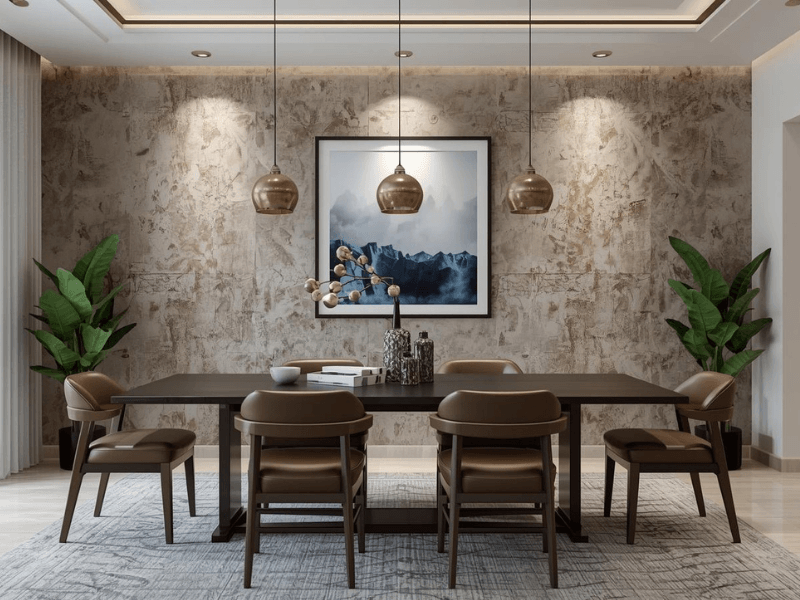
Dining Room:
- Combined ambient and task lighting: 3,000-6,000 lumens
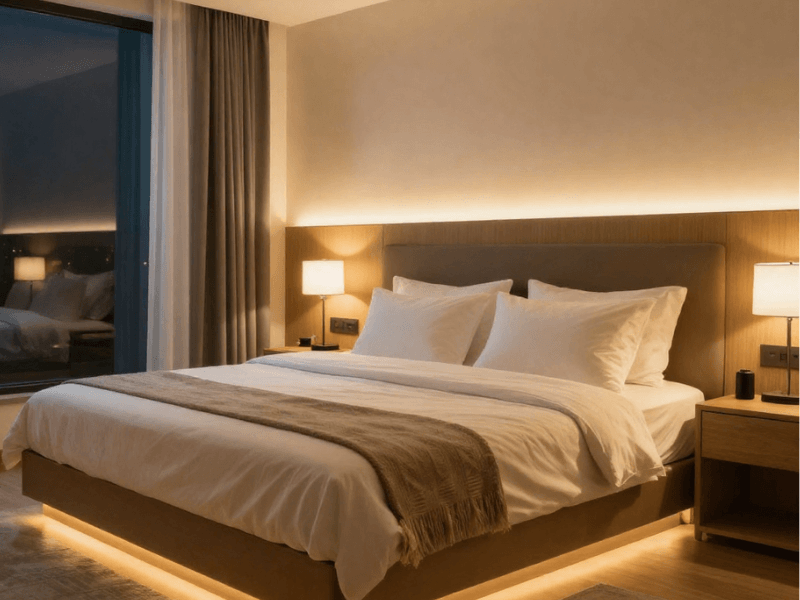
Bedroom:
- Ambient lighting: 2,000-4,000 lumens
- Task lighting: minimum of 500 lumens for every reading light
Dimmable LEDs
Yes, LED lighting is energy-efficient. However, is it possible to level it up even more? Dimmable LED lights can cut your energy consumption in half! When you're dimming your lights, the power they require lessens. Because of this, not only will you have more significant energy savings, but you'll also have a decrease in your maintenance cost since the fitting will last longer at a lower power and brightness!


0 comments