Keeping hazardous environments safe is no joke. It’s hundreds of small, correct decisions made every day that keep a facility safe. Lighting is one of those choices that often goes unnoticed.
Lighting switches on, provides illumination, and keeps work going. But in ATEX zones, lighting can also be the silent trigger that turns a controlled risk into a serious incident.
In this guide, we’ll discuss what ATEX is, its classifications, why standard industrial LED lighting solutions aren’t enough, and how properly specified LED solutions help maintain safe, compliant operations.
Why ATEX Lighting Is Critical in Hazardous Environments
Hazardous areas exist because something in the air or on surfaces that can burn or explode if ignited. That ignition does not need to be dramatic either. A hot surface, a tiny electrical spark, or even static discharge can be enough.
You might already realise this, but lighting sits right in the middle of this risk.
Many hazardous atmospheres contain flammable gases, vapours, or fine dust particles. These substances can form explosive mixtures with air. Lighting equipment can generate heat, electrical arcs, or mechanical impacts that can become ignition sources.
Legal and safety consequences
Incorrect lighting does not just increase the chance of an incident. There are also serious legal and safety consequences for improper lighting in hazardous facilities. In the UK, employers have a legal duty under health and safety law to assess explosion risks and properly control them.
Installing non-certified lighting in an ATEX zone can raise red flags on risk assessments and breach regulations. This can even lead to fines, legal action, or prosecution.
Lighting is often the weakest link in ATEX compliance for a simple reason: It is easy to assume that “industrial-grade” means “safe enough”. A robust-looking metal body and high IP rating do not necessarily mean they’re designed and tested for explosive atmospheres.
That assumption has led to many costly and dangerous mistakes you do not want to make yourself.
ATEX lighting exists to remove that uncertainty. So, what is it?
What Does ATEX Mean? A Plain-English Overview
ATEX lighting is about risk elimination. The goal is simple: remove every possible ignition source from an environment where flammable gases, vapours, or combustible dusts may be present. In other words, preventing explosions in hazardous environments.
The term ATEX comes from the French Atmosphères Explosibles, or “Atmosphere Explosive,” as we promised an English overview here. This refers to a set of European directives that regulate equipment and working practices in explosive atmospheres.
The directive defines how products must be designed, tested, certified, and marked before they can be legally used in certain environments.
The ATEX Difference
Standard industrial lighting focuses on durability, energy efficiency, and performance. ATEX-certified lighting goes beyond that. It must control surface temperature, prevent sparks, contain internal faults, and resist environmental conditions that could compromise safety… all at the same time.
In the UK, ATEX lighting is legally required wherever an explosive atmosphere may occur during normal operations or during foreseeable events involving a fault.
Industries that come to mind: oil and gas sectors, chemical manufacturing, pharmaceutical production, food processing, waste handling, and logistics facilities handling flammable materials.
If a risk assessment identifies a hazardous zone, ATEX compliance is not optional.
Hazardous Area Classification Explained
This is the foundation of ATEX compliance. Hazardous area classification defines where and how often explosive atmospheres may be present. Lighting requirements are directly tied to this classification.
Gas & Vapour Zones (Zone 0, Zone 1, Zone 2)
Zone 0
You know how, in zombie outbreak movies, they call the location where the virus originated “Ground 0”? The idea is similar. This is the highest-risk environment. An explosive gas or vapour atmosphere is present continuously, for long periods, or frequently.
Lighting in Zone 0 must provide the highest level of protection, as ignition risk is constant. Examples include the inside of fuel tanks, certain chemical process vessels, or confined spaces with continuous vapour presence.
Zone 1
An explosive gas or vapour atmosphere is likely to occur during normal operation. More intermittently than the constant in zone 0. Typical environments include refineries, chemical plants, and fuel transfer areas. Lighting here must be designed to remain safe even in the event of faults.
Zone 2
An explosive atmosphere is unlikely during normal operation, and if it does occur, it will last only briefly. This can be caused by leaks, spills, or abnormal conditions.
But make no mistake! Zone 2 remains hazardous, and lighting must remain ATEX certified. The only difference is that the protection level required is lower than Zone 0 or Zone 1.
Dust Zones (Zone 20, Zone 21, Zone 22)
Yes, dust explosions are a real thing that can happen, and they’re just as destructive as gas explosions. Dust zones are similar in idea to the gas and vapour zones.
Zone 20
Combustible dust is continuously or persistently present. This often occurs inside equipment such as silos, mixers, or conveyors. Lighting requirements are extremely strict.
Zone 21
Combustible dust is likely to occur during normal operation. Examples include areas around bagging/filling stations, packaging lines, or dust extraction systems in food processing or manufacturing.
Zone 22
Combustible dust is unlikely during normal operation but may occur for short periods. Grain storage, woodworking facilities, and some manufacturing areas often fall into this category.
These zone classifications determine which types of lighting are legally and technically acceptable. That’s why understanding these zones is essential.
How ATEX Zones Affect Lighting Requirements
ATEX zones are not just labels. They dictate how lighting must be designed, tested, and installed. Higher-risk zones entail more severe consequences in the event of failure, so they require stricter certification.
In Zone 0 or Zone 20, lighting must remain safe even if multiple faults occur. In farther zones (Zone 2 or Zone 22), the focus is more on preventing ignition under normal operation and foreseeable abnormal conditions.
Lighting Considerations
One of the most important considerations is temperature. Every flammable substance has an ignition temperature. ATEX lighting must be designed so that its surface temperature never reaches that point.
Another critical factor is controlling potential ignition sources. This includes electrical sparks, hot components, mechanical friction, and even static electricity. Your lighting’s specifications must match the exact zone classification, gas group, dust type, and environmental conditions.
Choosing lighting because it “looks sturdy enough” without aligning it to these requirements creates hidden risk.
Why Standard Industrial Lighting Is Unsafe in ATEX Zones
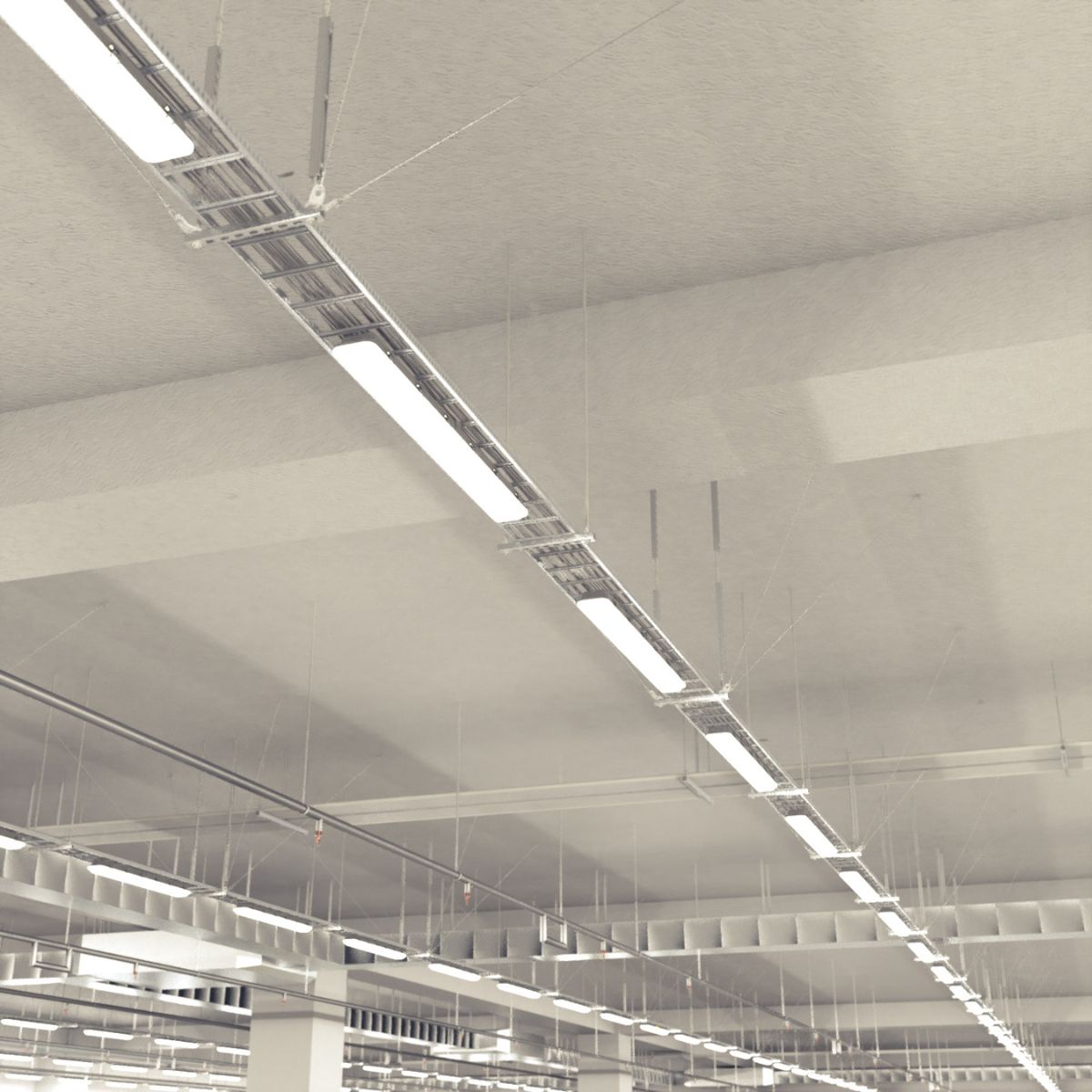
Standard industrial lighting is not designed for explosive atmospheres, even if it appears robust.
One major issue? Heat build-up. Many conventional lighting fixtures generate significant surface temperatures, especially in enclosed fittings. In an ATEX zone, that heat alone can be enough to ignite gases or dust.
Another issue to look out for is the risk of sparks and electrical faults. Standard fittings are not designed to prevent sparks from escaping the enclosure. A single component failure can become an ignition event.
You also want to be wary of sealing failures. In industrial environments, dust, moisture, chemicals, and vibration can degrade the seals on your light over time. ATEX-certified lights address this problem.
Legal and Insurance Implications
From a legal and insurance perspective, using non-certified lighting in a hazardous area is a serious liability. It can invalidate insurance cover, undermine compliance audits, and expose organisations to enforcement action.
What Makes ATEX-Certified LED Lighting Safe
ATEX-certified LED lighting is designed to eliminate ignition risk through multiple layers of protection. Safety is built in, not added on.
Explosion-Protected Design Features
ATEX lights have carefully engineered housings that prevent ignition in hazardous spaces. How? By encapsulating electrical components and sealing enclosures. If an electrical problem happens, it’s contained inside the fixture.
Using impact-resistant materials also prevents damage that could expose internal components or compromise seals.
Temperature Control and Heat Dissipation
LED technology already produces less heat than traditional lighting, but there’s still heat, nonetheless. ATEX fixtures go further by efficiently managing and dissipating heat, keeping surface temperatures well below ignition thresholds.
This is where temperature classes, often called T-ratings, come into play. This clearly defines the luminaire’s maximum surface temperature. For safe operations, always select the correct T-rating for the substances present.
Ingress Protection and Environmental Durability
Ingress protection (IP) is especially important in hazardous areas. ATEX lighting typically carries high IP ratings to prevent dust and moisture from seeping into the fixture. This ensures both safety and longevity.
The fixture’s durability is determined by the materials used: ideally, they should be able to resist corrosion, chemicals, and cleaning processes.
When talking about safety and compliance, all of these things are crucial and never optional.
LED vs Traditional ATEX Lighting in Hazardous Areas
ATEX lighting is not a new advancement in lighting and safety campaigns. Fluorescent and discharge lamps have been used in hazardous areas for decades. However, with the dawn of LED, we’ve come to know that the former had limitations.
The key difference is reliability. LEDs offer significantly longer lifespans, reducing the need for frequent maintenance. In hazardous areas, maintenance itself introduces risk.
With reduced maintenance, there are fewer lamp changes, which means fewer shutdowns, fewer permits, and less exposure to danger for maintenance teams.
Energy efficiency is another advantage. LEDs consume less power. They also generate less heat, which is perfect in high-risk zones.
Common ATEX Lighting Mistakes That Increase Risk
A little mistake can be dangerous in high-risk spaces. Here are some avoidable mistakes you can easily steer away from:
Misidentifying zone classifications – Zones can change over time as processes, materials, or layouts evolve. Forgetting to adjust classifications can lead to incorrect lighting choices. And here, incorrect means dangerous.
Installing fittings with the wrong temperature class – Even ATEX-certified equipment can be unsafe if its T-rating does not match the ignition temperature of the substances present.
Believing that “industrial-grade” equals ATEX-safe – This is a common (and might I say, very dangerous) assumption.
Poor documentation – This is a hidden risk. Certification records, installation details, and maintenance logs must be accurate and accessible. Otherwise, you’ll have problems with compliance.
How to Specify the Right ATEX LED Lighting Solution
There’s a structured, safety-led process in specifying ATEX lighting.
1. Confirm the zone classification and identify the substances present. This includes gases, vapours, or dusts, along with their ignition temperatures and properties.
2. Select fixtures that are clearly certified for the specific zone, gas or dust group, and temperature class. Certification markings should be clear and traceable.
3. Plan the lighting layout carefully. Mounting height, beam angles, and spacing all affect performance and safety. Maintenance access should be considered from the start to minimise future risk.
4. Work with lighting specialists who understand ATEX requirements. DIY might not be a great idea in a hazardous lighting environment. Getting an expert can prevent accidents and costly corrections later.
Key Takeaways: Safe, Compliant Lighting in ATEX Zones
ATEX lighting is not just about brightness or efficiency. It is about protecting people and facilities in environments where a simple mistake can carry serious consequences.
In hazardous environments, proper lighting carries a heavier burden than in standard industrial settings.
Correct hazardous area classification is the foundation of safe lighting design. Without it, even certified products can be misused.
ATEX-certified LED lighting offers reliable, low-heat, low-maintenance solutions that support long-term safety and compliance.
Safety and compliance come from informed decisions, which an expert can provide to organisations operating in hazardous areas.
Industrial & Warehouse Lighting – The Complete UK Guide provides more insights into lighting large industrial spaces.