

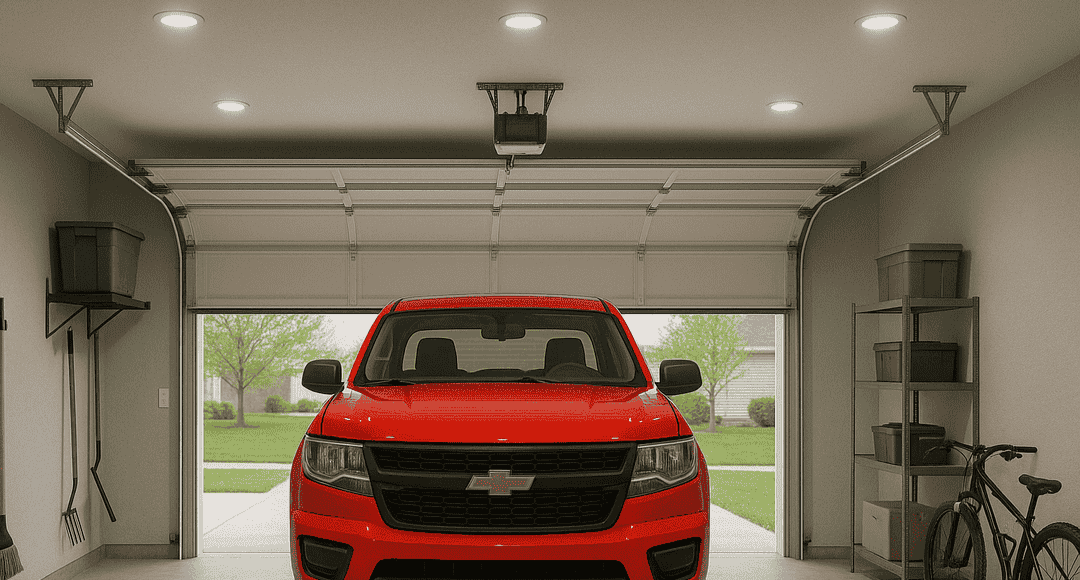
Unsure why your garage still looks like the opening scene of a low-budget thriller? It’s probably due to that one heroic bulb you installed in 2003. It’s hanging on for dear life, flickering just enough to remind you it still exists. Time to give it a dignified retirement!
Proper lighting isn’t about showing off your spotless tool collection (though that’s a bonus). It’s about safety, efficiency, and not giving your electrician another reason to sigh at your wiring.
With the right setup, you’ll see what you’re doing—and avoid accidentally welding your eyebrows together. In this guide, you’ll learn how to plan, install, and test your garage lighting like a pro.
Why Safe Installation Matters
Electricity and DIY enthusiasm can be a dangerous mix. Garages are often damp, cluttered, and full of metal tools. It’s virtually a bingo card of electrical hazards!
Safety matters because one wrong wire can mean more than a tripped breaker. It could mean a trip to A&E.
Common Hazards During Lighting Installation
Let’s go through the greatest hits first:
- Electric shocks. Touching live wires offers a fast track to a horrible day.
- Short circuits. Poor connections can lead to sparks, smoke, and melted sockets.
- Overloaded circuits. Plugging too much in one line could start a fire faster than your neighbour can say, “I told you so.”
- Damaged fixtures. Cheap fittings or dodgy installation can cause loose wiring or flickering lights.
Benefits of Doing It the Right Way
When you install lighting safely, you’re not just following rules; you’re investing in peace of mind. Proper installation means:
- Bright, even illumination.
- Lower energy bills.
- Fewer repairs (and fewer “I’ll fix it later” moments).
Step 1 – Plan Your Garage Lighting Layout
Before you grab a drill, hit pause and make a plan first. It will help save you money, time, and the embarrassment of having your lights point in all the wrong places.
Assess the Garage Space
Measure the space with a tape measure (yes, actually measure it). Note darker corners, work areas, or storage zones that need task lighting. Your car area might need broad, bright coverage, while your workbench deserves focused light.
If your garage doubles as a workshop, think of layered lighting. Get overhead for general brightness, and under-shelf or wall lights for detail work.
Choose the Right Fixtures
Go for LED battens or strip lights. They’re bright, energy-efficient, and last longer than your average DIY motivation. Avoid cheap, unbranded fixtures; they often hum, flicker, or give up after a few months.
Consider IP Rating and Brightness
Garages aren’t exactly dry sanctuaries. Look for fittings with an IP rating of 44 or higher if there’s any chance of moisture. If your garage is more like a car wash, consider IP65.
As for brightness, aim for at least 4,000 to 6,000 lumens for a single garage. Larger spaces might need more. And remember: daylight colour temperature (around 5,000K) gives the most natural light for working.
Step 2 – Have the Right Tools and Materials
Don’t start the job only to realise you’ve lost your screwdriver. Preparation keeps the process smooth and your temper intact.
Tools You’ll Need
Make sure you have these at least:
- Screwdriver set
- Voltage tester
- Wire stripper
- Drill
- Ladder
- Safety gloves
If you find yourself improvising with a butter knife, please stop and buy the right tool.
Safety Gear
A competent DIYer is a safe DIYer. So wear these as well:
- Insulated gloves (not your gardening ones).
- Rubber-soled shoes (not slippers).
- Eye protection (because dust and metal shavings love surprises).
Step 3 – Turn Off the Power Supply
This is not optional. Turn off the power at your main circuit breaker before you even think about touching a wire.
Check with a Voltage Tester
Even after turning off the breaker, you should use a voltage tester to make sure there’s no live current. Electricity can be sneaky. Double-check every connection before working.
Label the Circuit
If your fuse box looks like a mystery novel, label your circuits properly. It’ll save you time later and help anyone else who needs to work on it. Future-you will be thankful.
Step 4 – Install the Lighting Fixtures
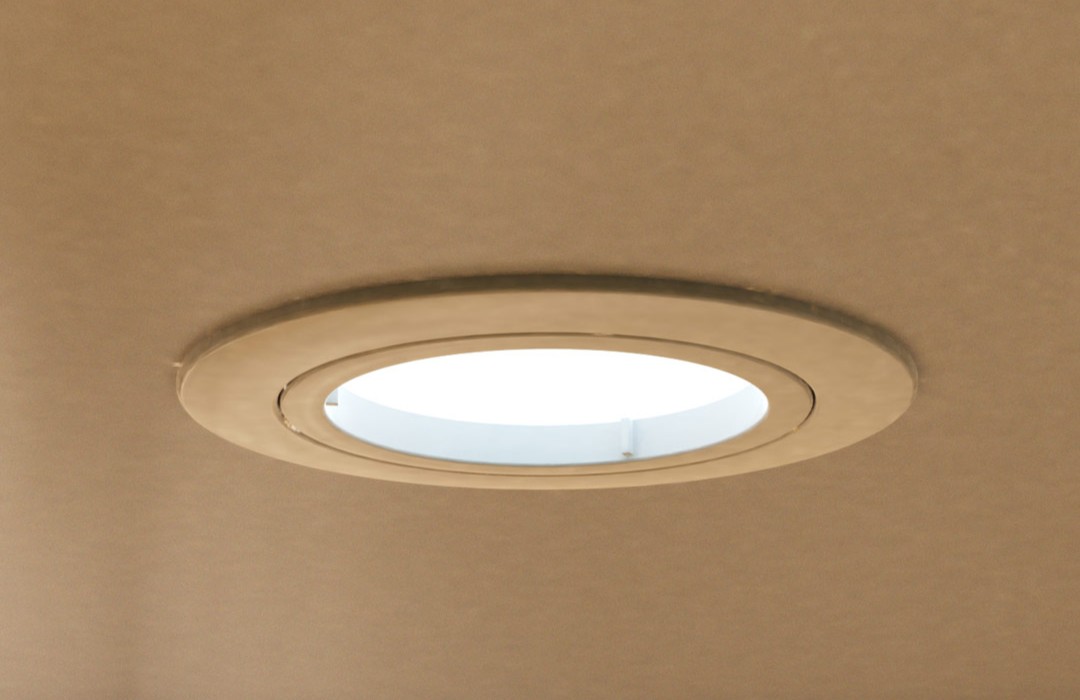
Now for the fun part: installing your shiny new lights. This step requires patience, precision, and the occasional deep breath.
Mark and Drill Fixture Points
Mark where each light will go (use a tape measure and pencil). Even spacing is key. Drill holes carefully, avoiding existing wiring or pipes (unless you fancy fireworks).
Connect the Wiring
Connect your Live (brown), Neutral (blue), and Earth (green/yellow) wires correctly. Tug each wire gently to ensure a secure connection.
If you’re unsure which end of the screwdriver to hold, stop here. Call a certified electrician. No shame in doing that; safety must always come first.
Secure Fixtures and Check Stability
Mount each light securely. Loose fittings can lead to flickering, rattling, or a fixture that slowly droops like a sad tulip.
Once secure, tidy up your cables using clips or conduit. Clean installations don’t just look professional; they last longer, too!
Step 5 – Test and Inspect the Installation
You’ve done the work. Now it’s time to make sure you haven’t wired up a disco by accident.
Restore Power Safely
Turn your power back on at the breaker. Stand clear of the fittings when you first switch on the lights (just in case).
Check for Flicker or Loose Fittings
If the lights flicker, dim, or buzz, something’s wrong. Turn the power off immediately and check the connections. Don’t ignore minor issues; they often lead to big ones.
Final Safety Inspection
Feel the fittings after ten minutes of use. If they’re overheating, you may have installed the wrong wattage or faulty wiring. Also, ensure your circuit isn’t overloaded (especially if your garage has power tools or heaters).
Step 6 – Upgrade with Smart Controls or Motion Sensors (Optional)
Once you’ve got your lights sorted, let’s make them smarter. Add motion sensors or smart controls for extra convenience and energy savings.
Imagine your smart lights switching on automatically when you enter with your hands full of shopping. Or controlling brightness from your phone. Brilliant, right?
Benefits of Smart Lighting
- Hands-free operation. No more fumbling for switches.
- Energy savings. Lights turn off automatically when not in use.
- Security boost. Timed or motion-based lighting deters unwanted visitors.
Maintenance Tips for Long-Lasting Garage Lighting
Want to keep your newly-installed lights shining brightly? Regular maintenance prevents problems and saves you from unnecessary replacements.
Regular Cleaning and Inspection
Dust loves LED lights. Wipe lenses gently with a soft, dry cloth every few months. Check for loose screws, moisture buildup, or worn wiring while you’re up there.
A clean light isn’t just prettier; it’s more efficient.
Replace Faulty Components Early
If a light starts flickering, don’t wait for it to entirely fail. Replace it before it affects your circuit or your patience.
Keep a few spare LED tubes or fittings handy. You’ll thank yourself later.
Safety Reminder – When to Call an Electrician
Here’s the golden rule: if you’re unsure, don’t guess.
Call a qualified electrician for the following:
- New circuit installations.
- Rewiring old garages.
- Breaker upgrades.
- Anything involving complex wiring or water exposure.
It’s cheaper than paying for both an electrician and an emergency repair later.
Ready to Stop Working in the Dark?

Good lighting can turn your garage from a gloomy dumping ground into something that actually earns its square footage. No more squinting, no more mystery puddles, and definitely no more “I think that’s where I left it” moments.
Bright, well-installed lighting doesn’t just make your projects easier; it makes them safer. You’ll see what you’re doing, avoid accidents, and maybe even impress yourself a little. And if your garage also doubles as your escape room from family chaos, well, consider this your upgrade.
Ready to give your garage the lighting makeover it deserves? Simple Lighting has everything you need to stop working in the dark. We have quality fixtures, smart upgrades, and all the brightness your projects (and ego) could ever need. Visit our website today!
And remember that the first step to safely installing garage lights is knowing more about them. That’s why you should also check out How to Choose the Best Lighting for Your Garage and level up your garage lighting knowledge.